
FULL BUTTON BASEBALL JERSEY DESIGNS
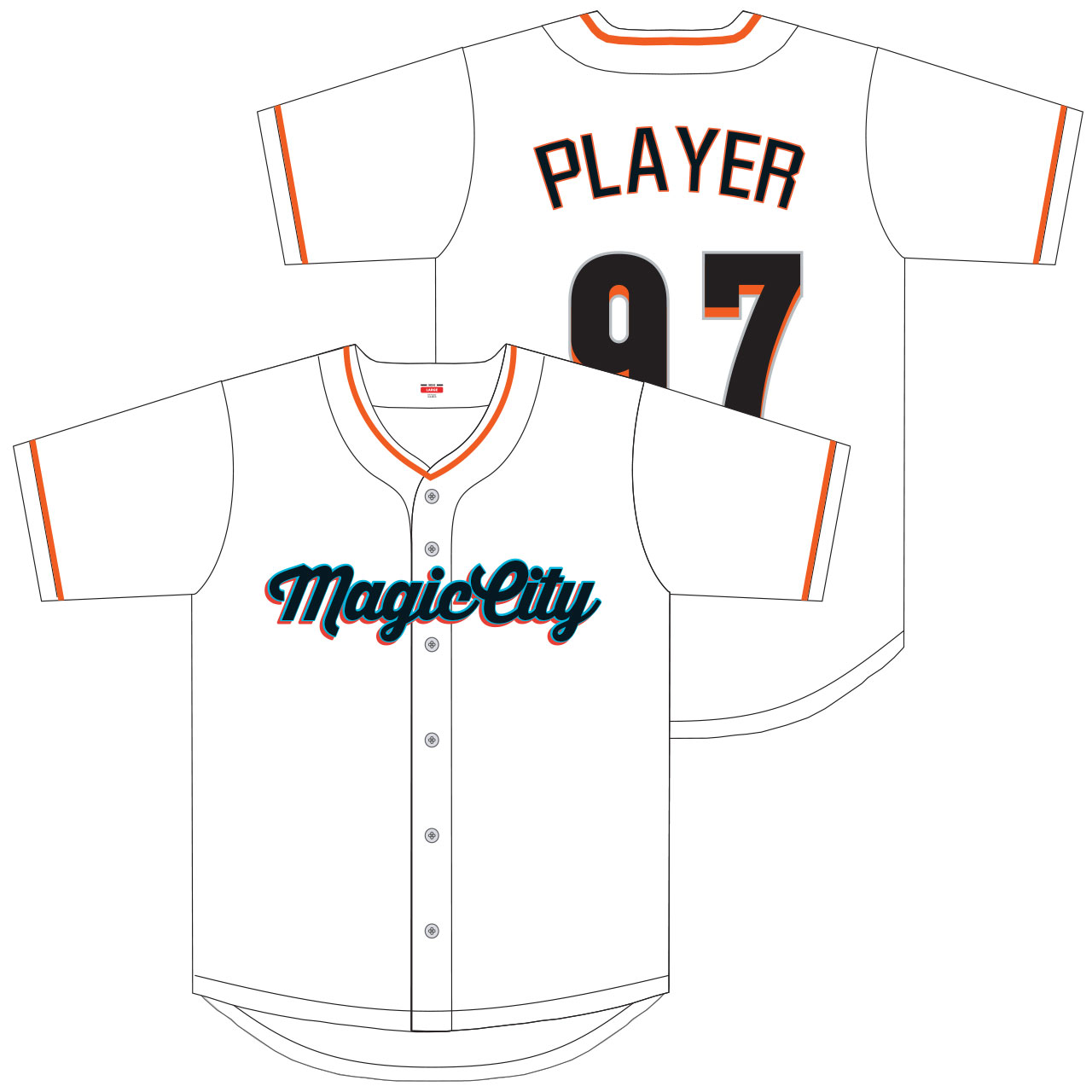
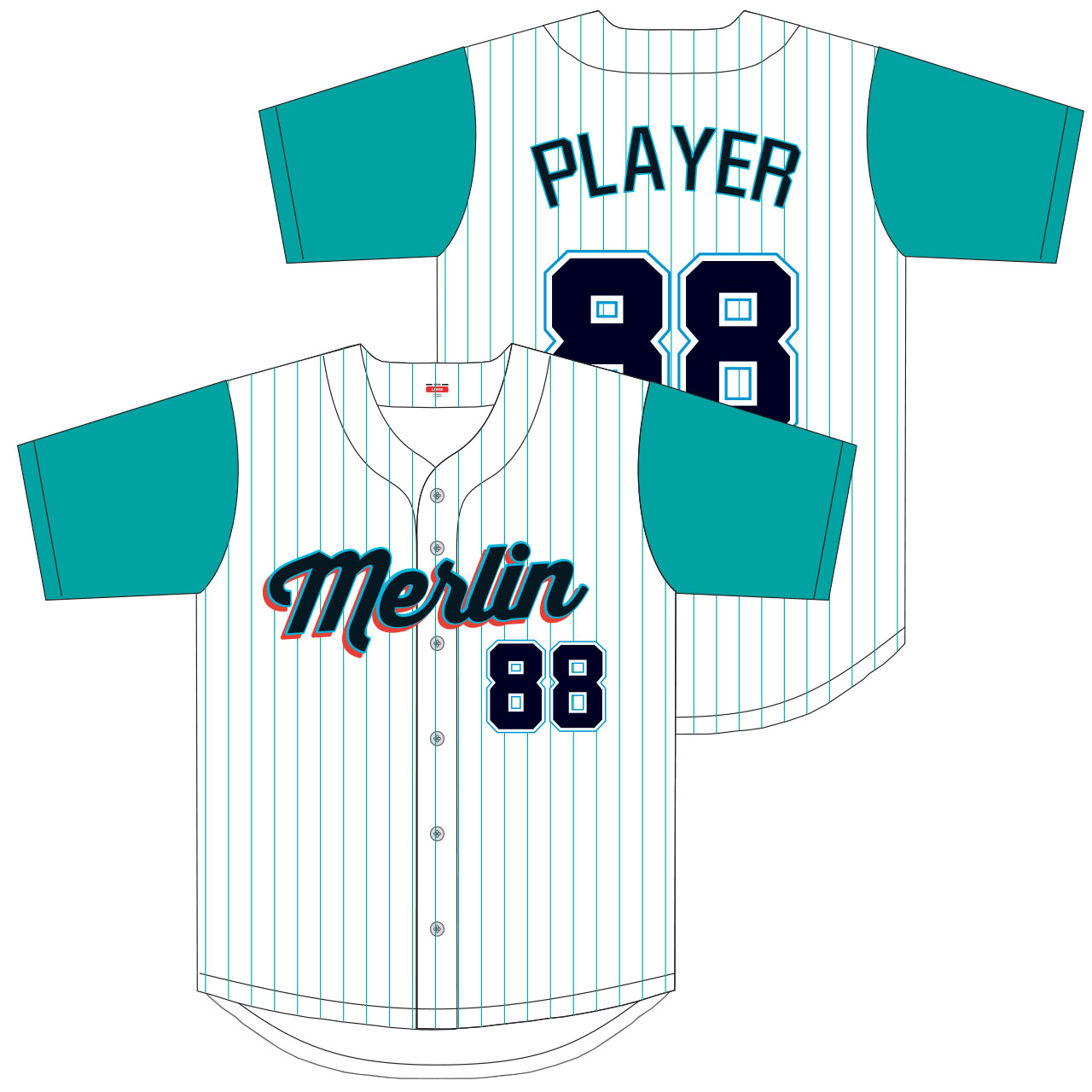
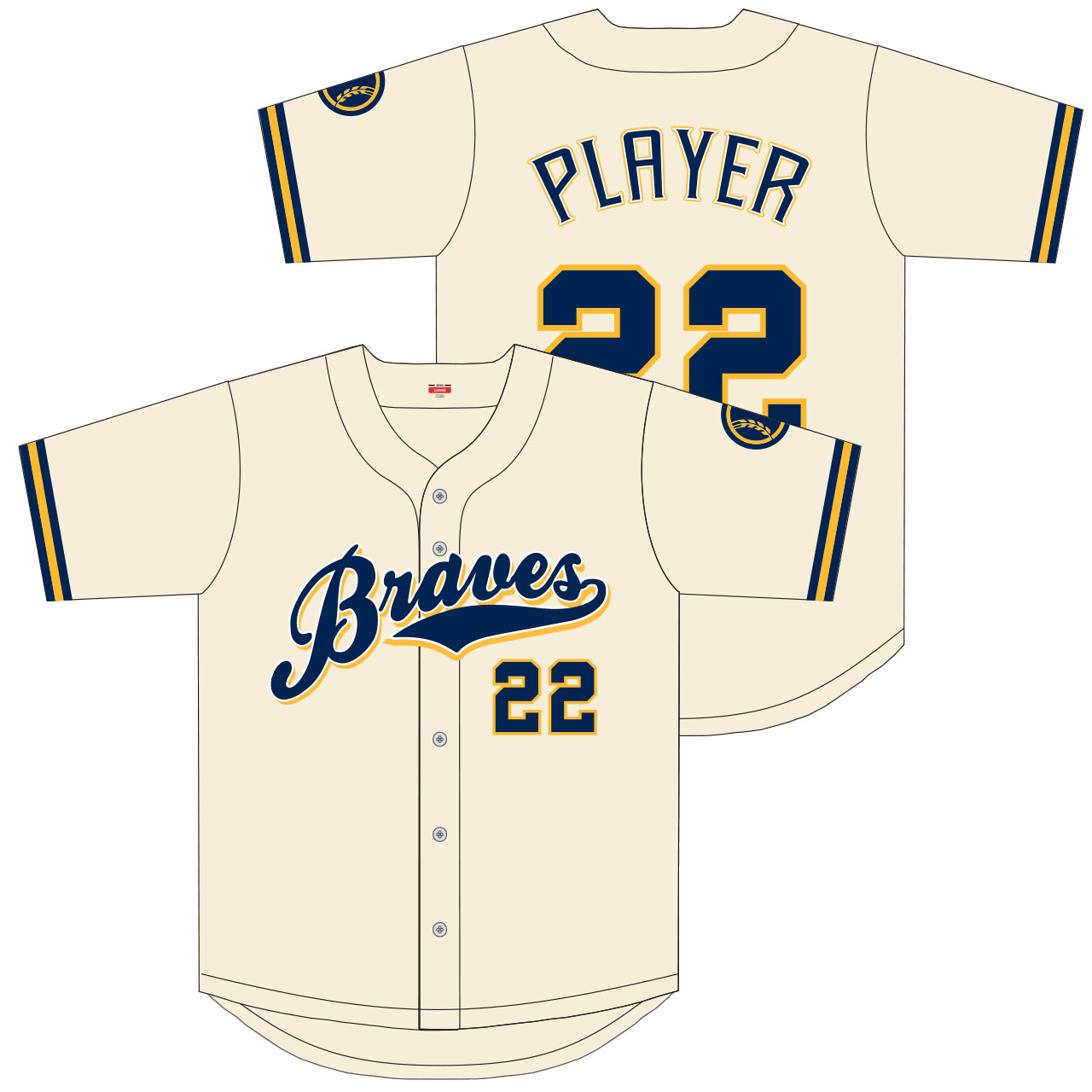
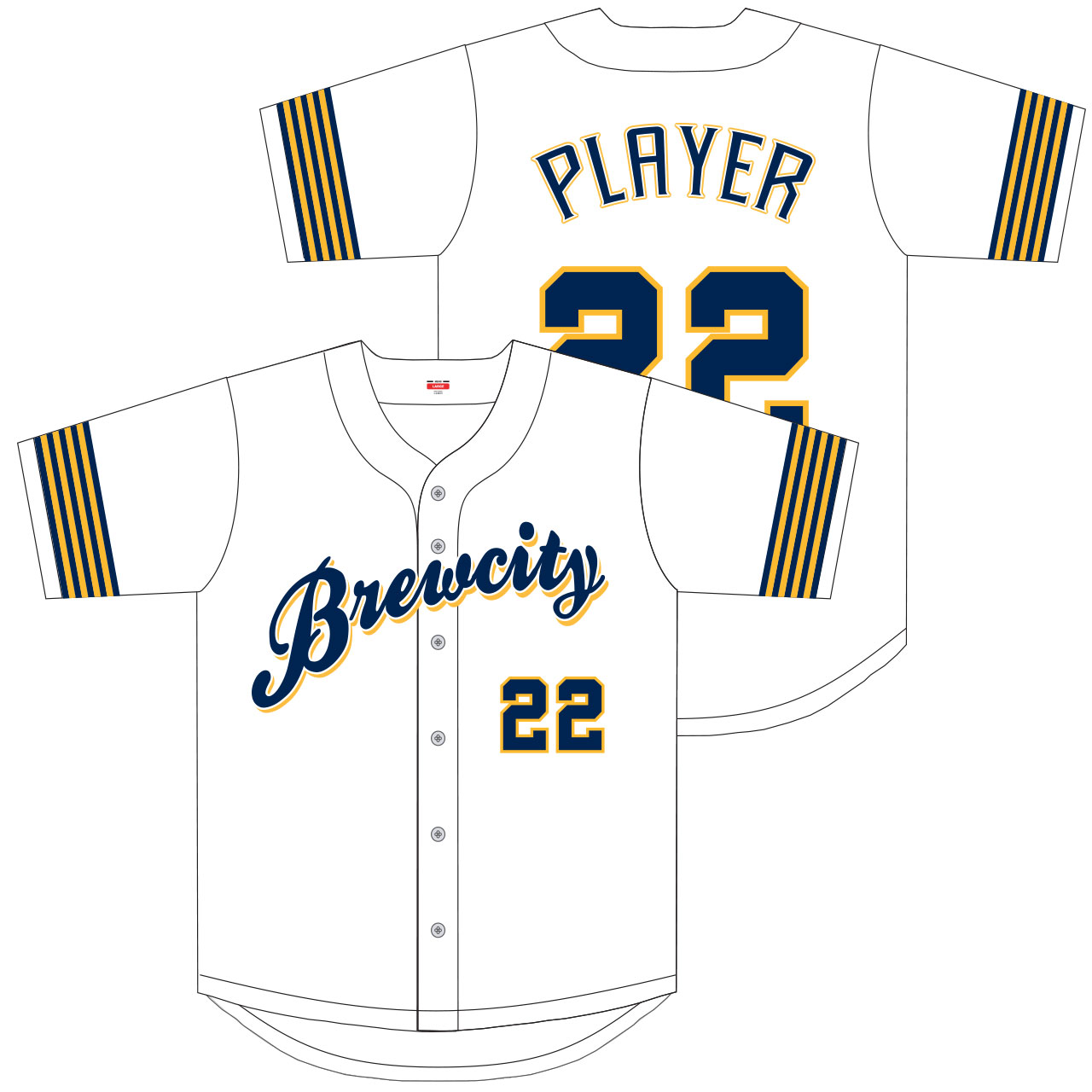
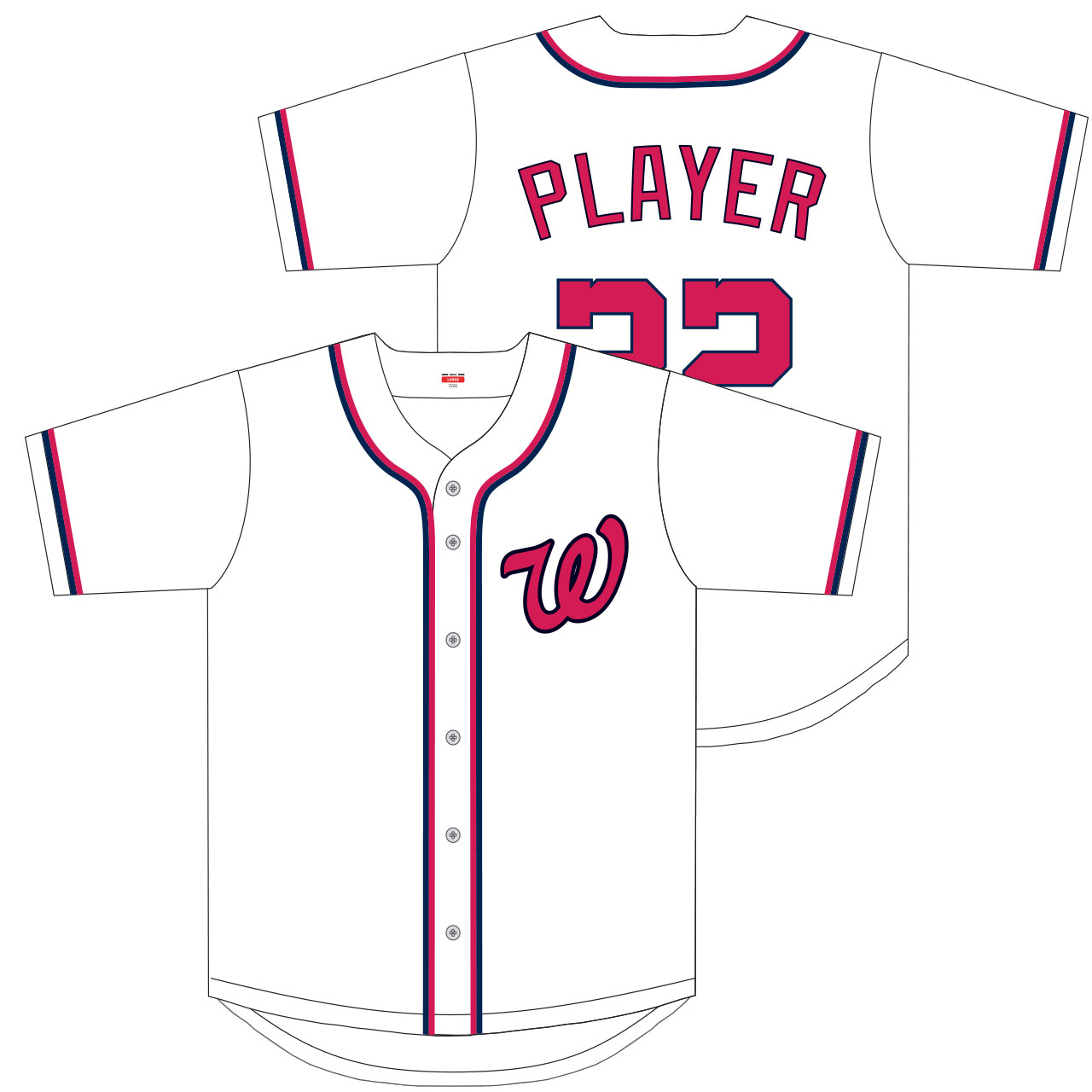
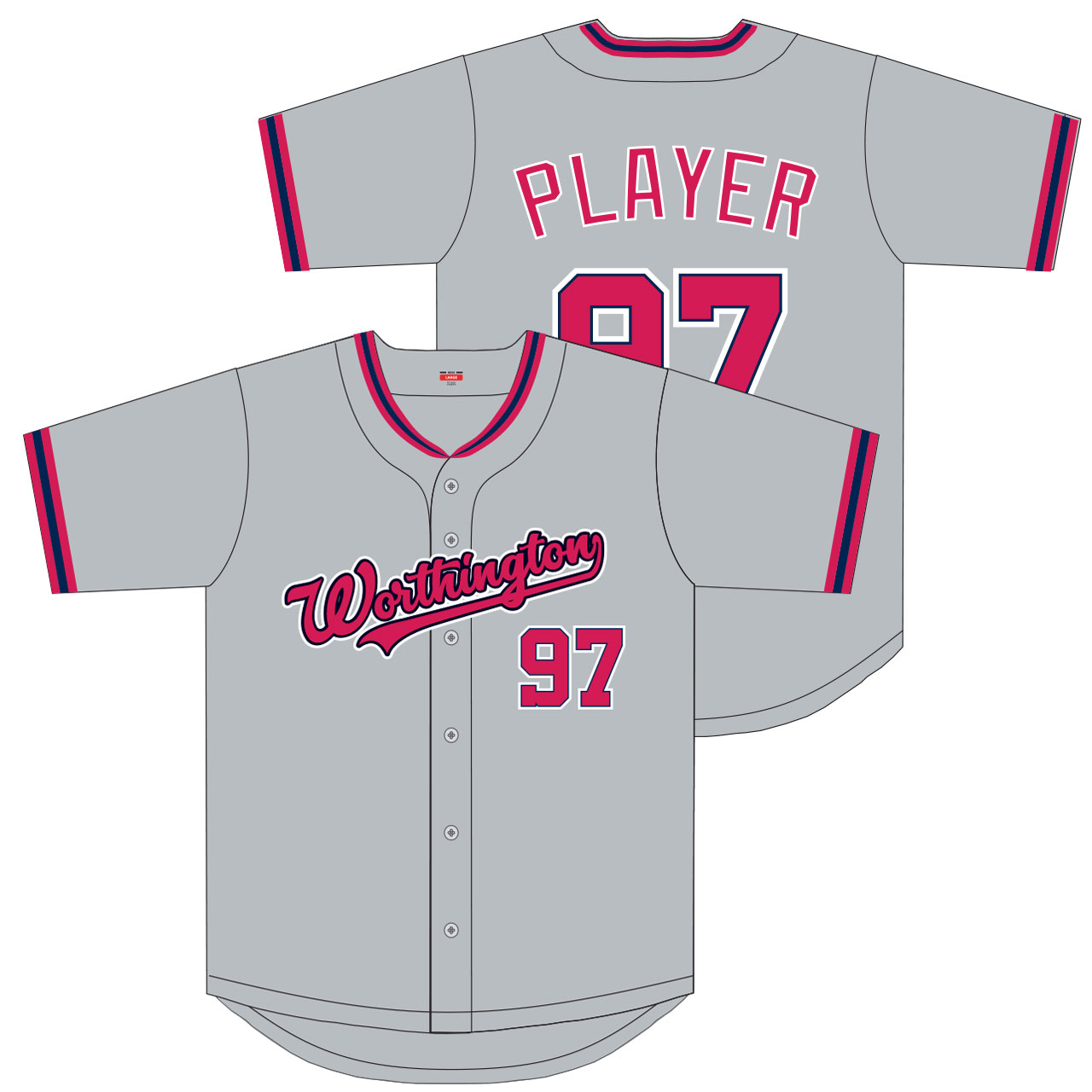
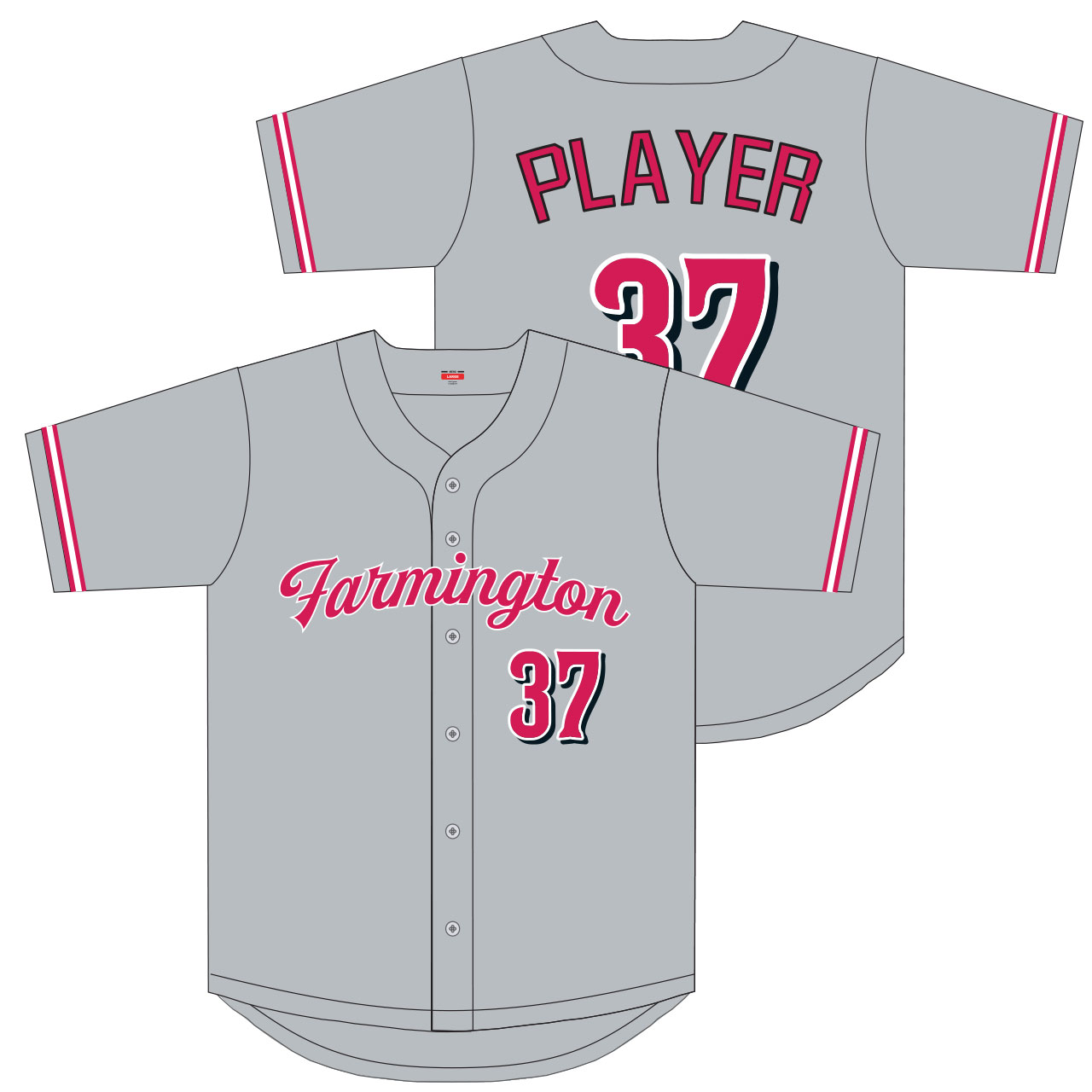
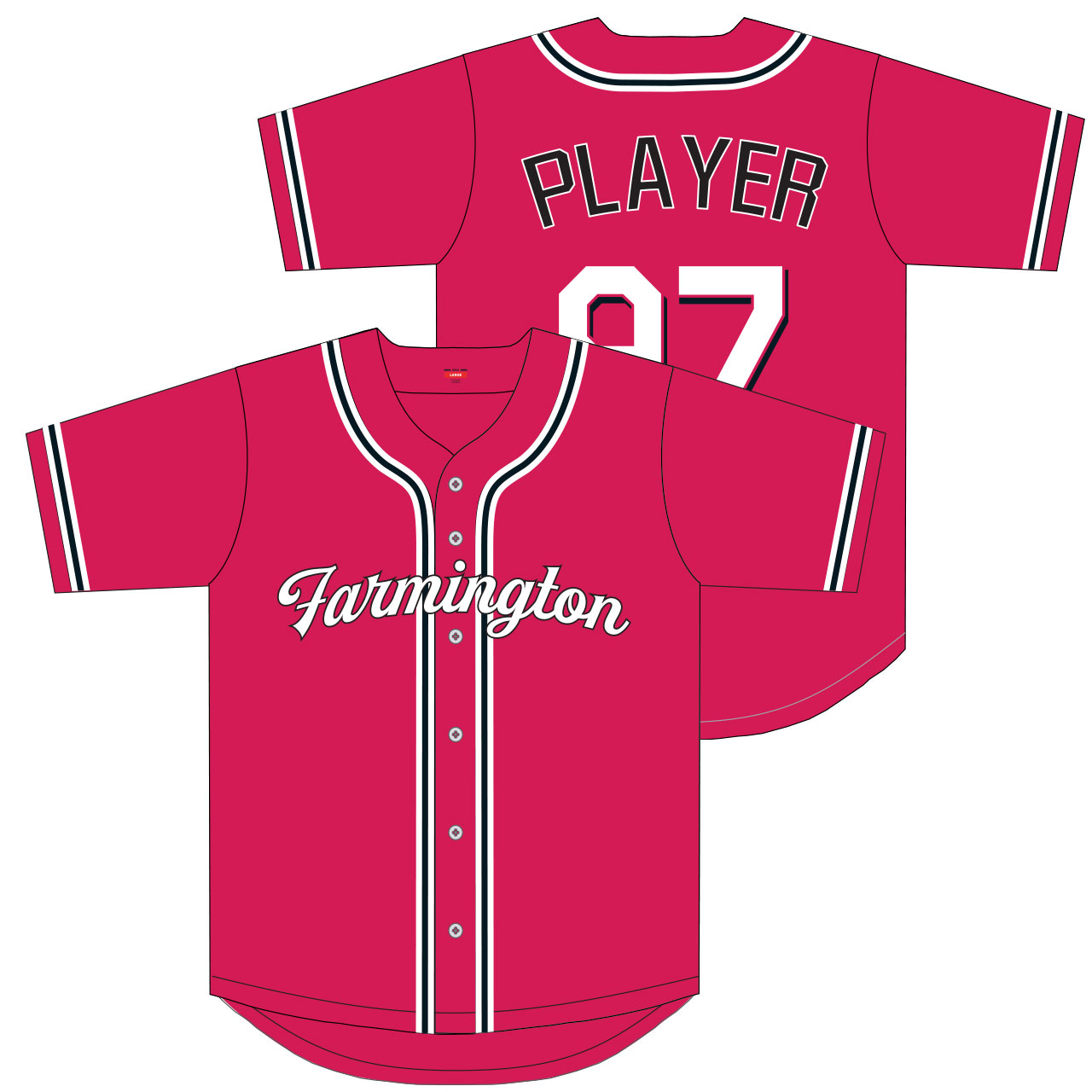
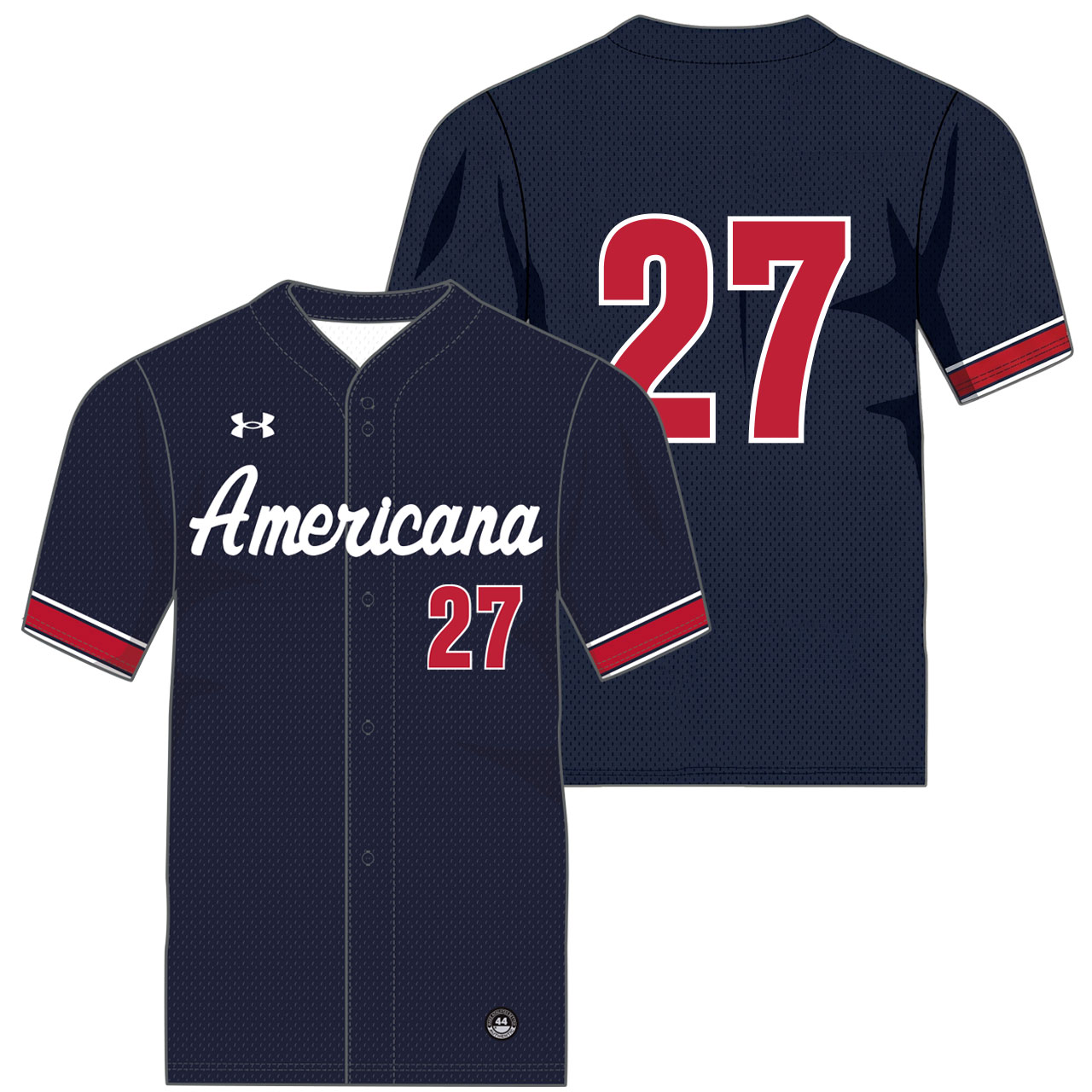
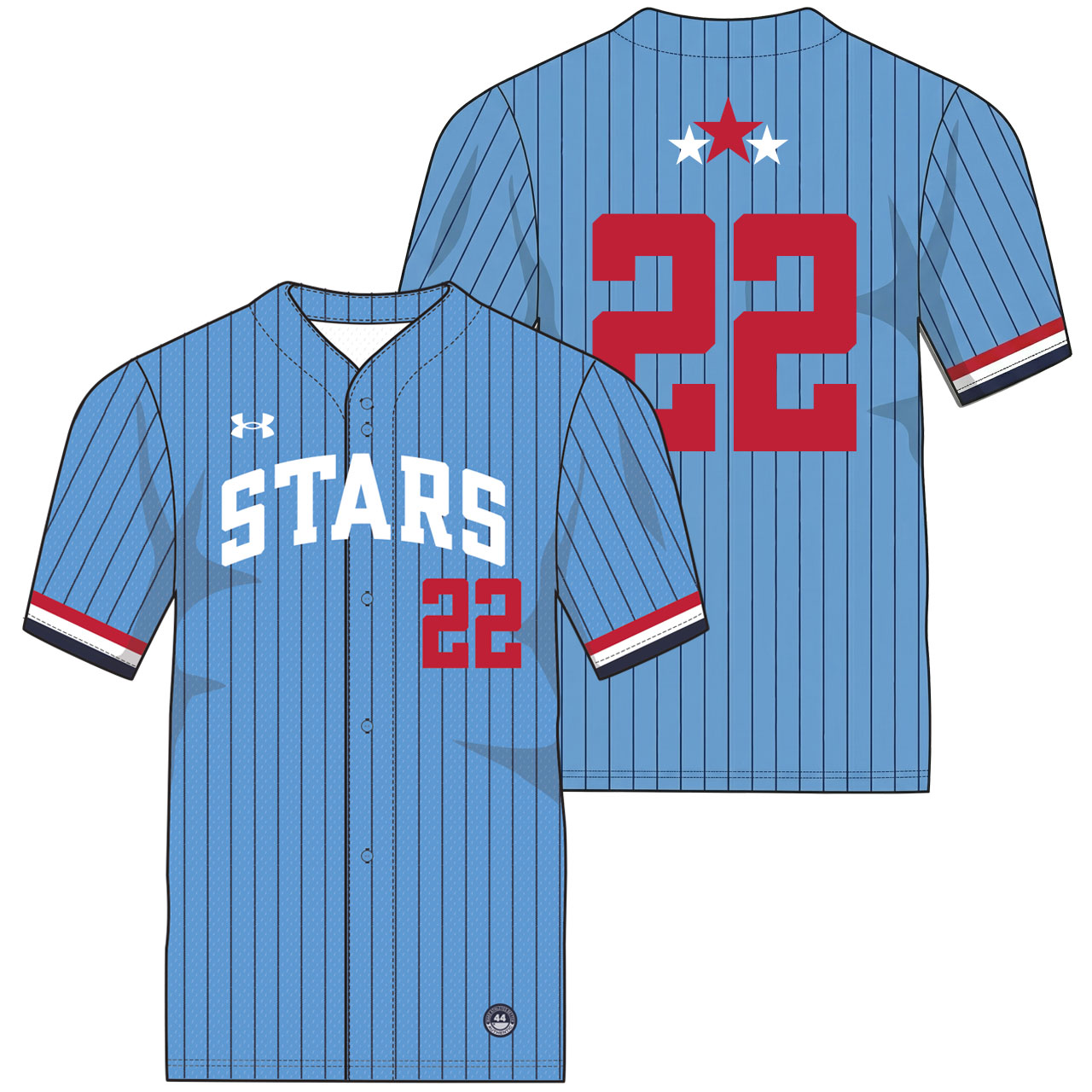
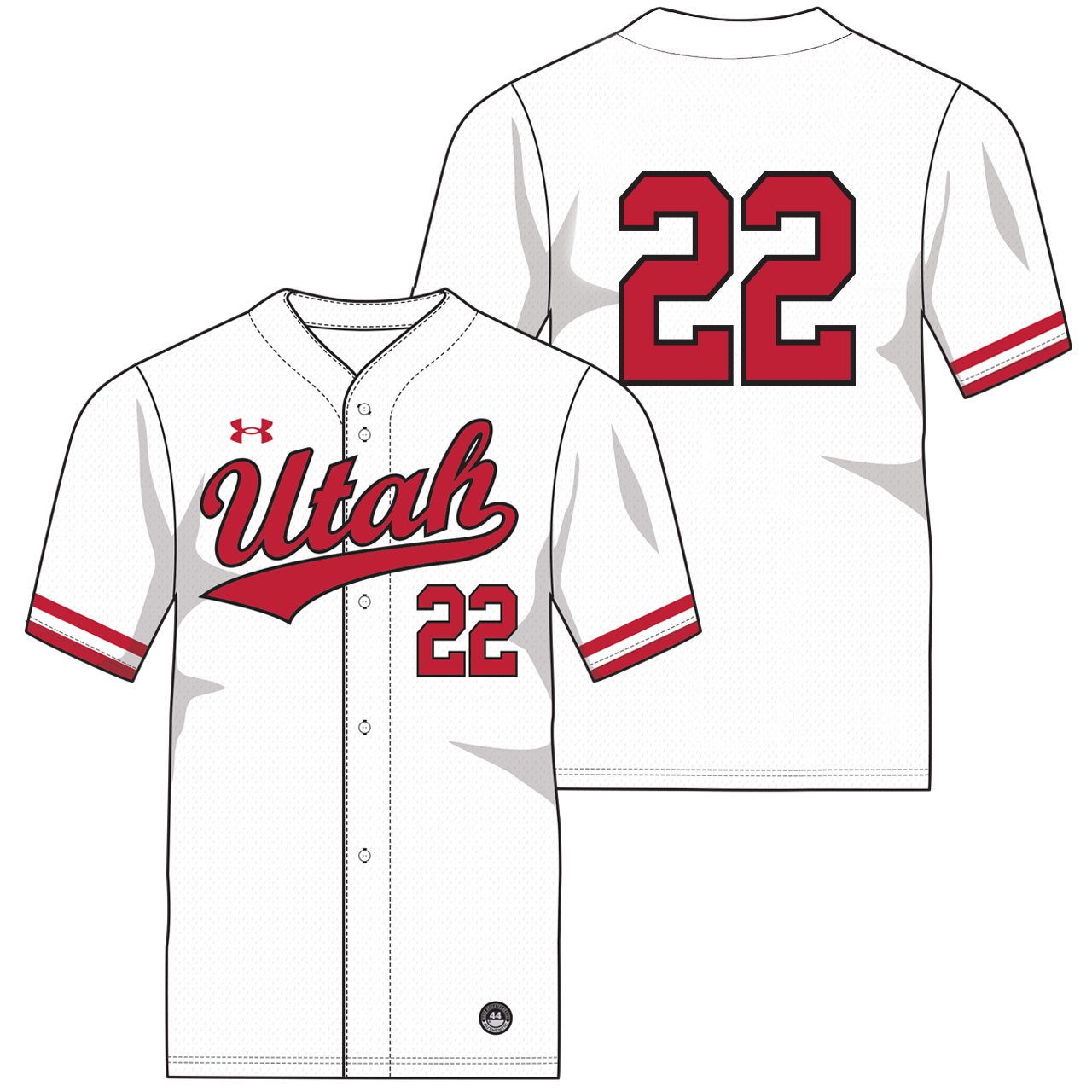
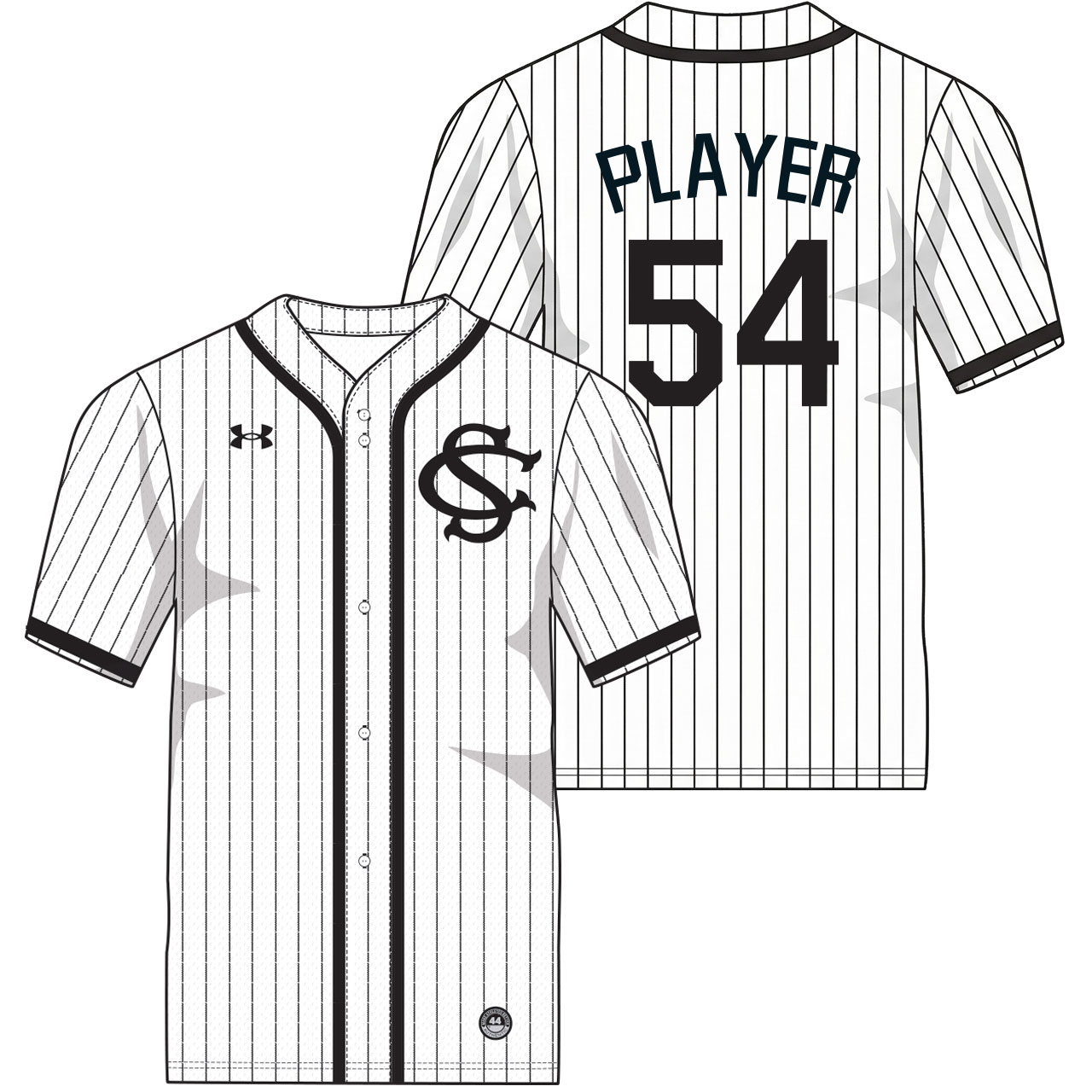
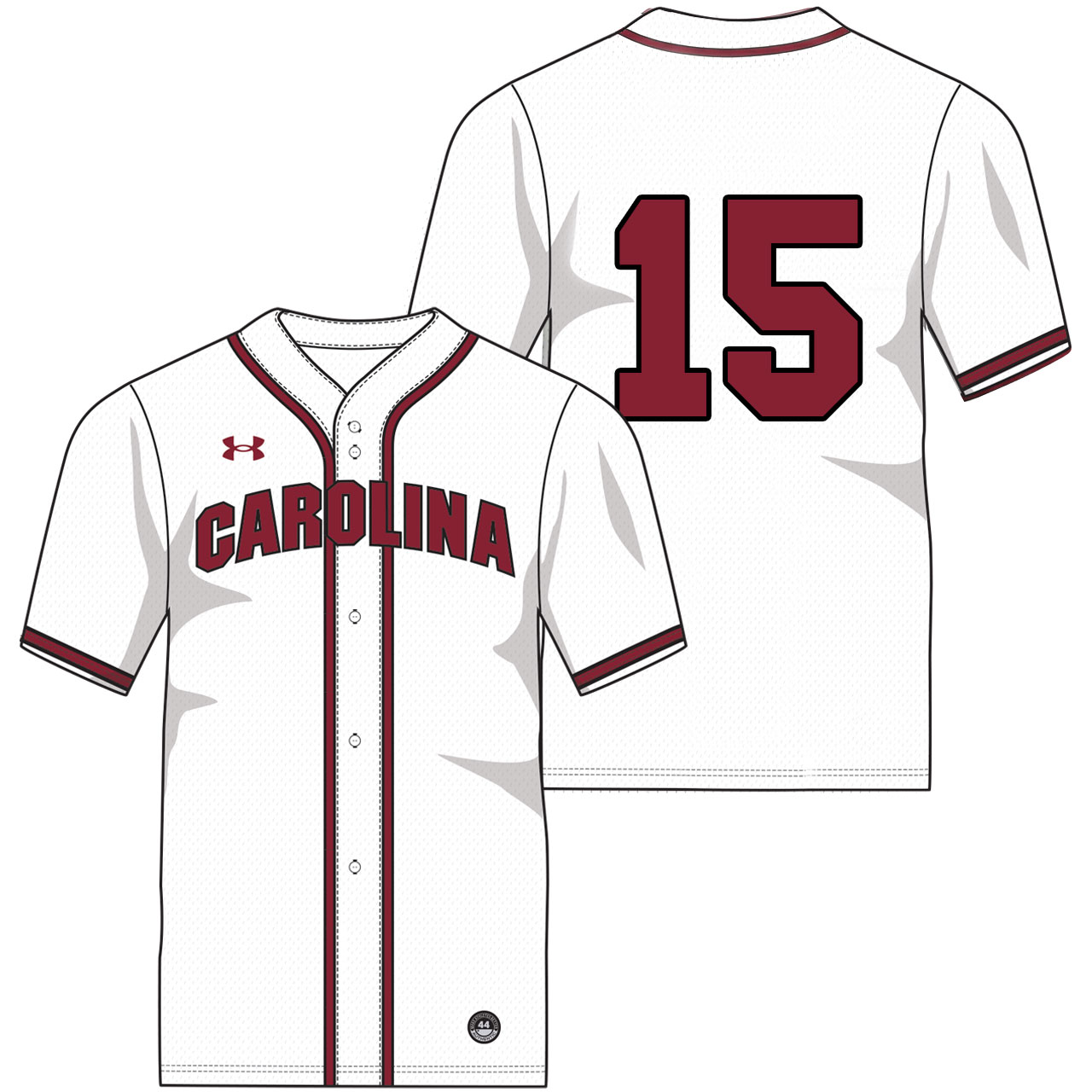
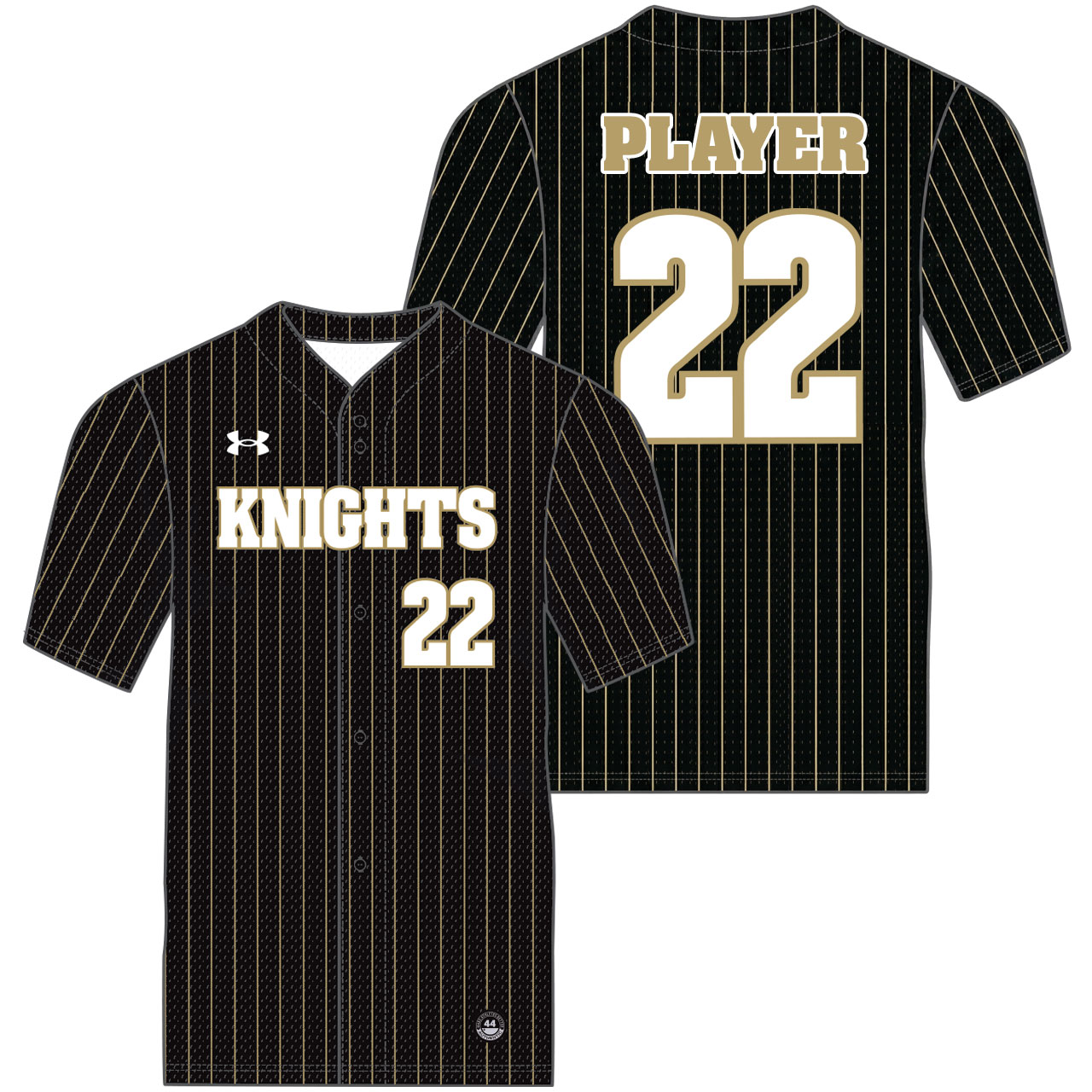
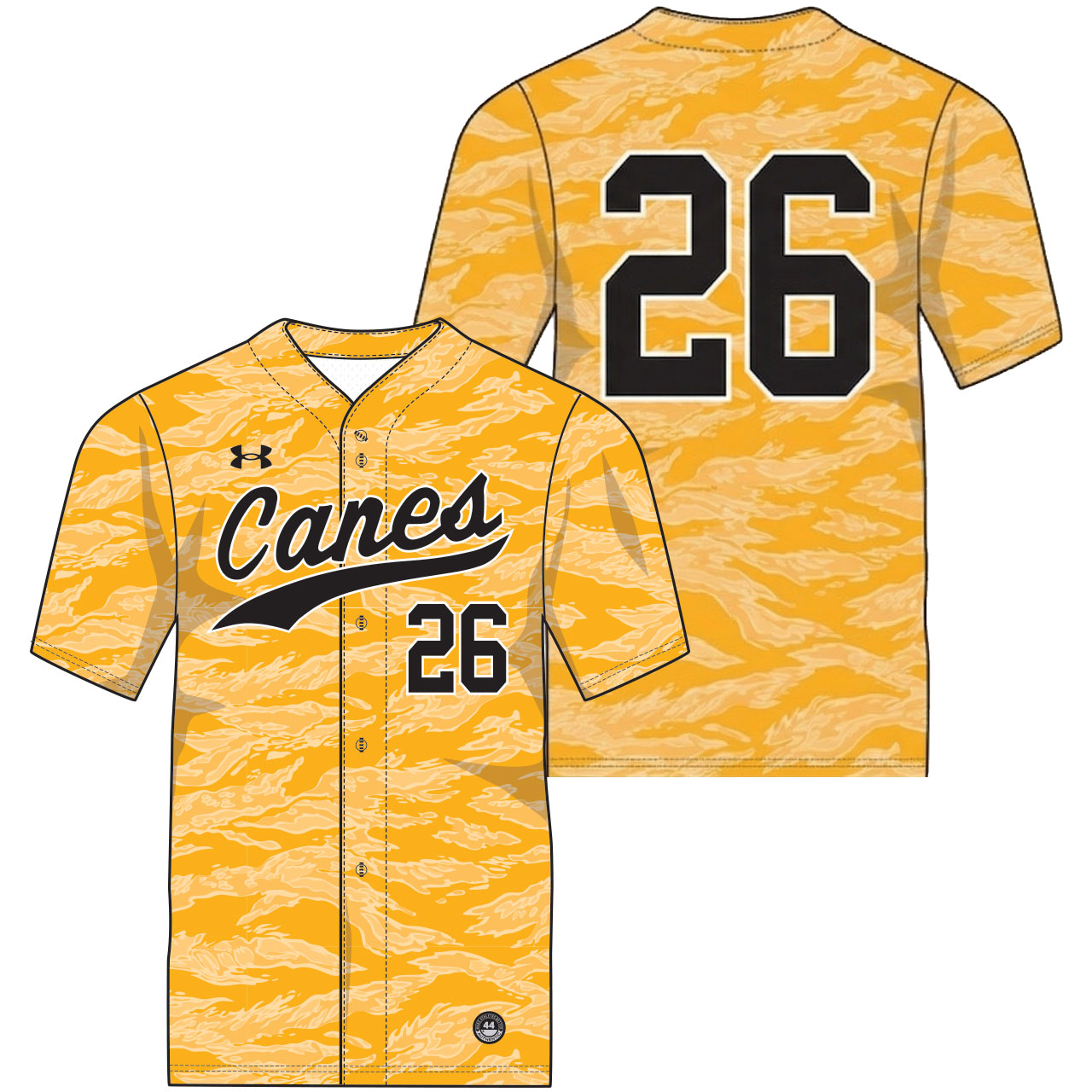
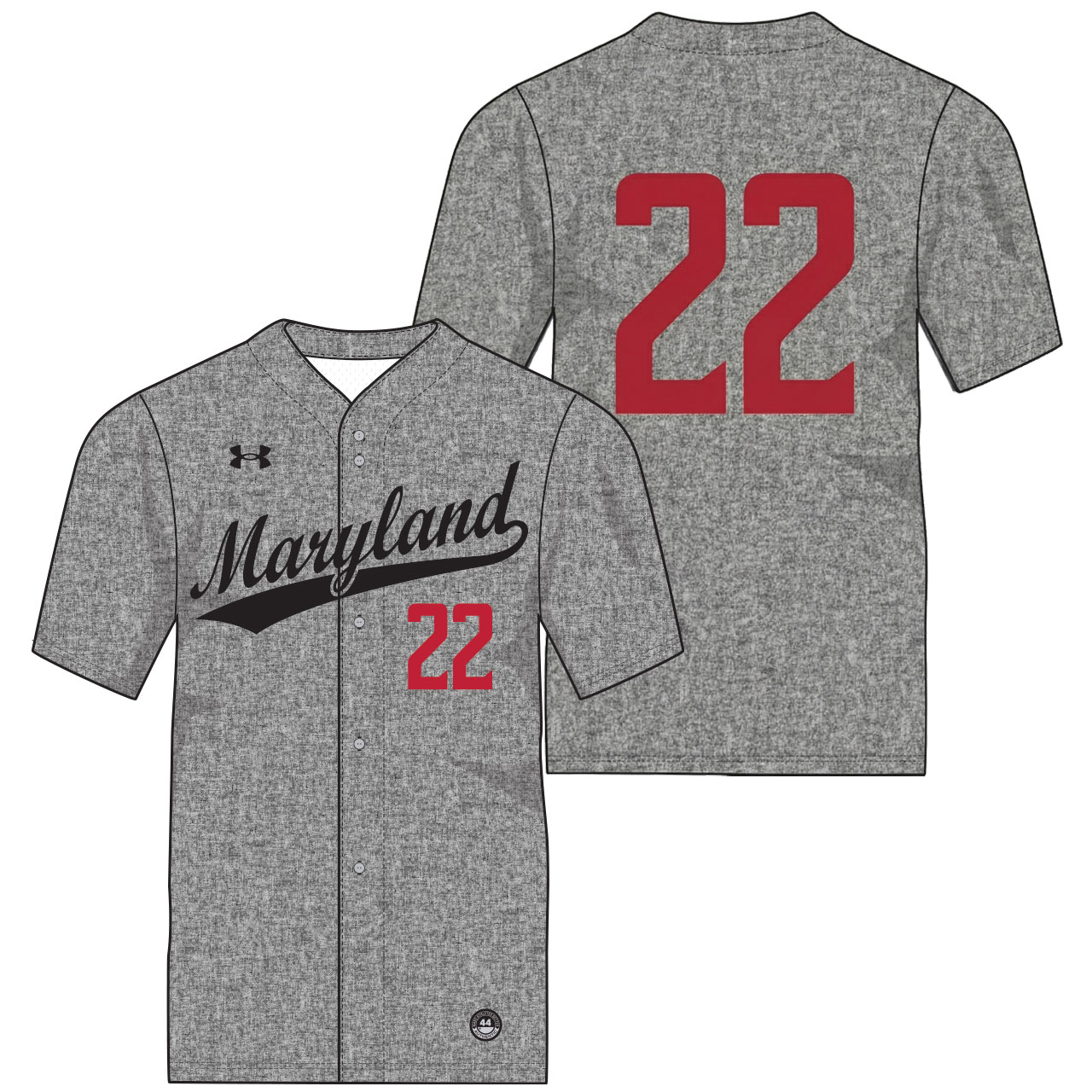
Full button baseball jerseys are the gold standard of classic diamond style. The full-length front placket creates a bold vertical centerline that frames chest lettering and logos with a clean, symmetrical look instantly recognizable as traditional baseball. Whether dressed up with pinstripes or kept sharp in solid colors, the full button silhouette carries a pro-level polish that has defined the sport's visual identity for over a century.
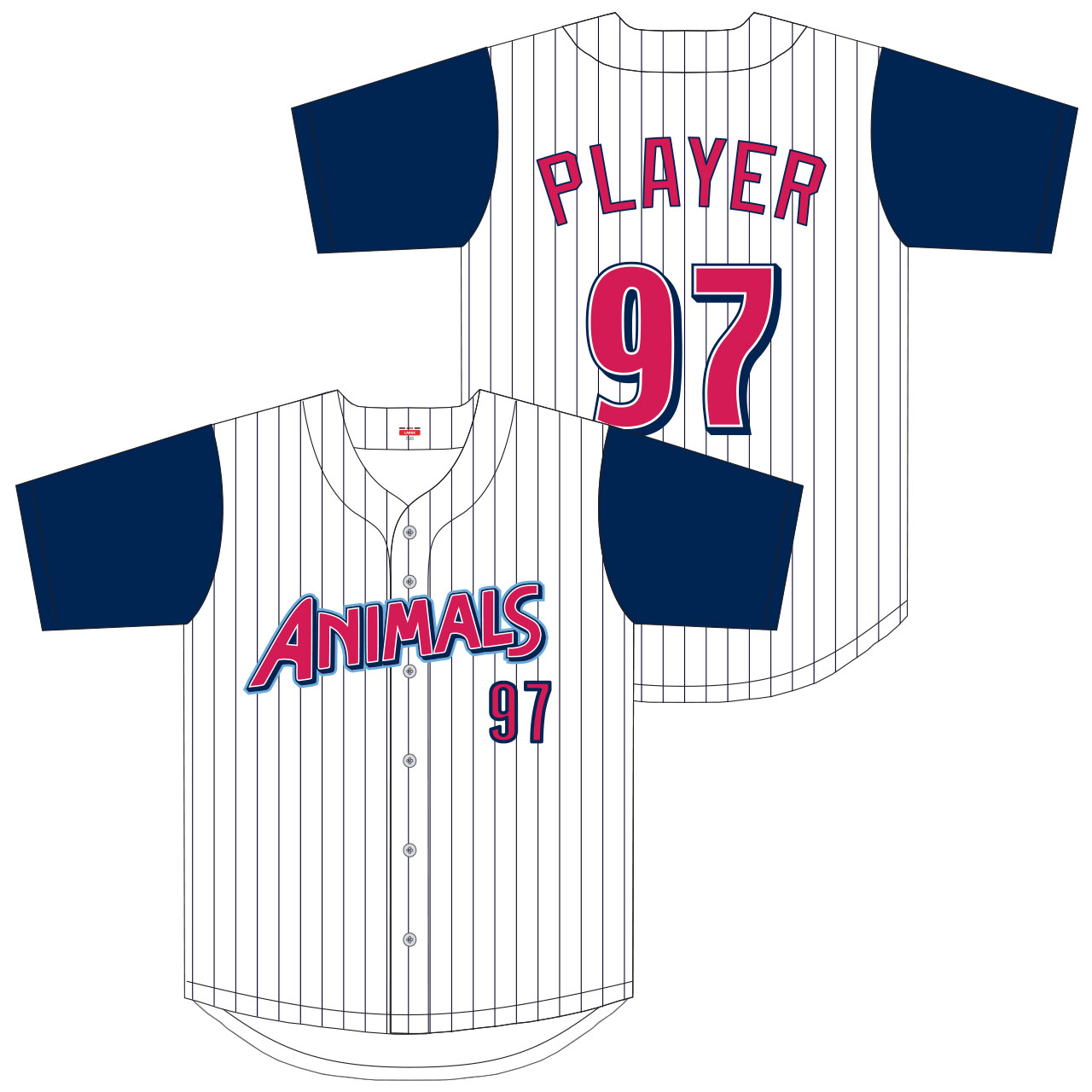
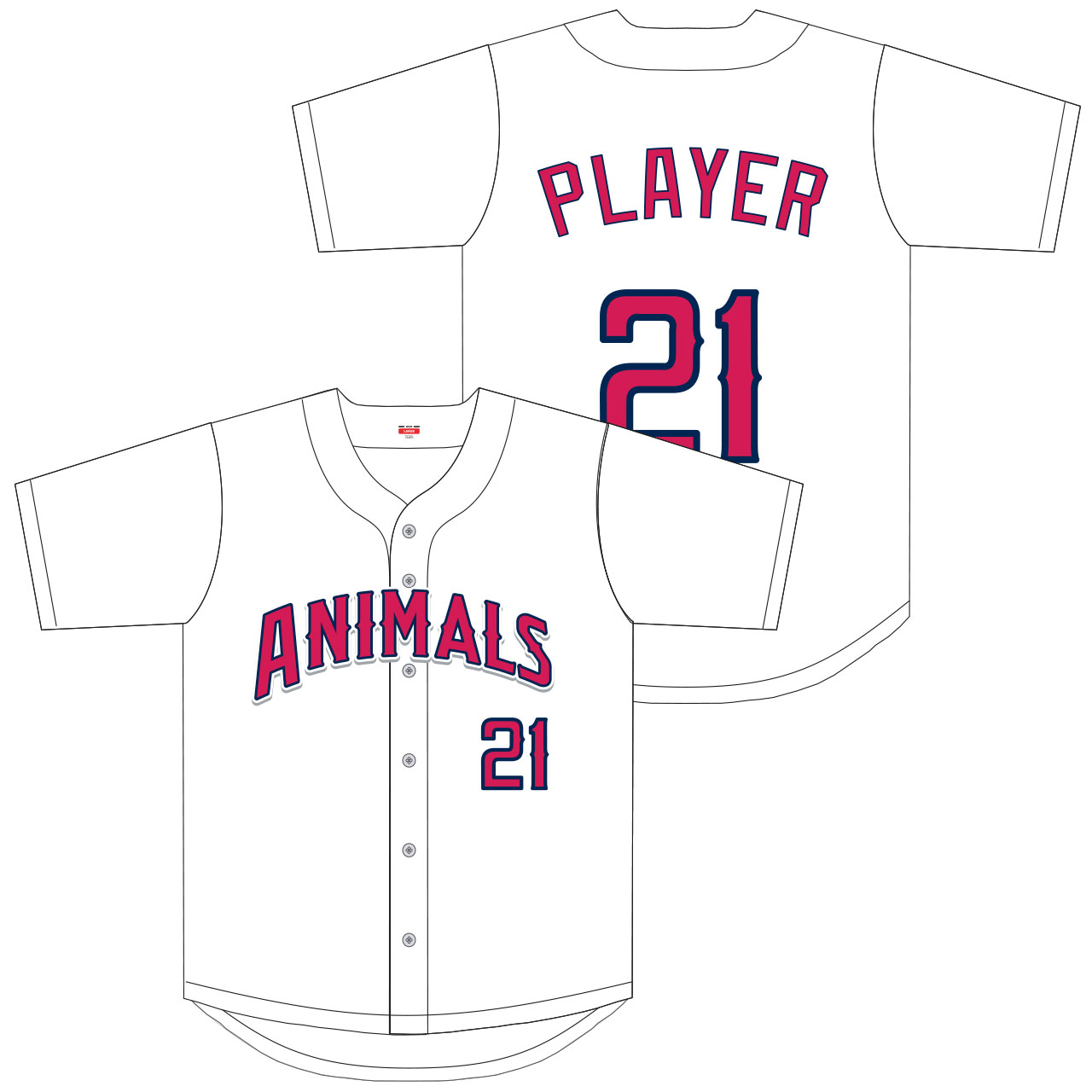
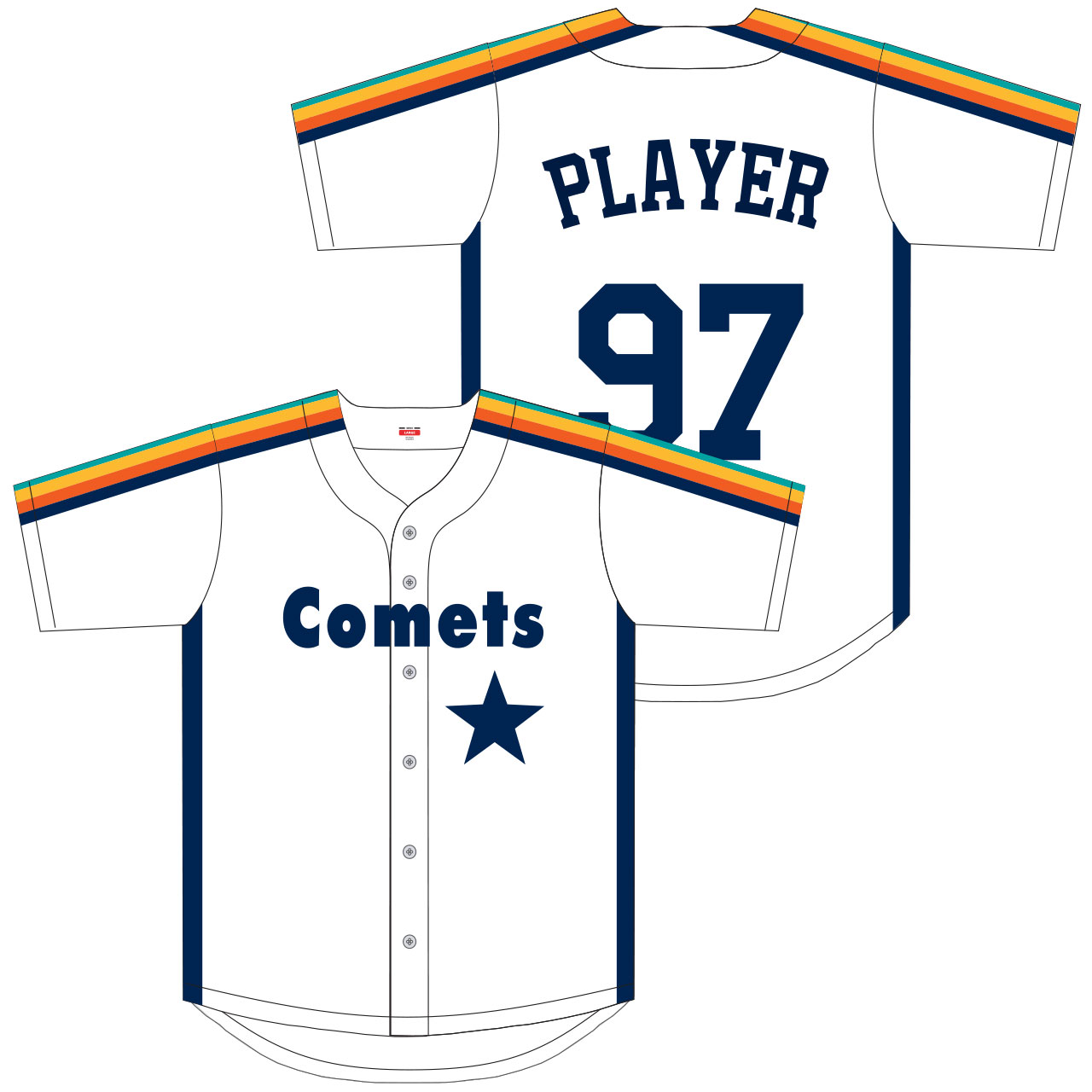
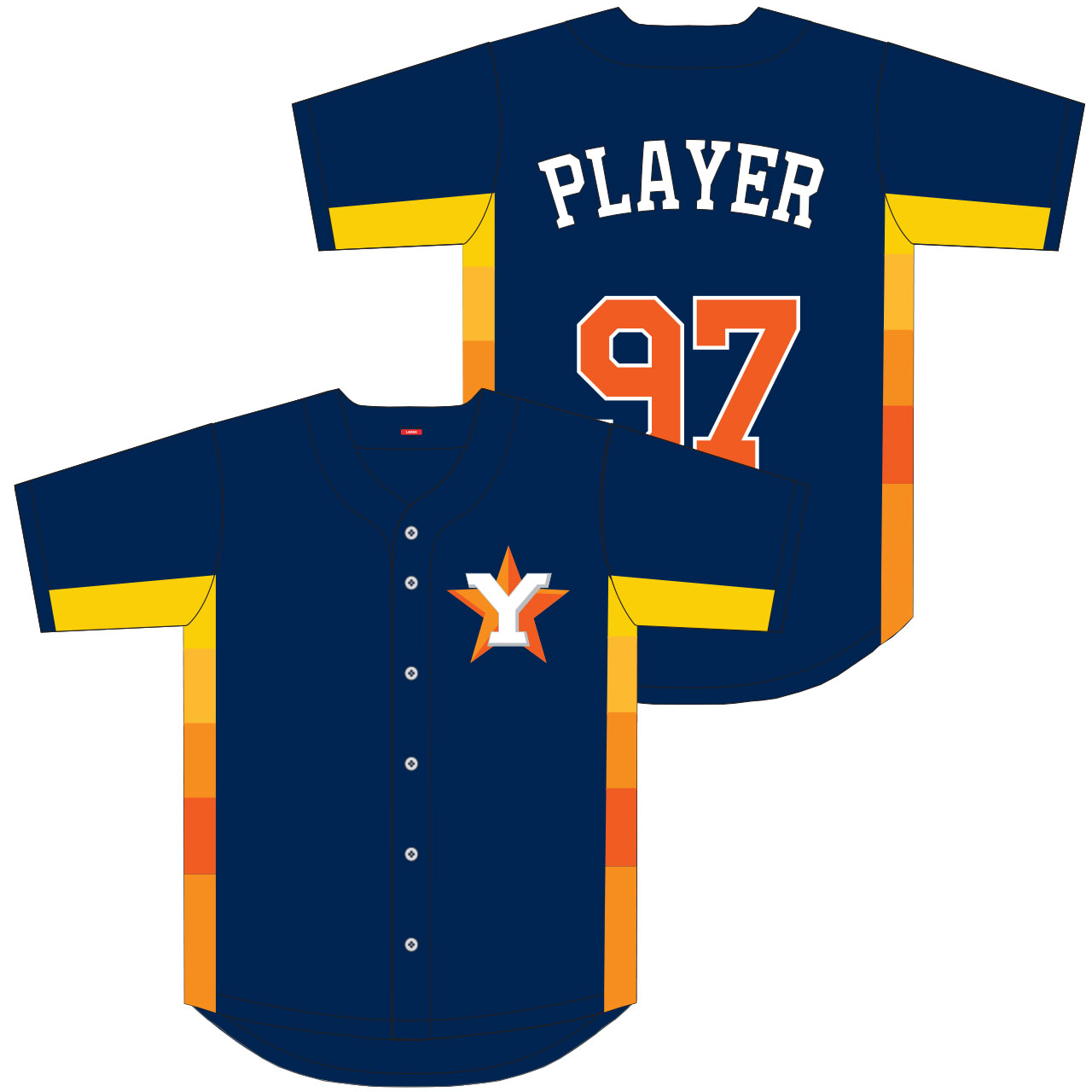
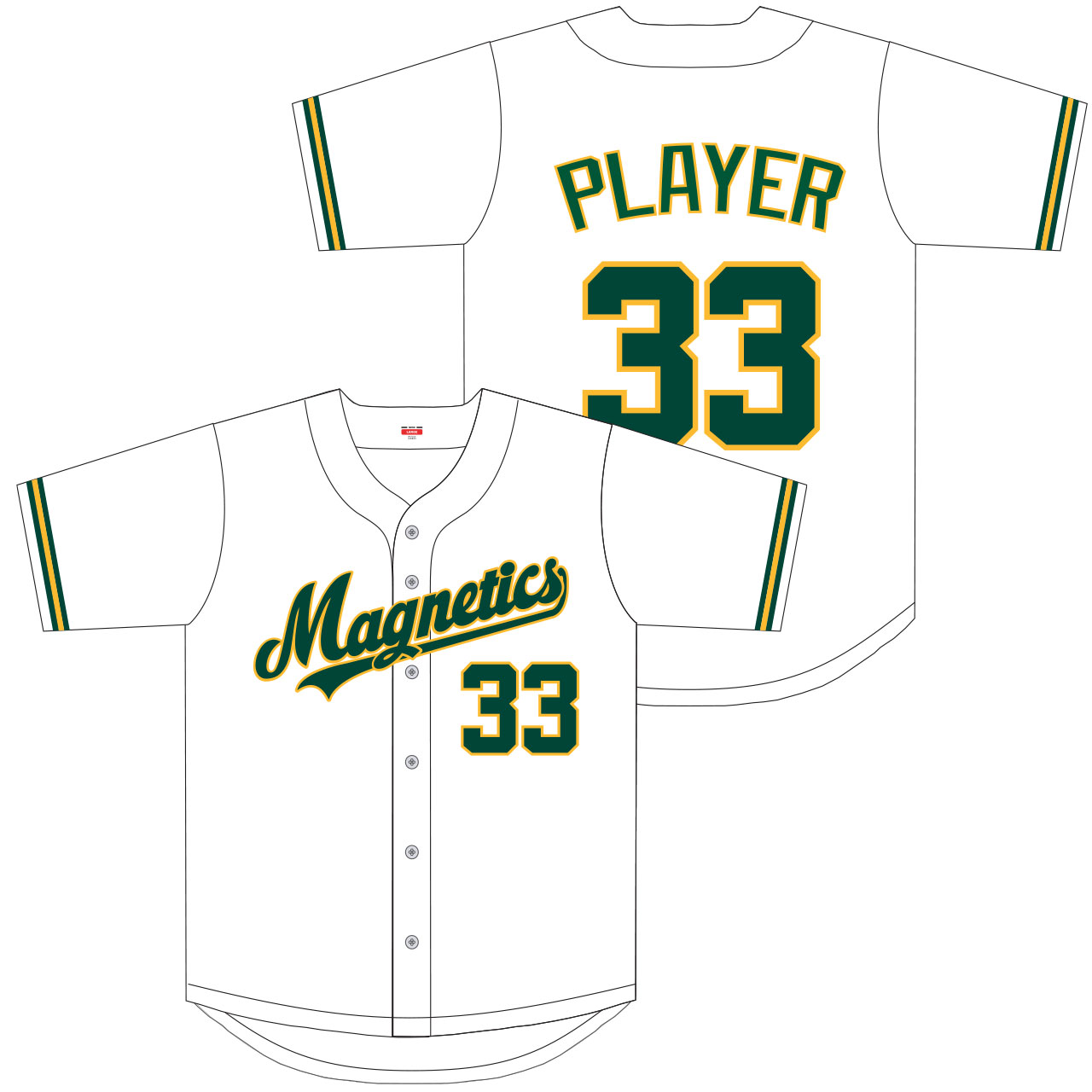
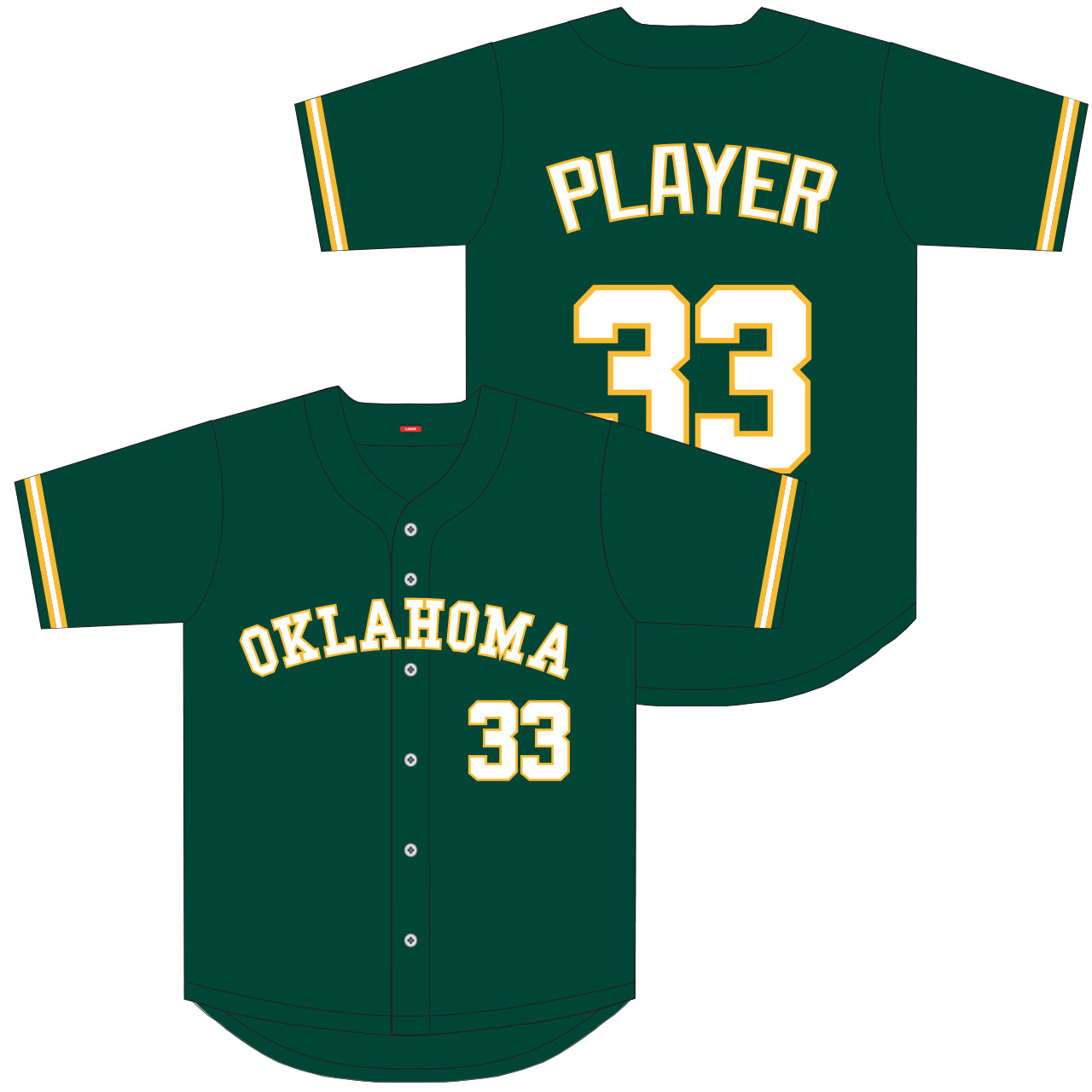
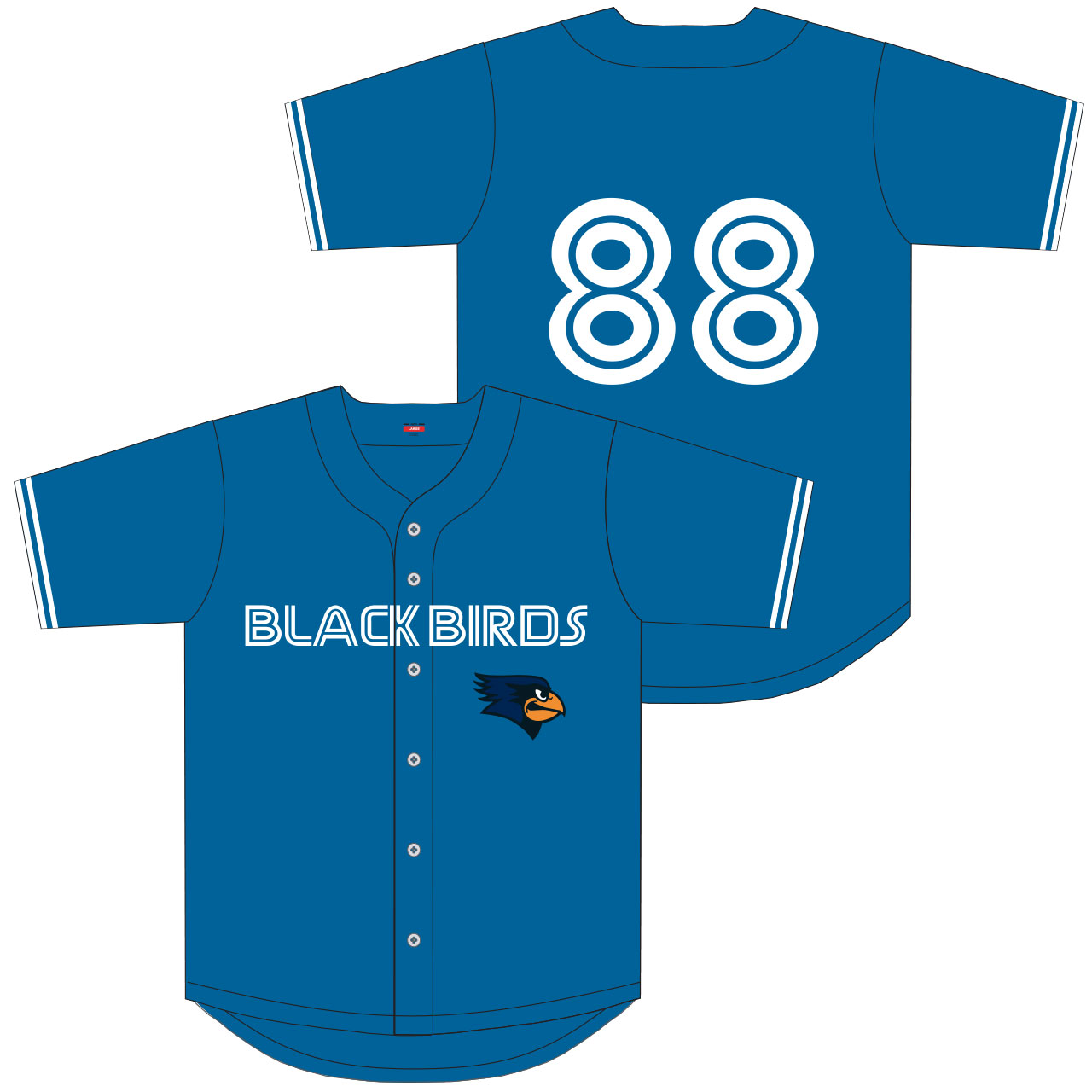
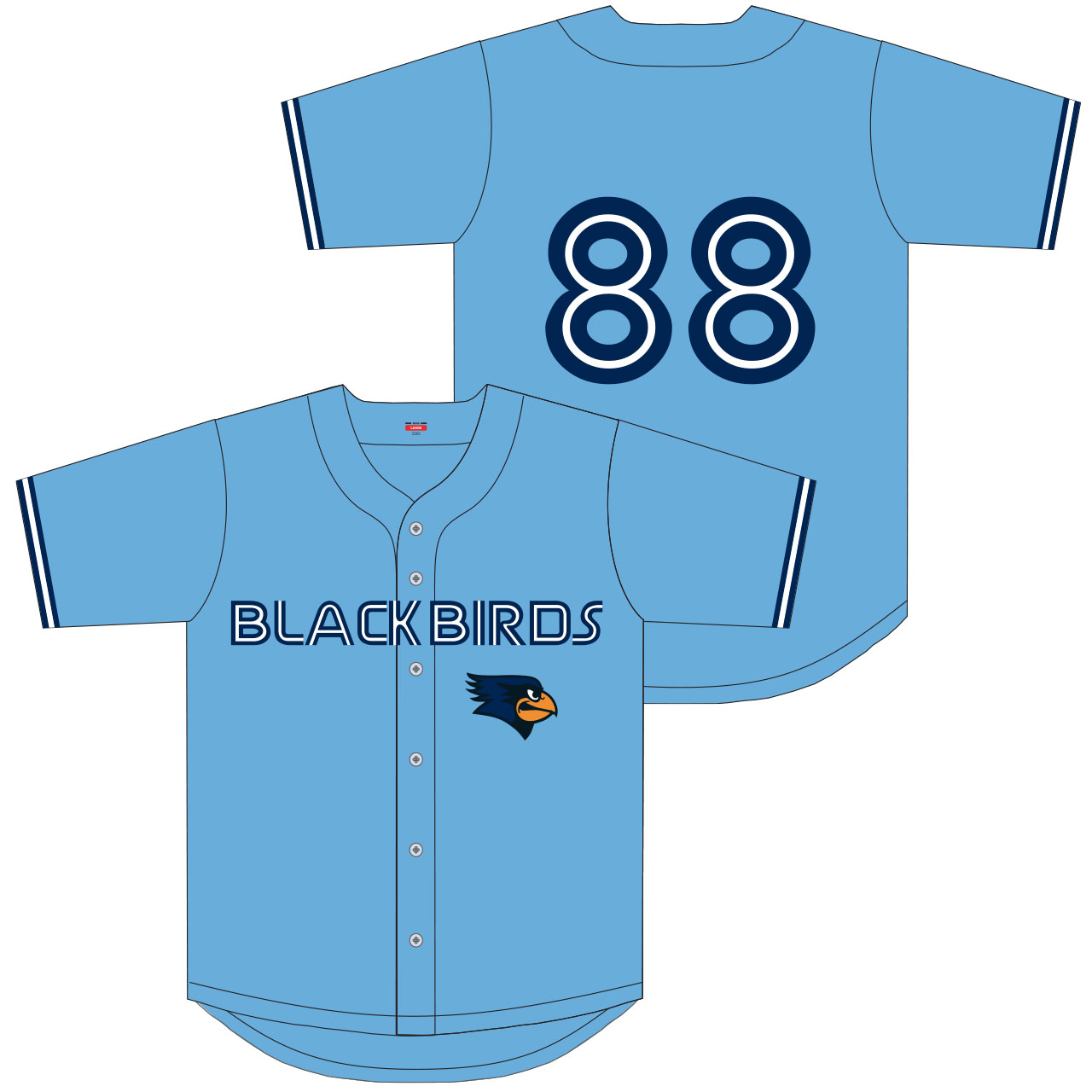
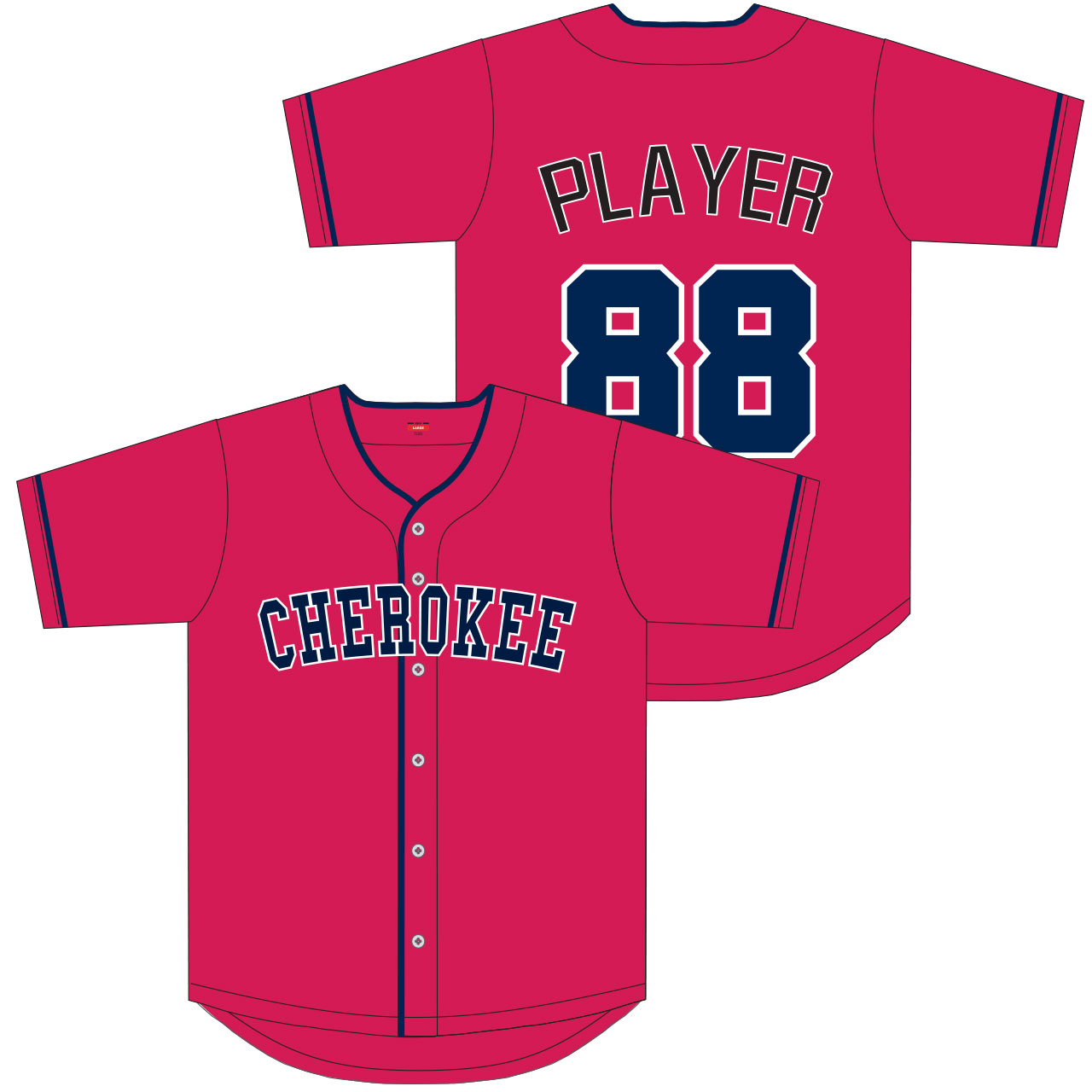
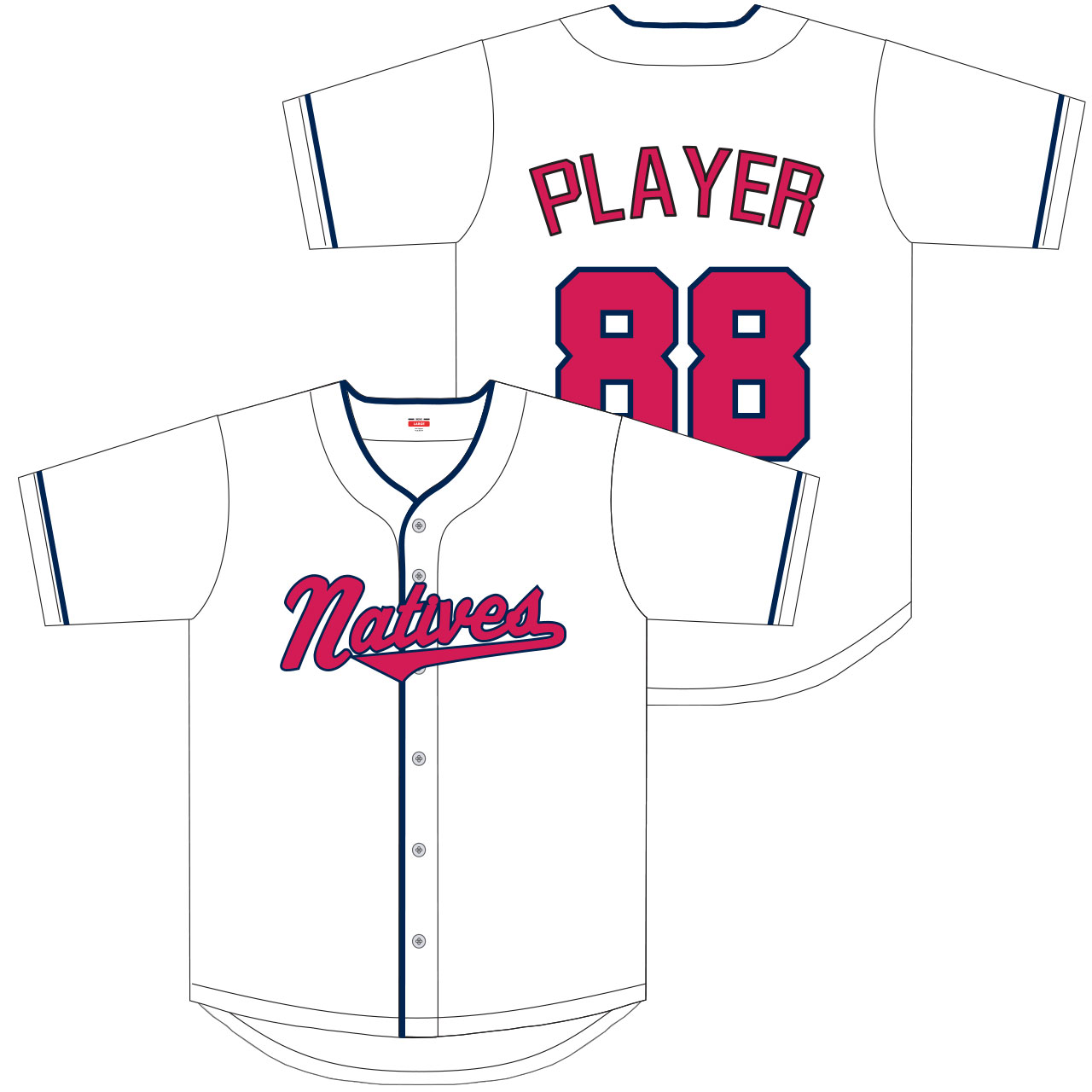
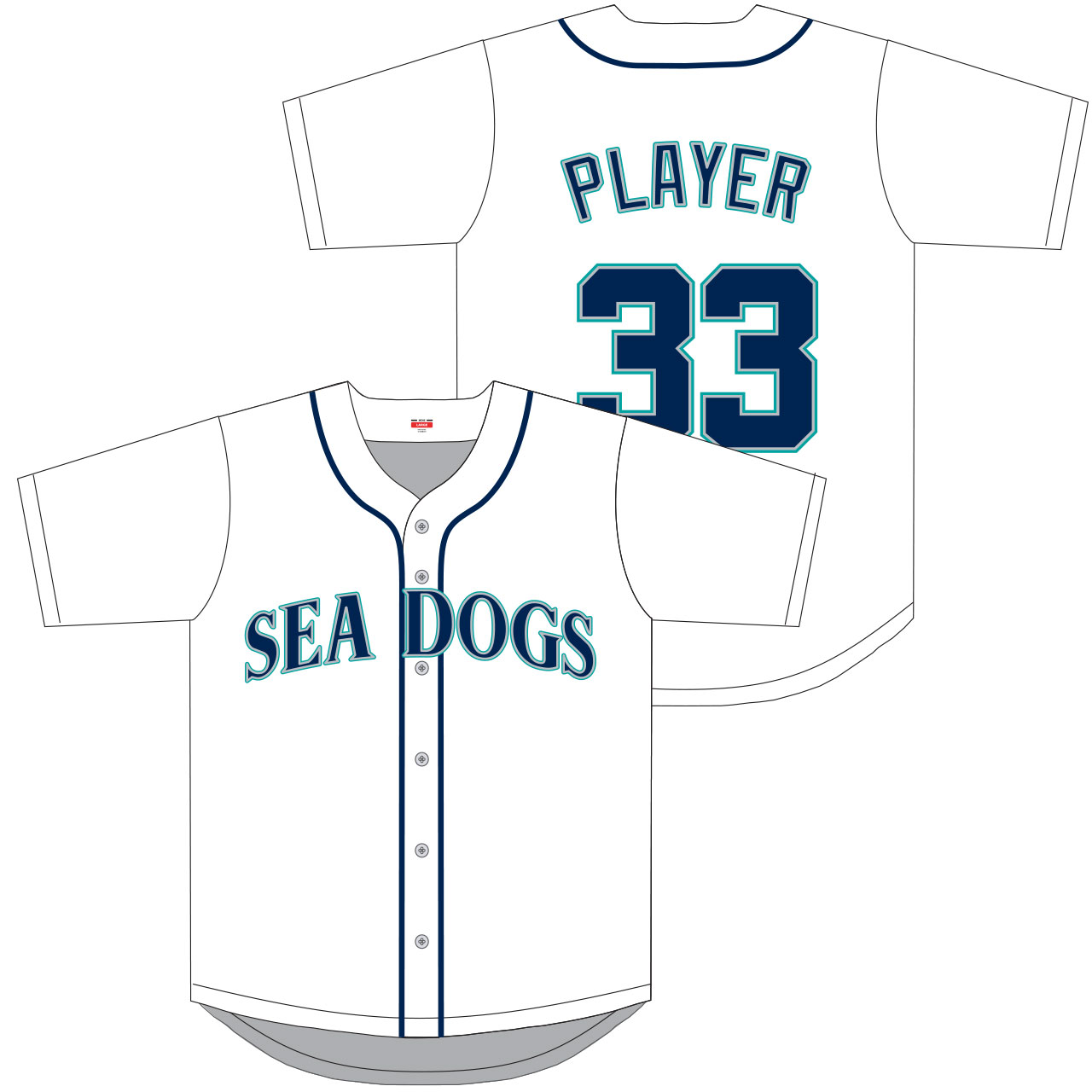
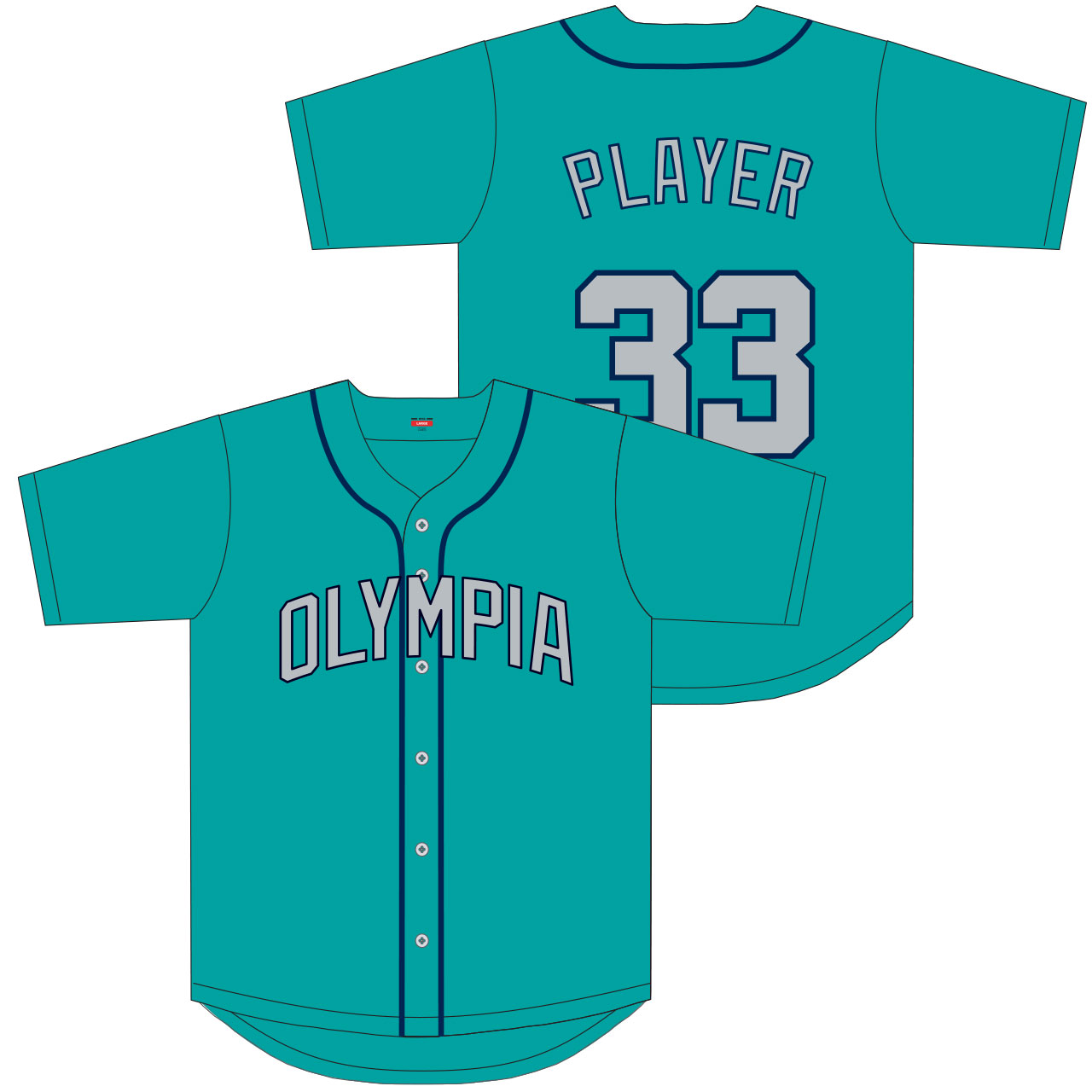
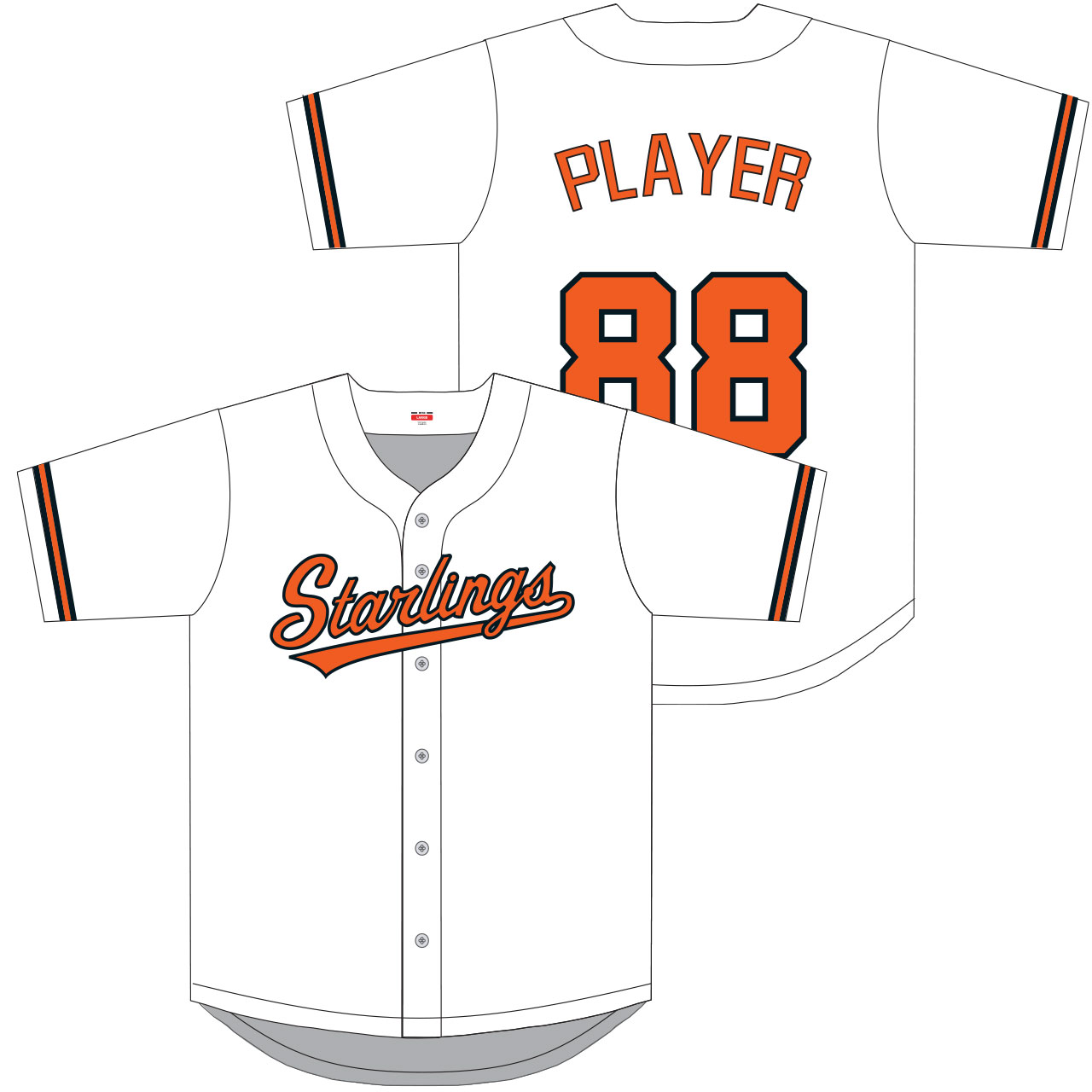
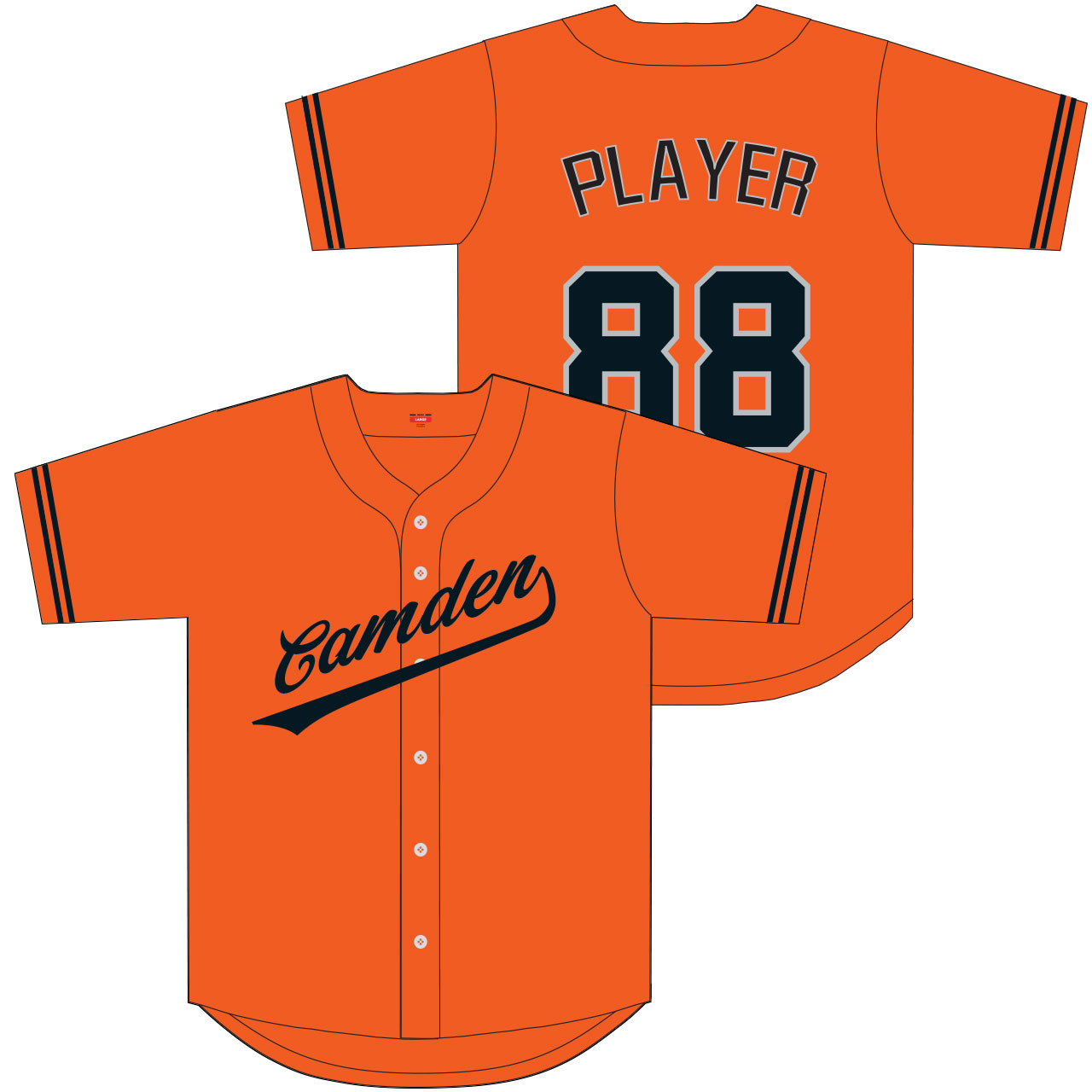
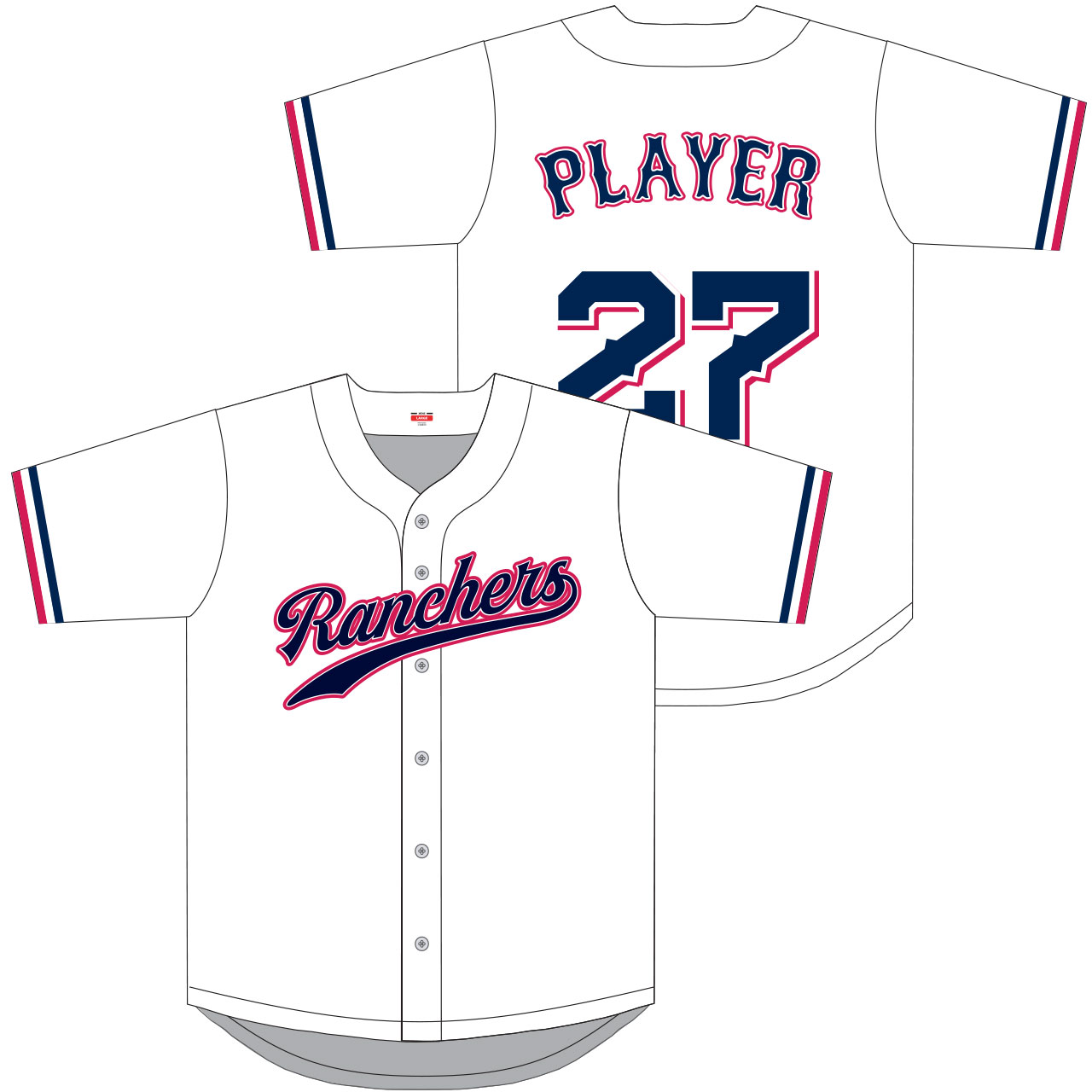
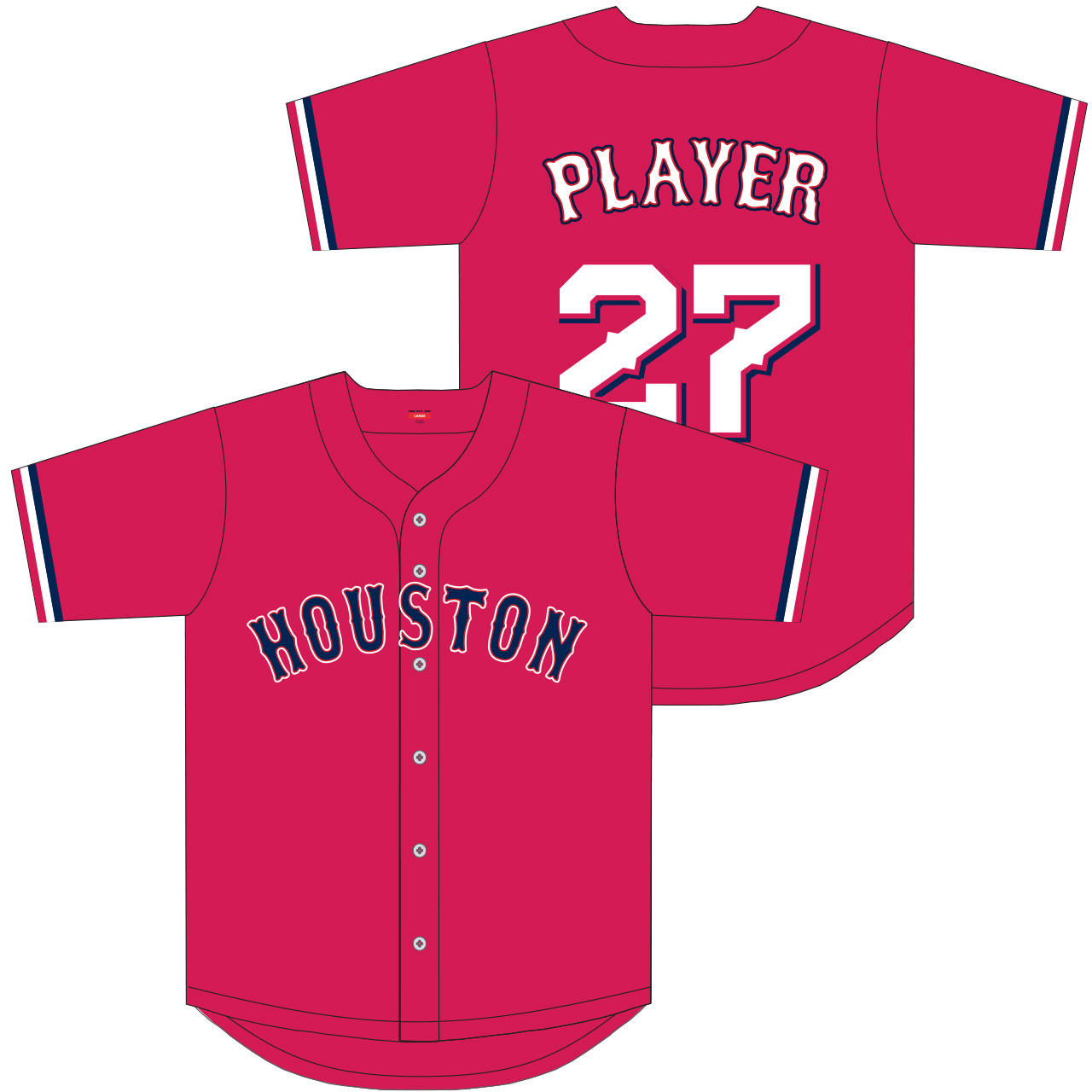
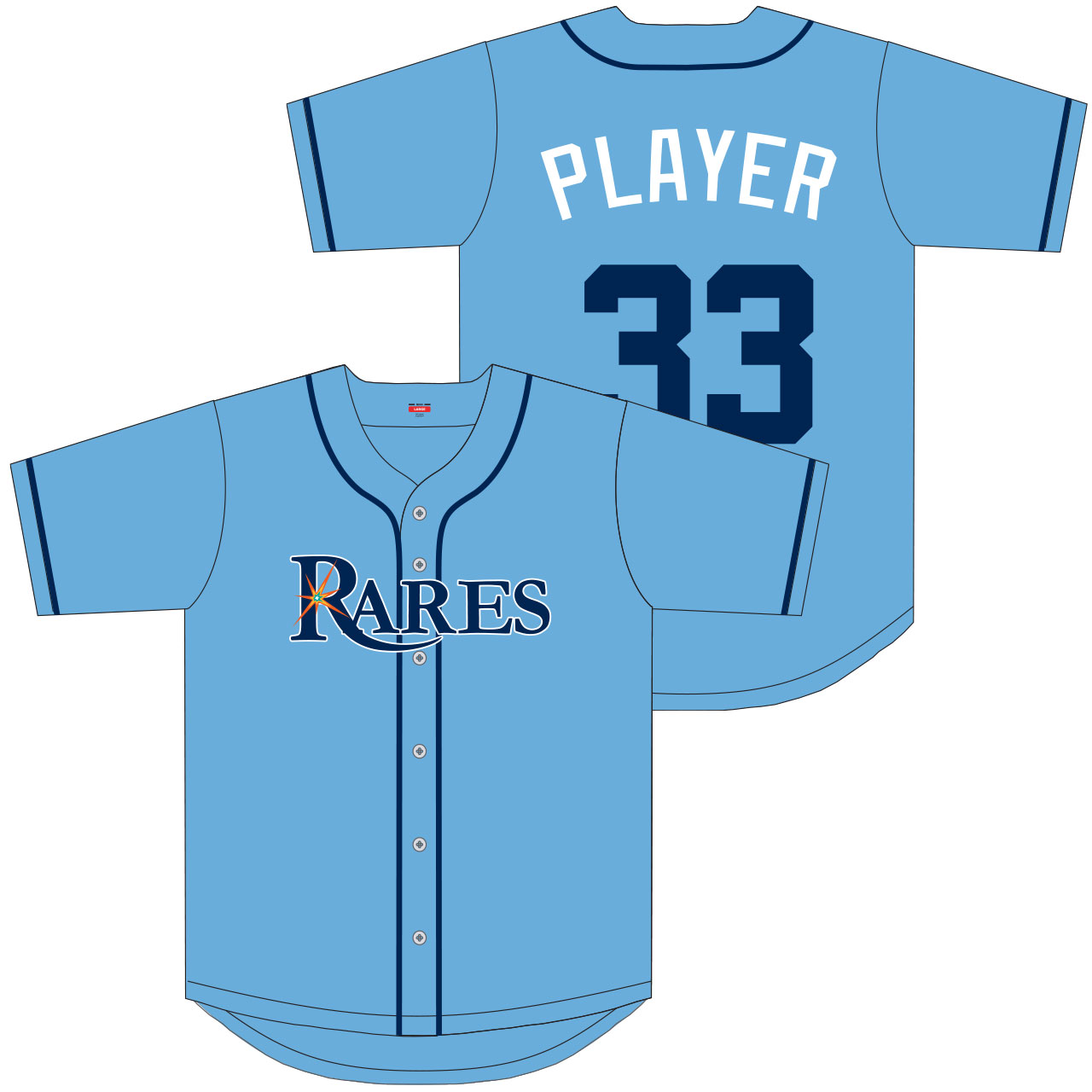
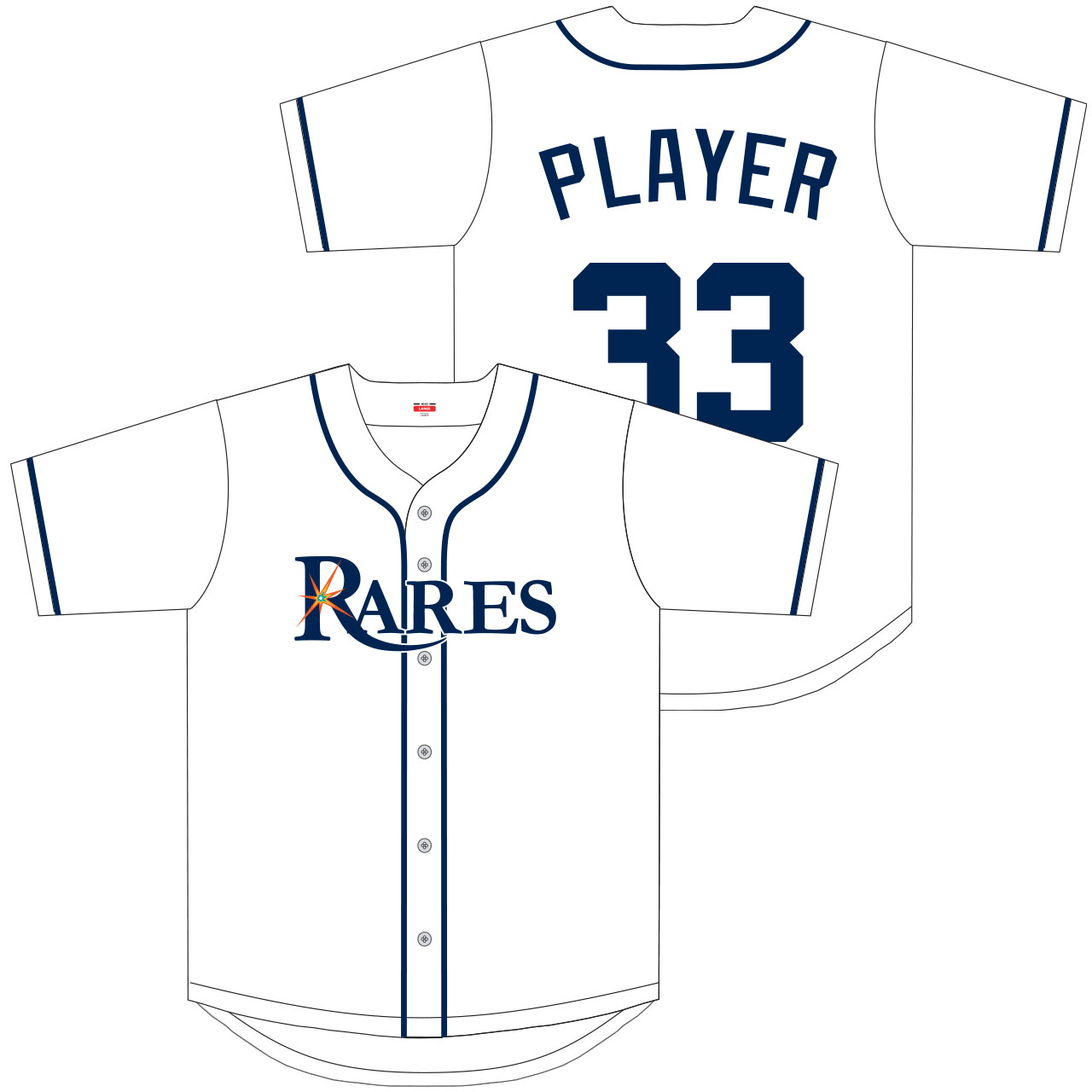
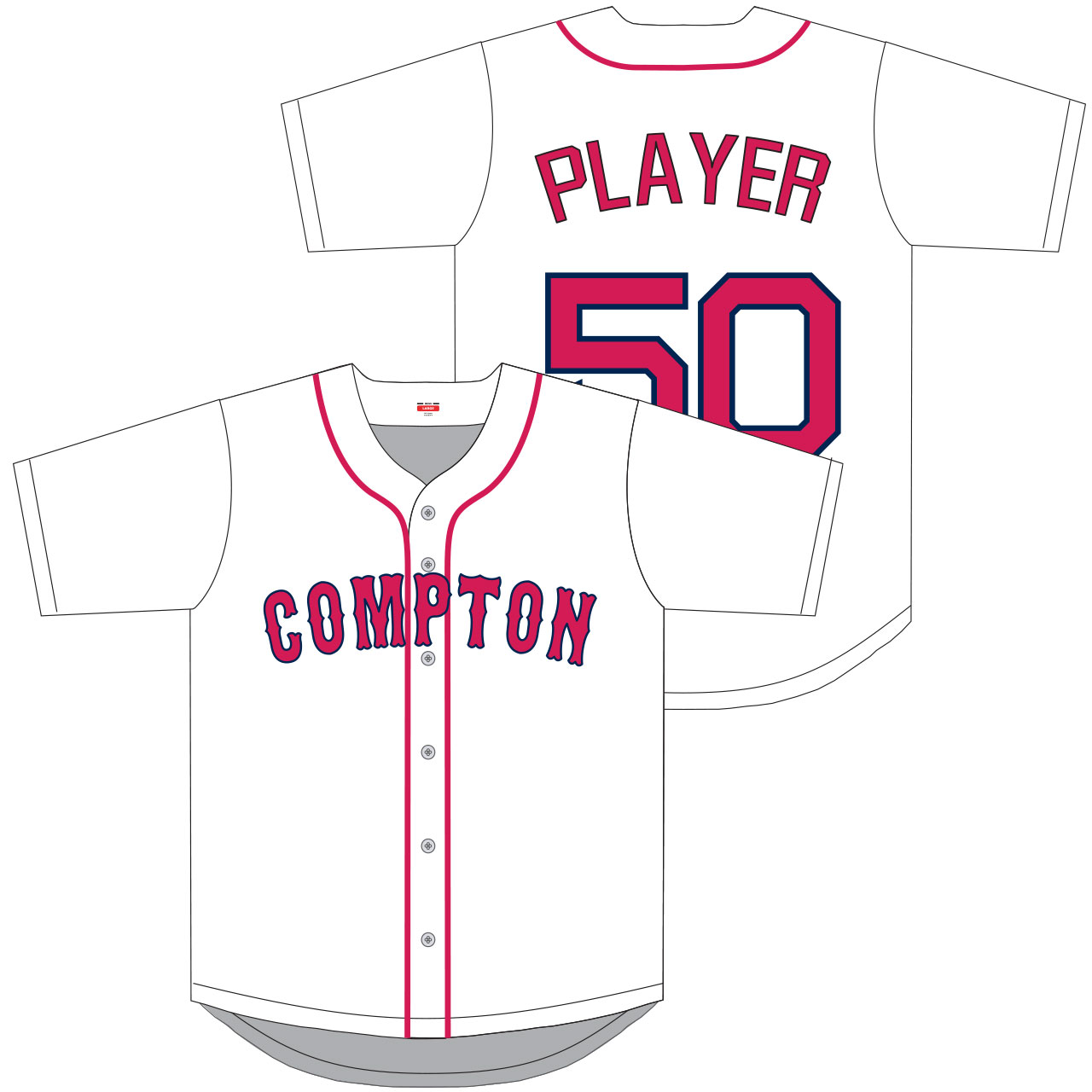
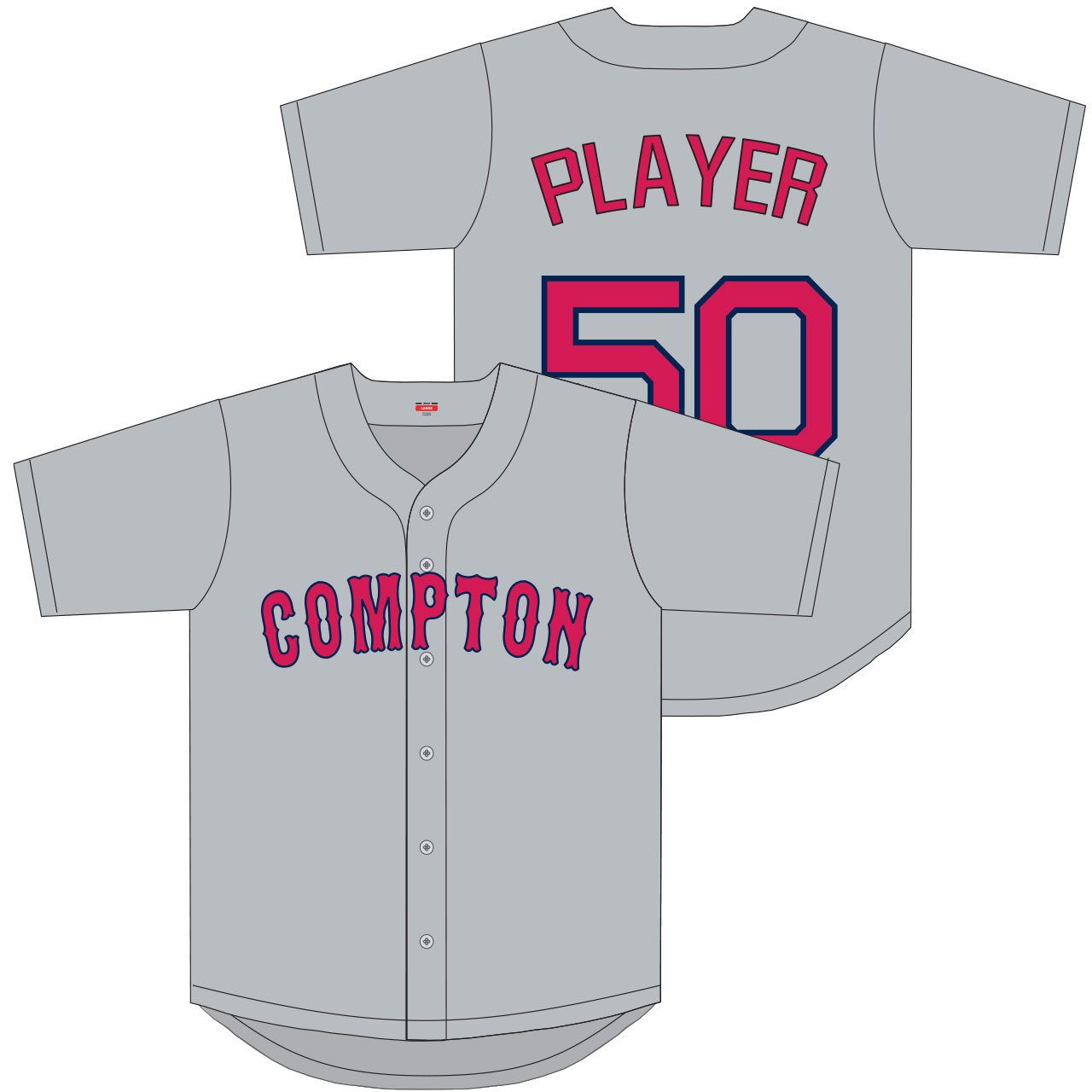
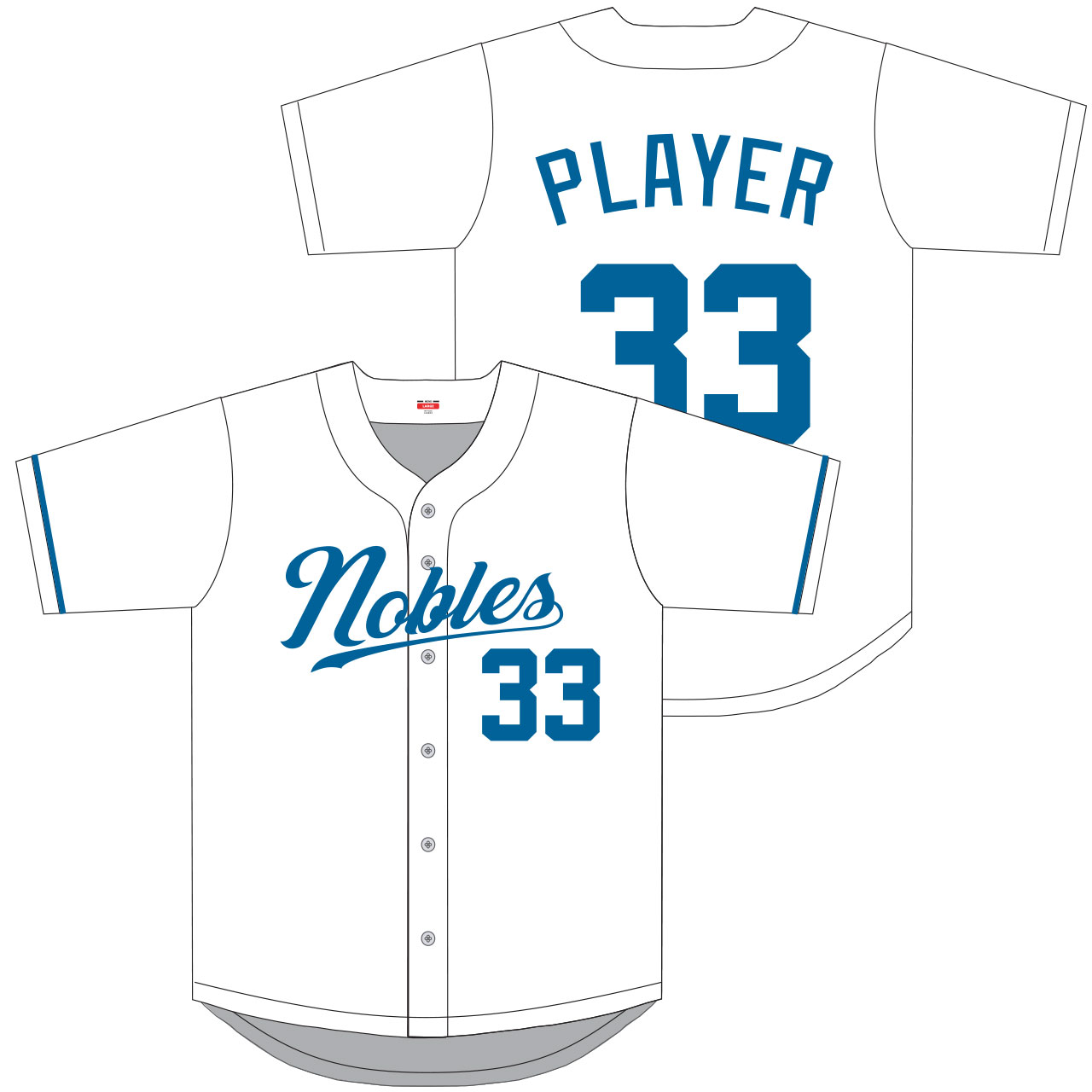
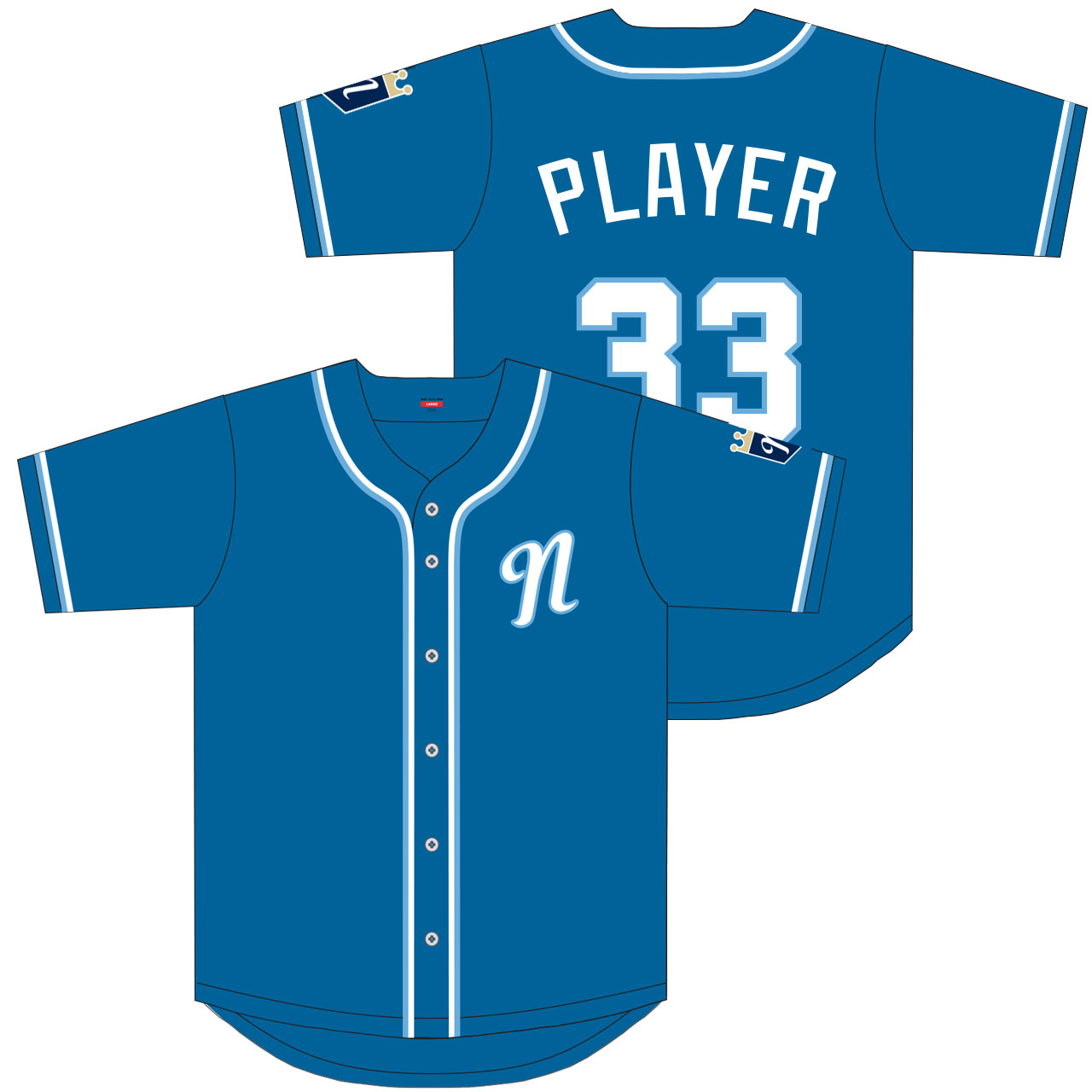
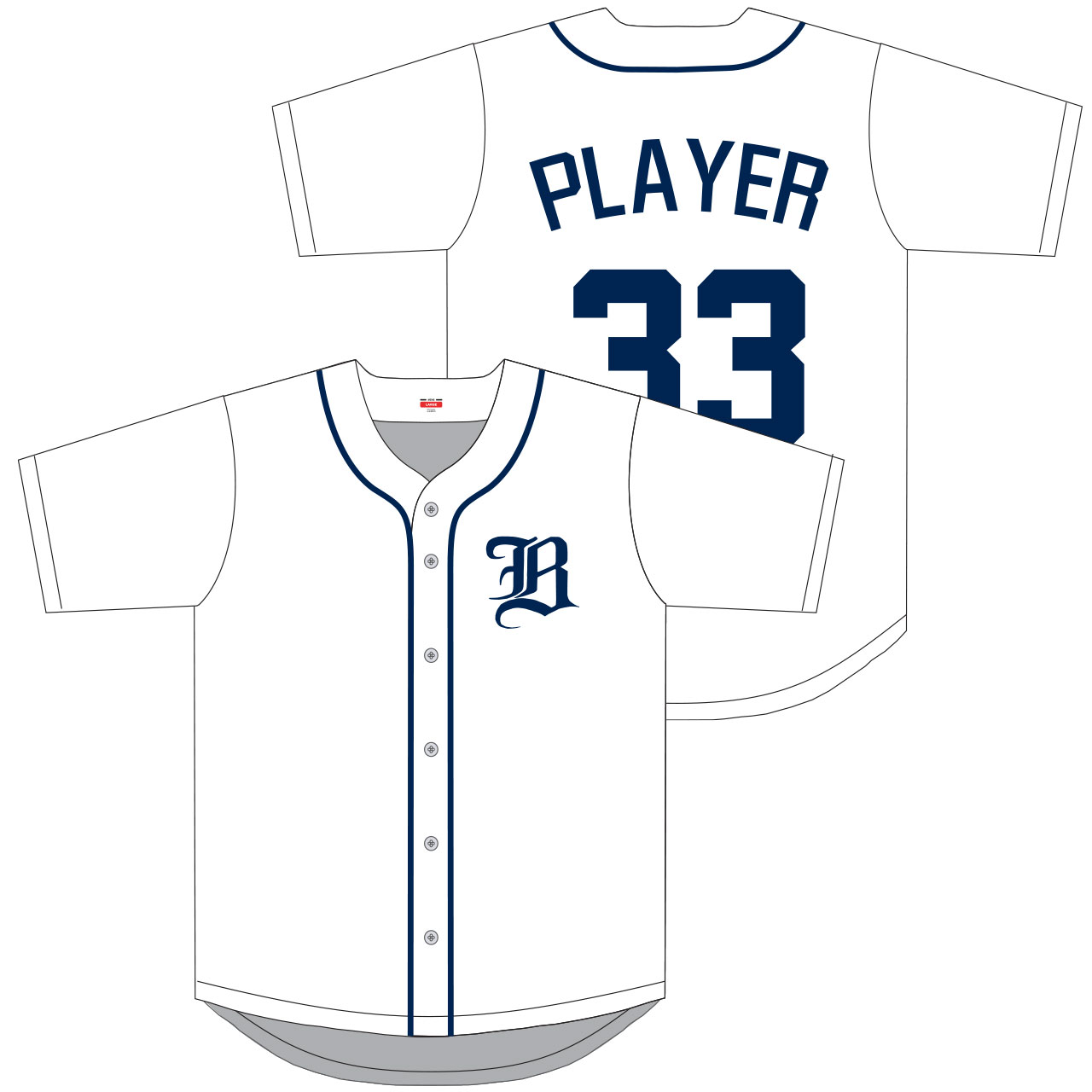
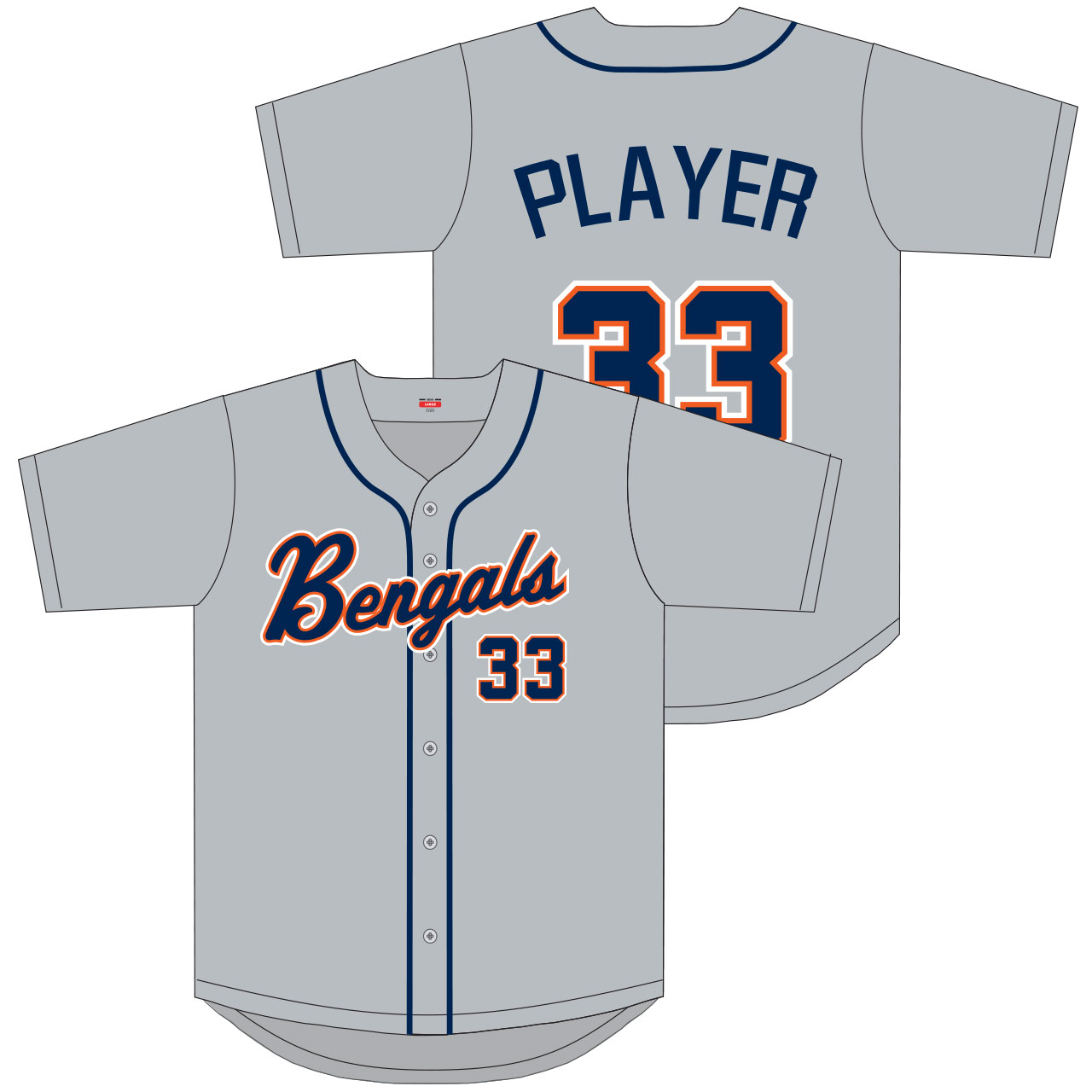
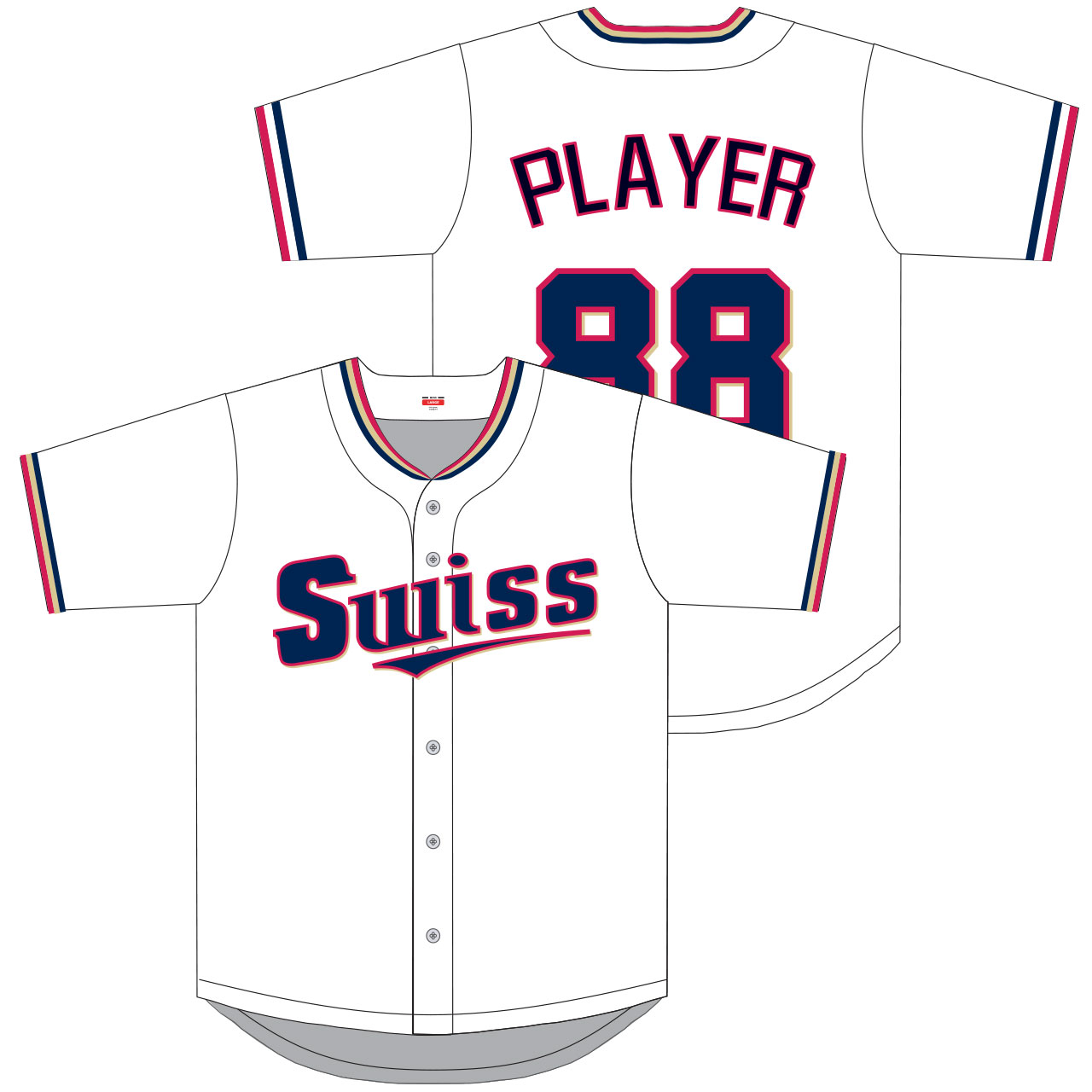
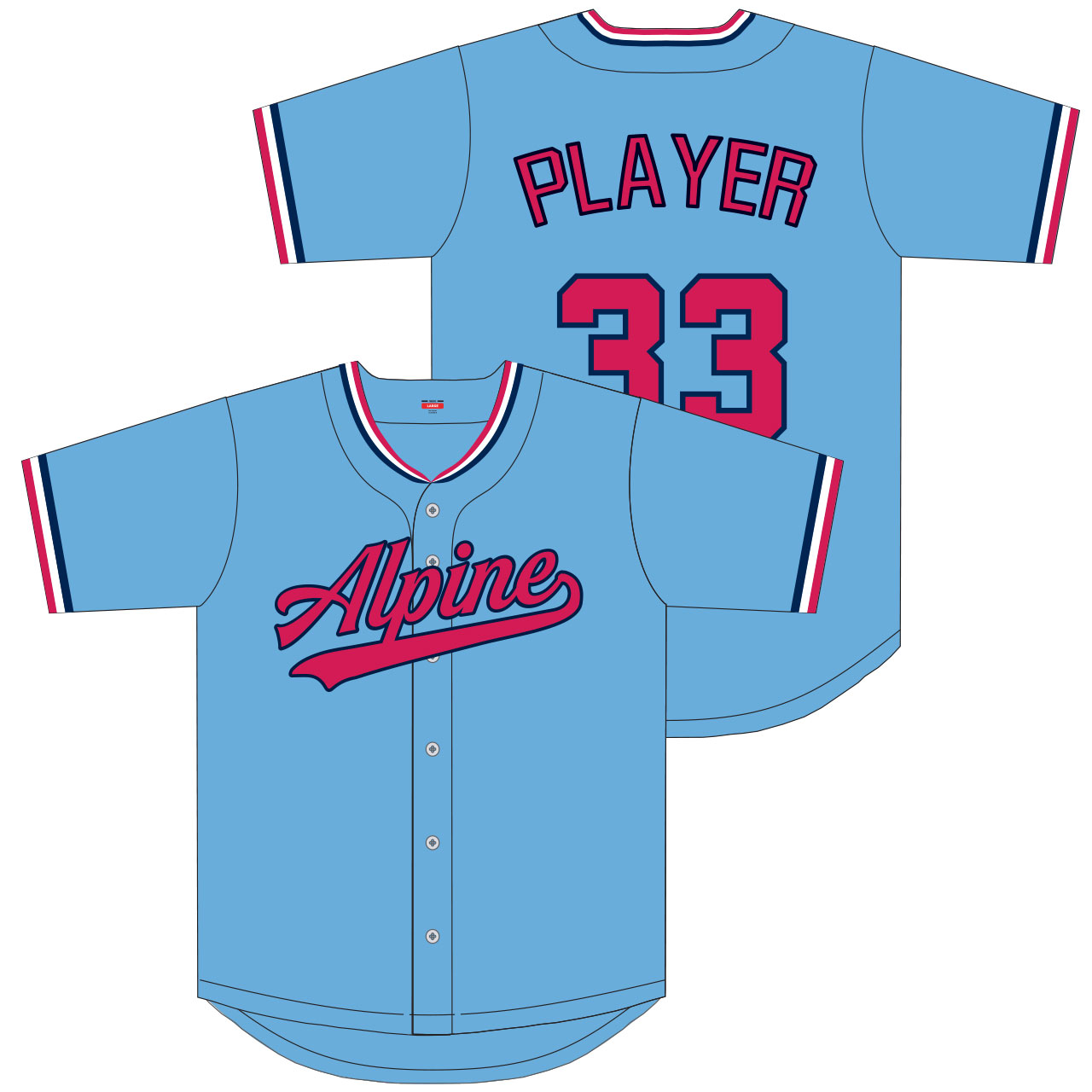
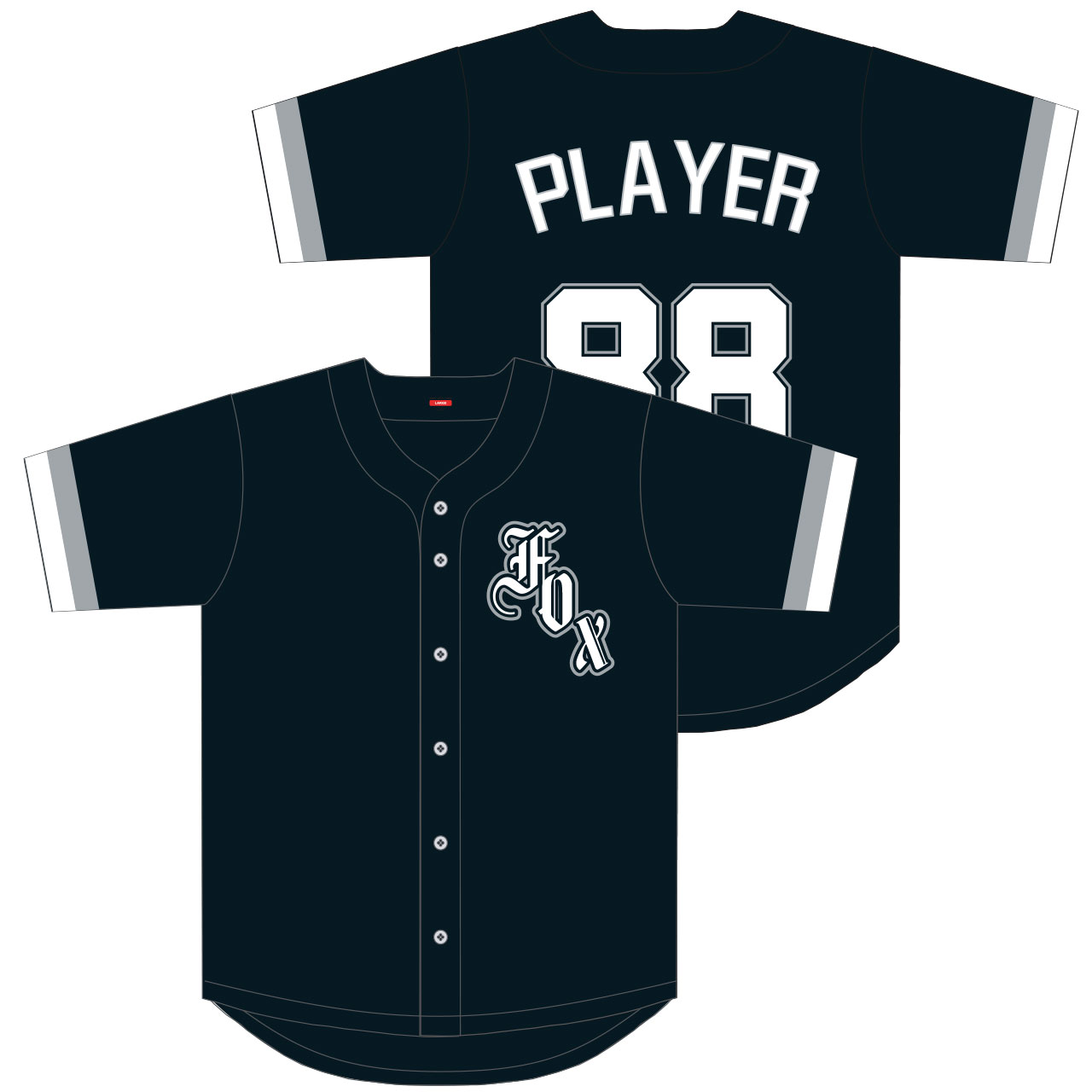
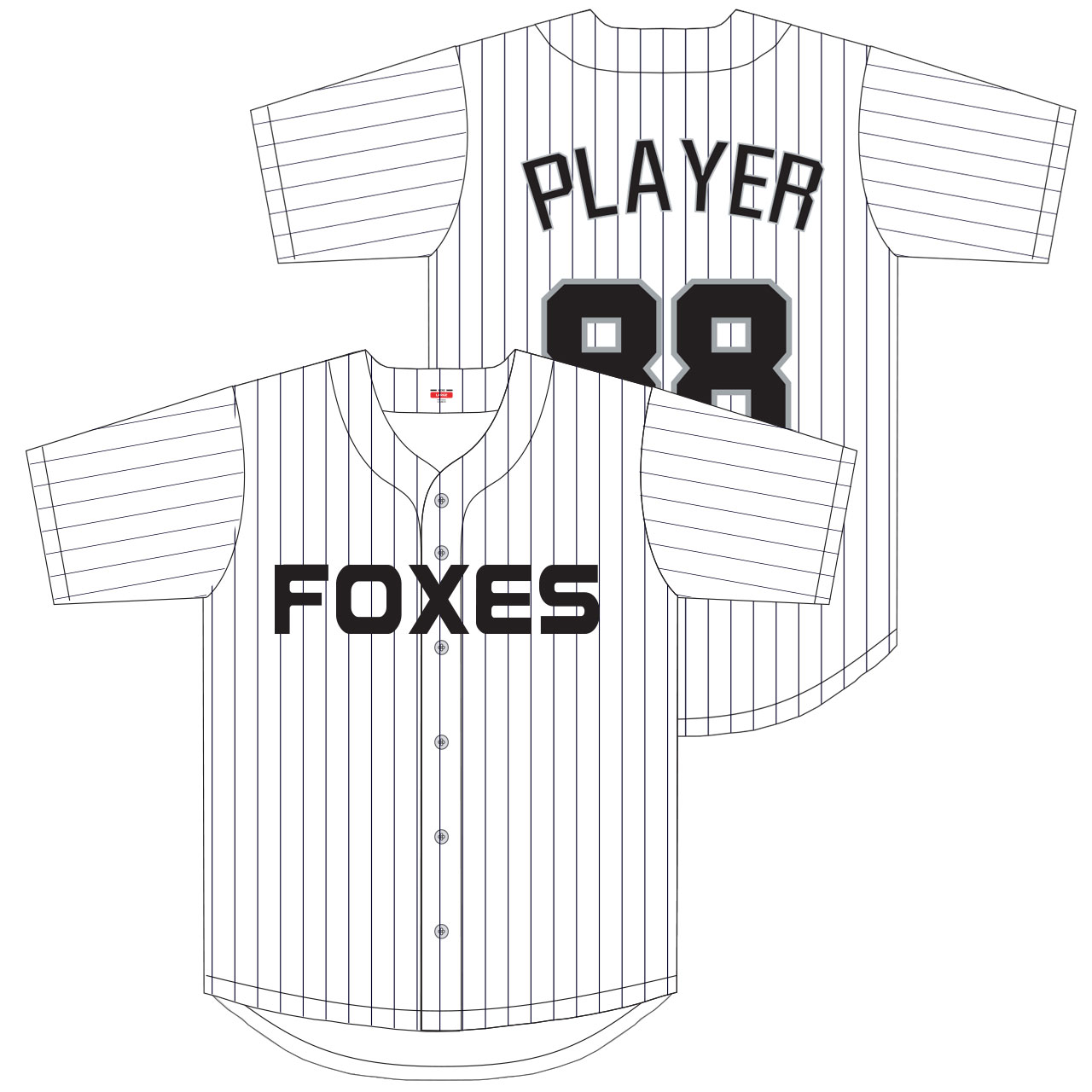
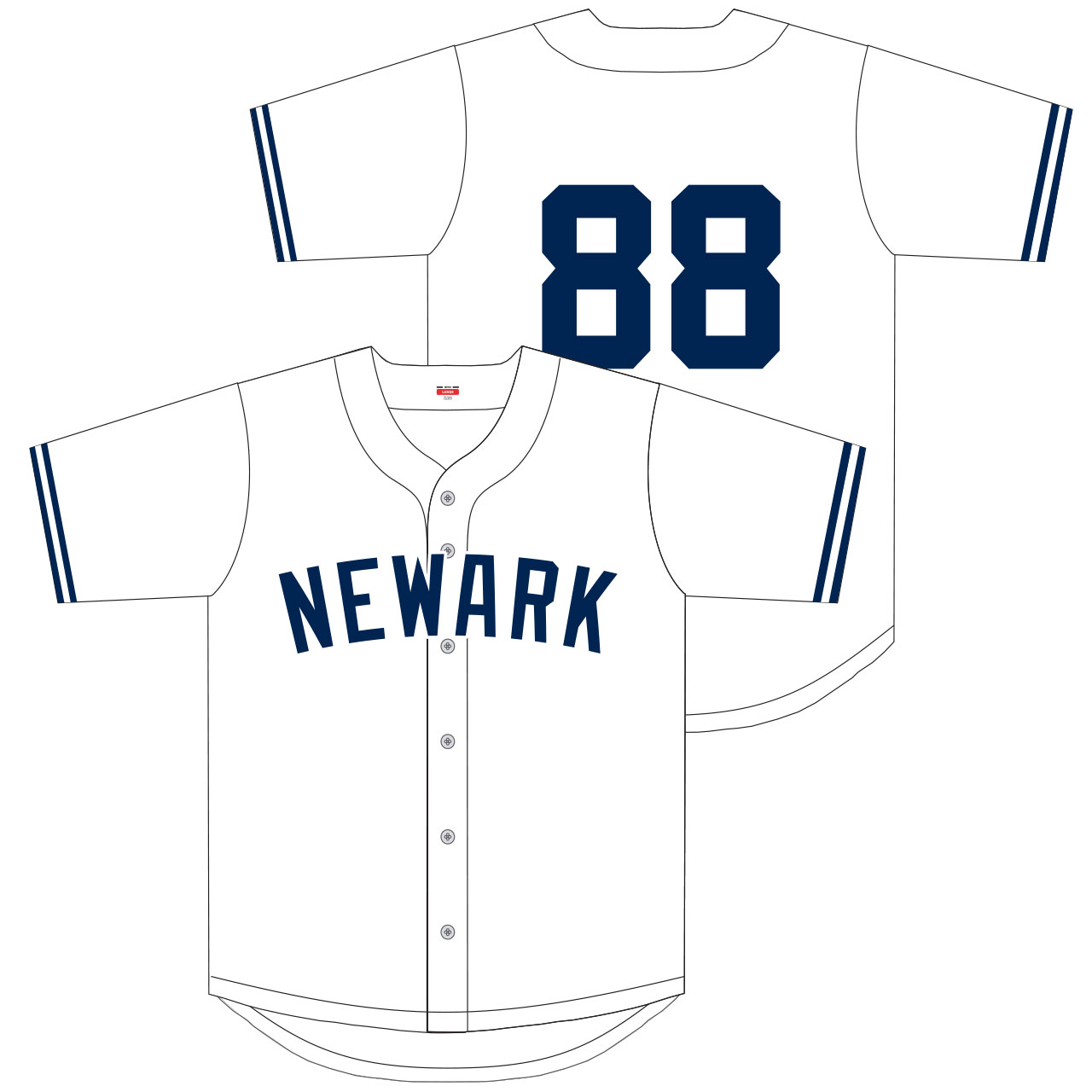
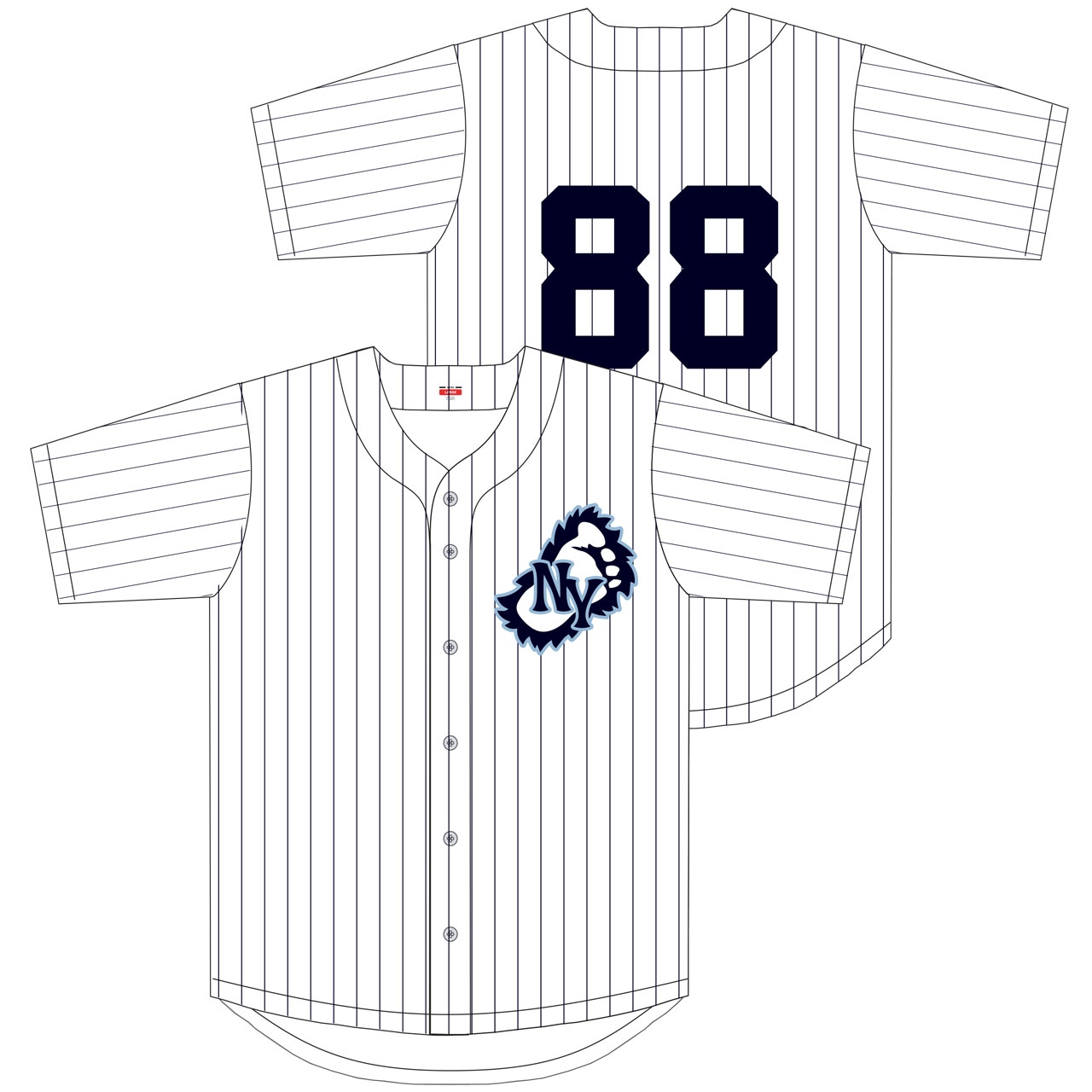
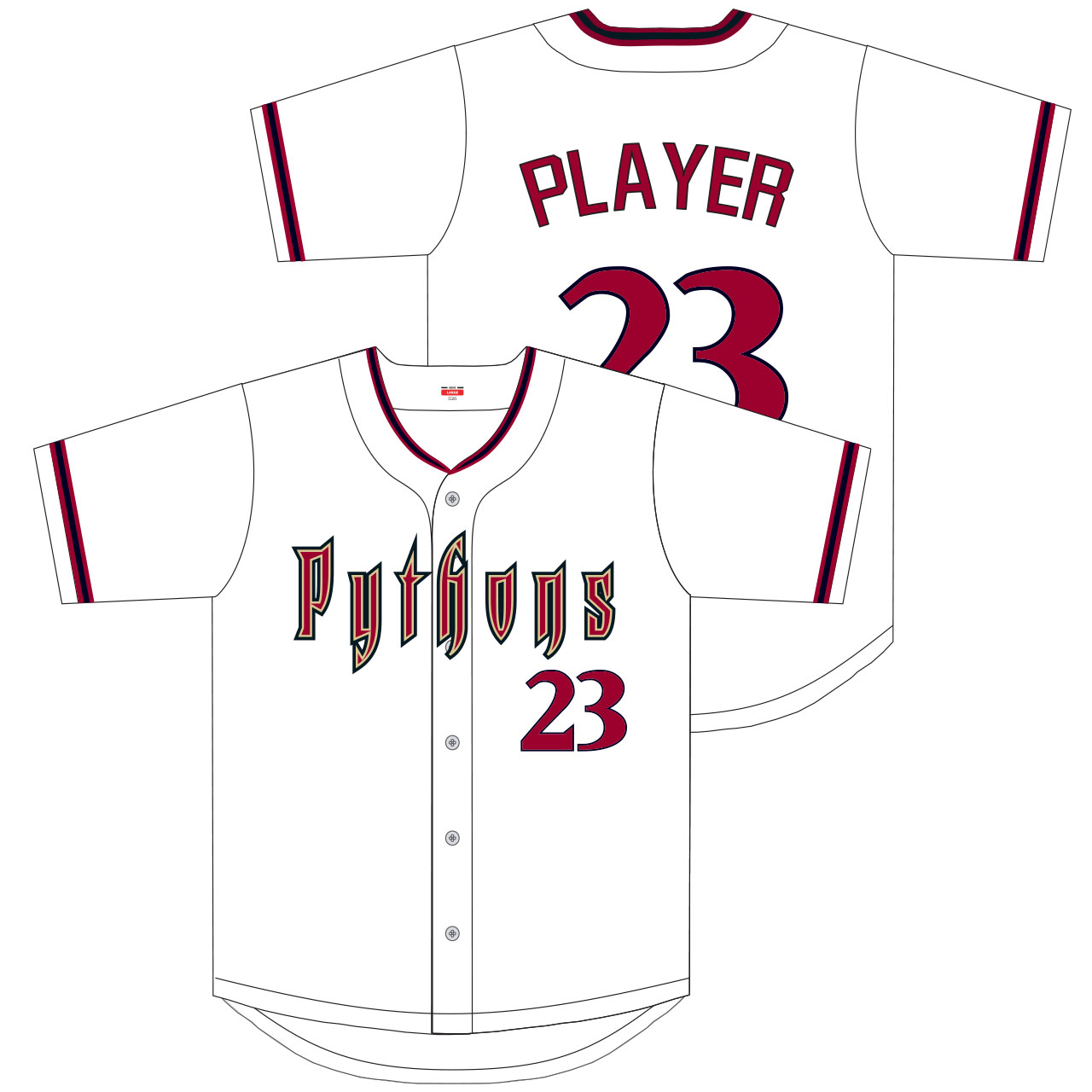
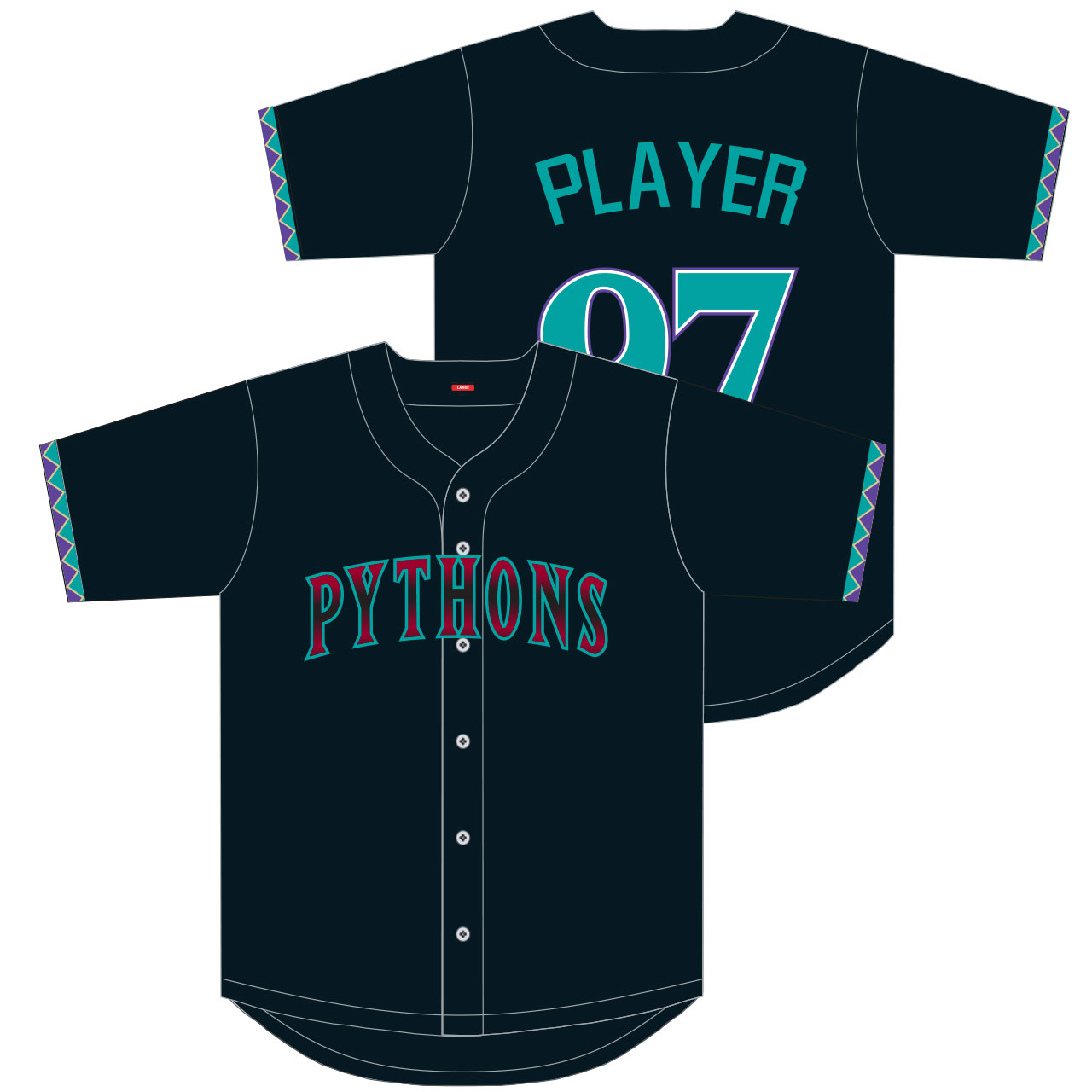
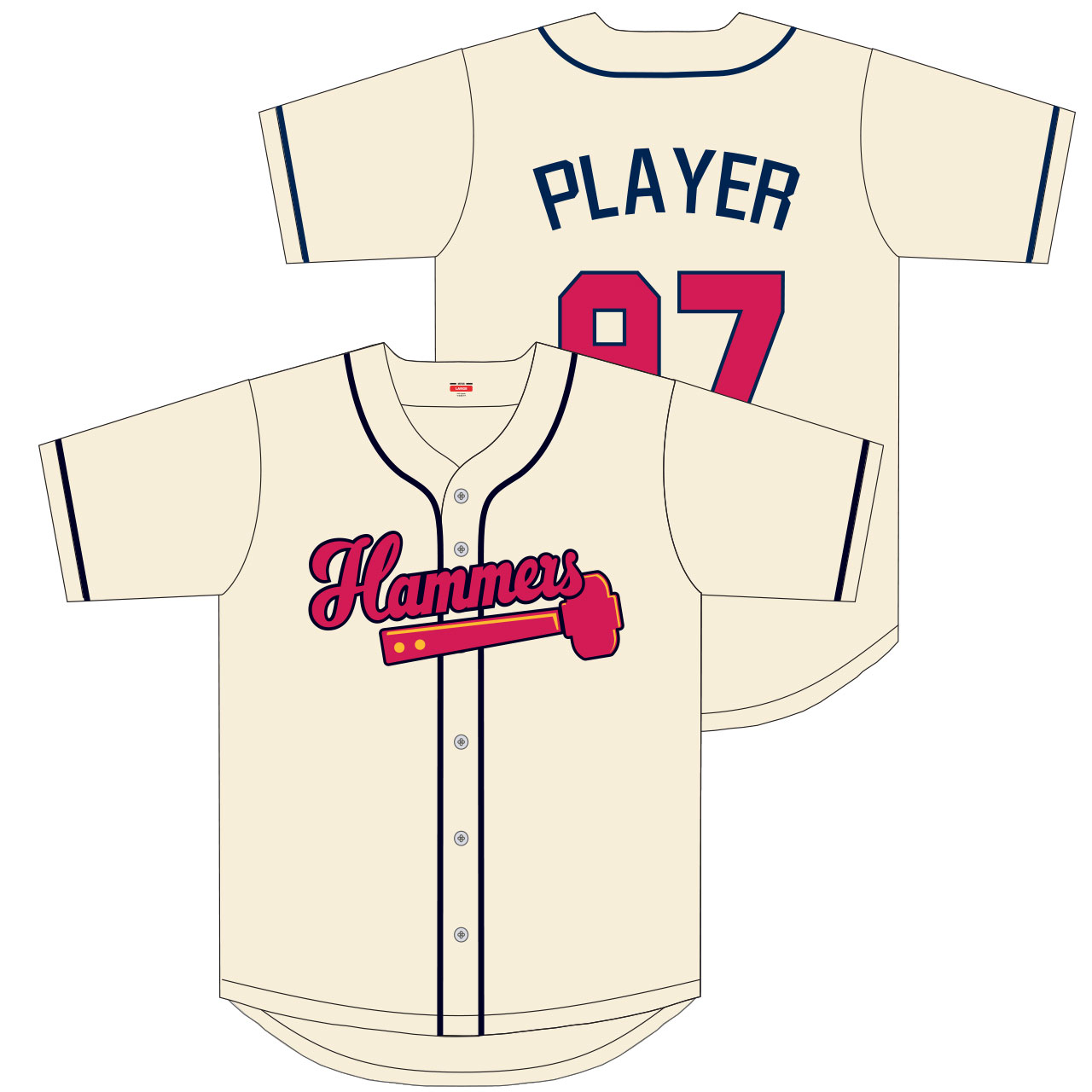
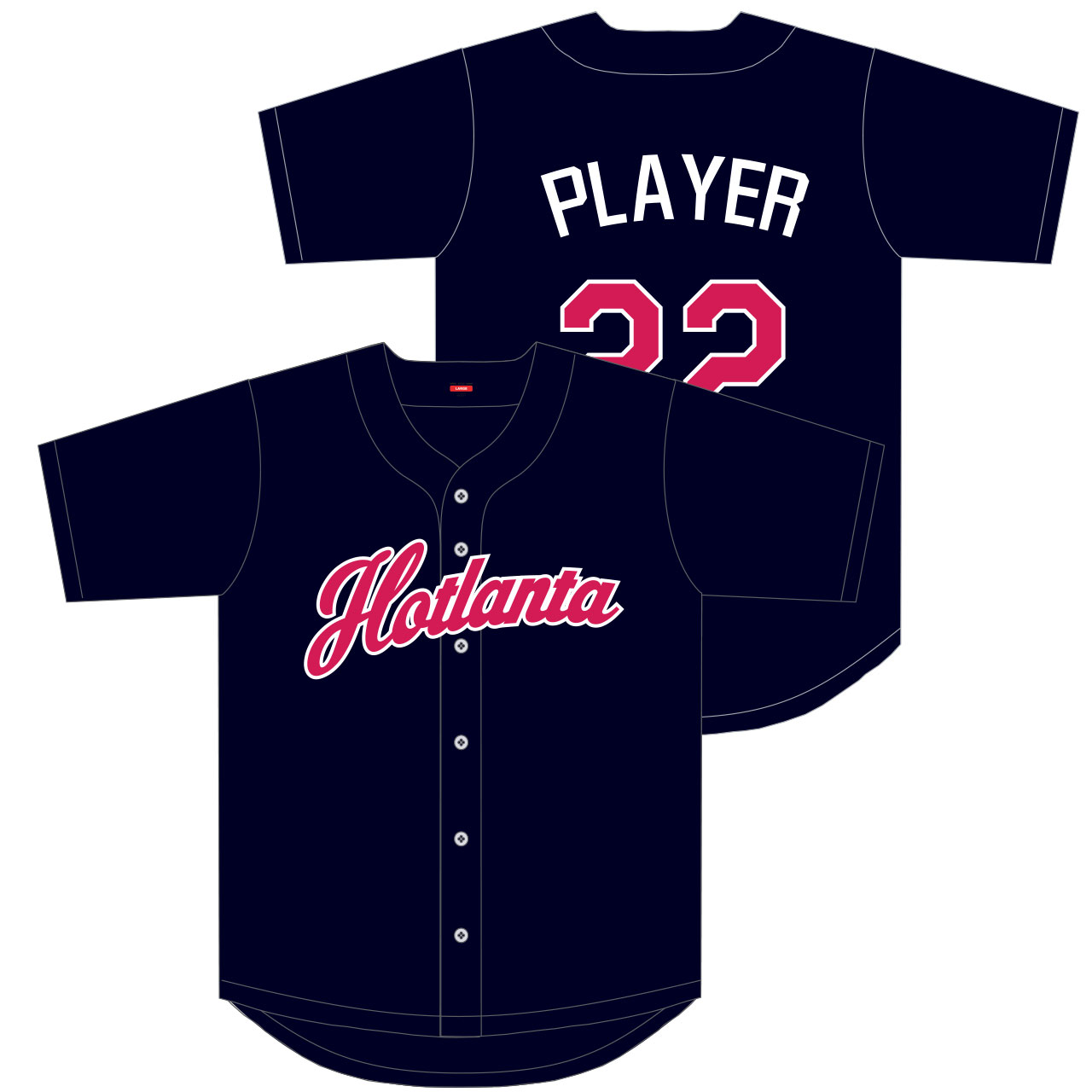
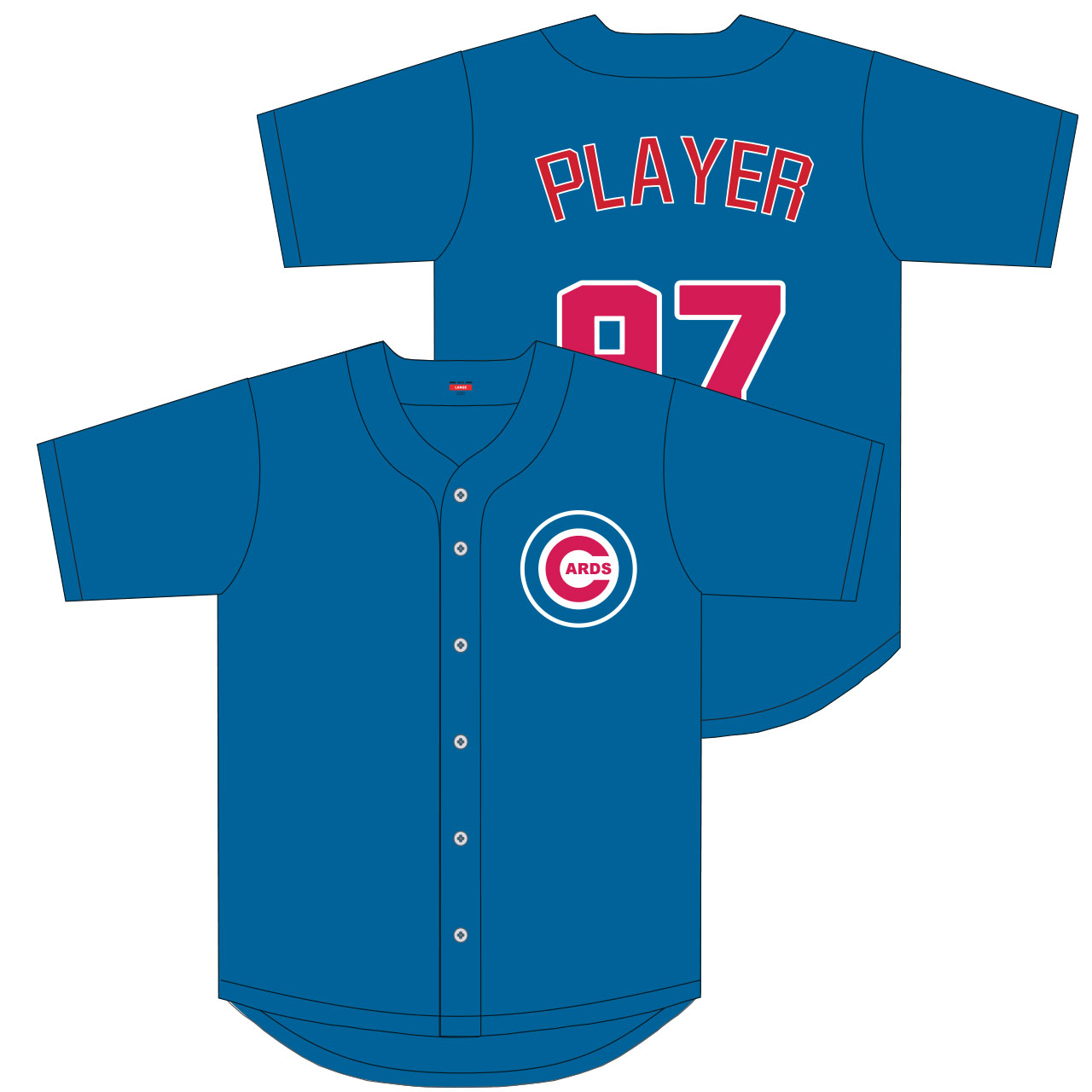
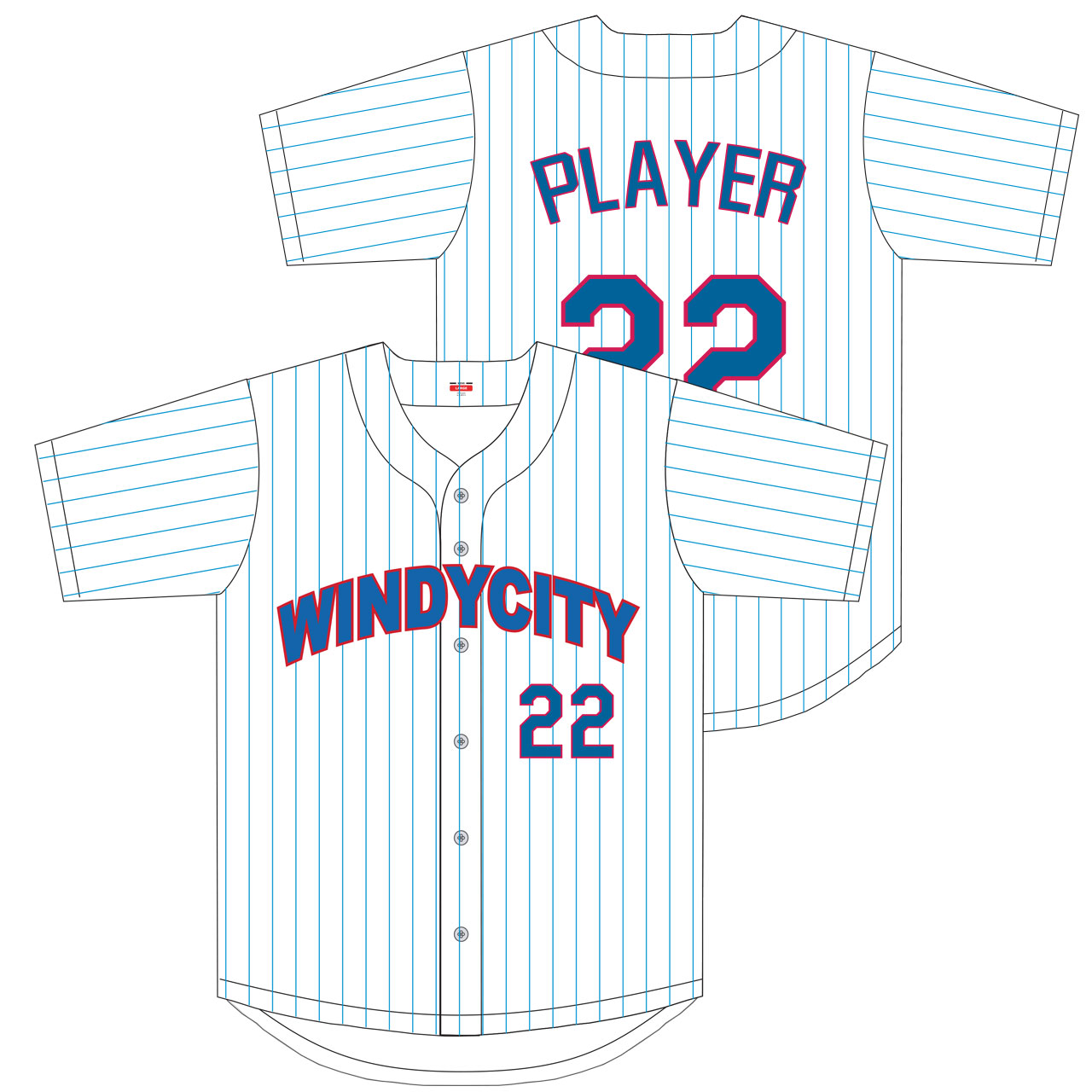
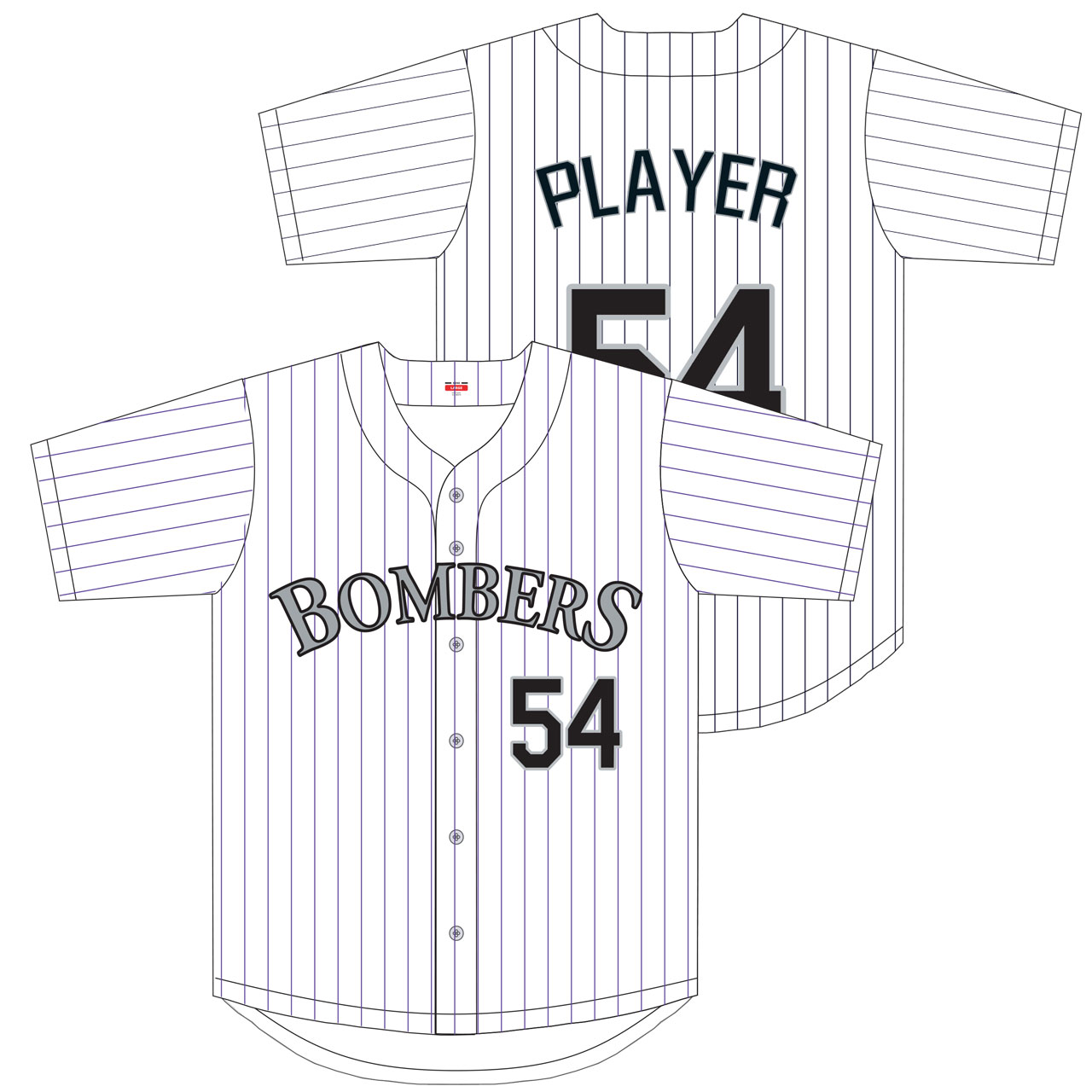
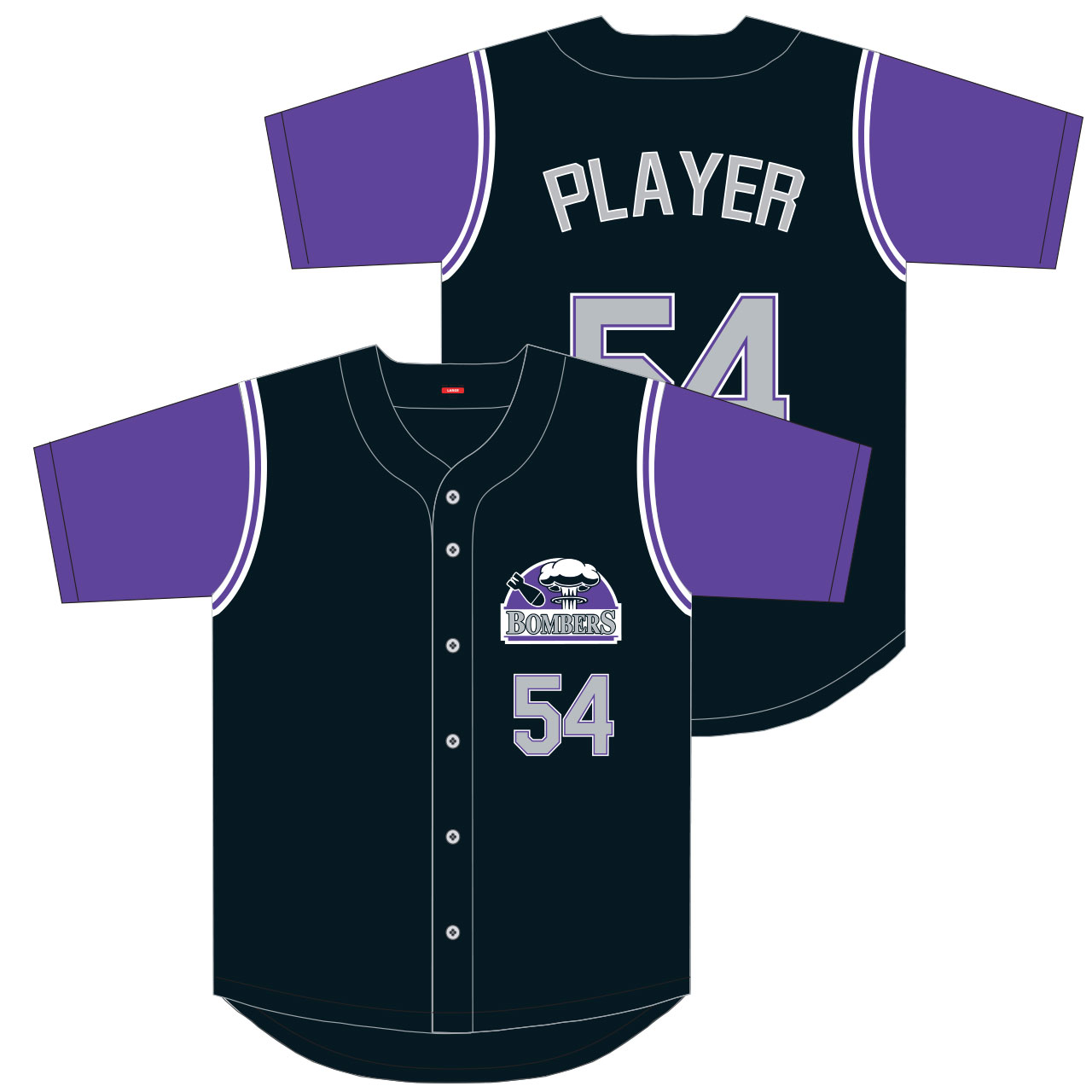
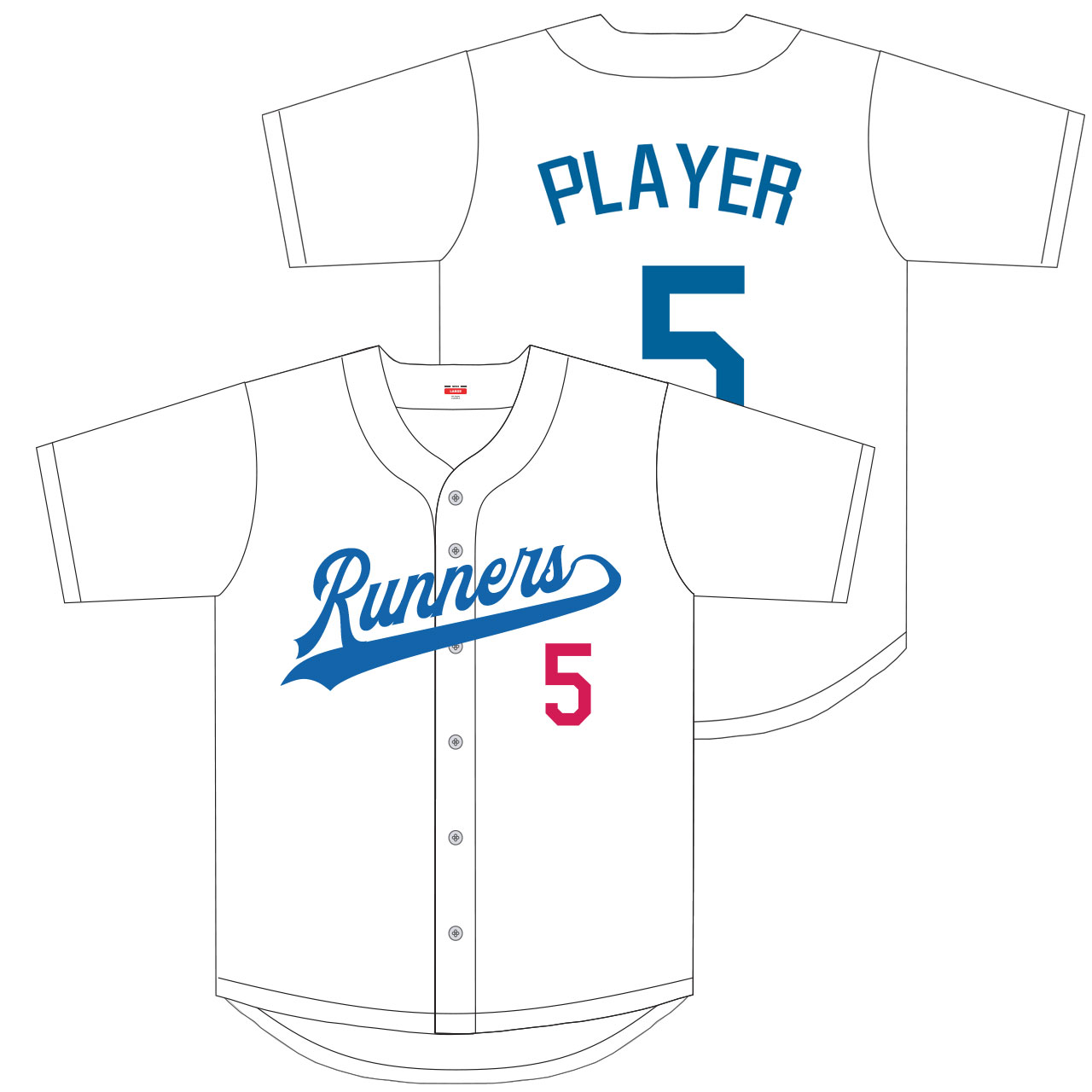
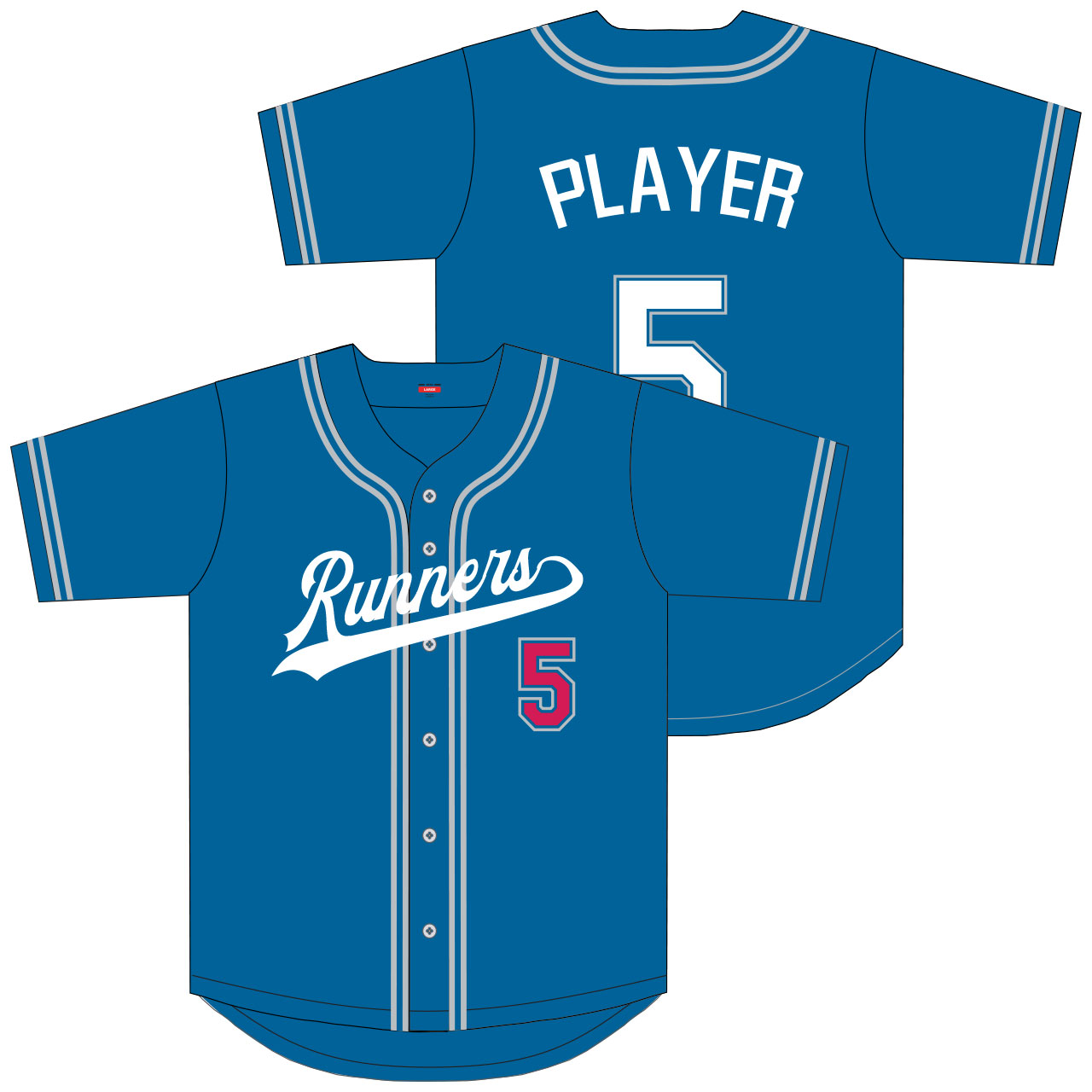
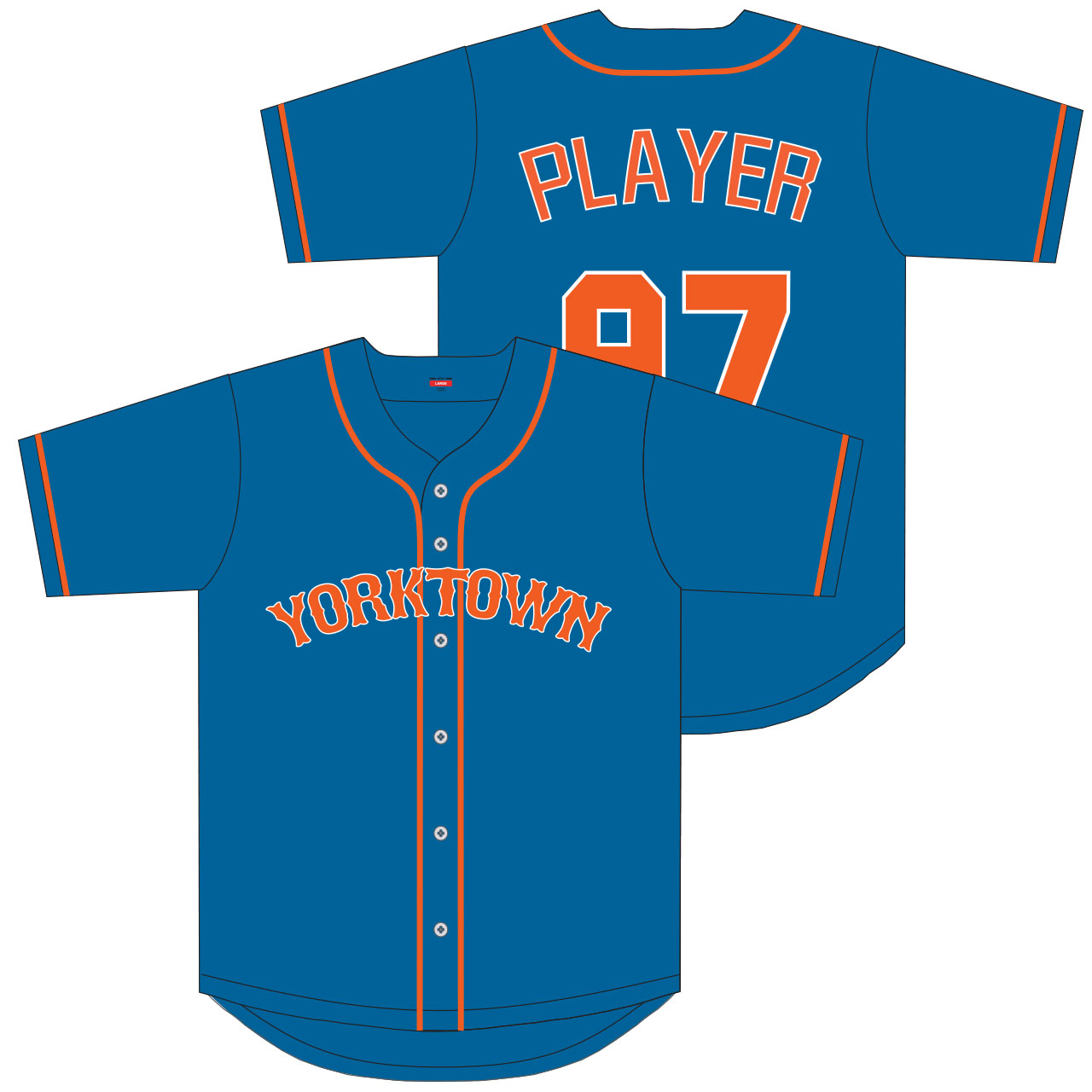
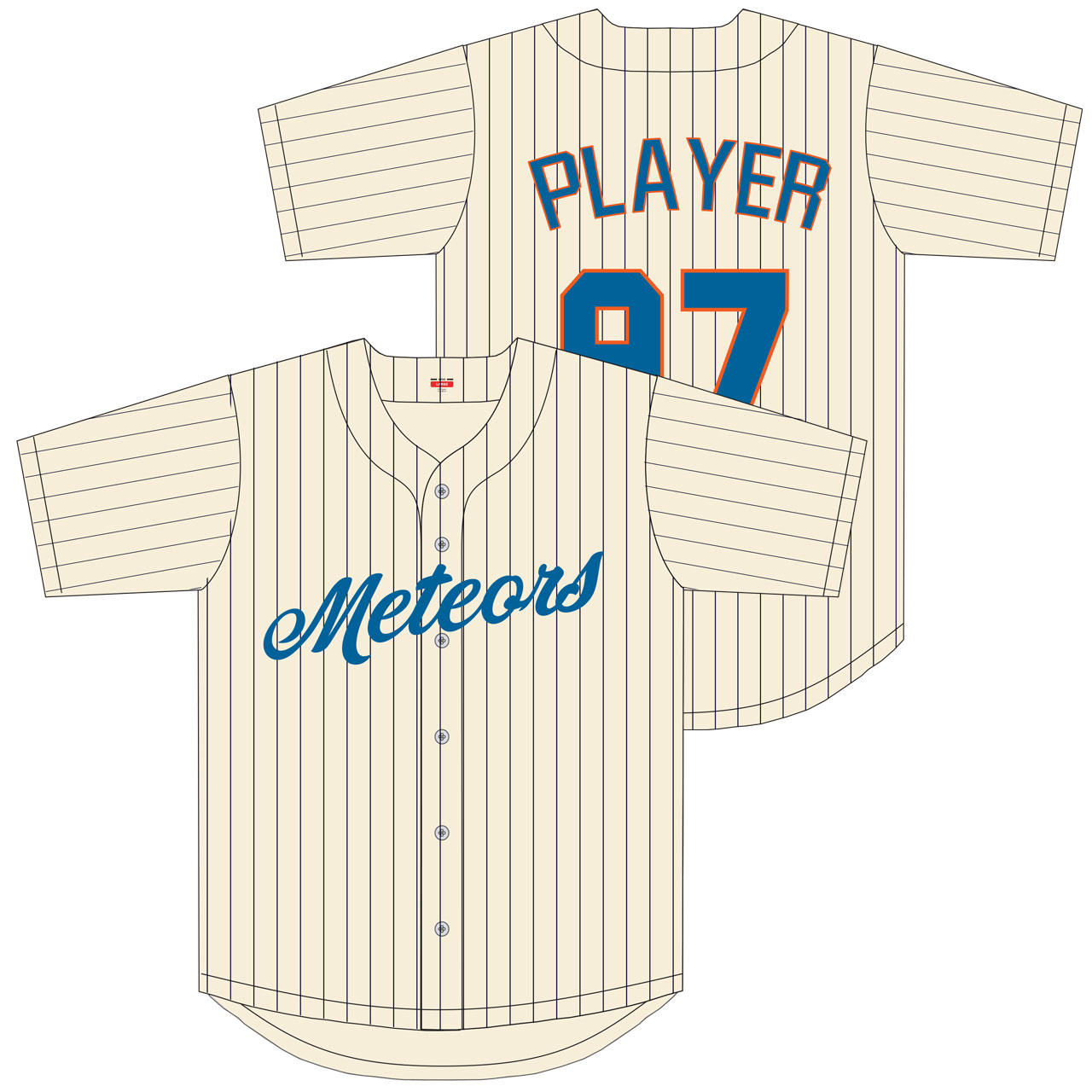
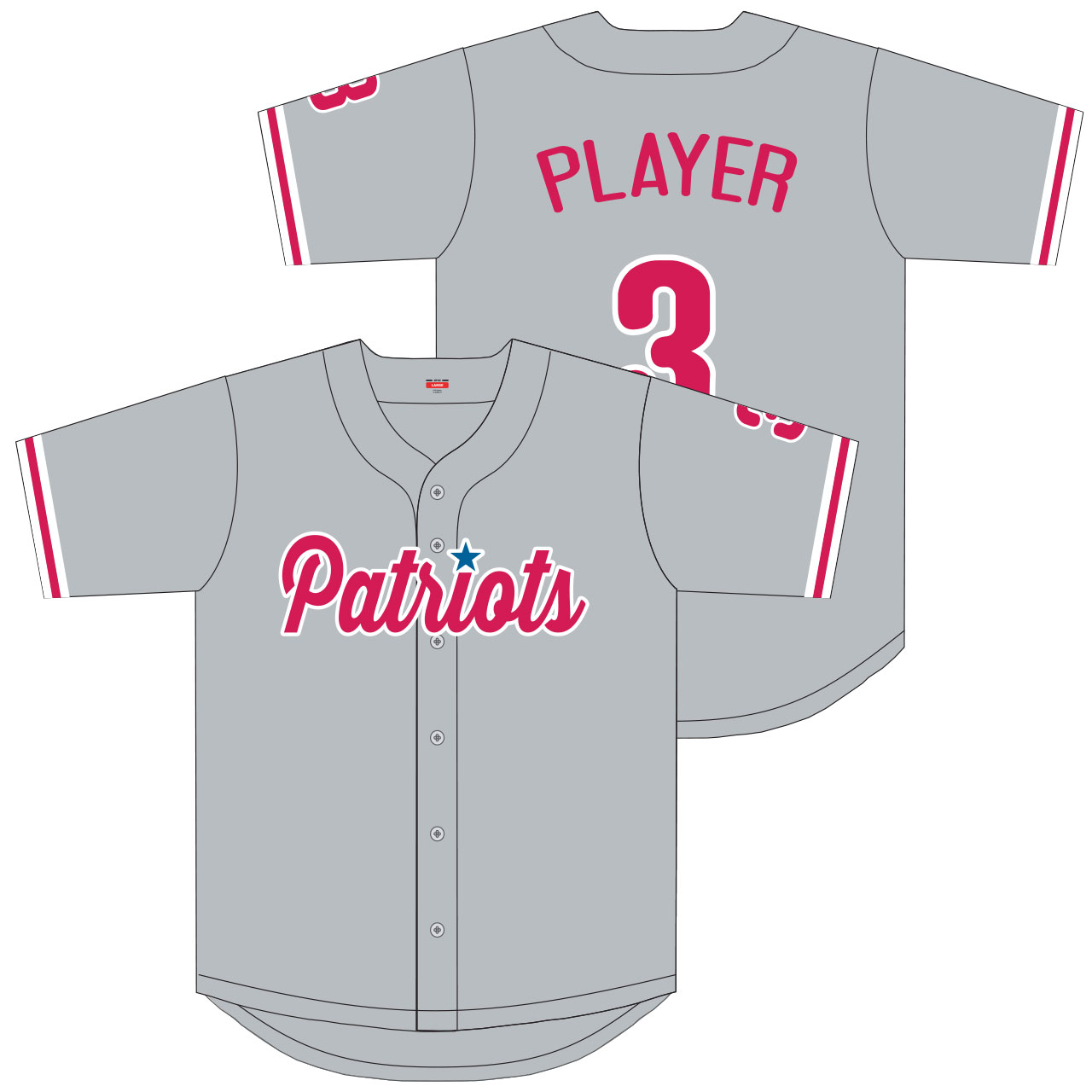
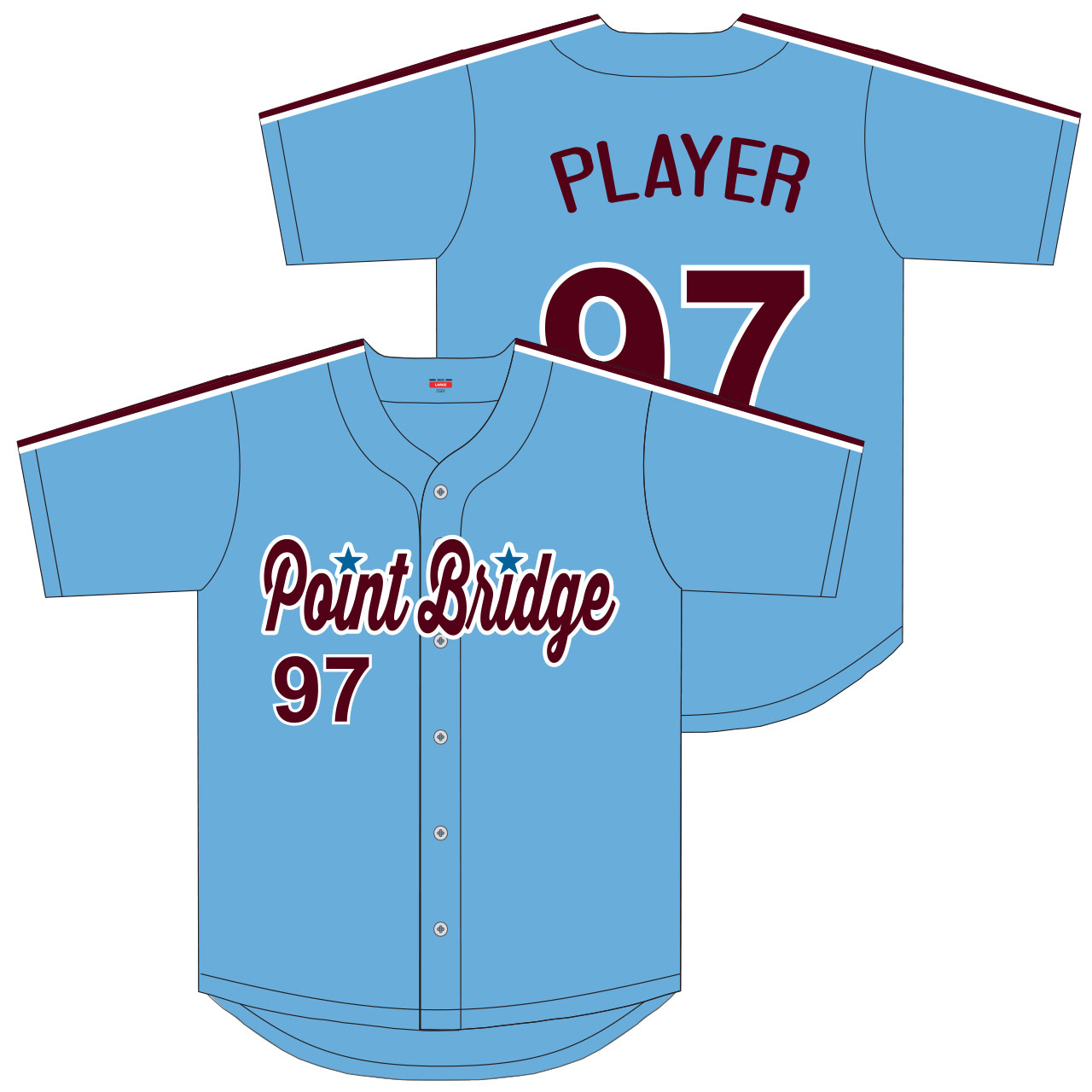
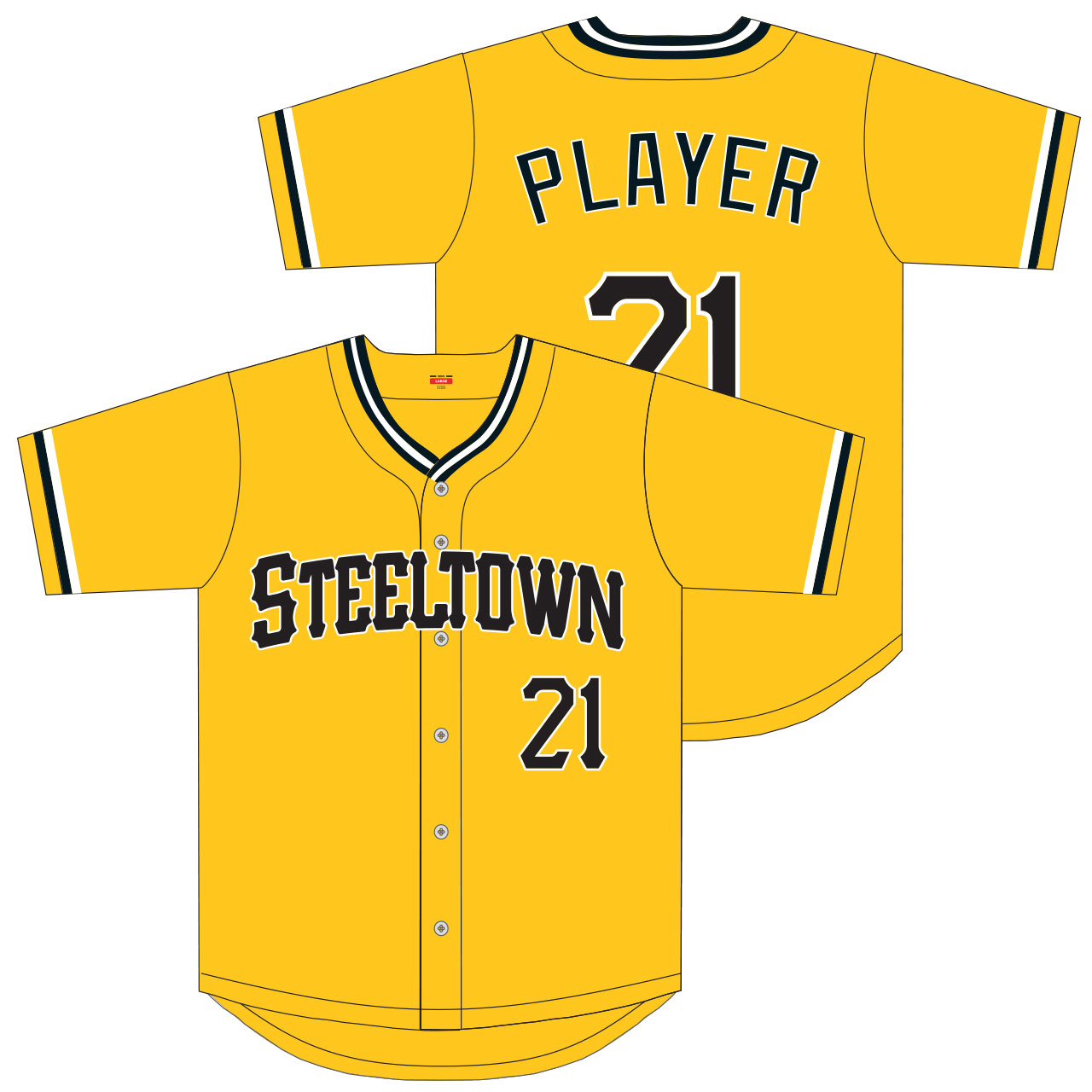
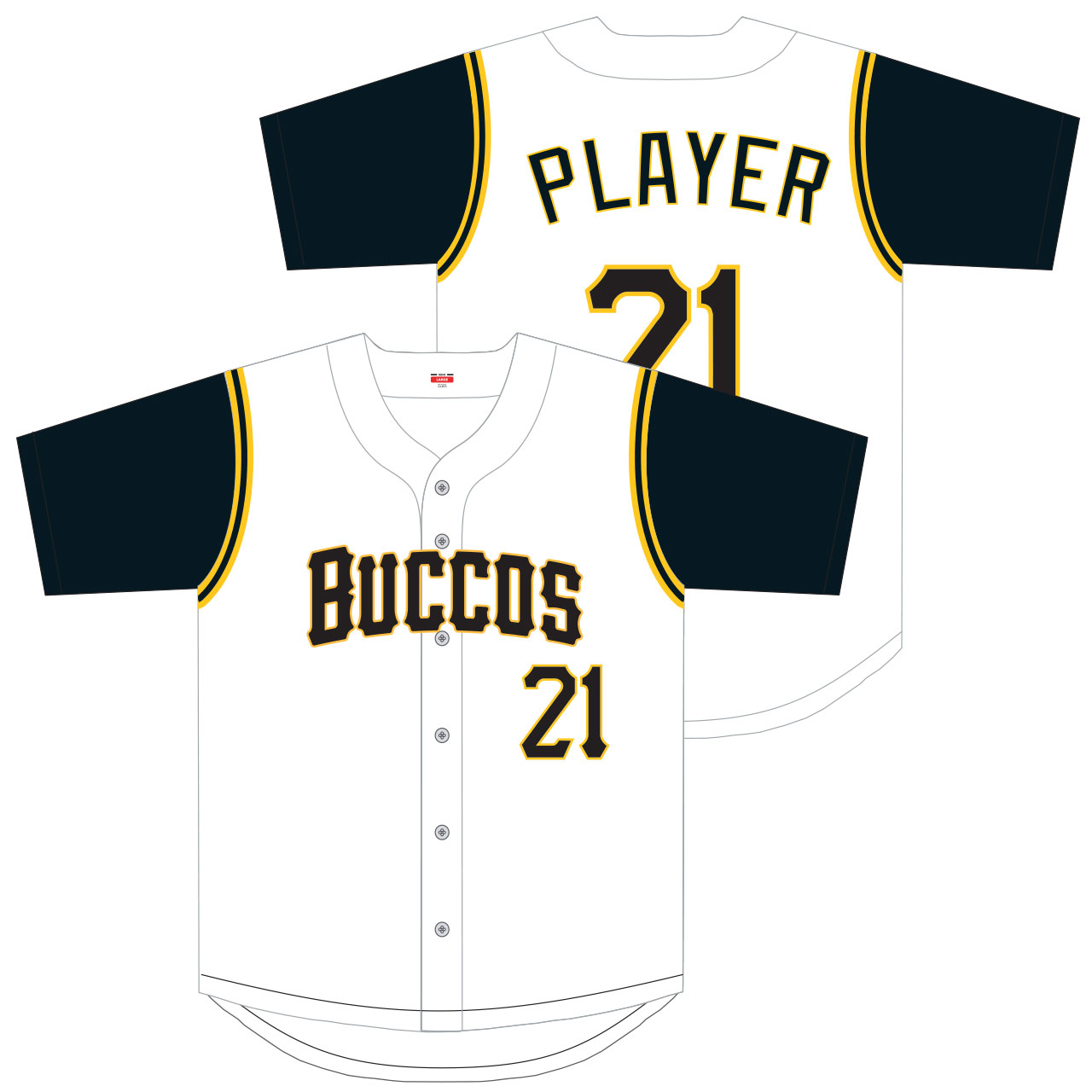
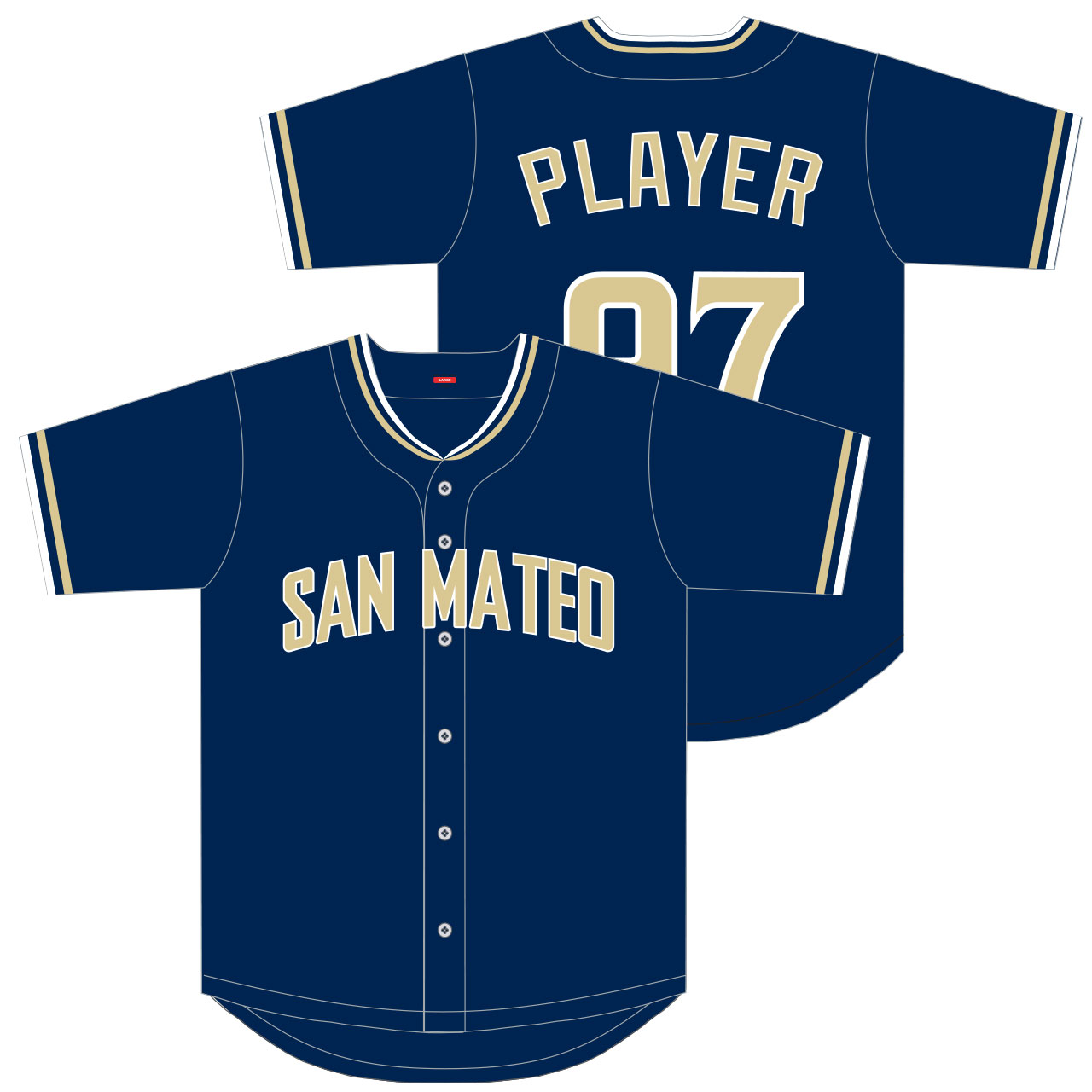
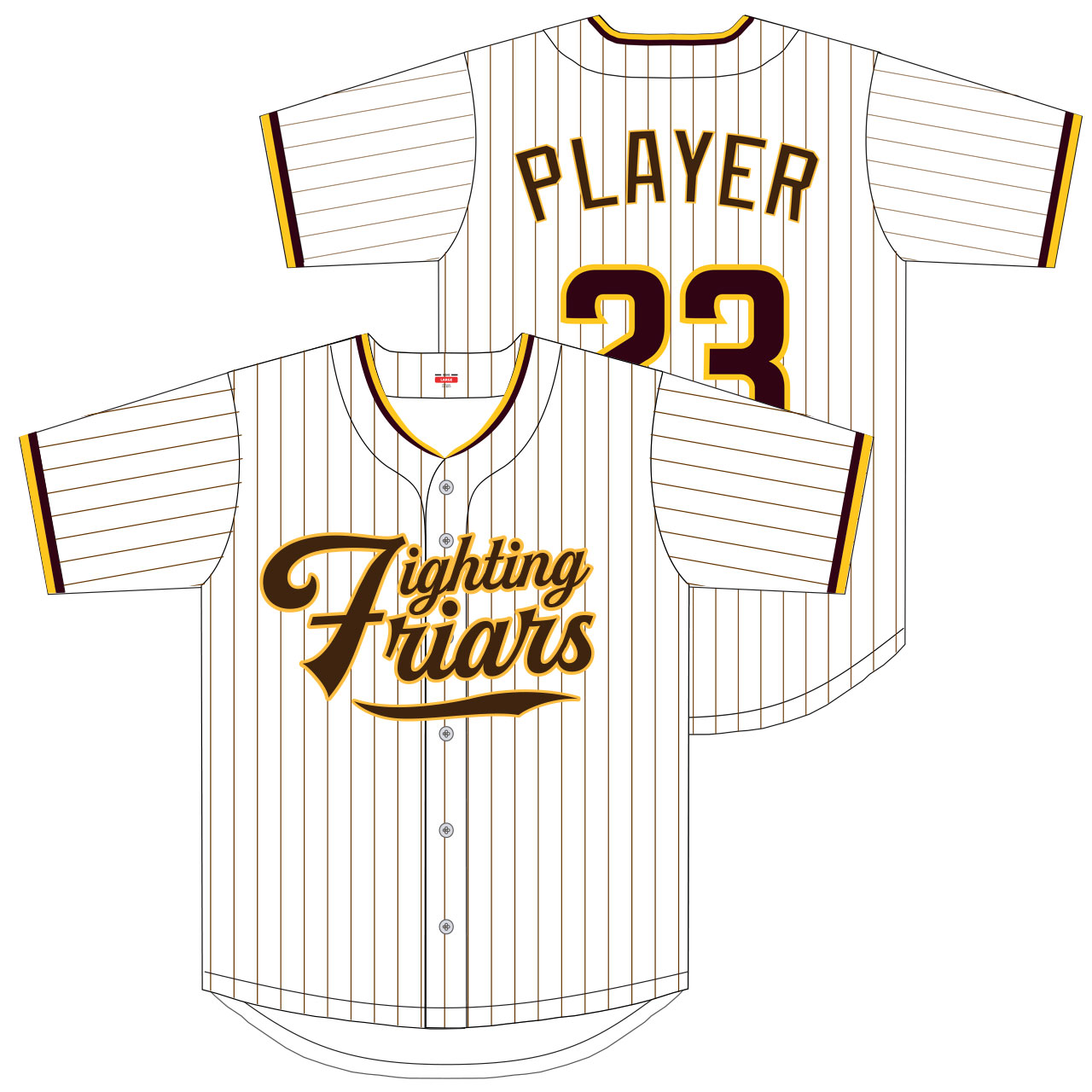
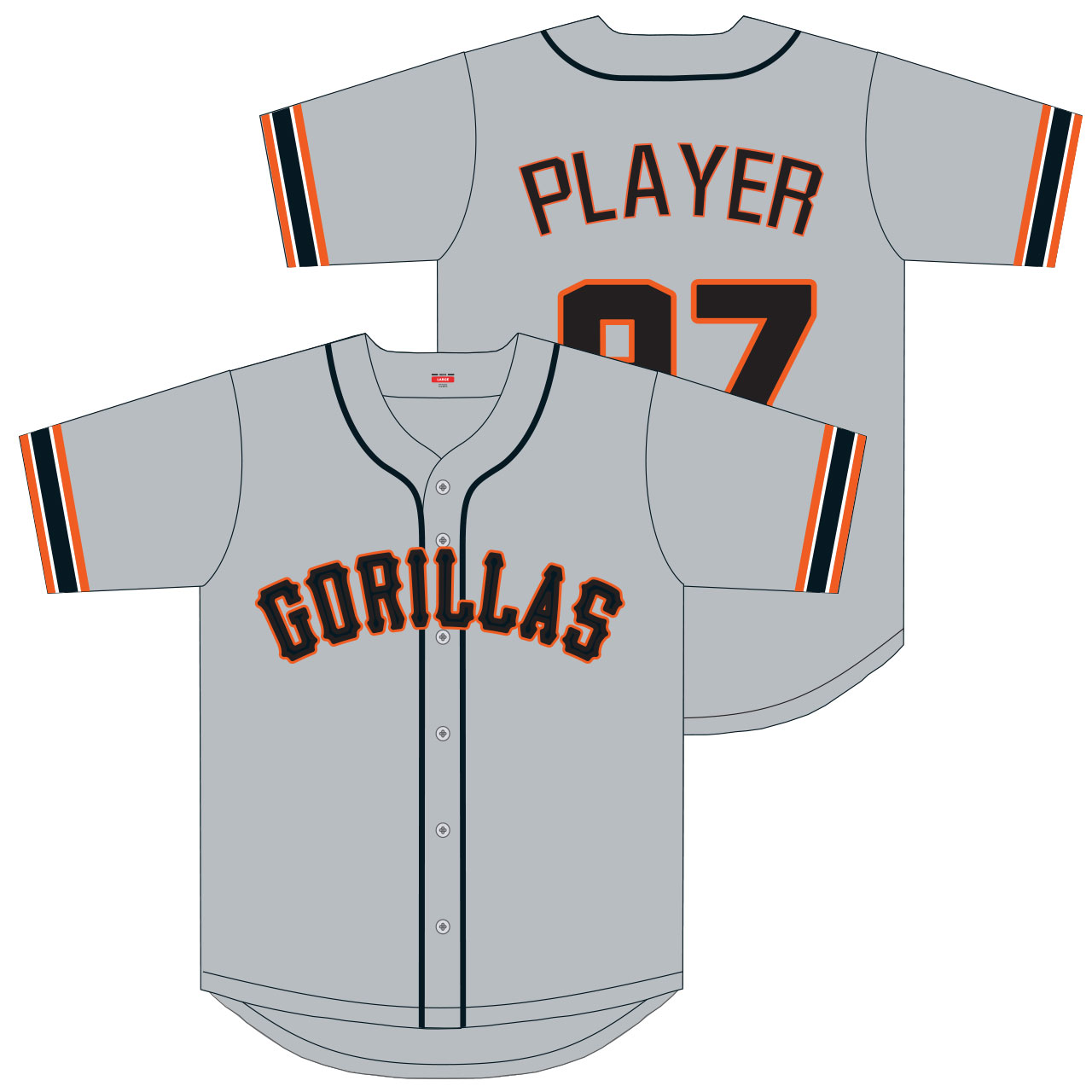
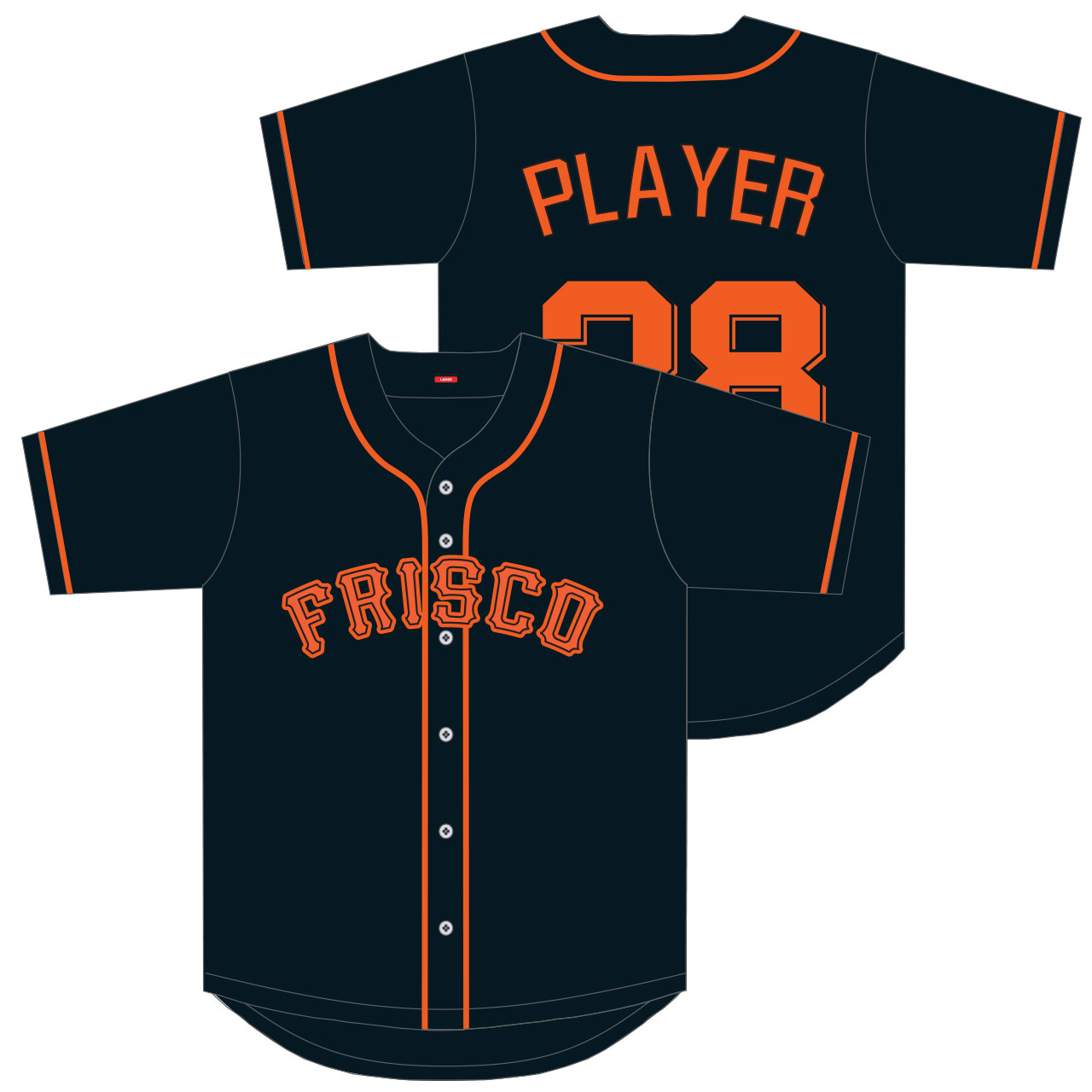
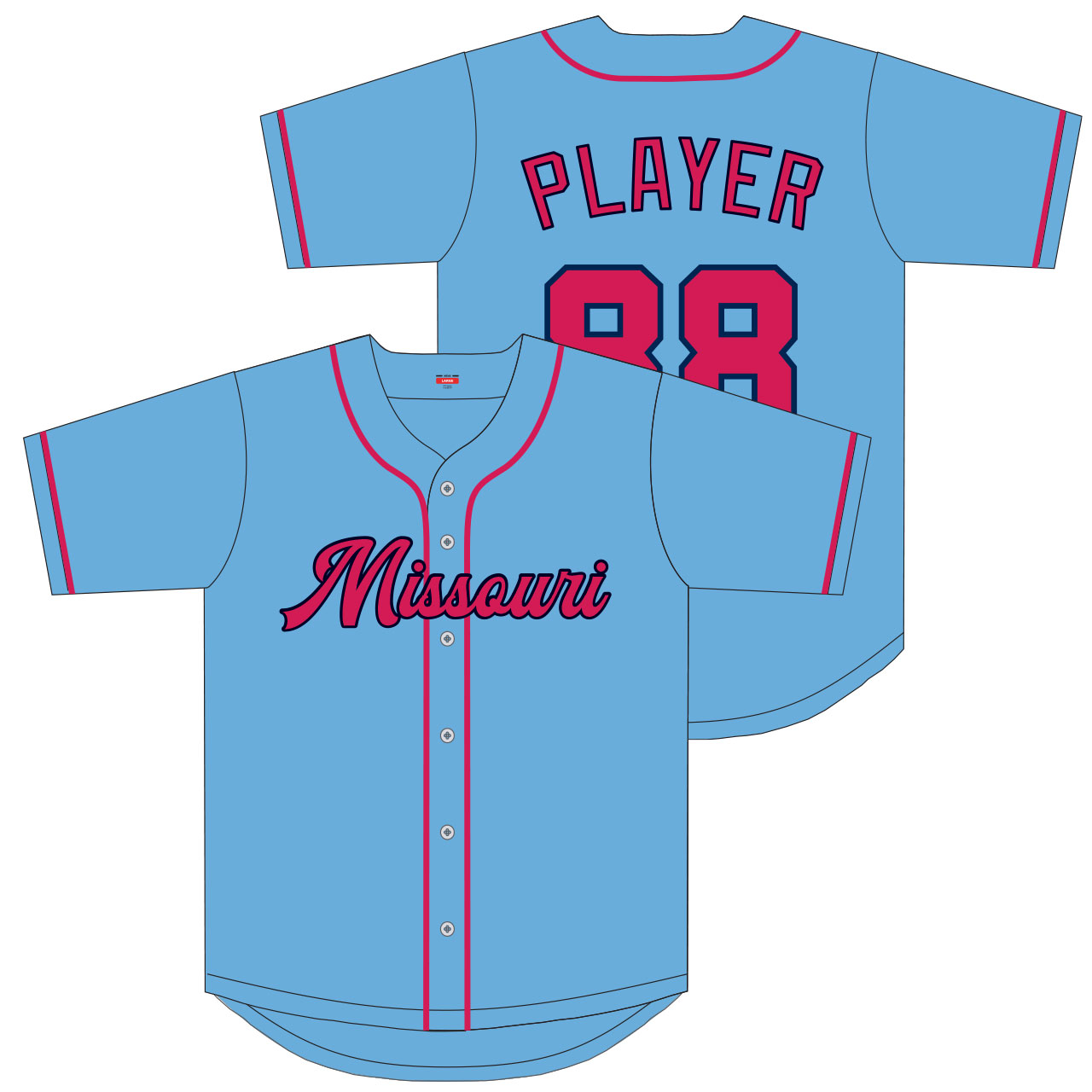
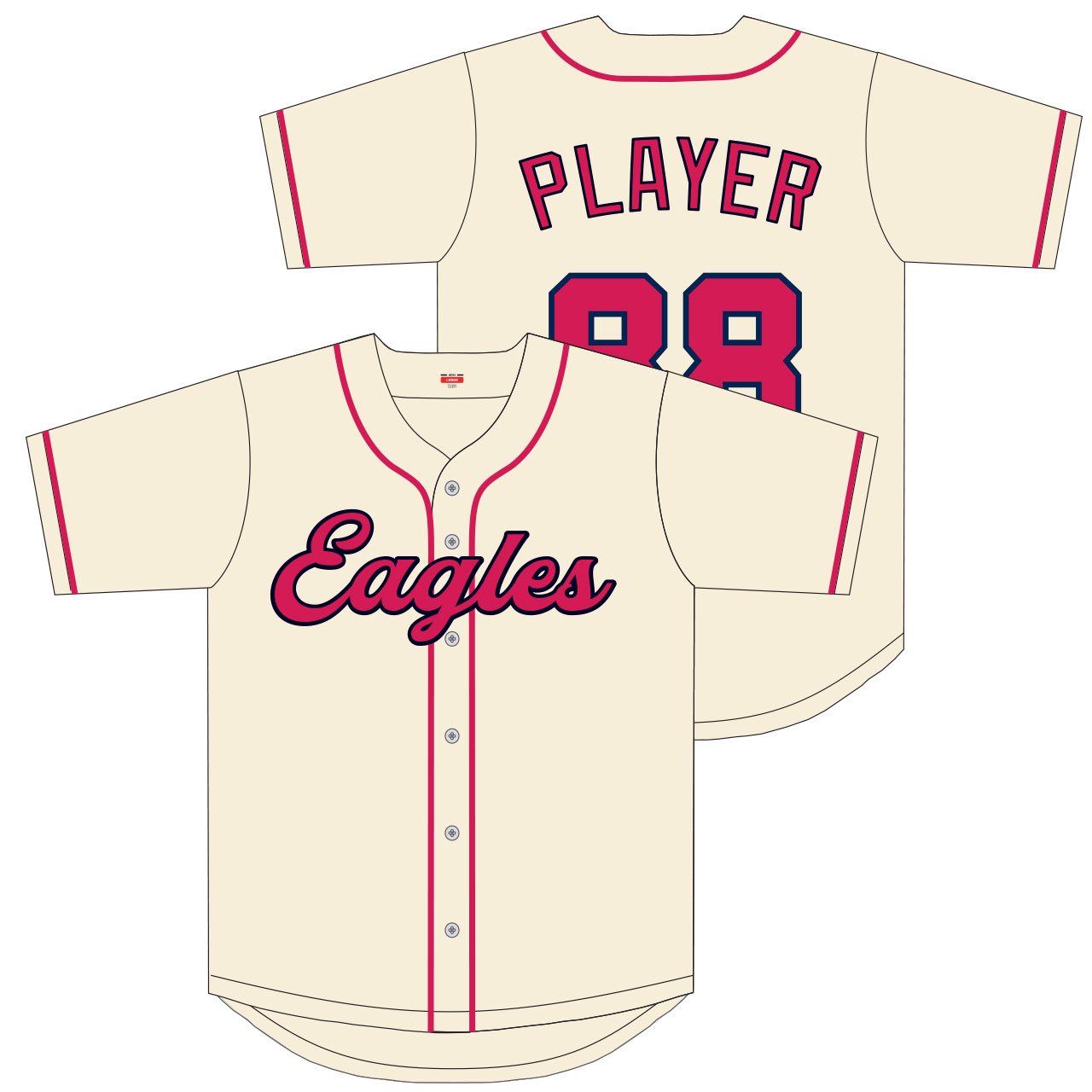
UNDER ARMOUR FULL BUTTON BASEBALL JERSEY DESIGNS
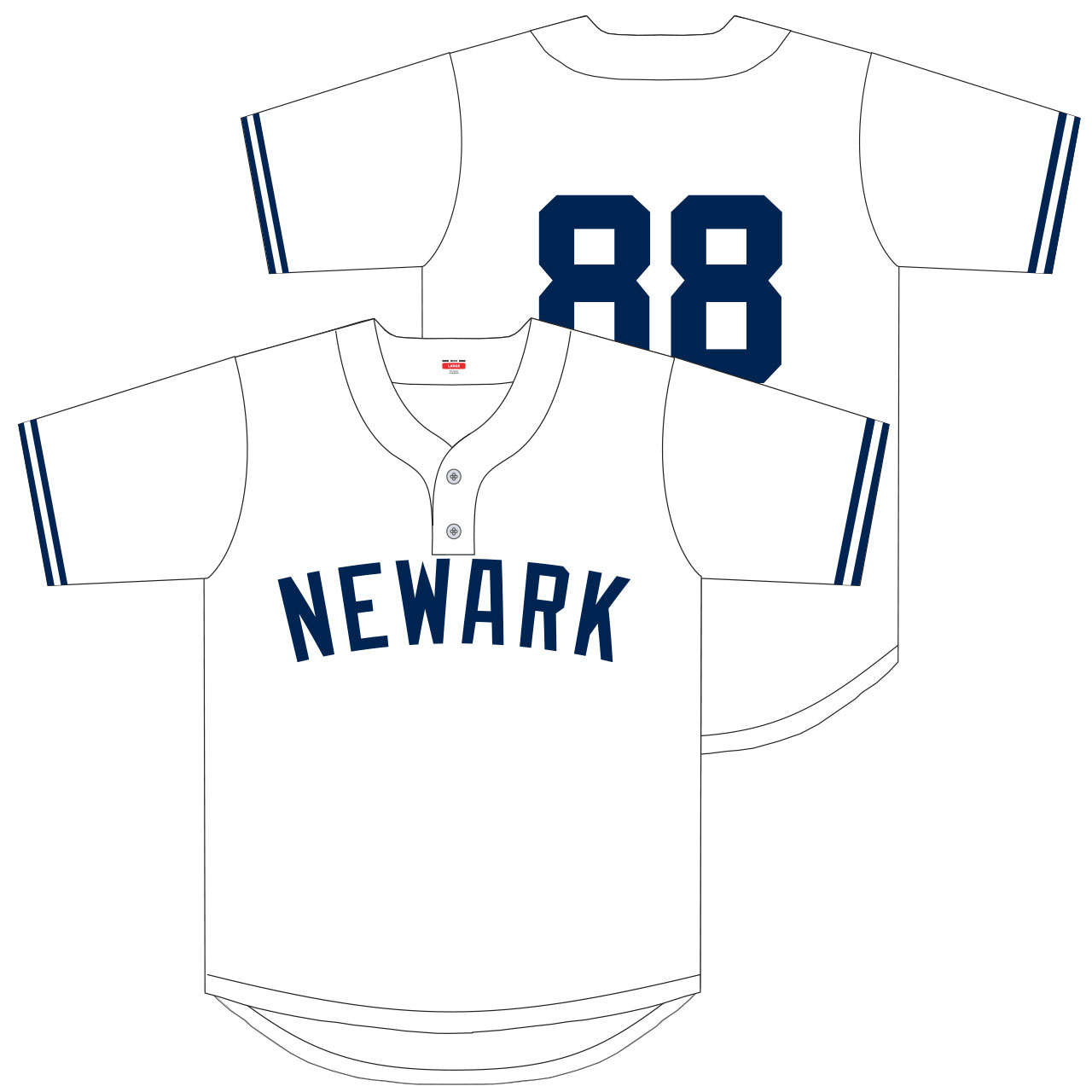
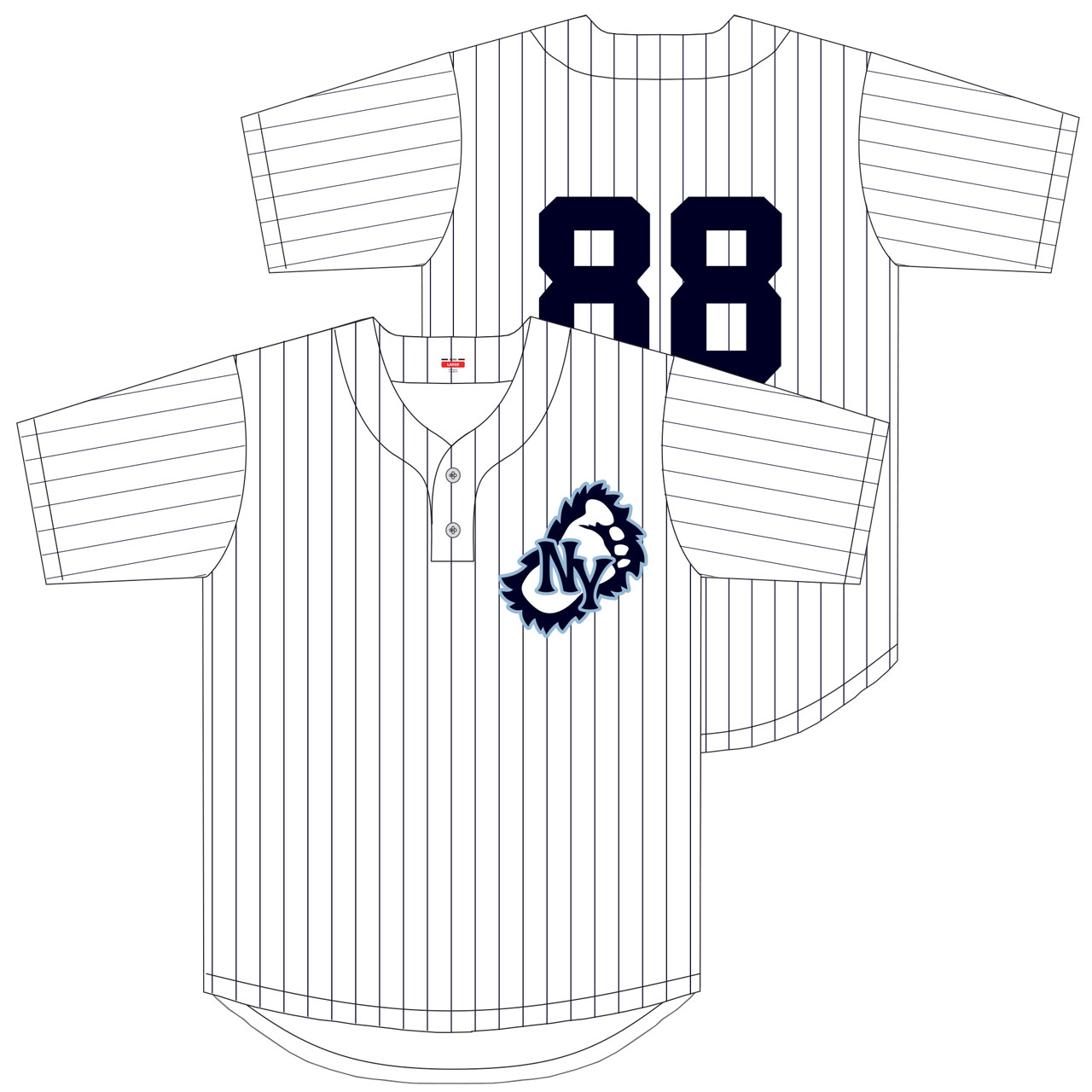
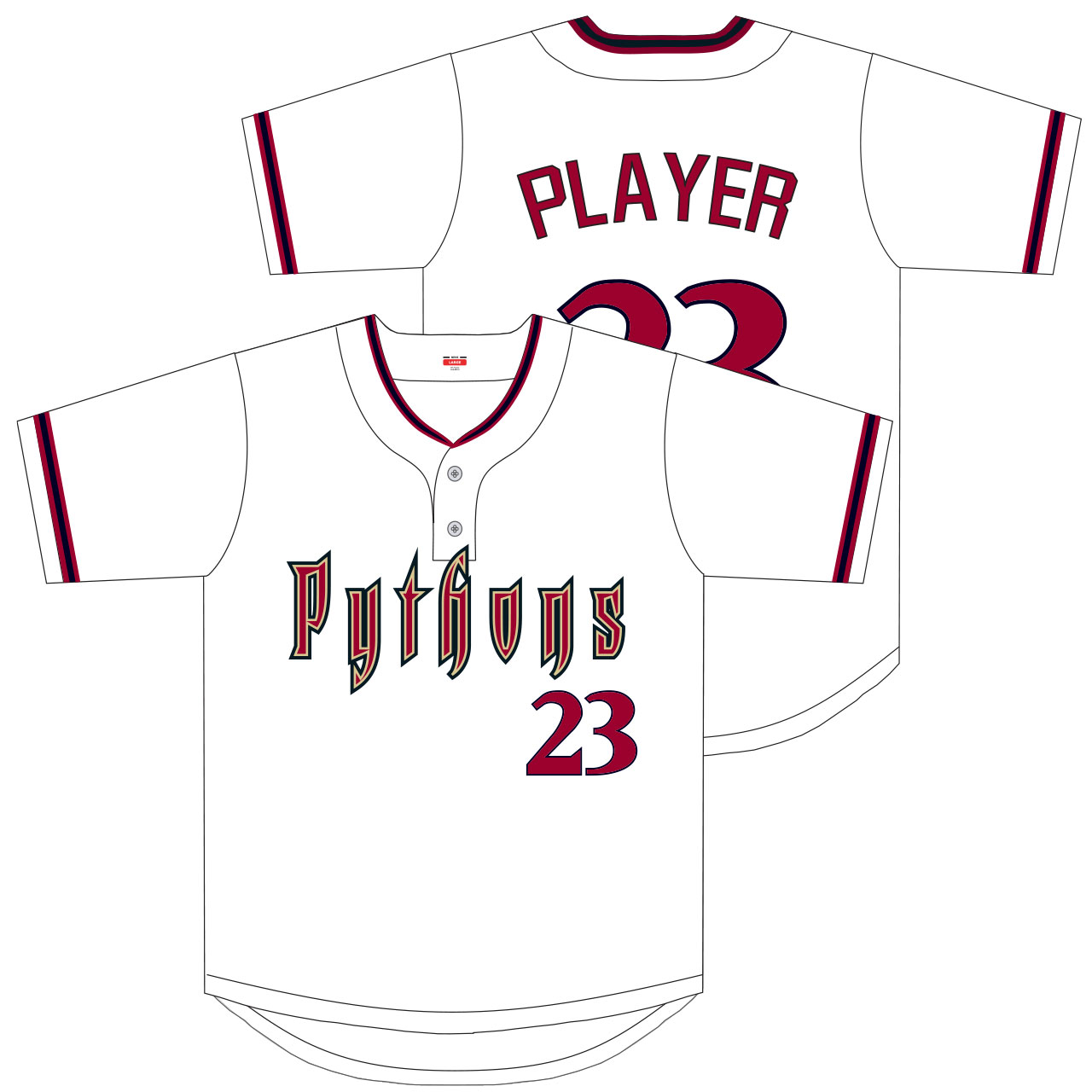
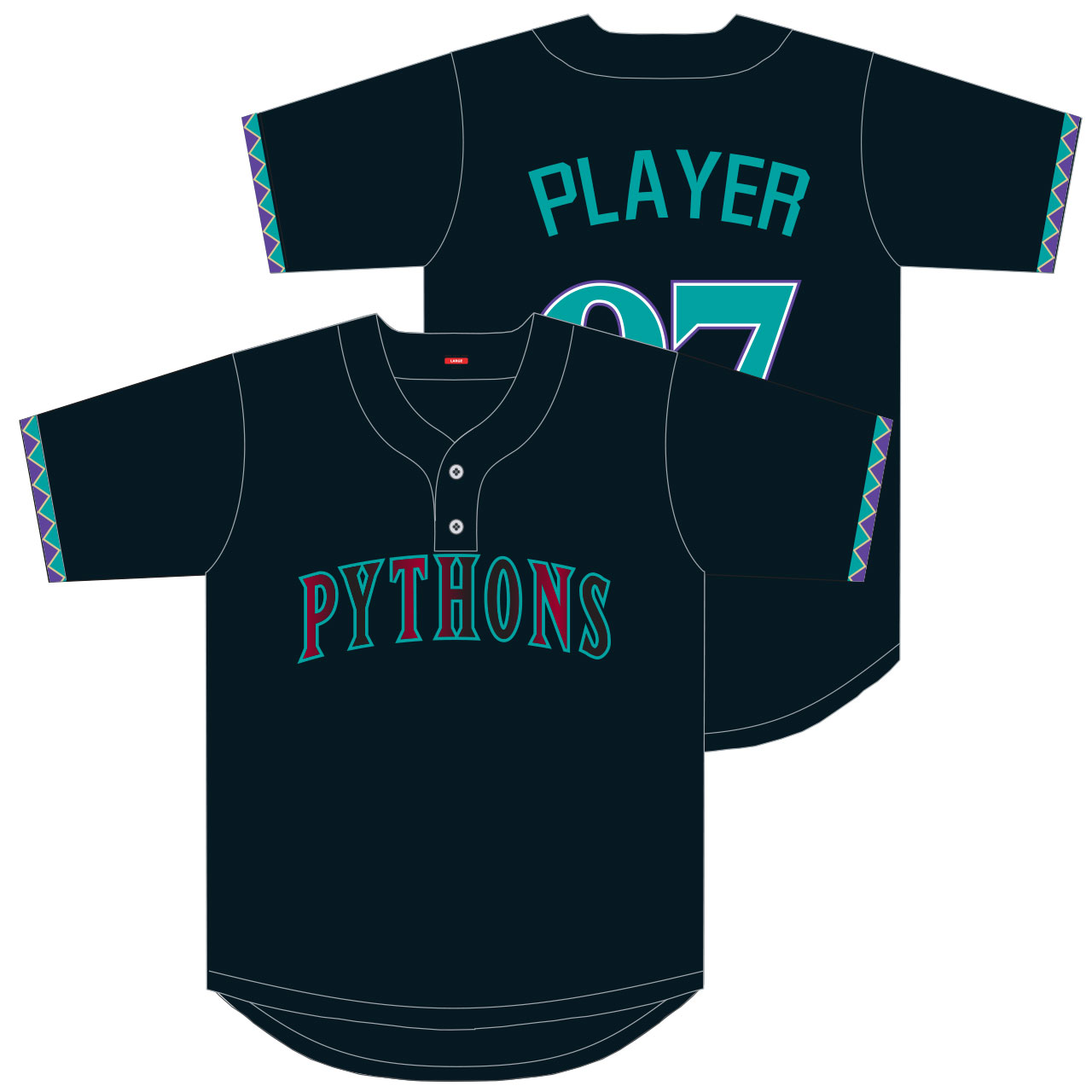
TWO BUTTON BASEBALL JERSEY DESIGNS
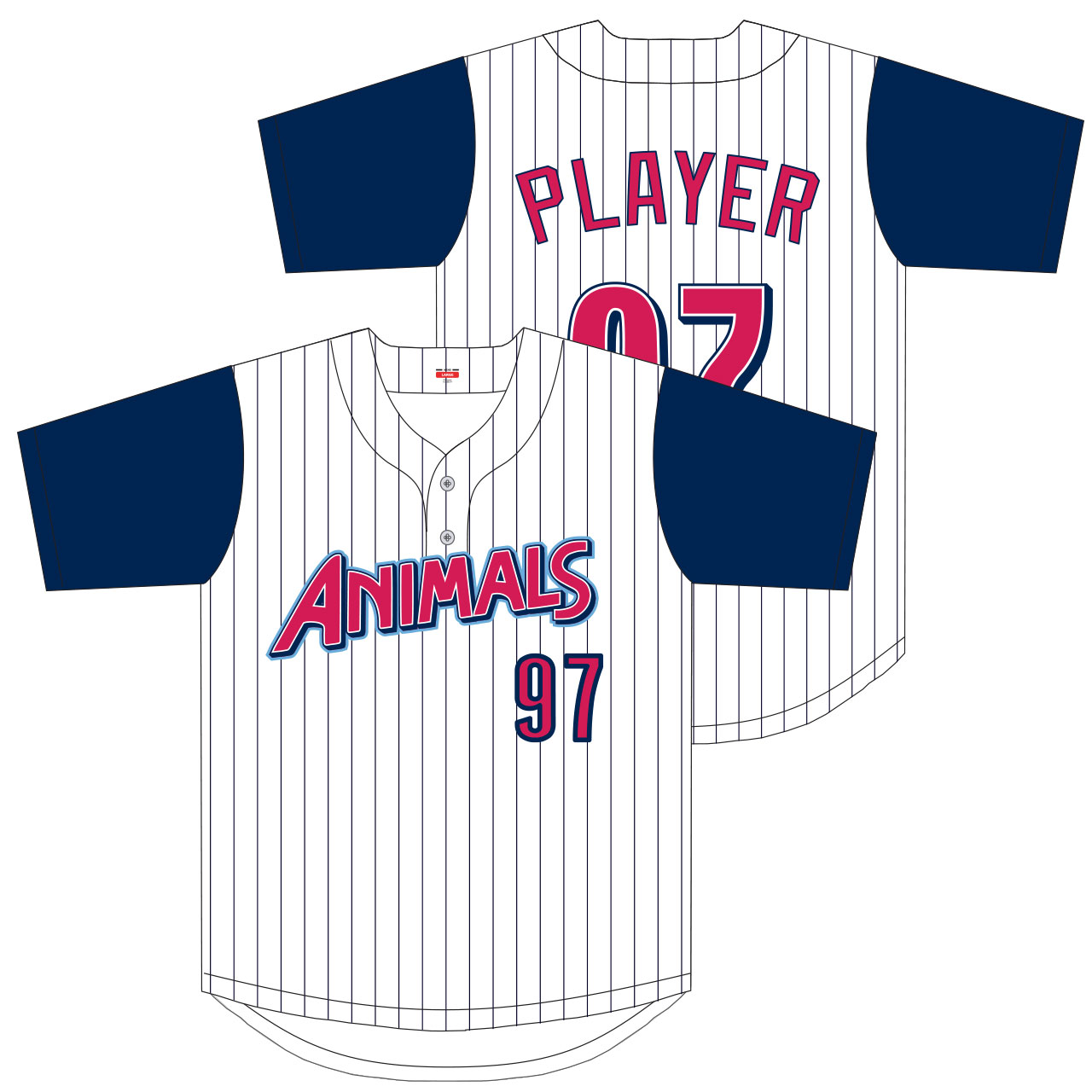
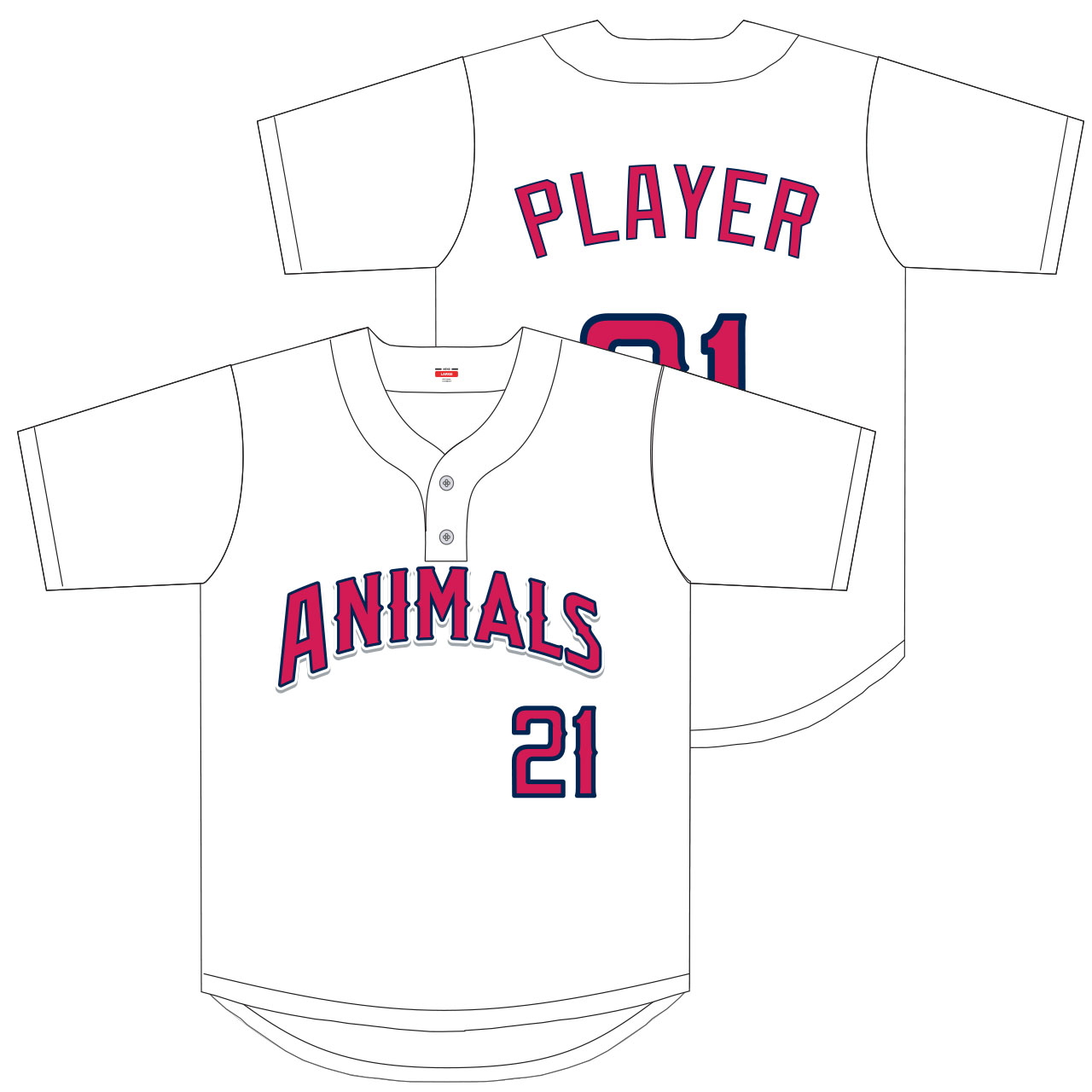
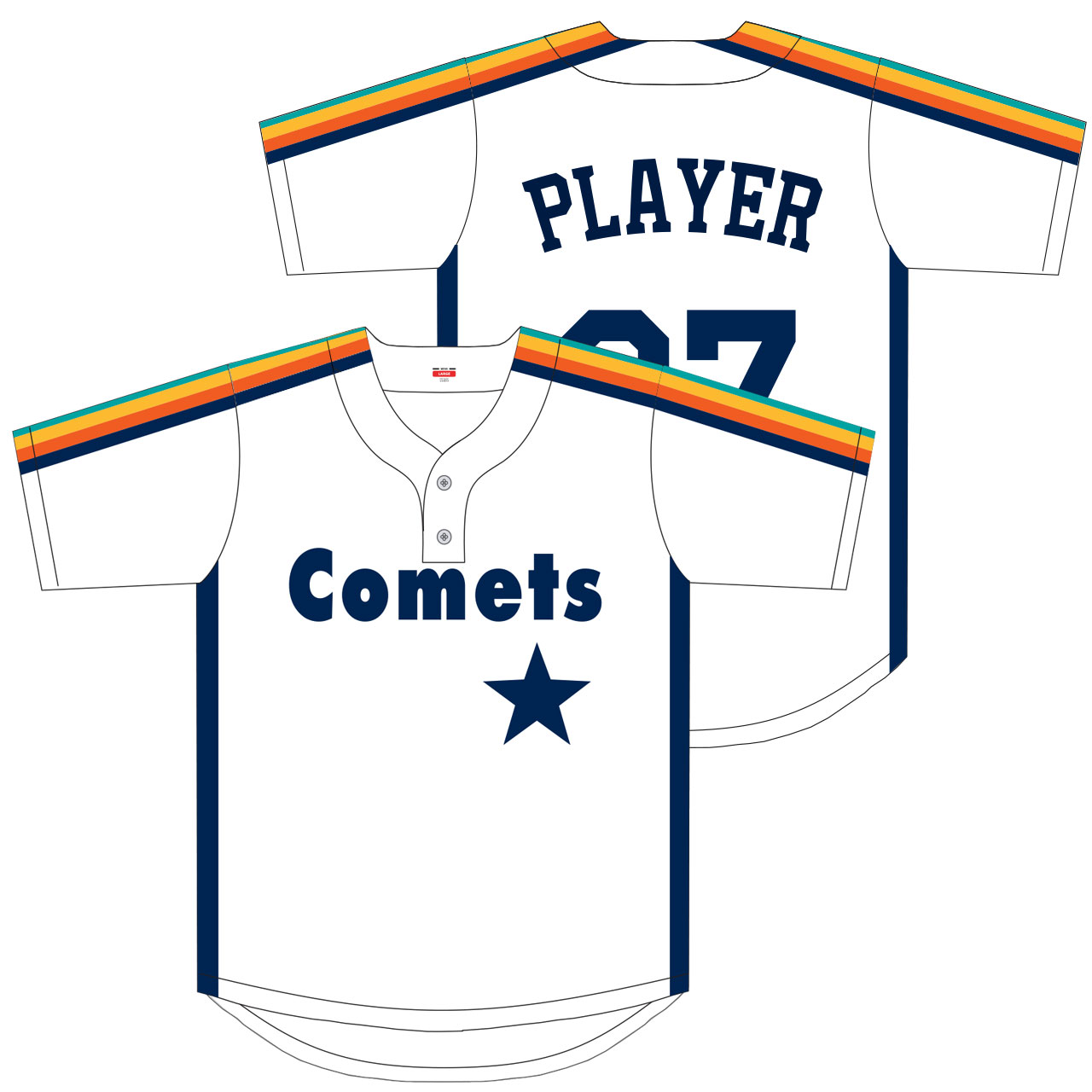
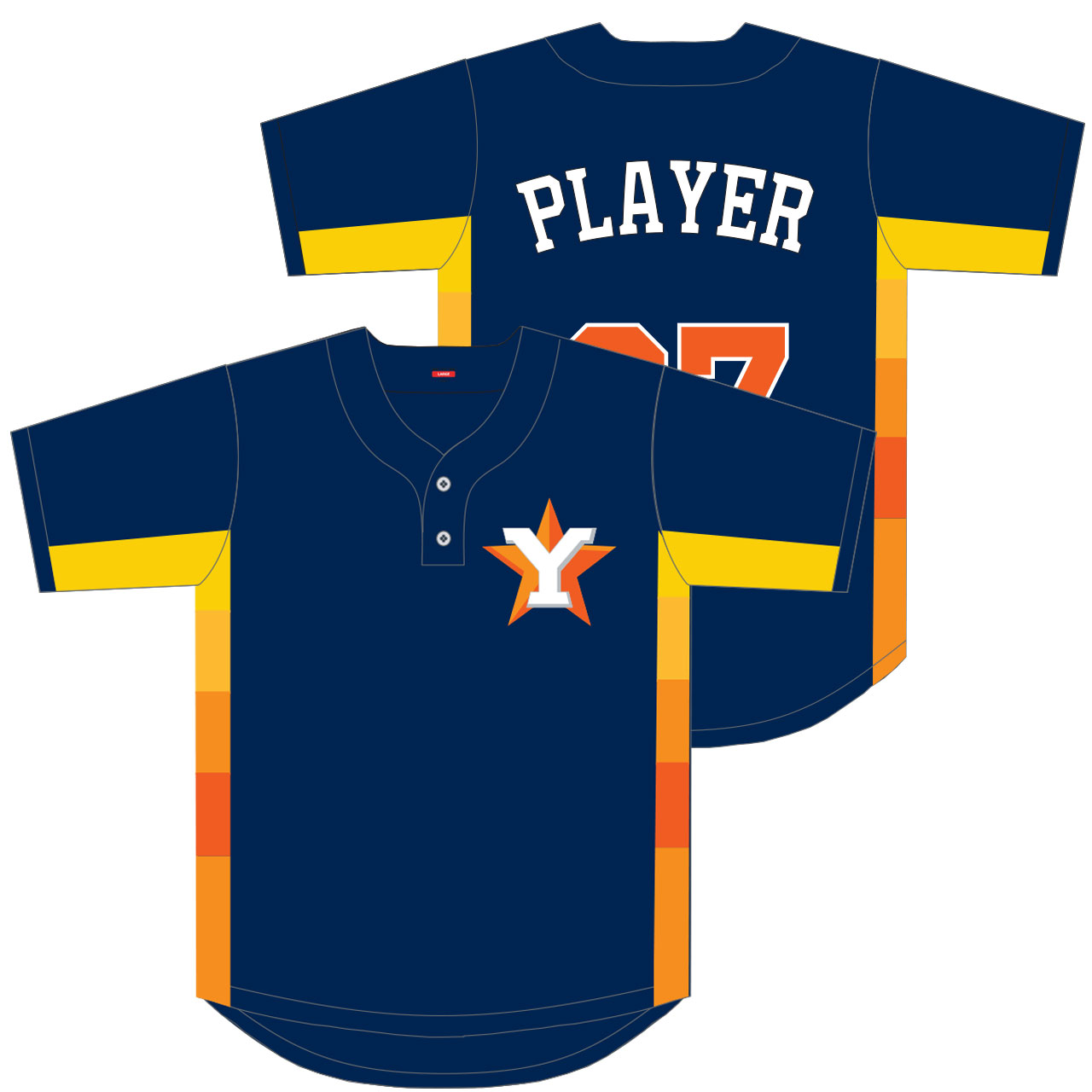
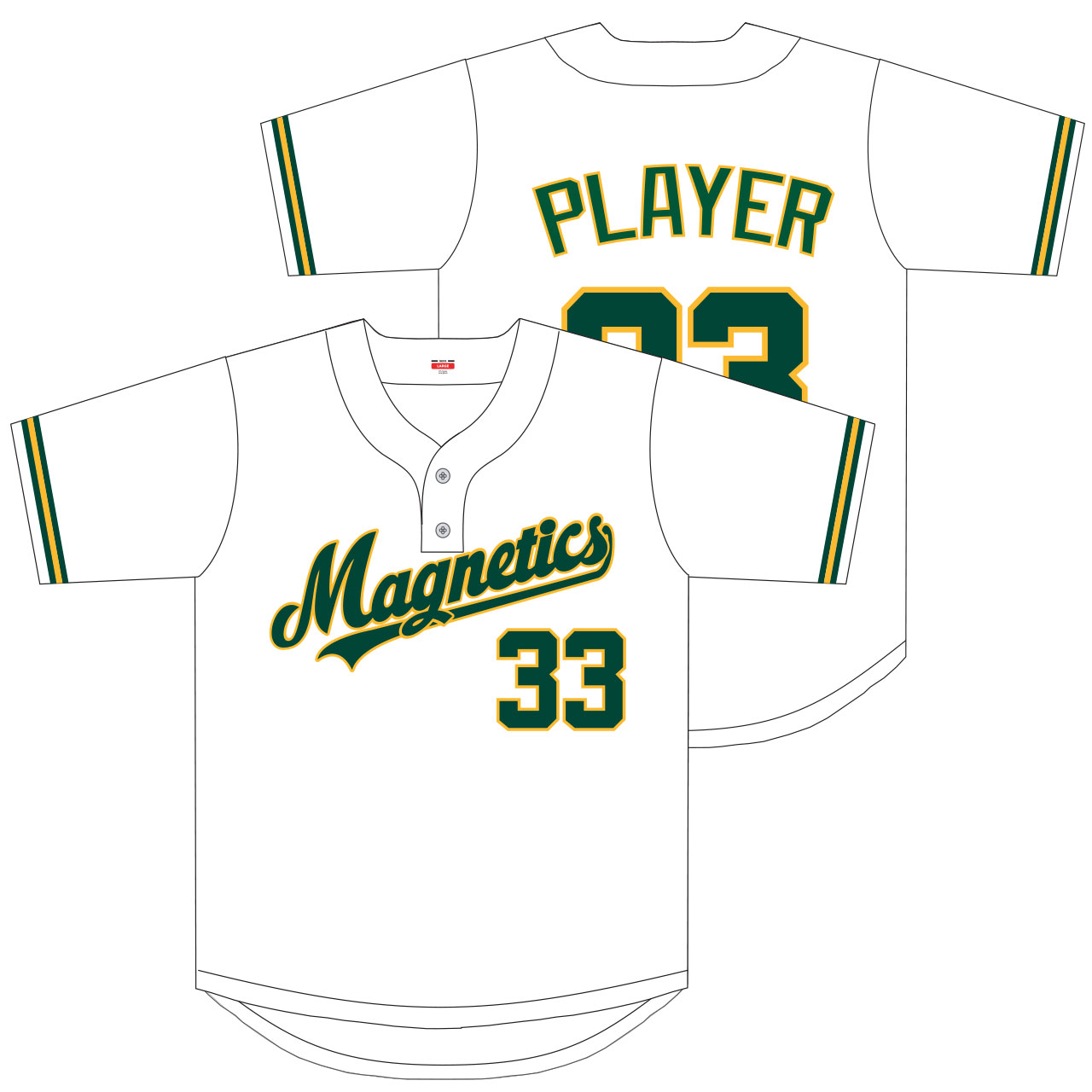
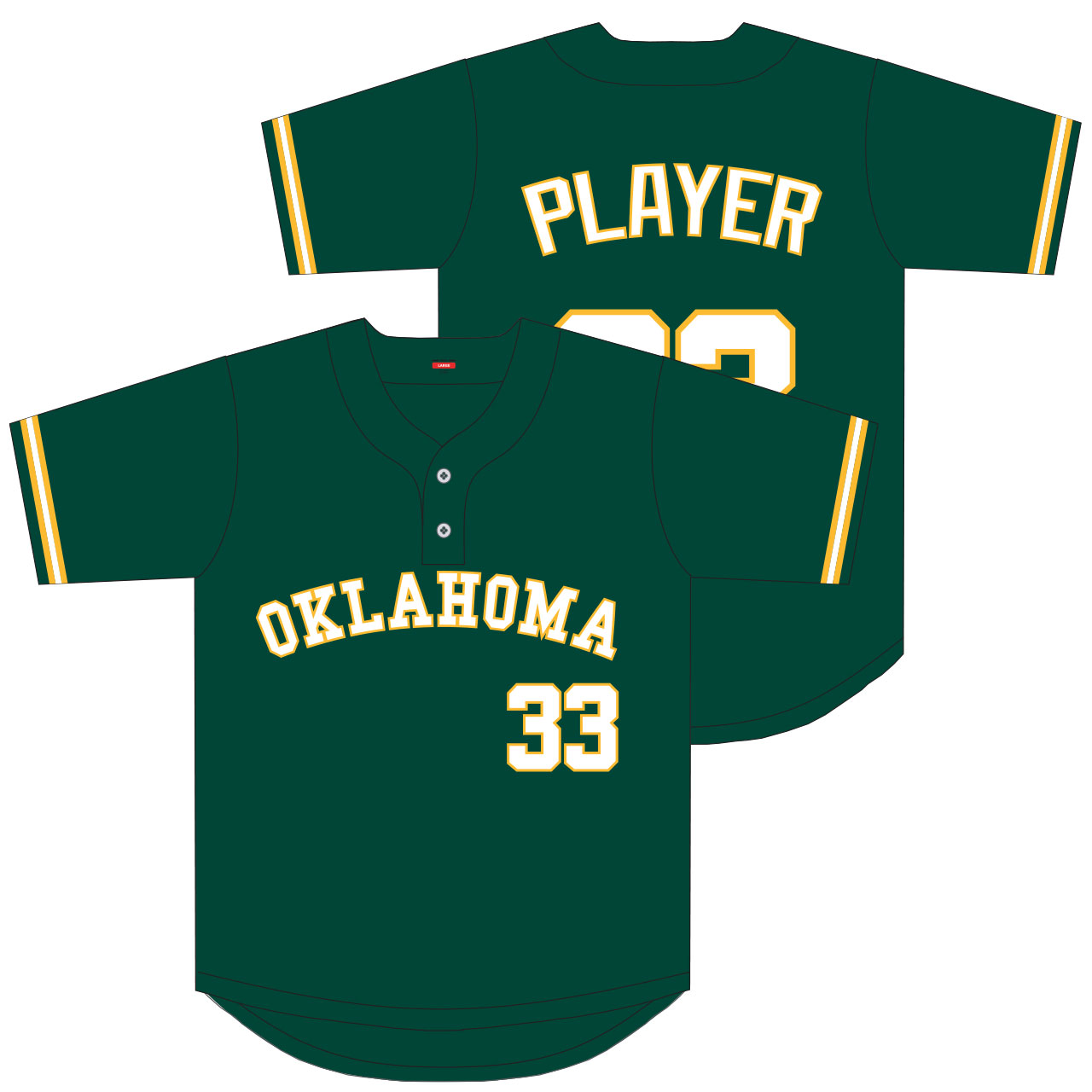
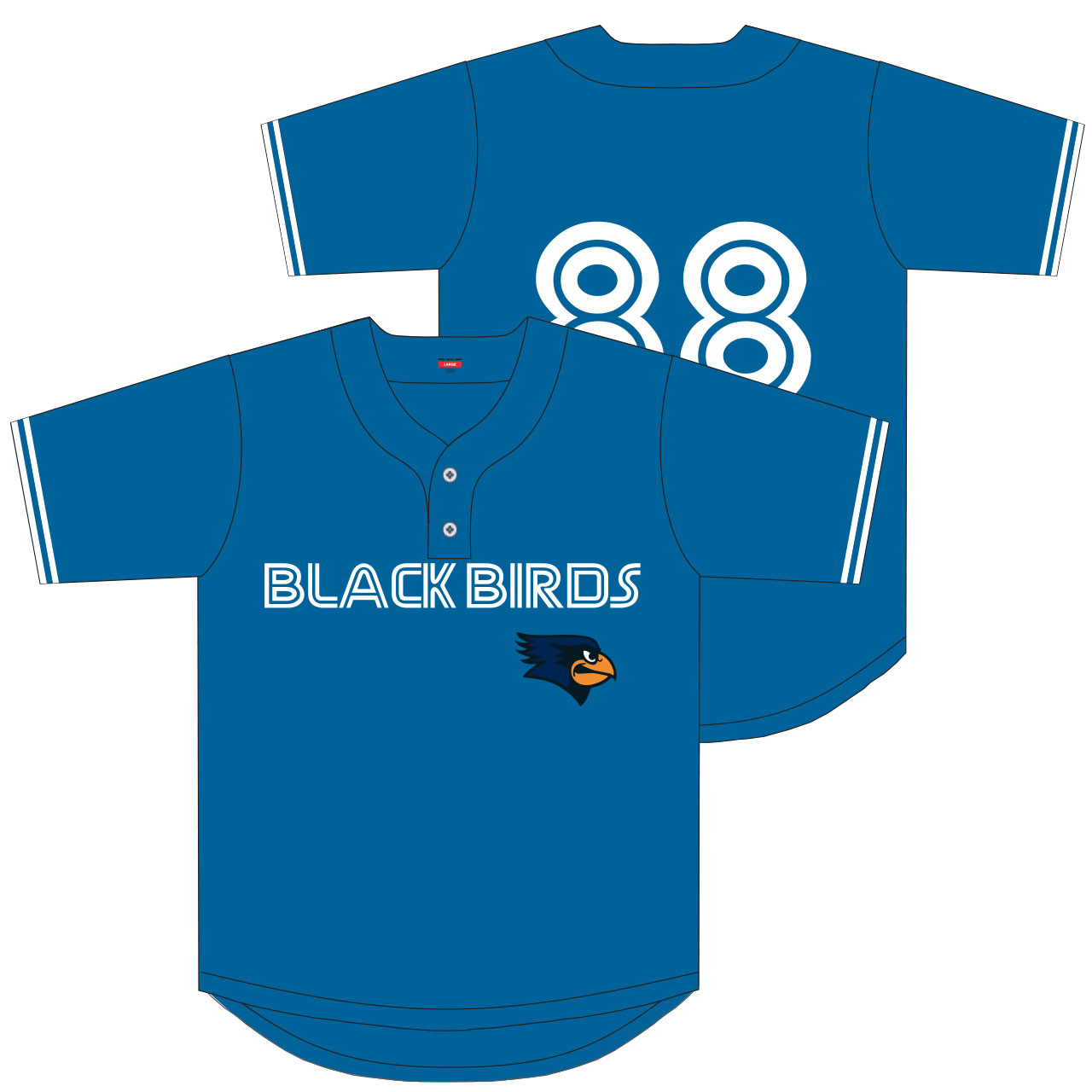
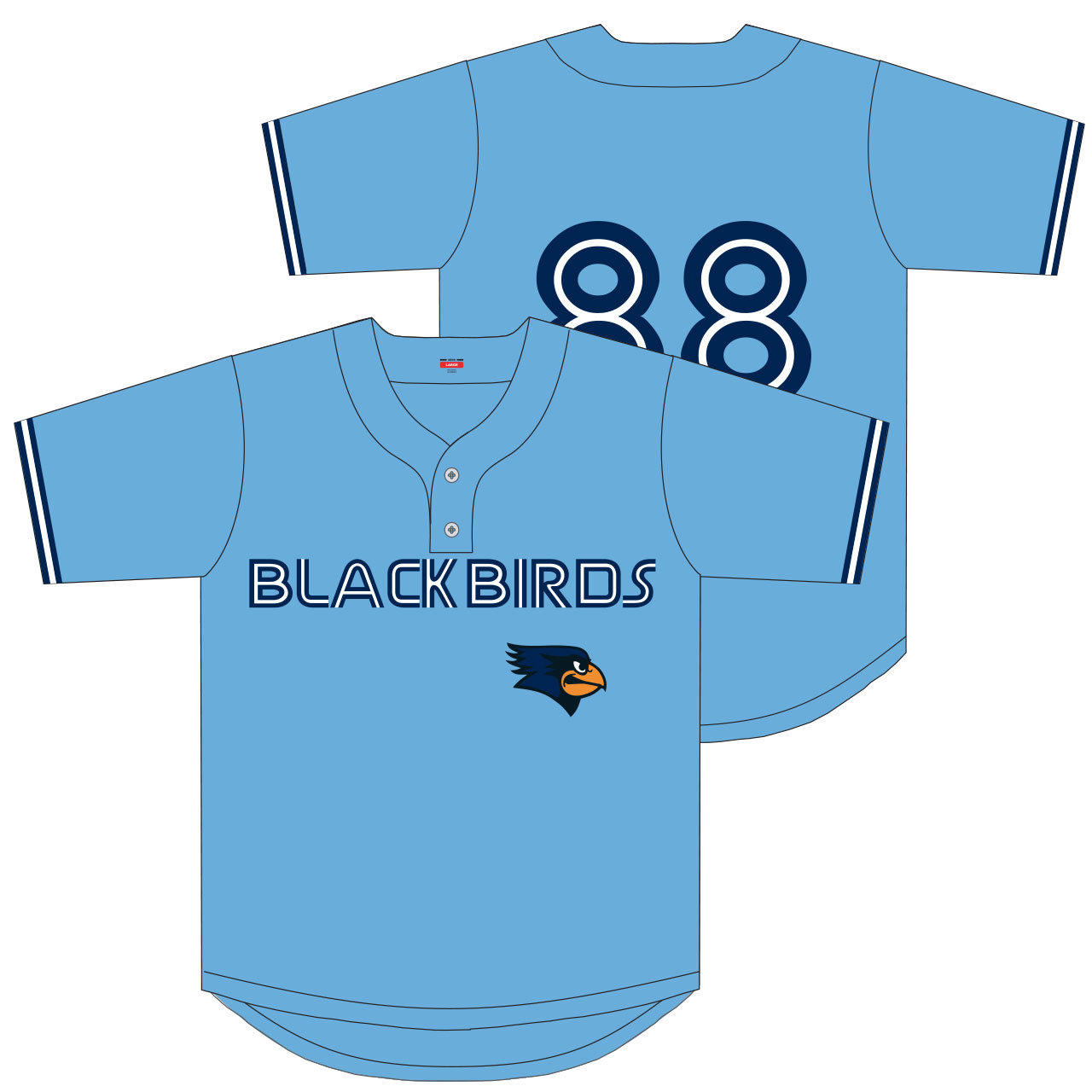
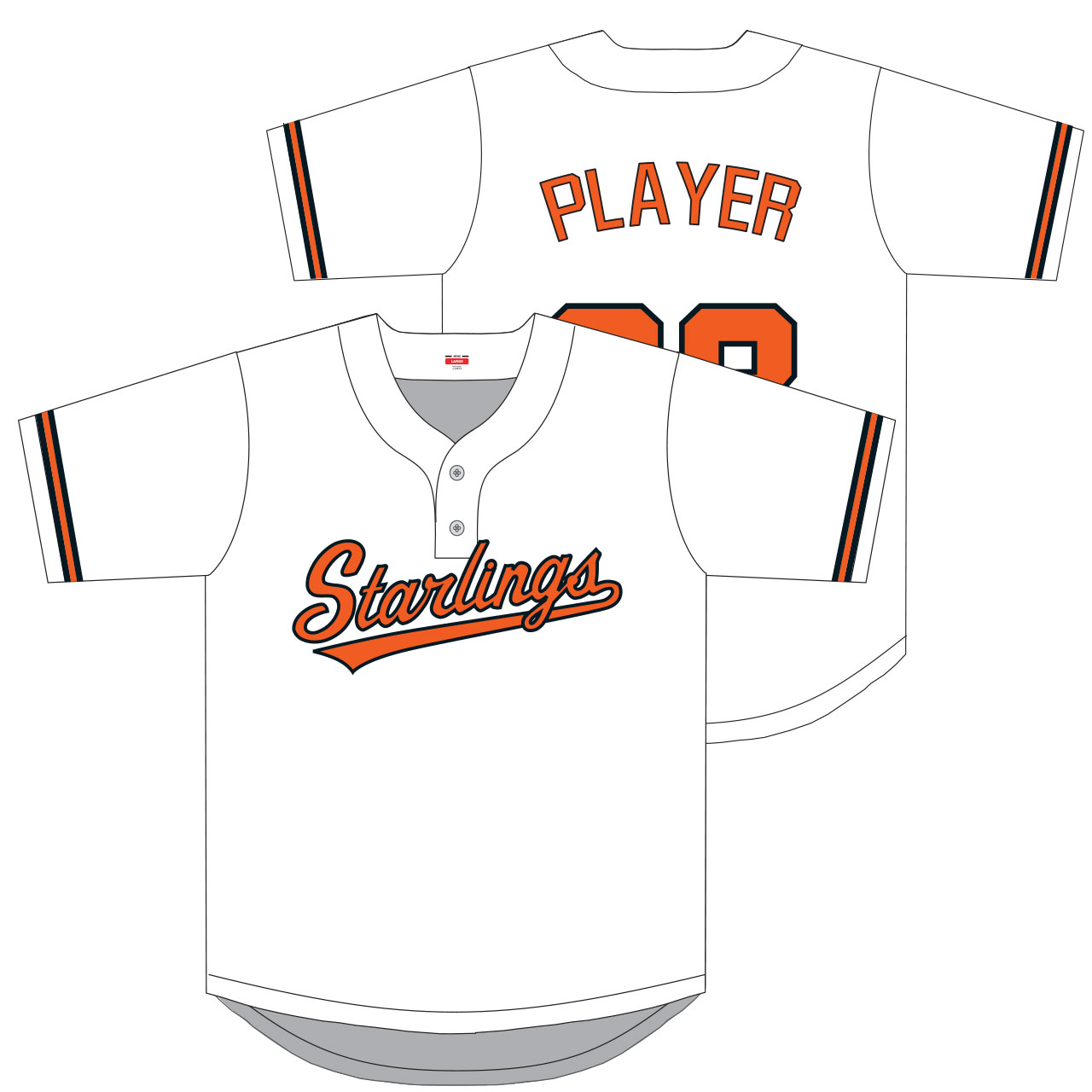
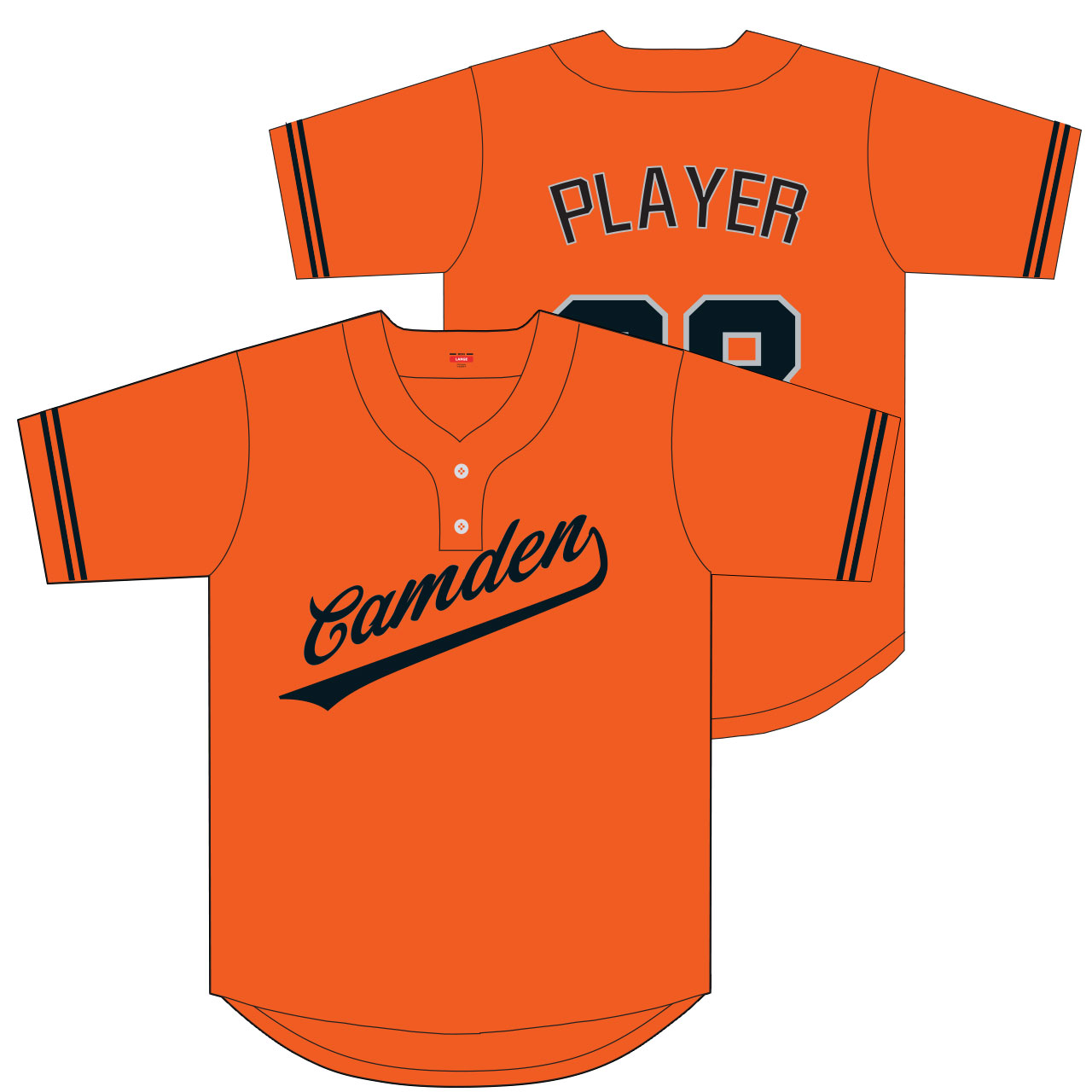
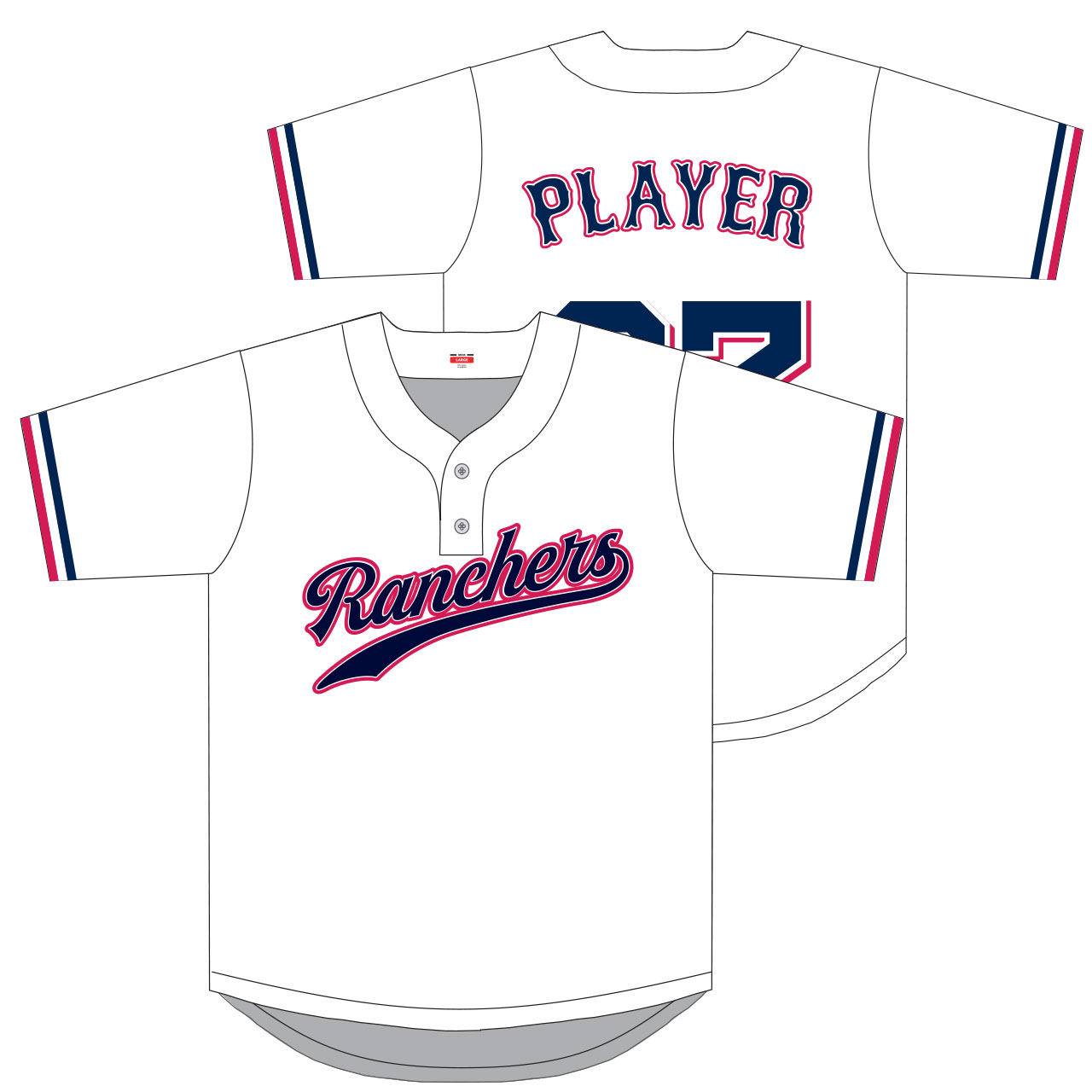
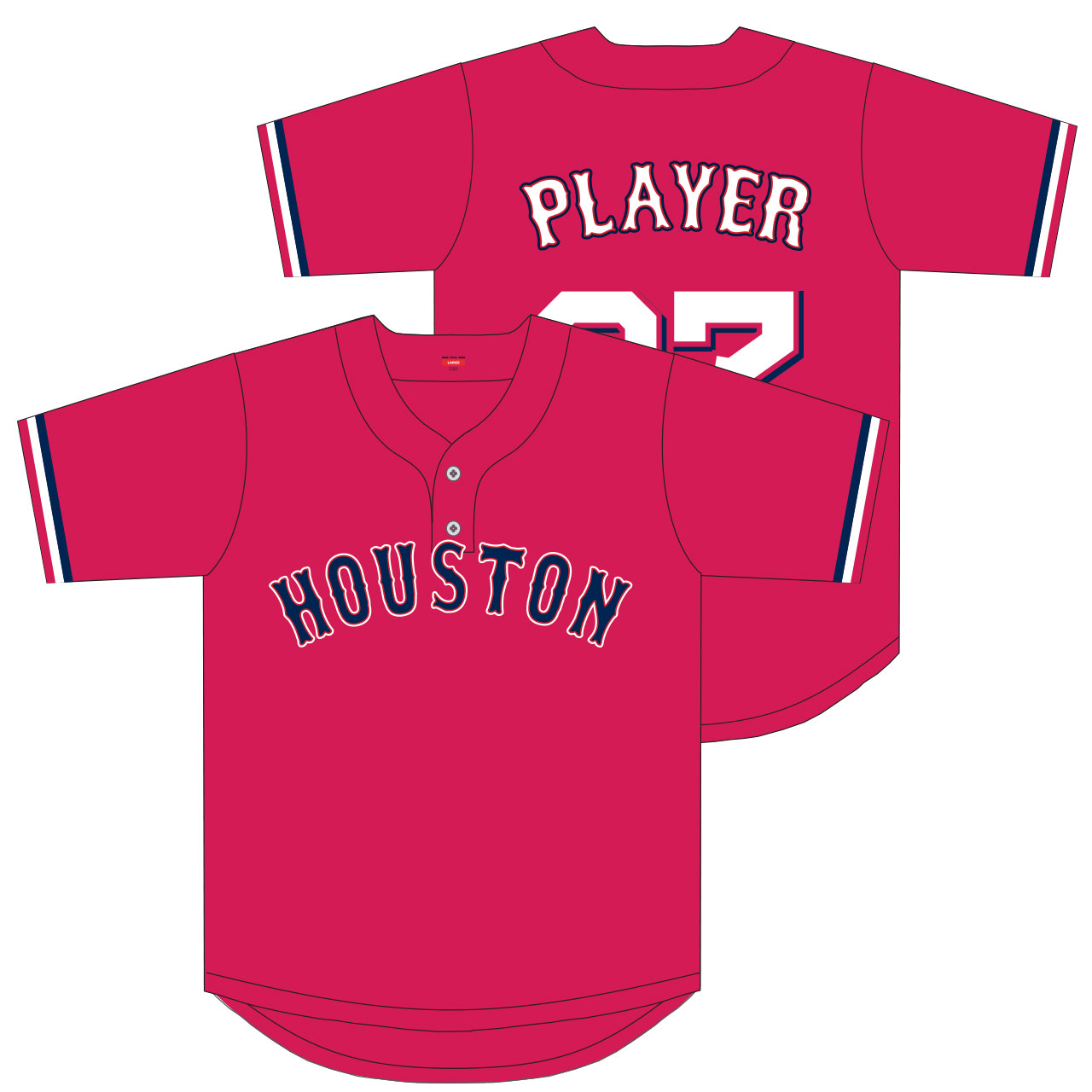
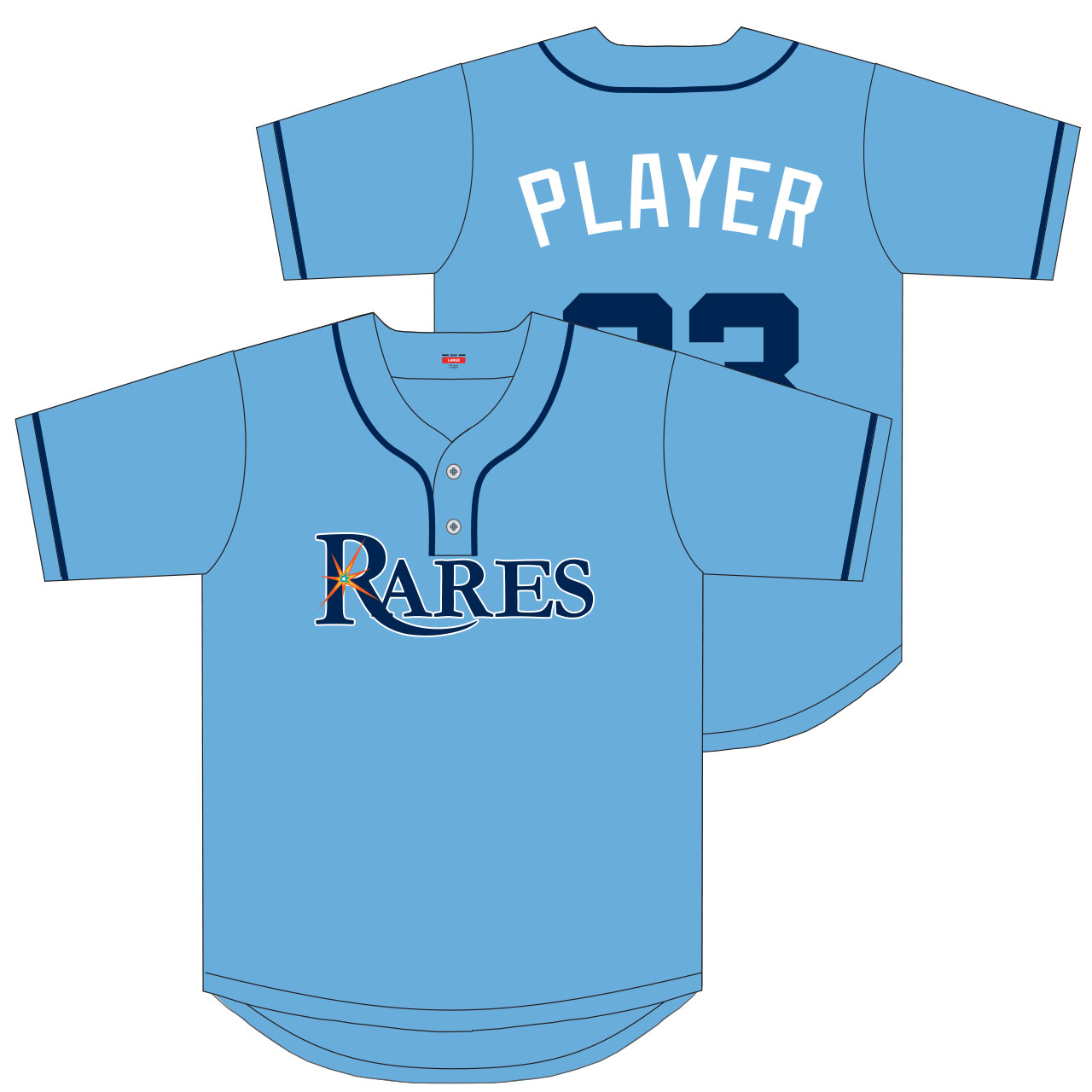
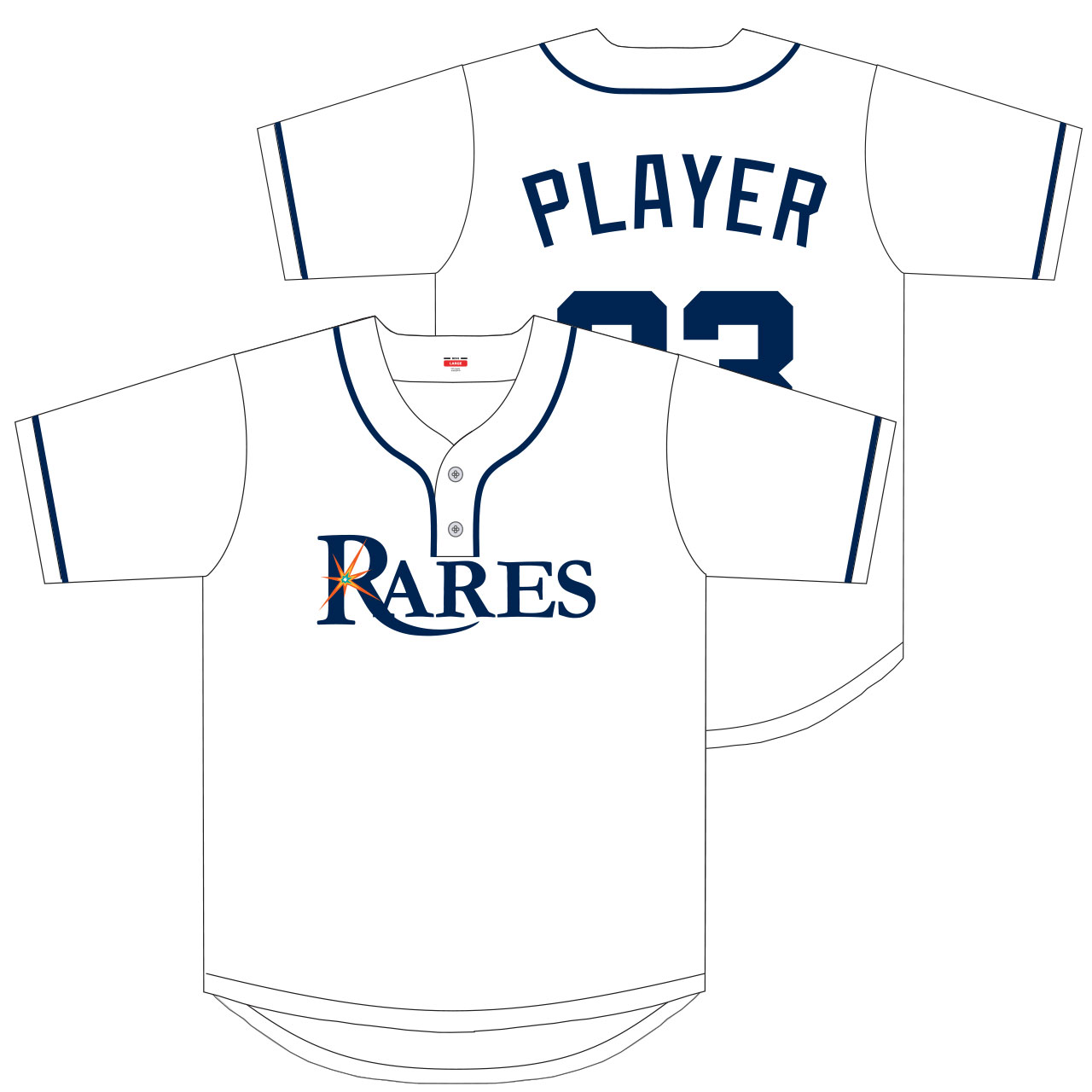
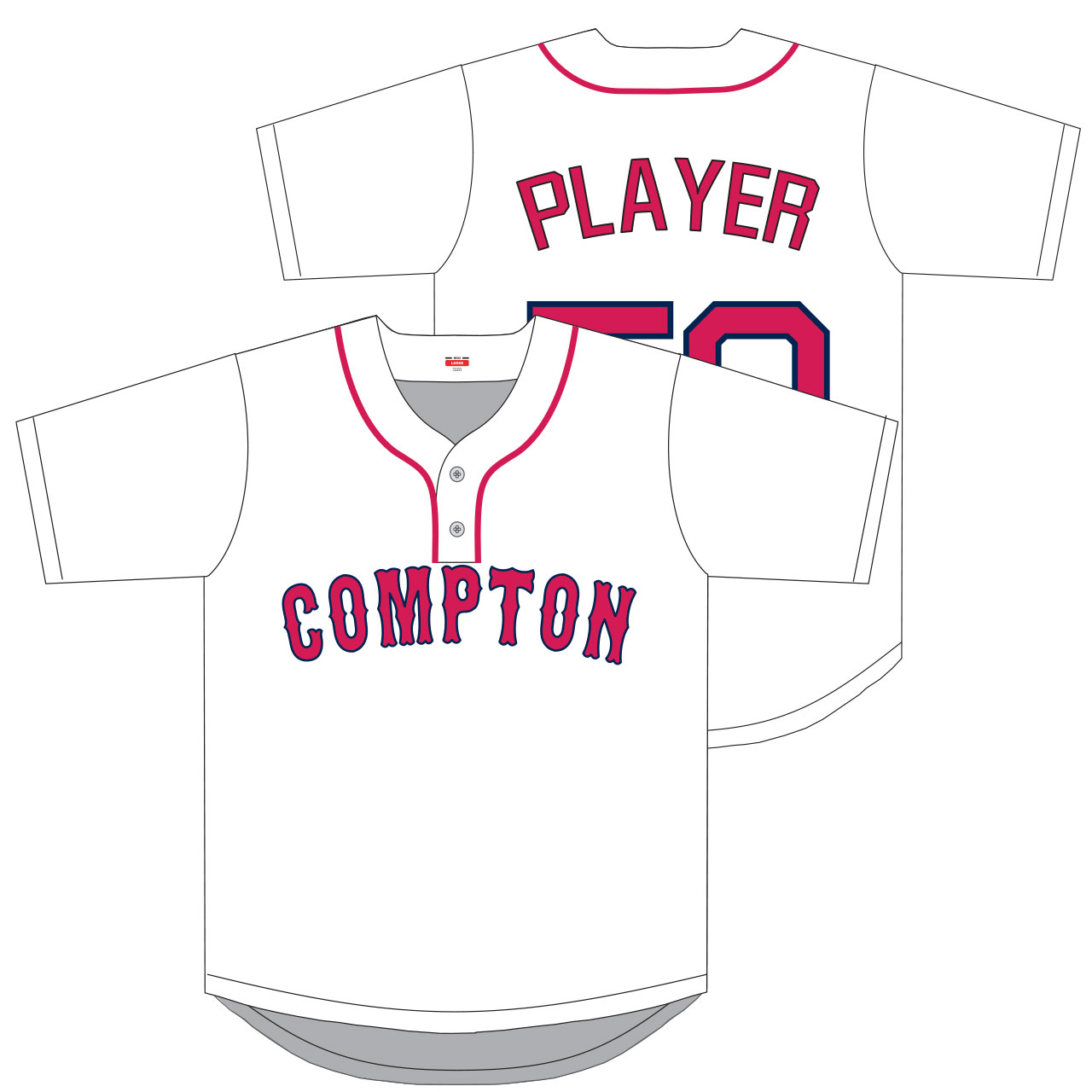
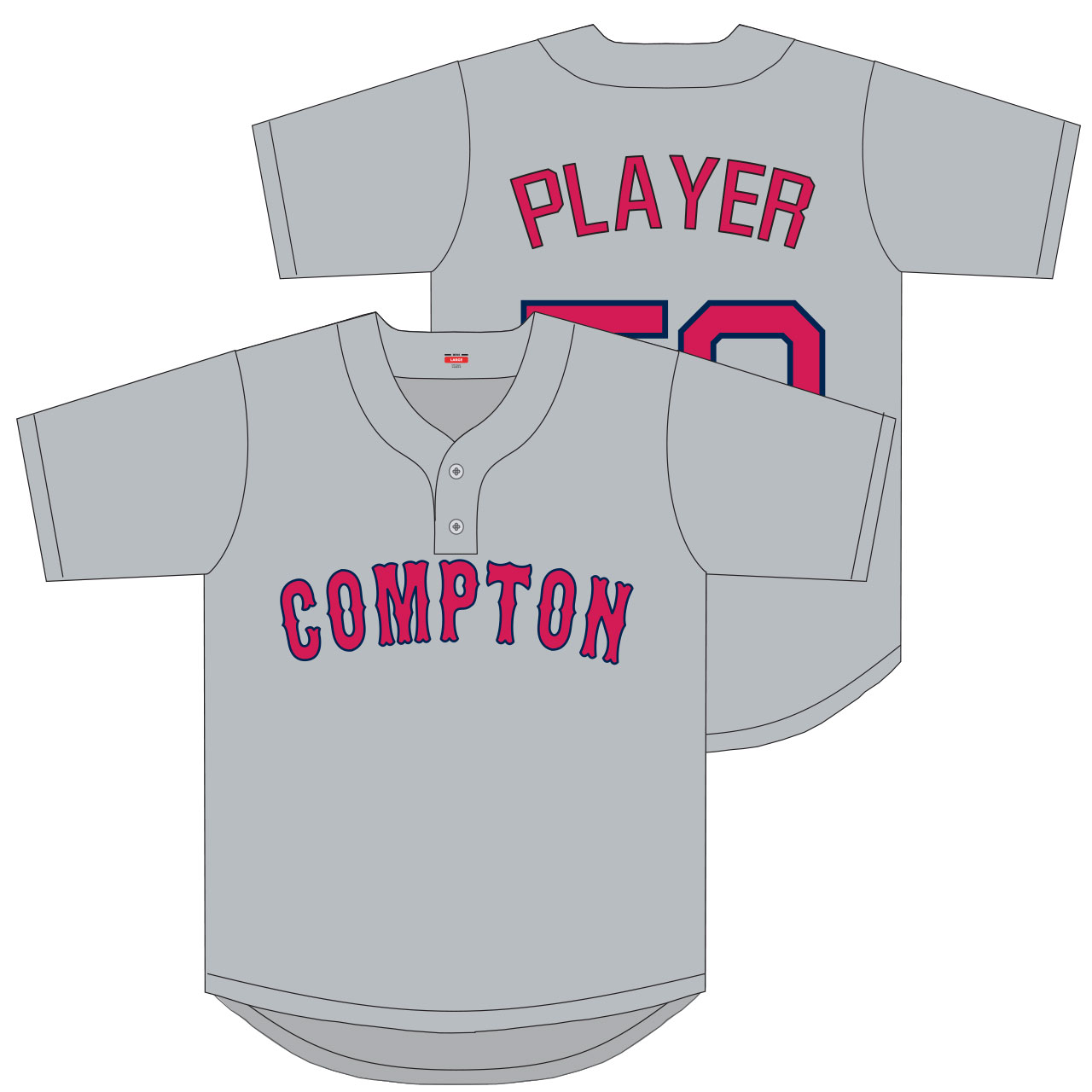
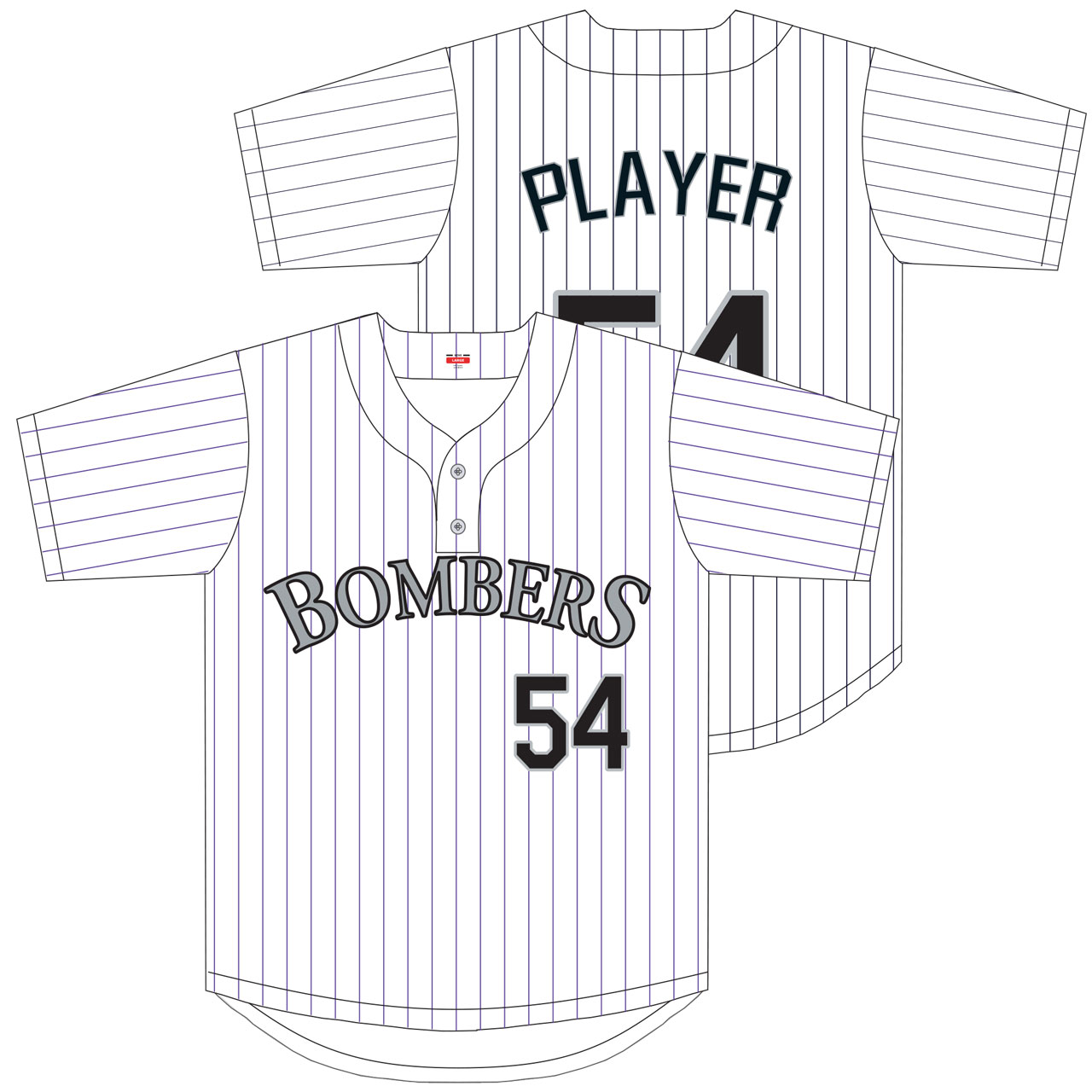
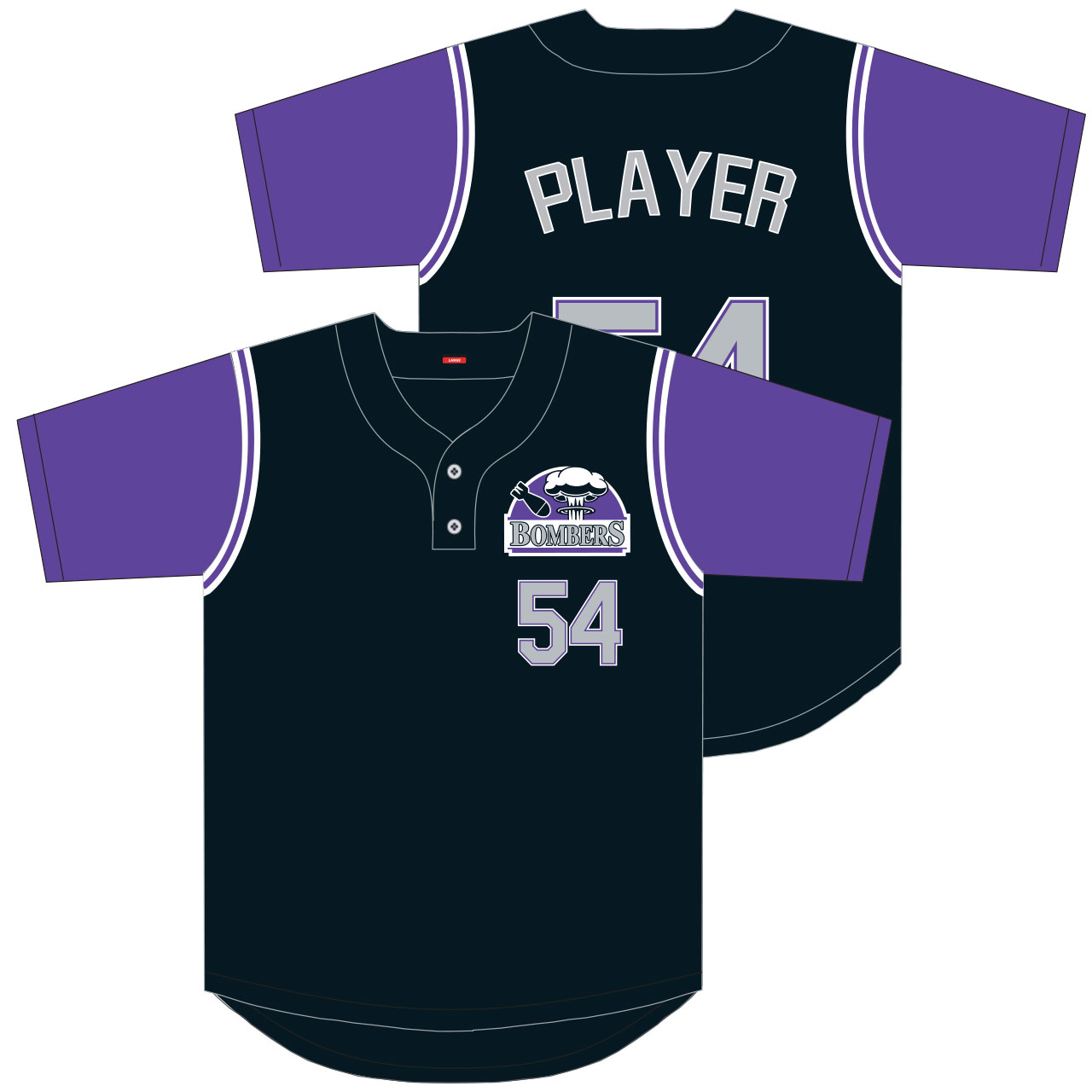
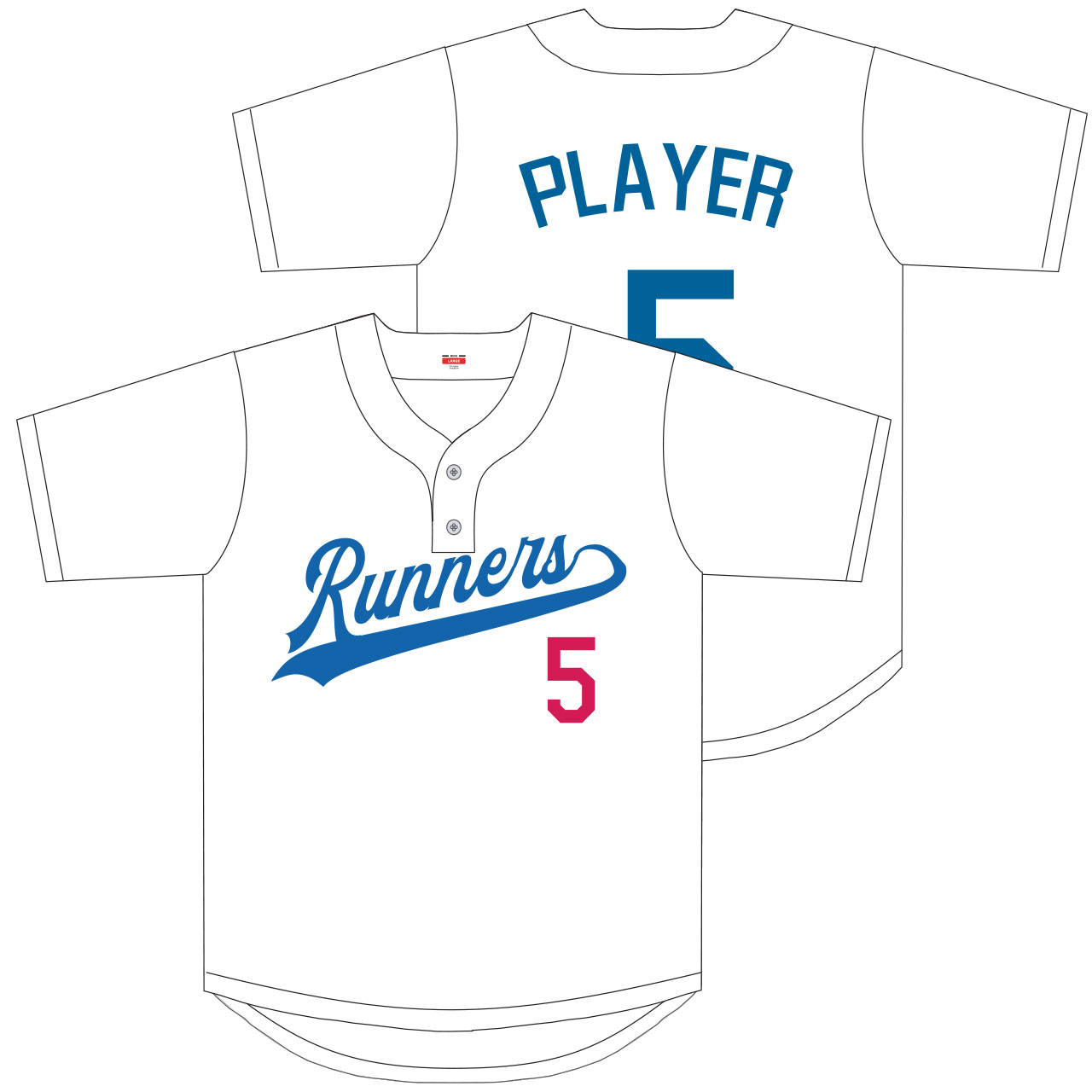
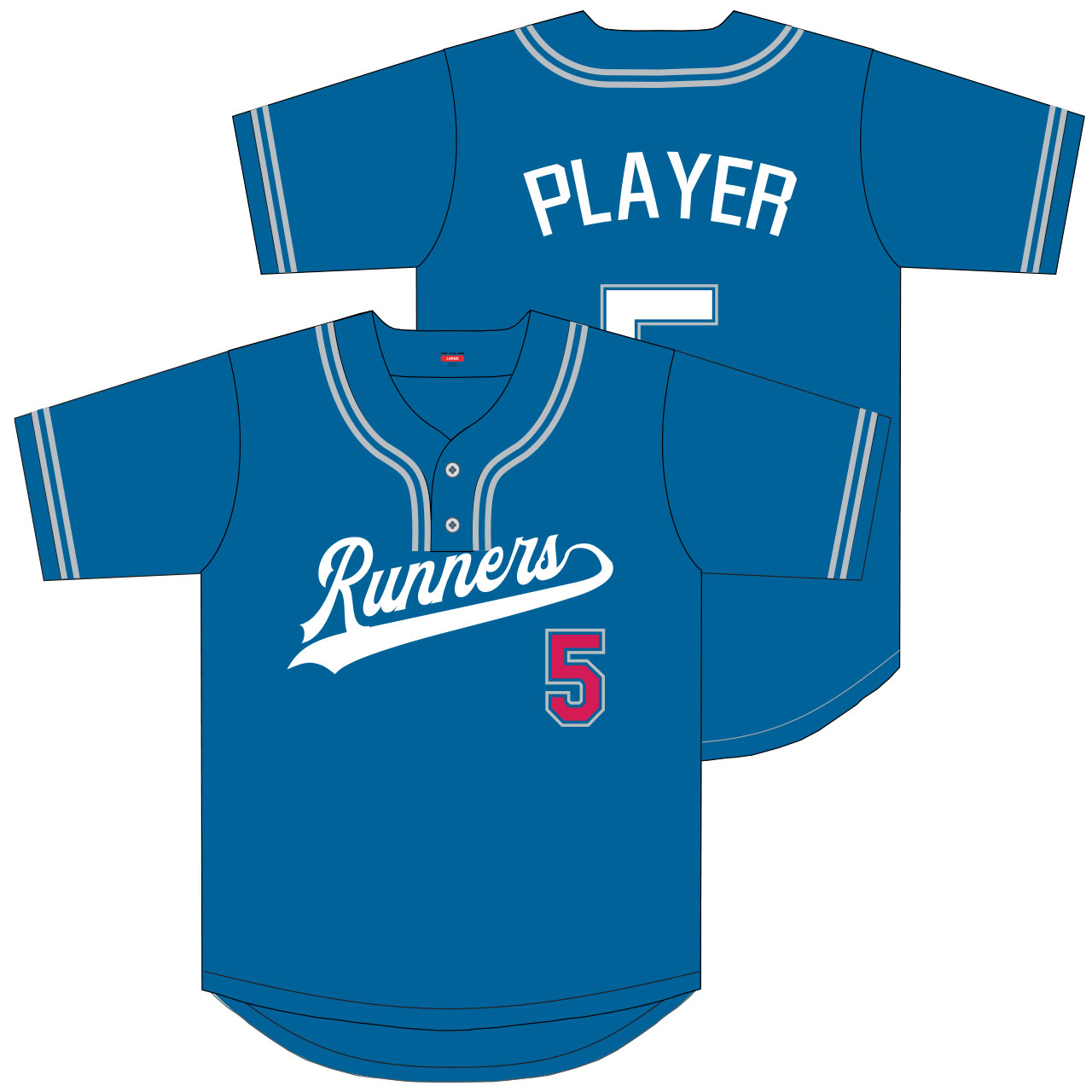
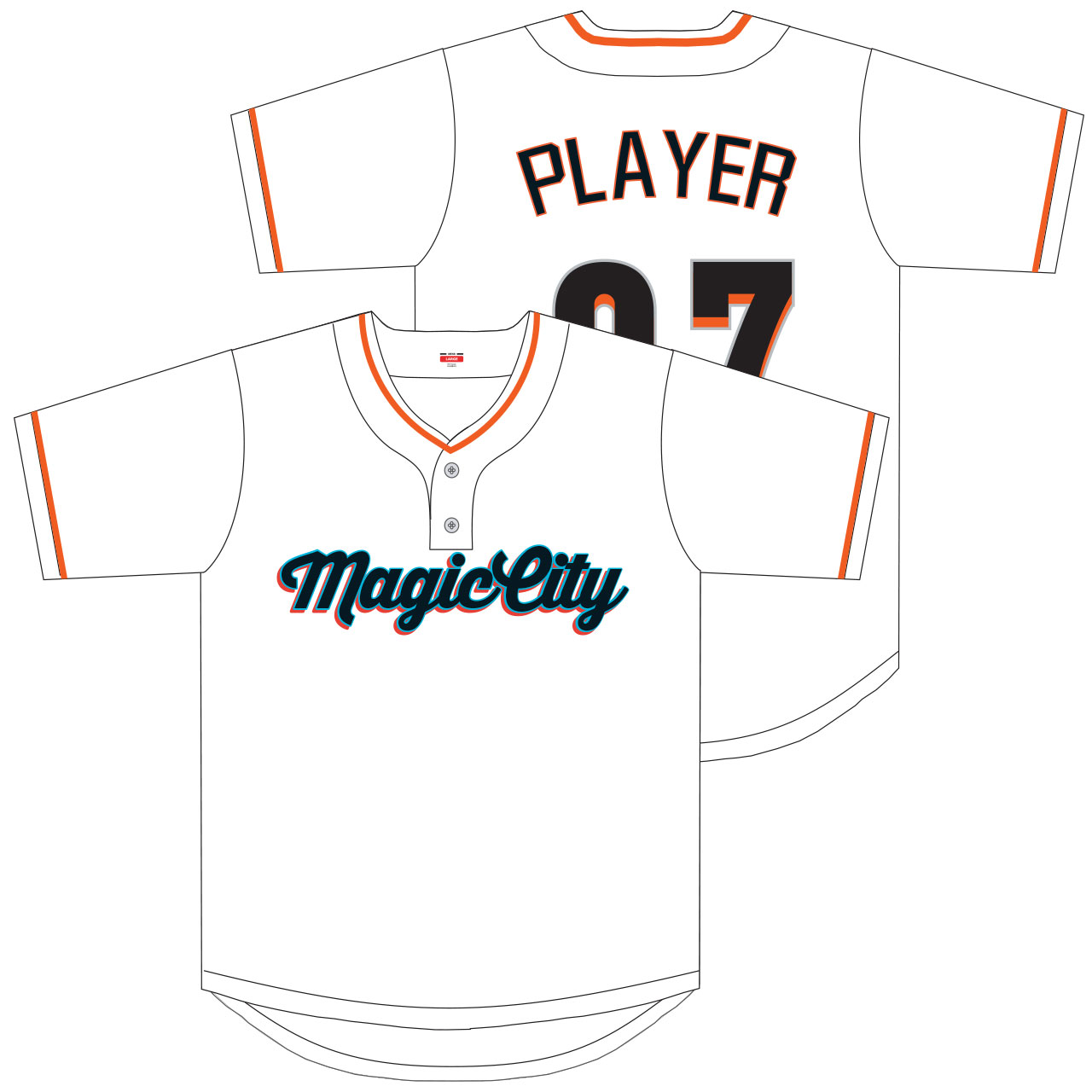
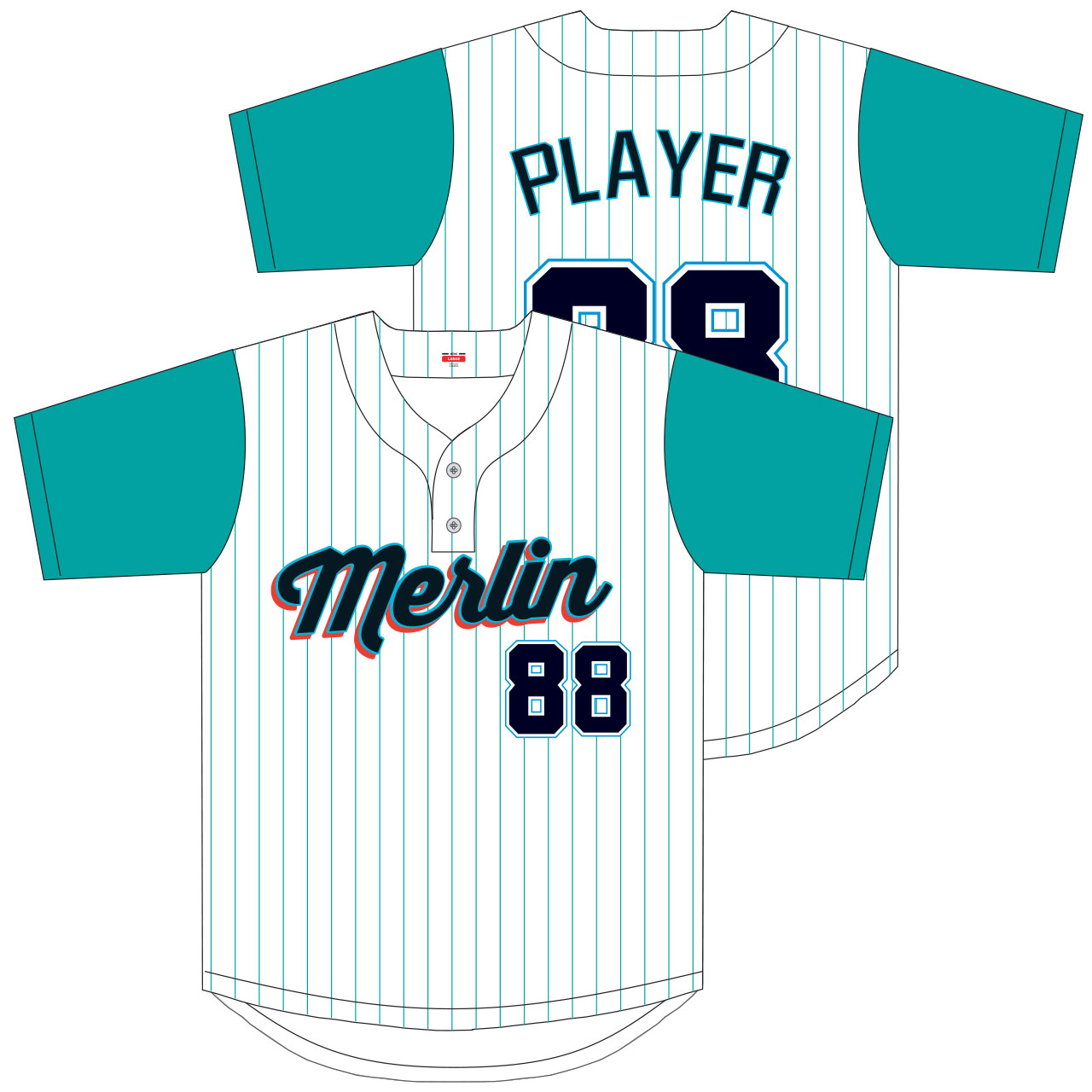
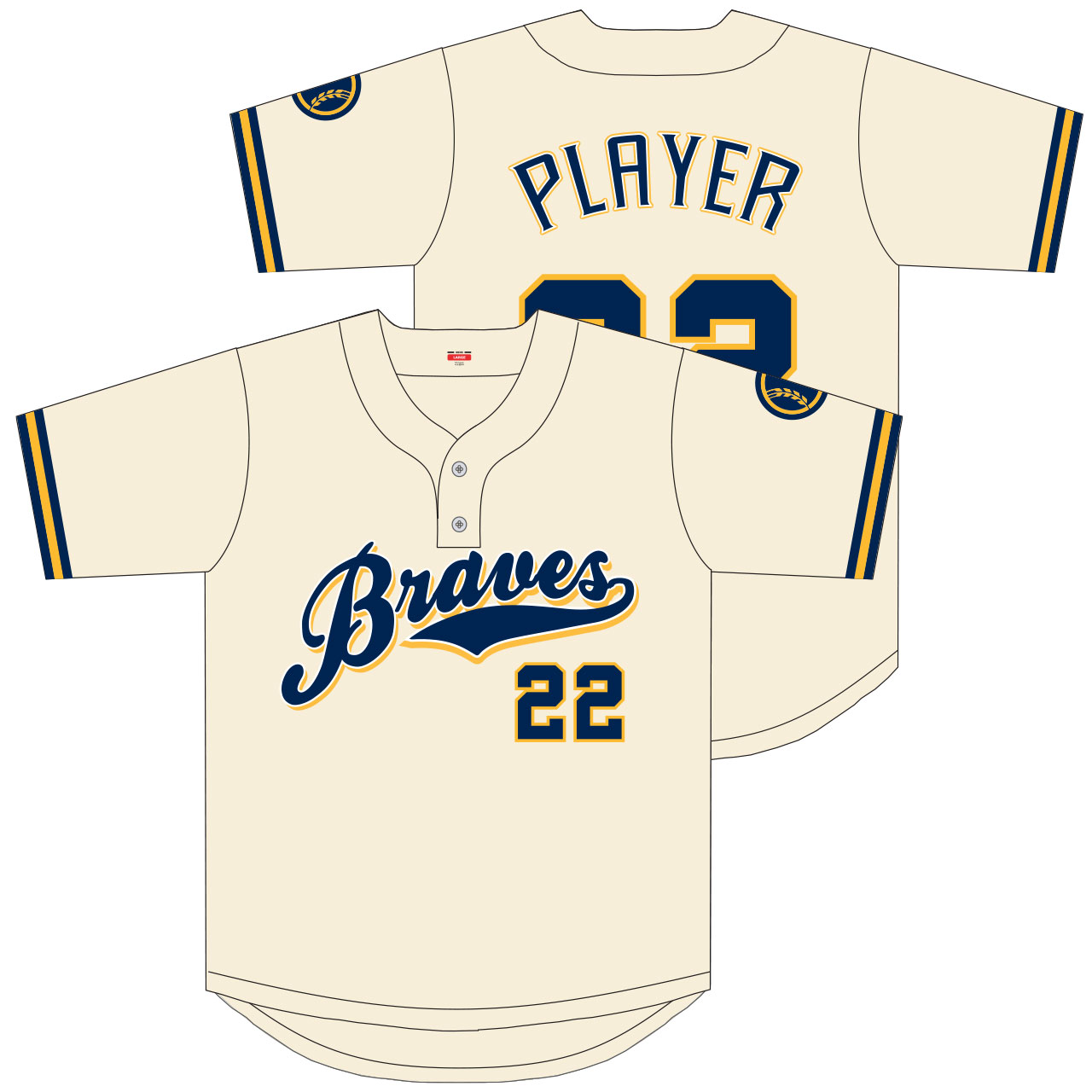
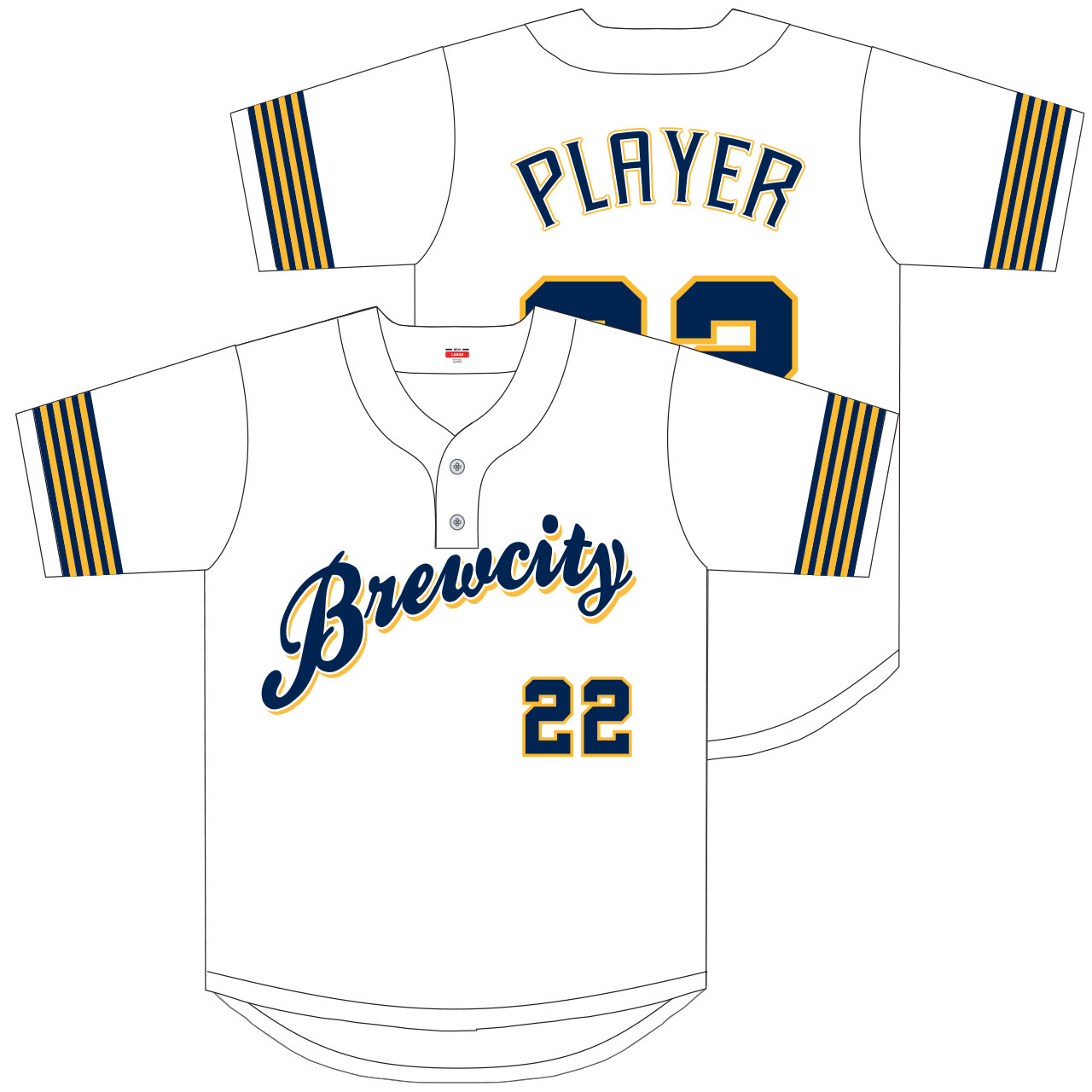
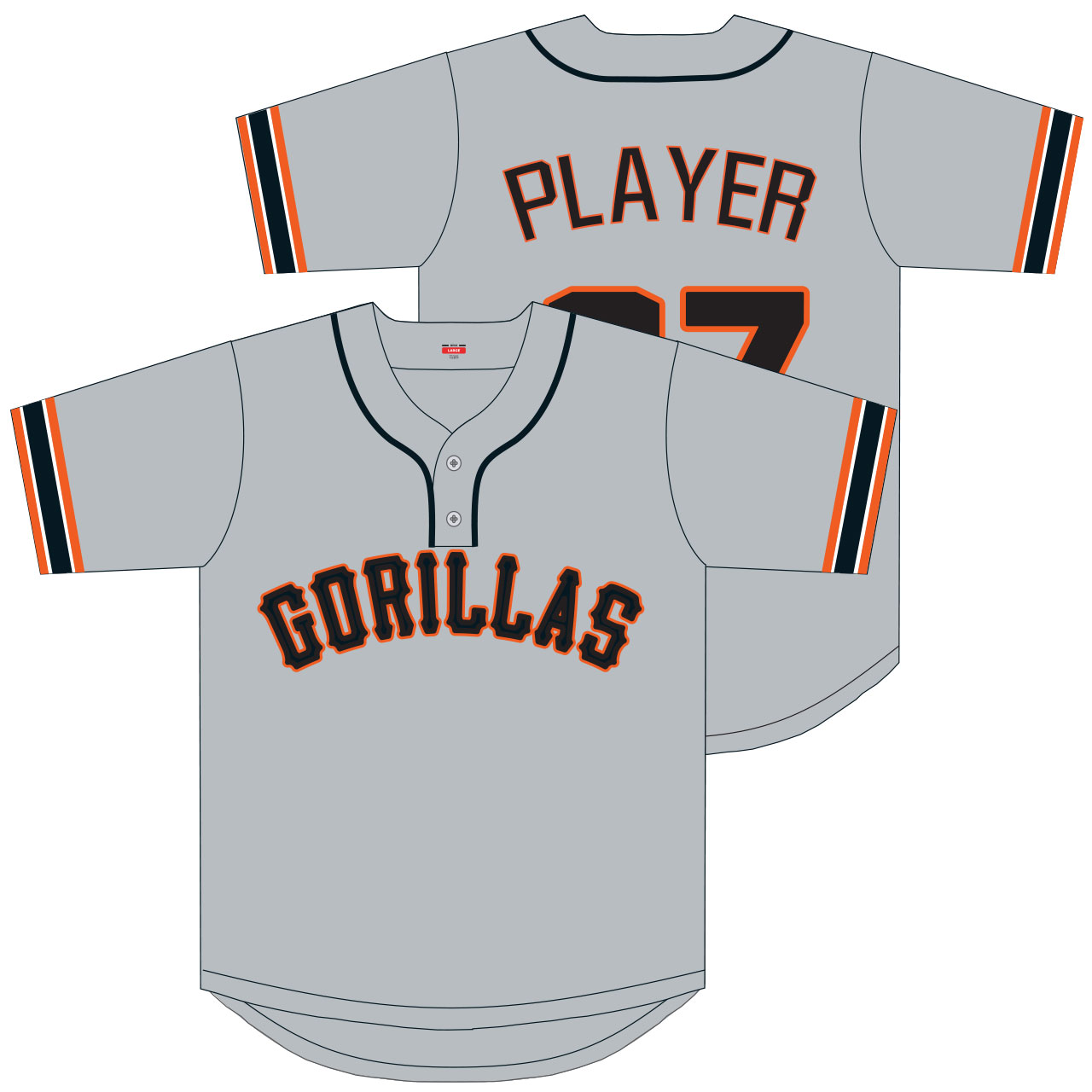
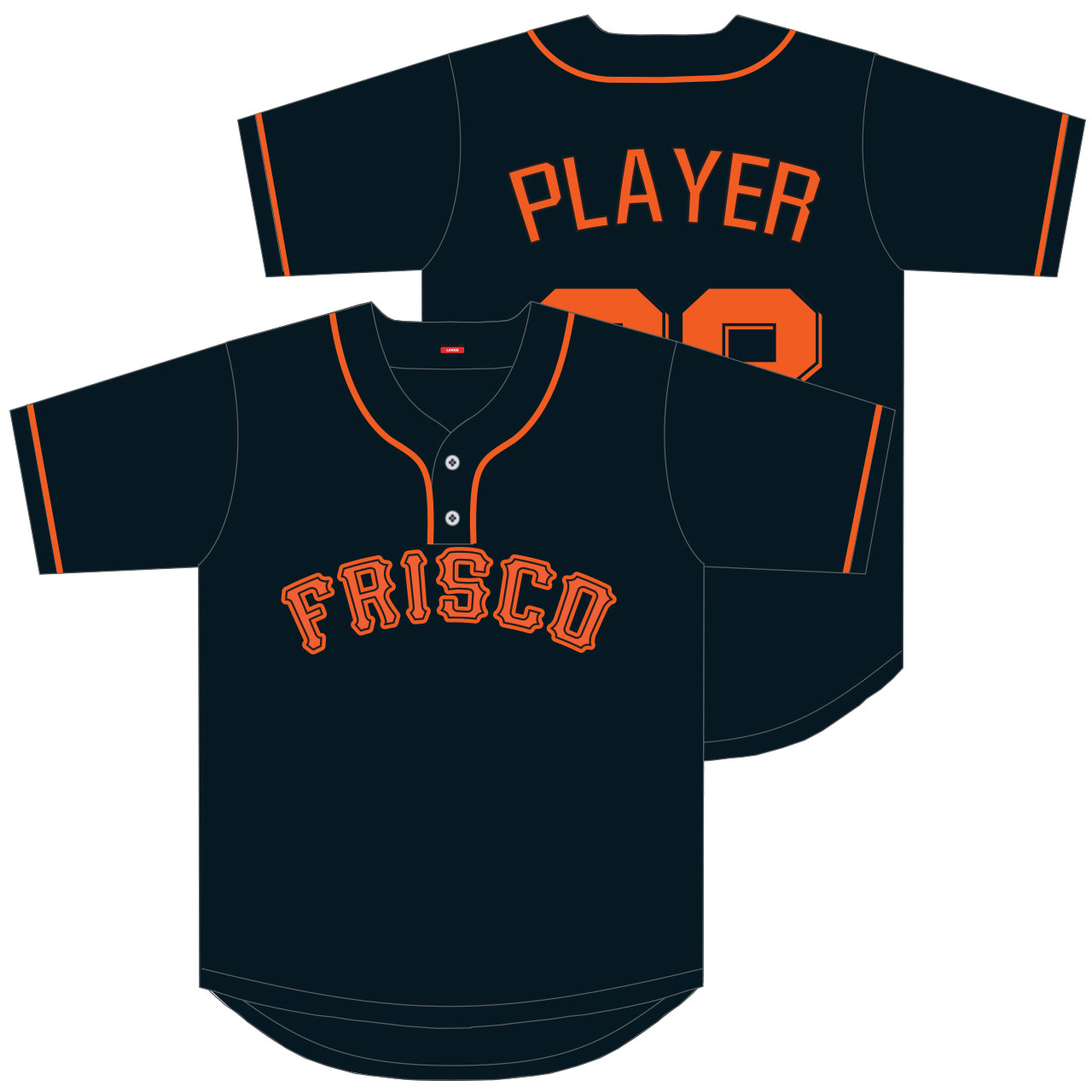
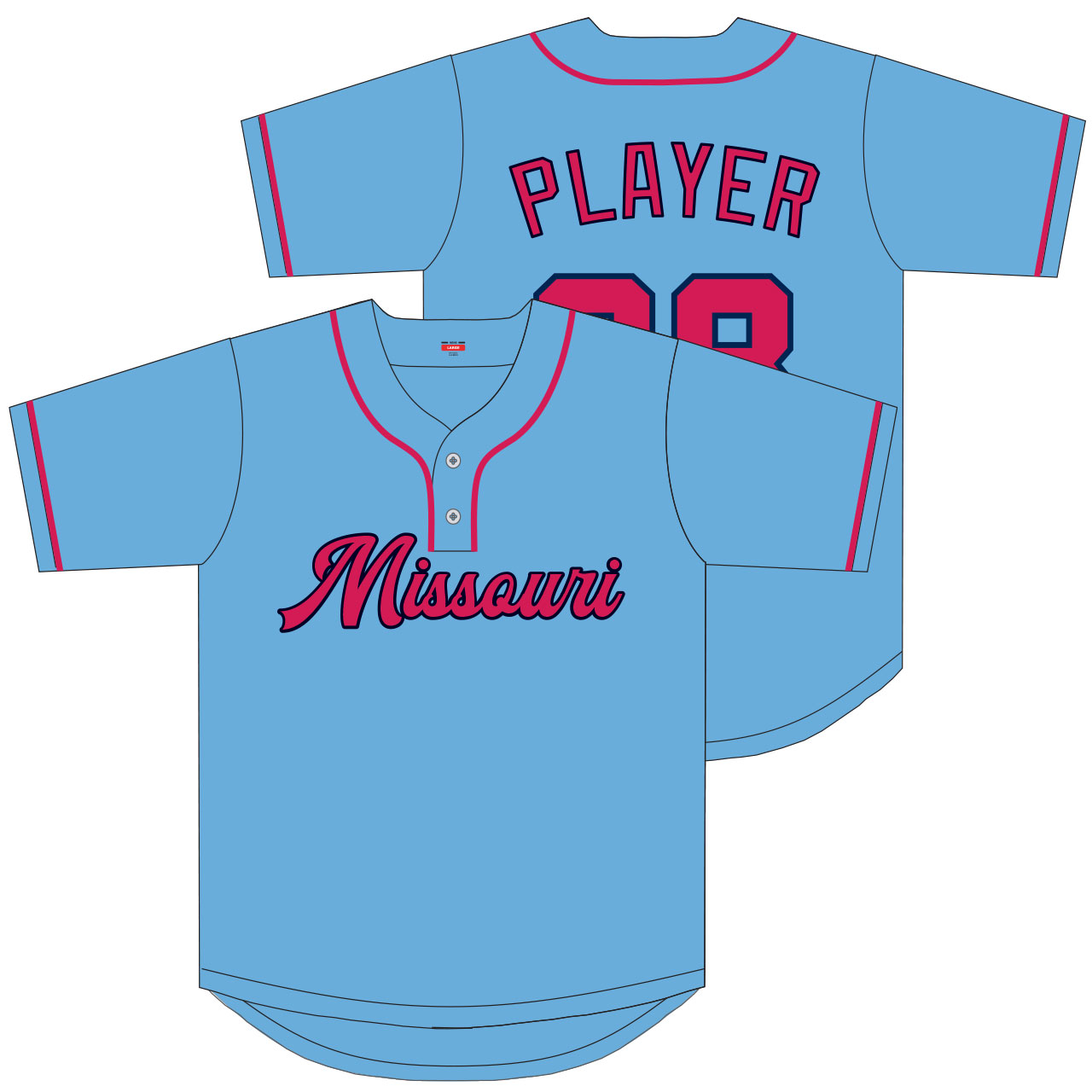
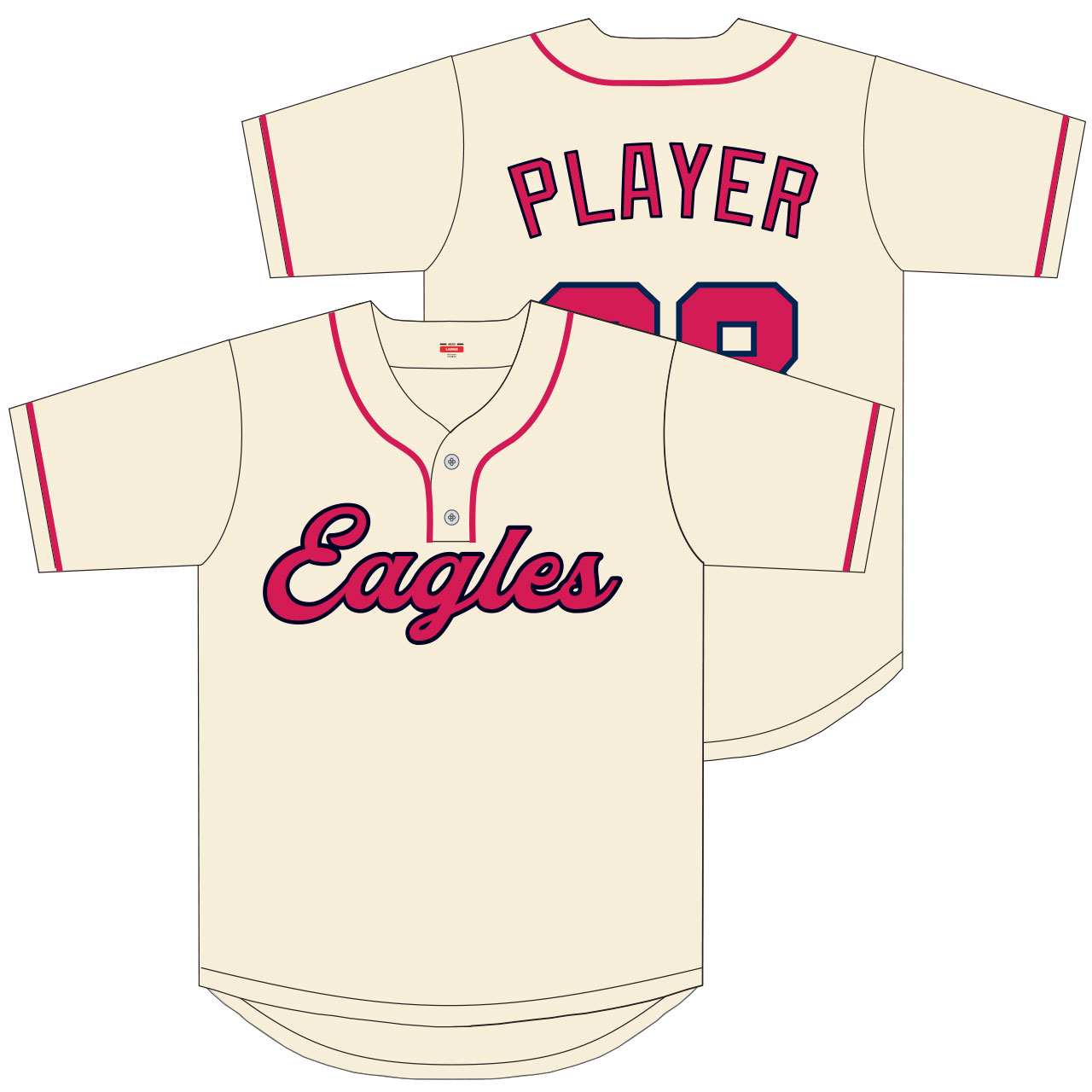
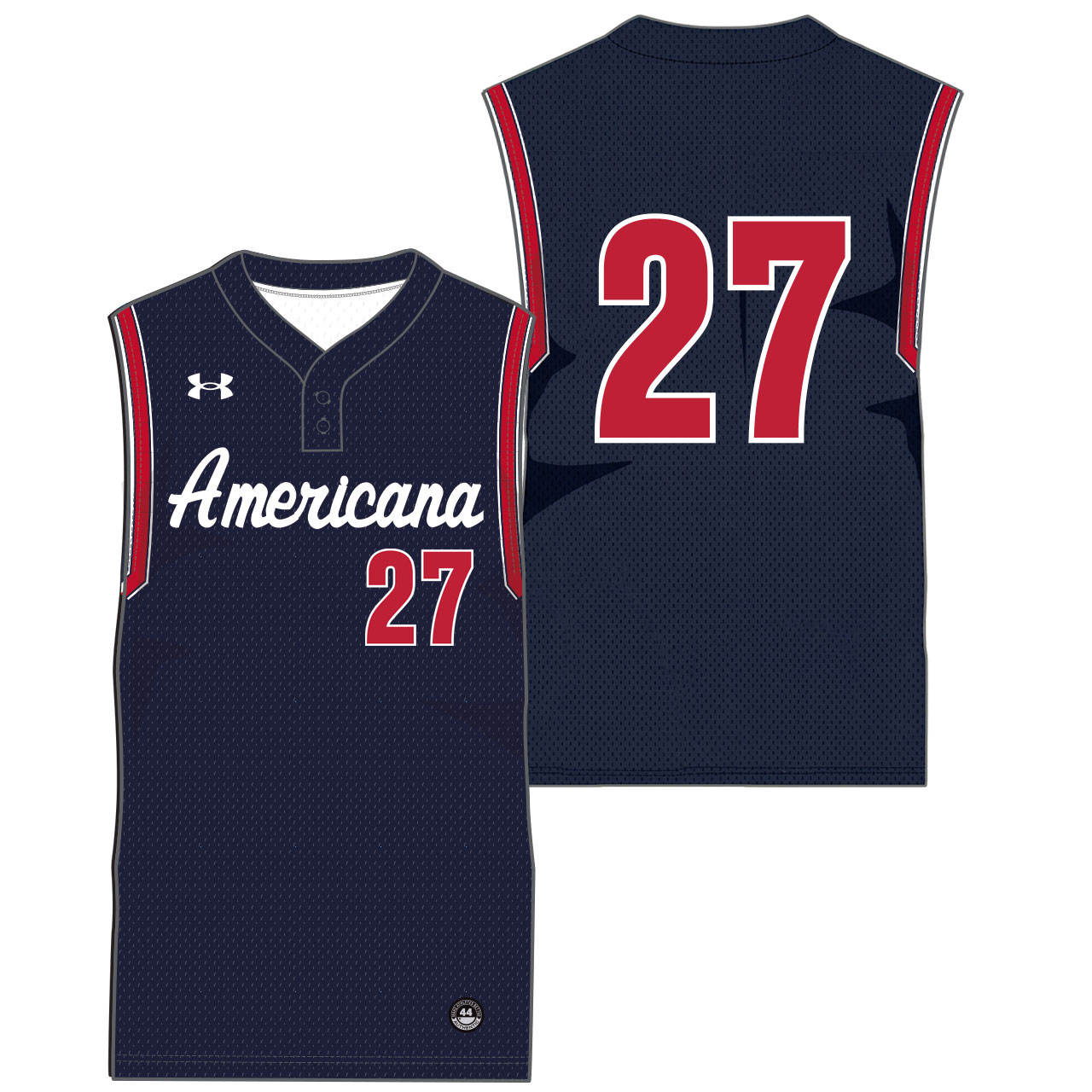
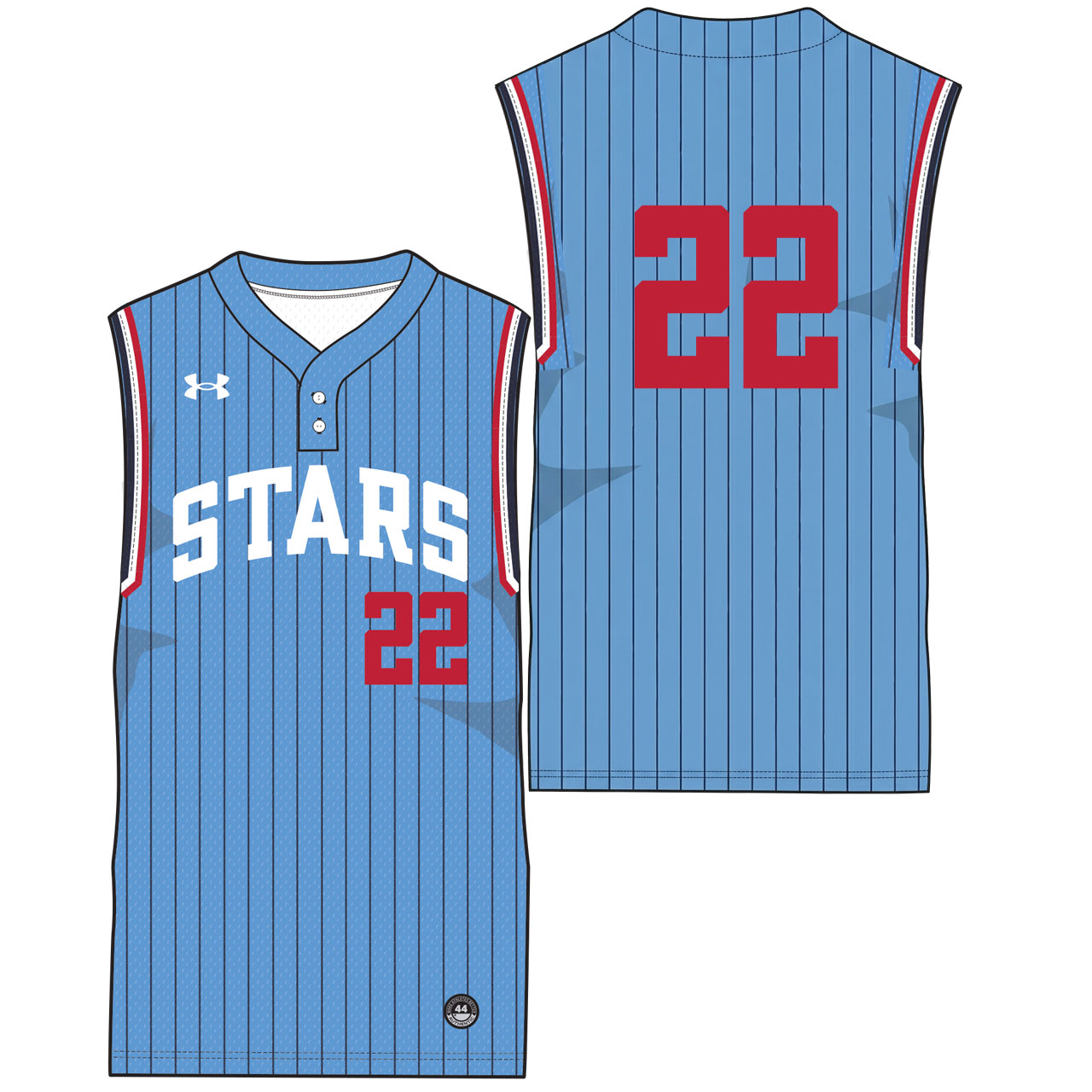
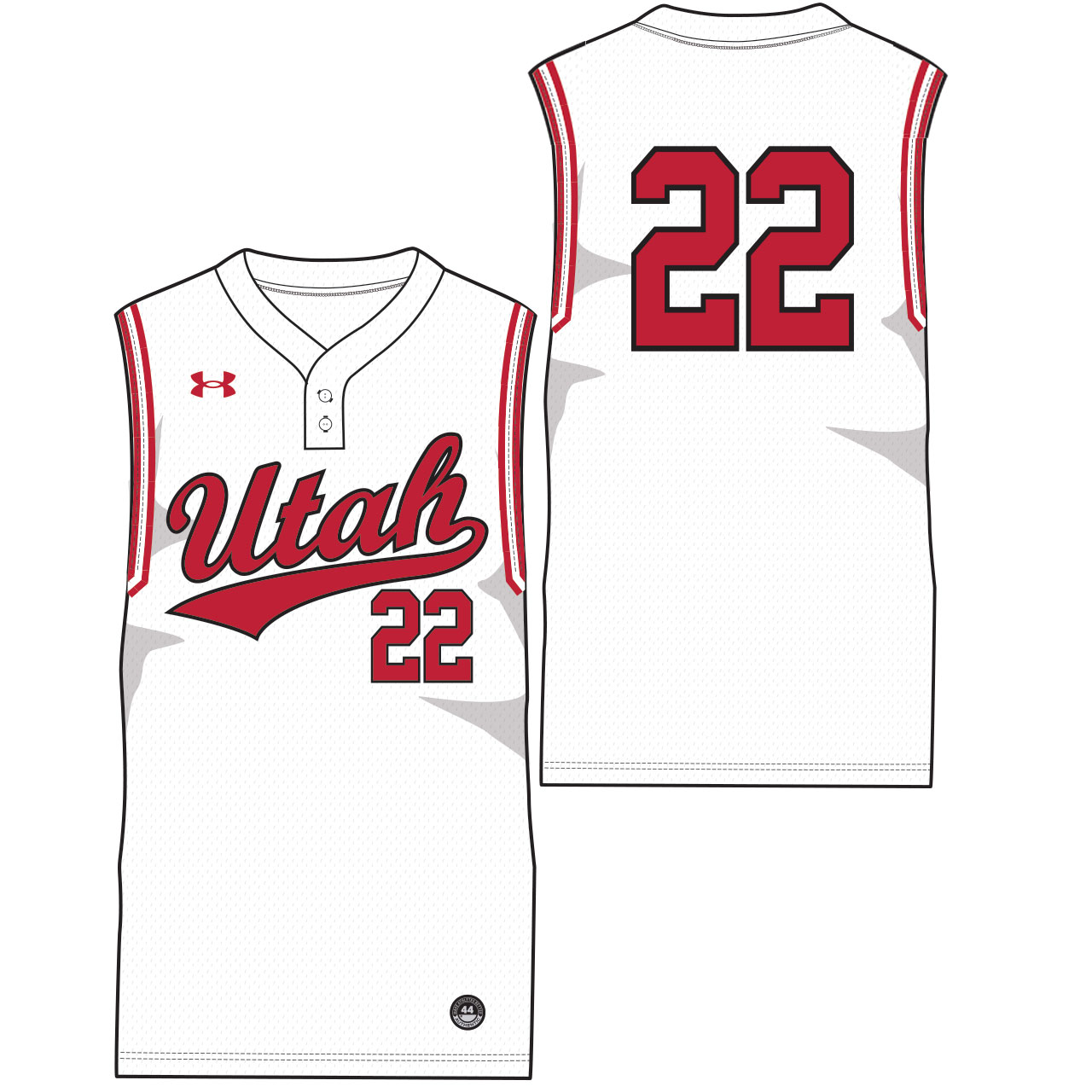
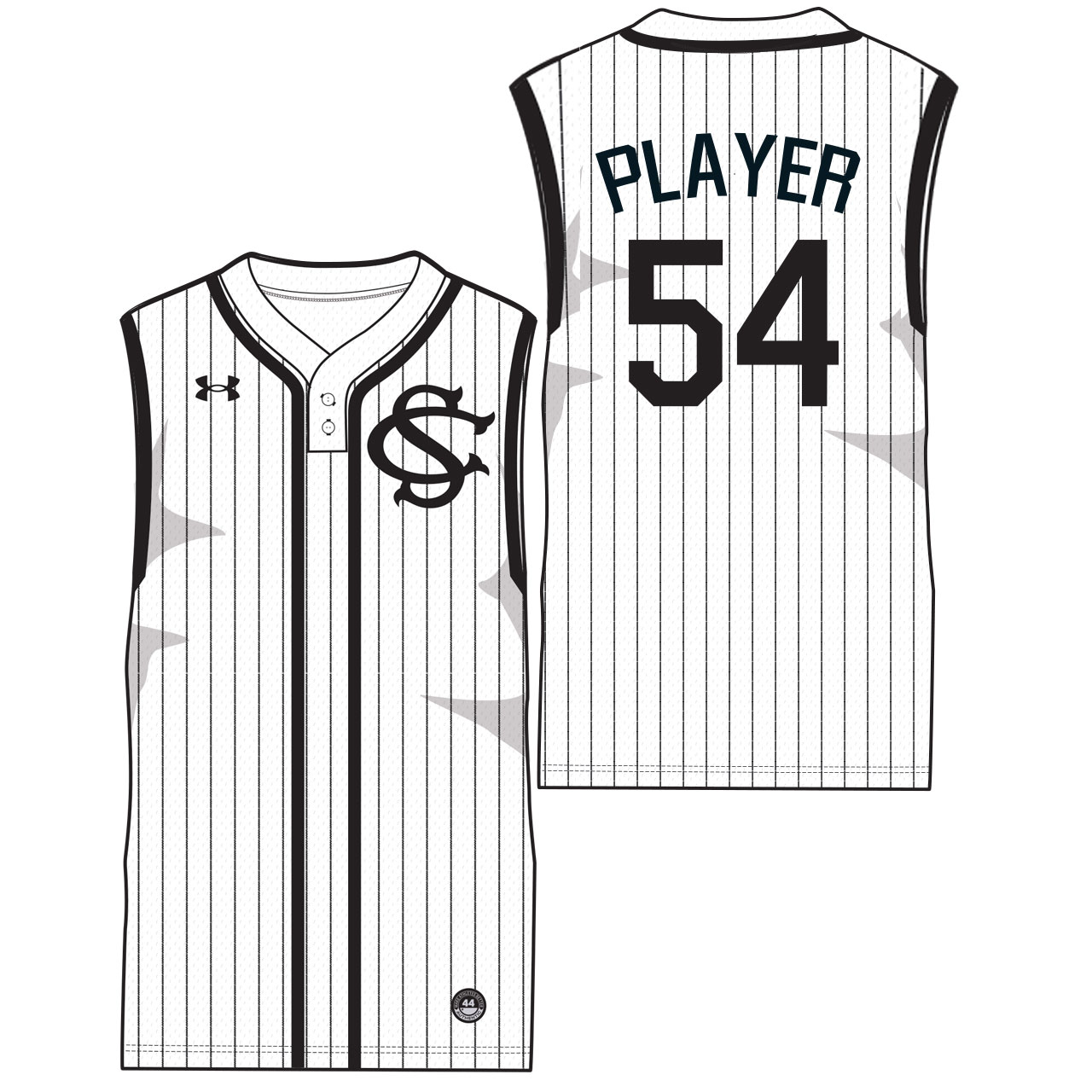
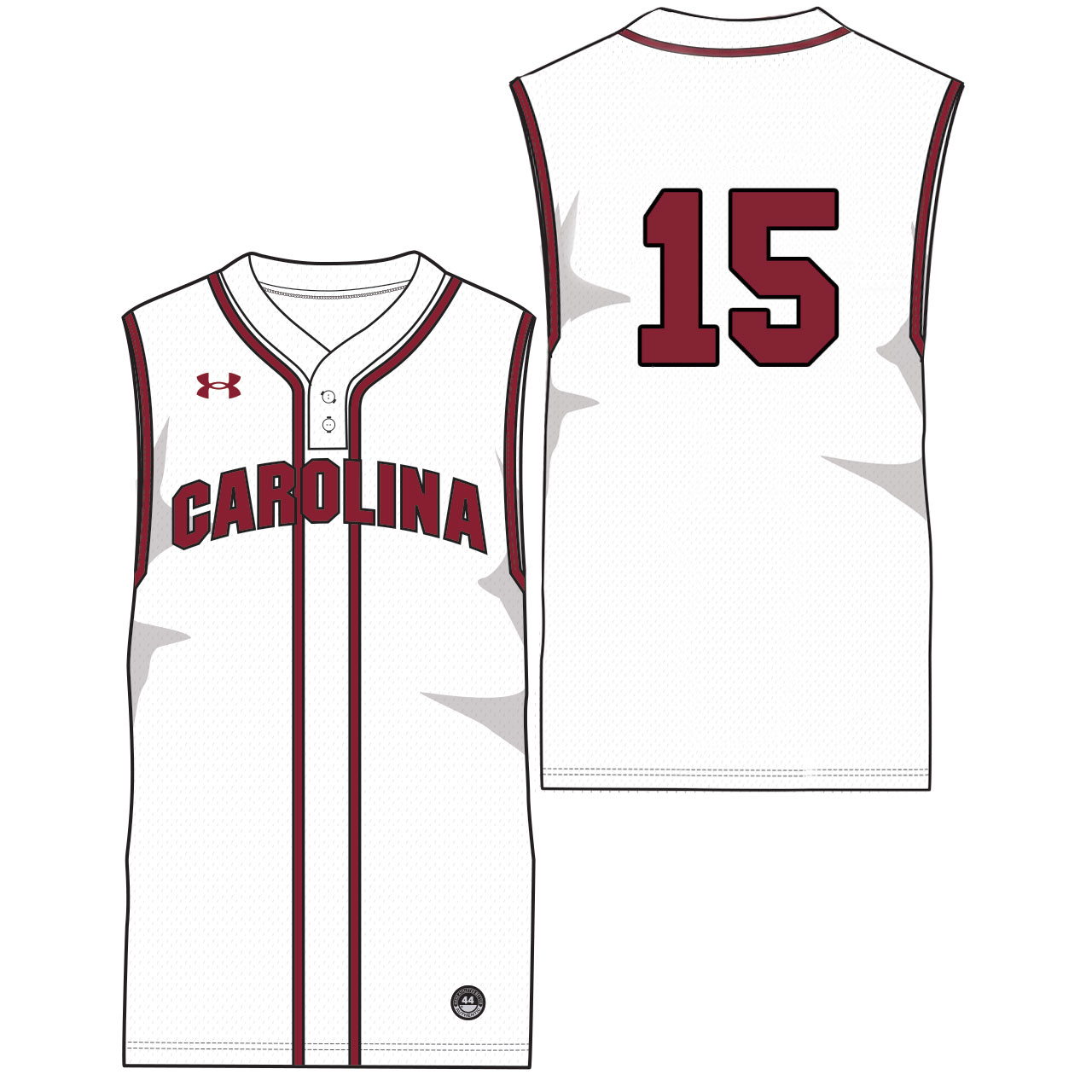
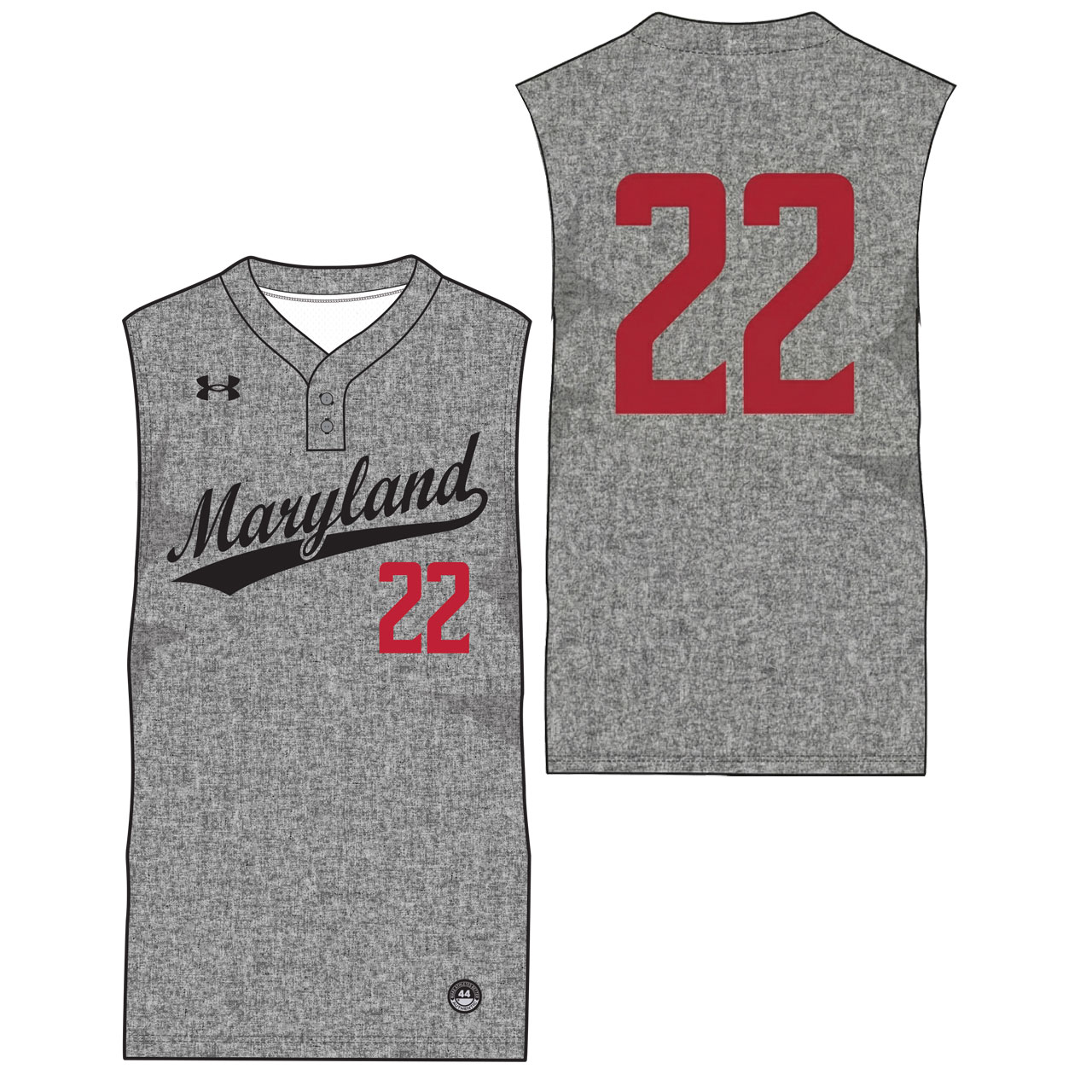
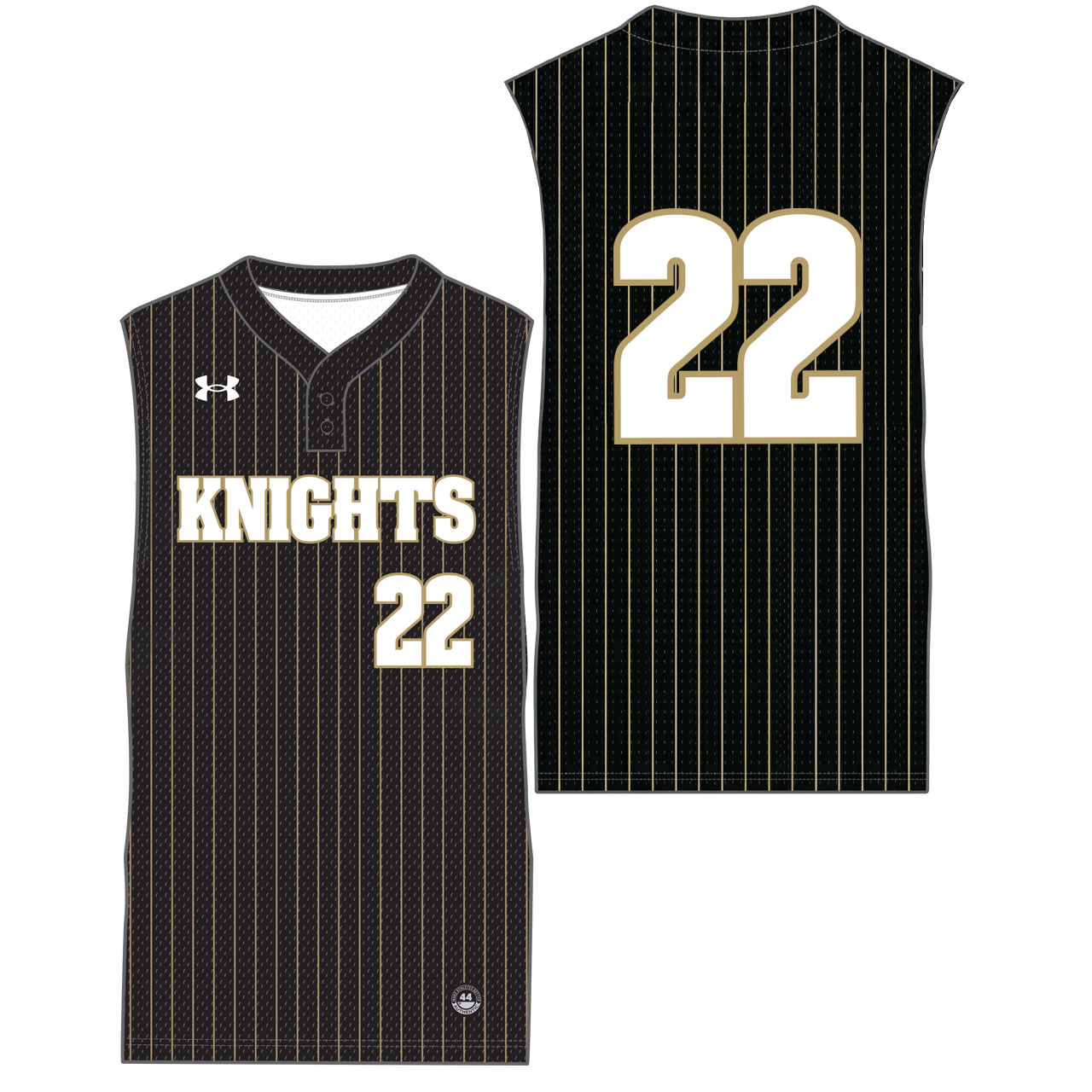
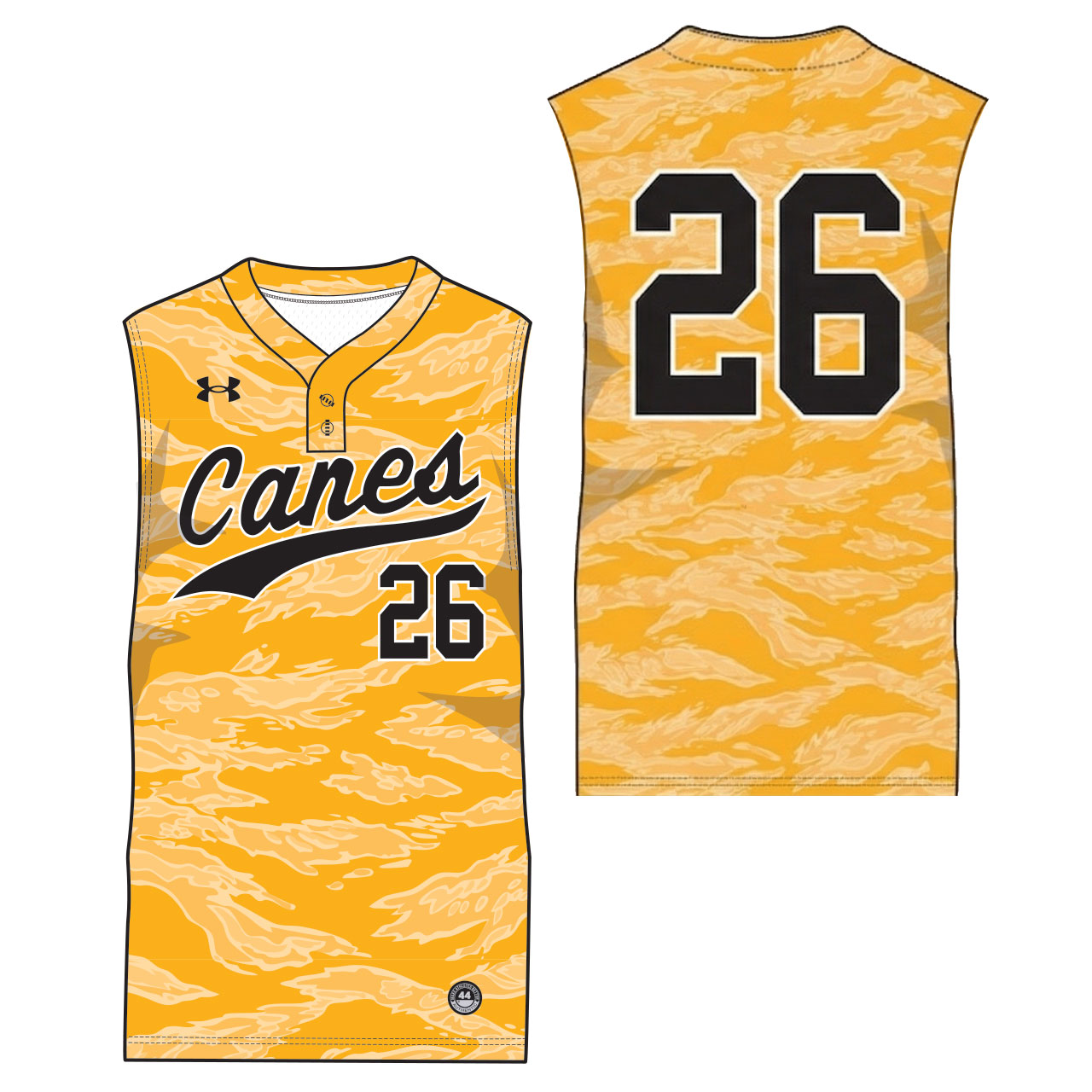
Two-button baseball jerseys bring a more athletic, contemporary look to the field. With a shorter placket and a cleaner chest, the design opens up more uninterrupted space for large graphics, bold color blocking, and all-over sublimation patterns that can run edge-to-edge without a button row cutting through the design. If your team's look leans modern, aggressive, or graphic-heavy, the two-button style is a natural fit.
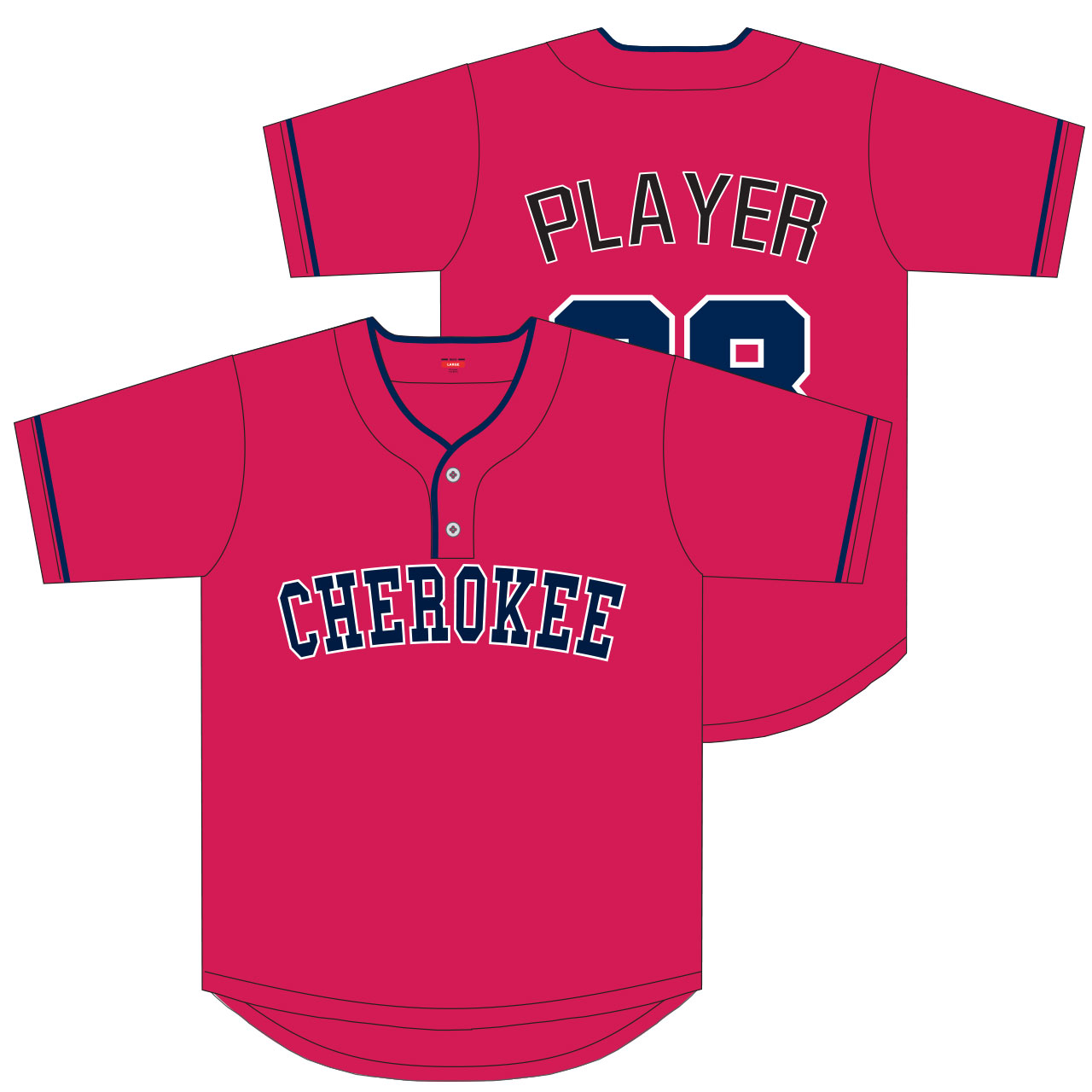
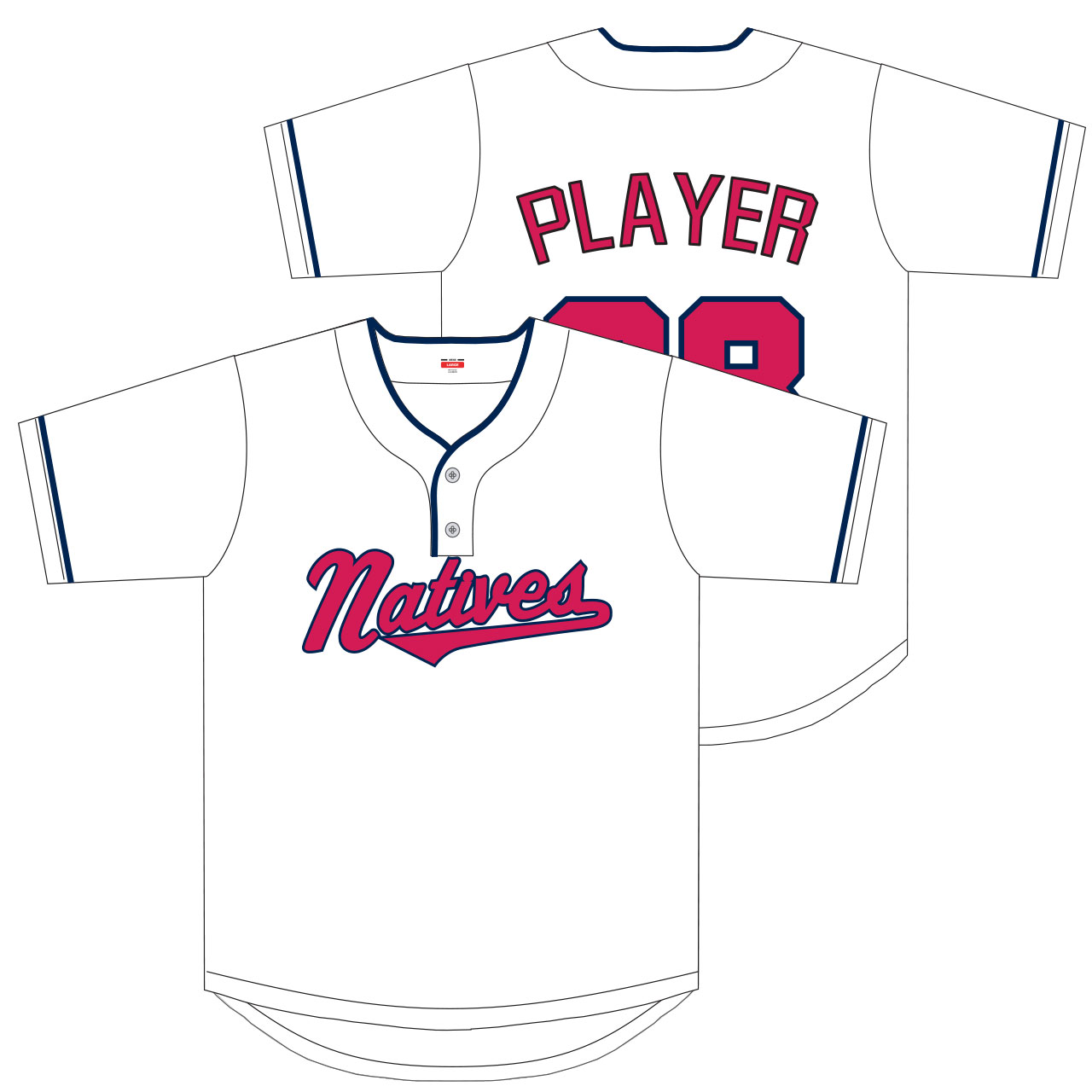
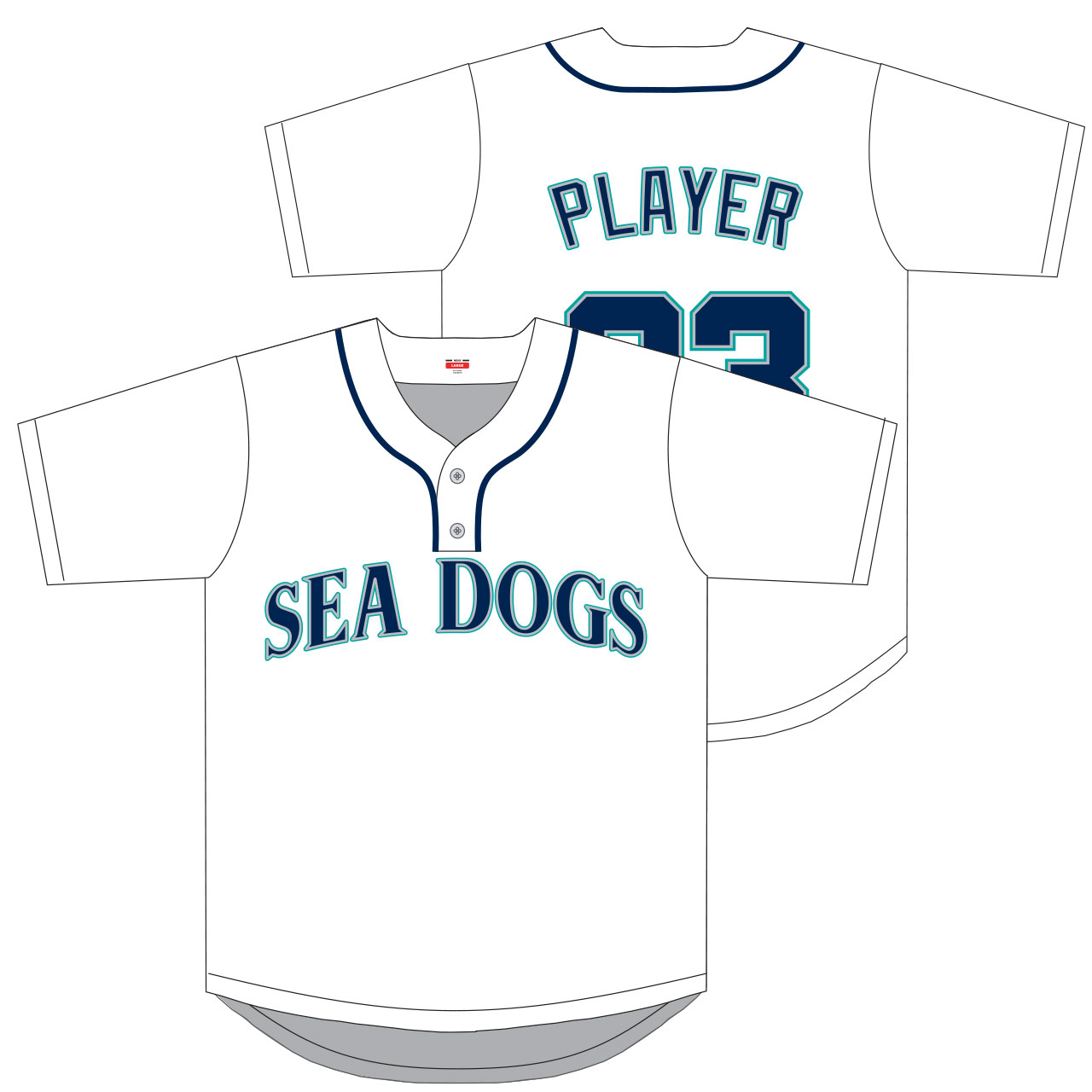
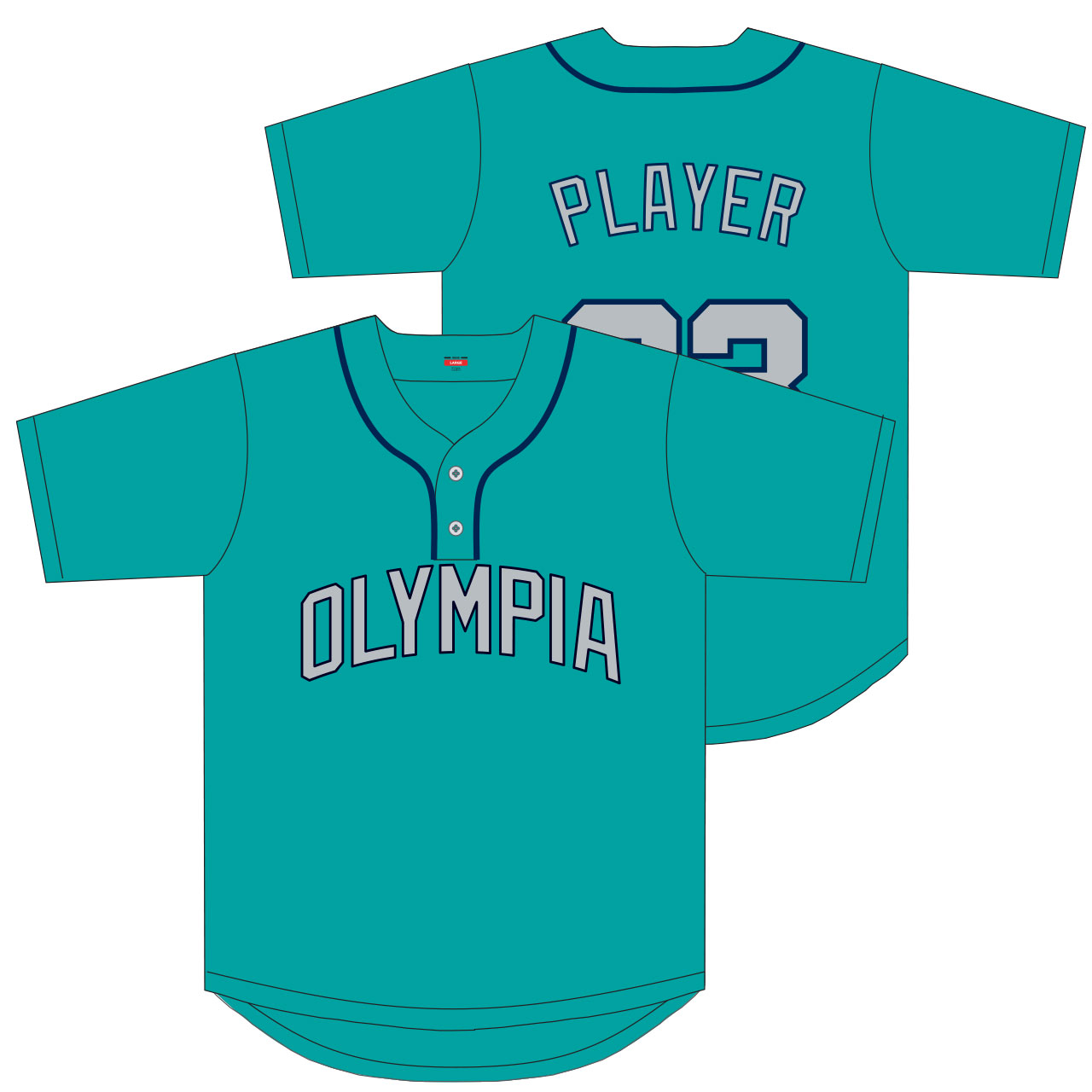
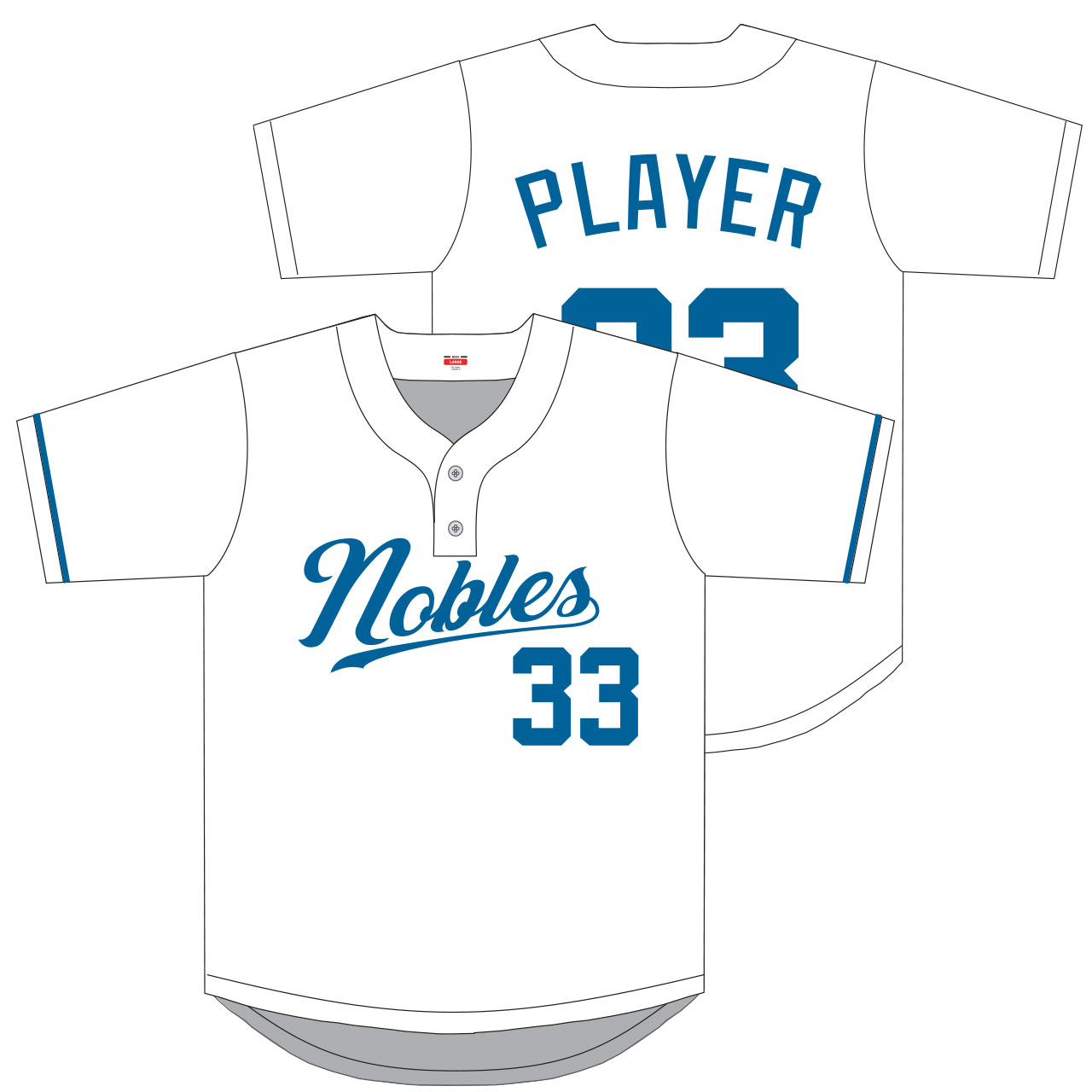
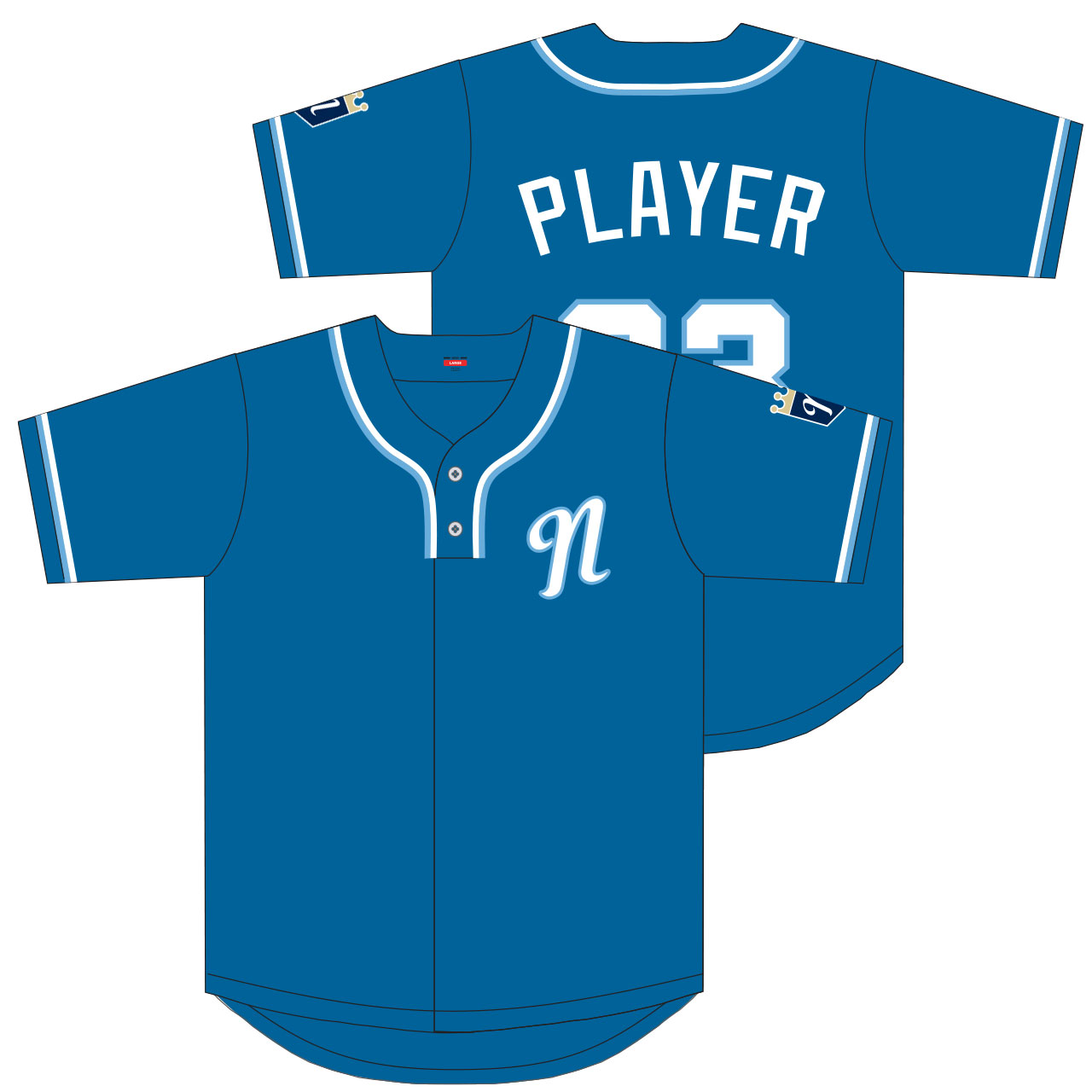
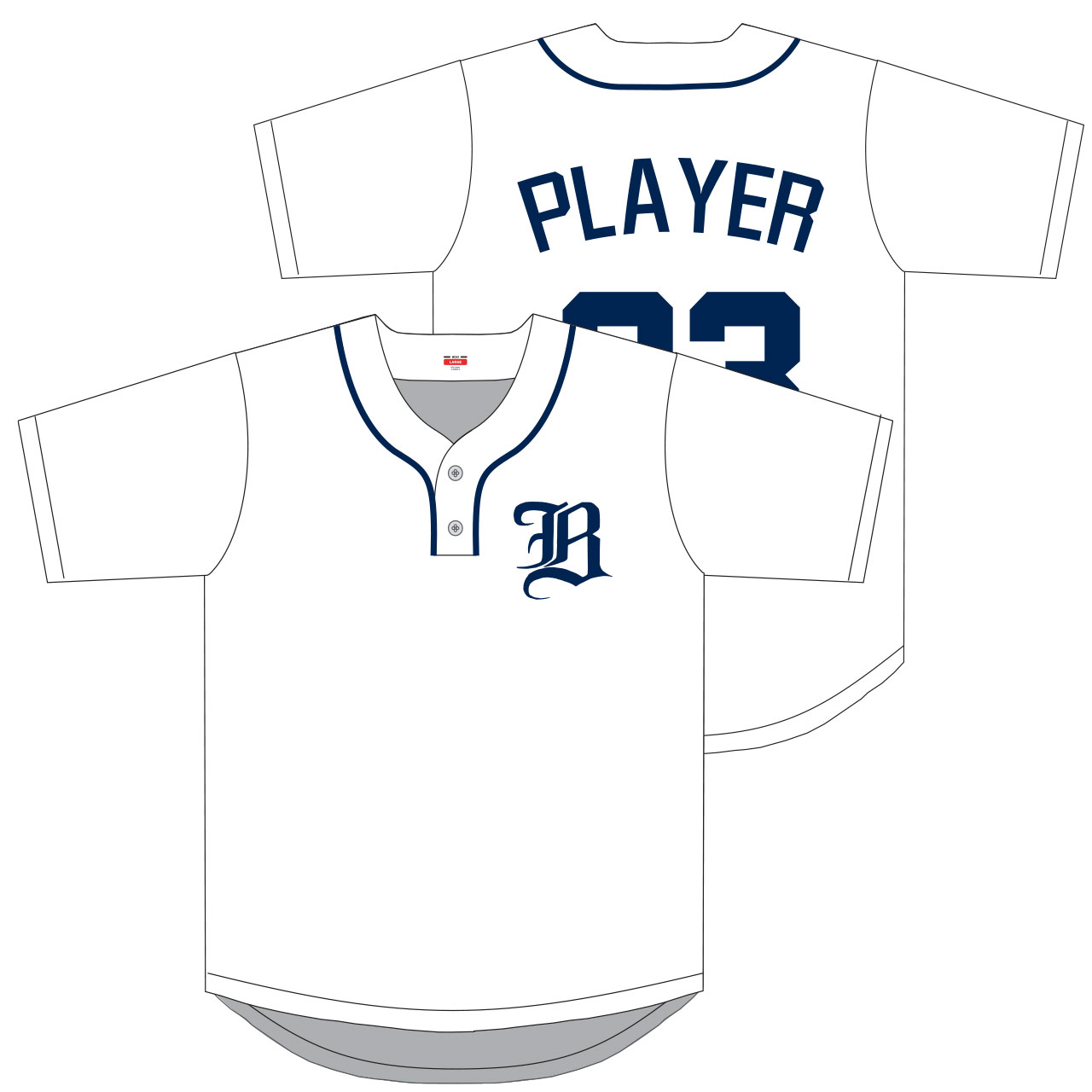
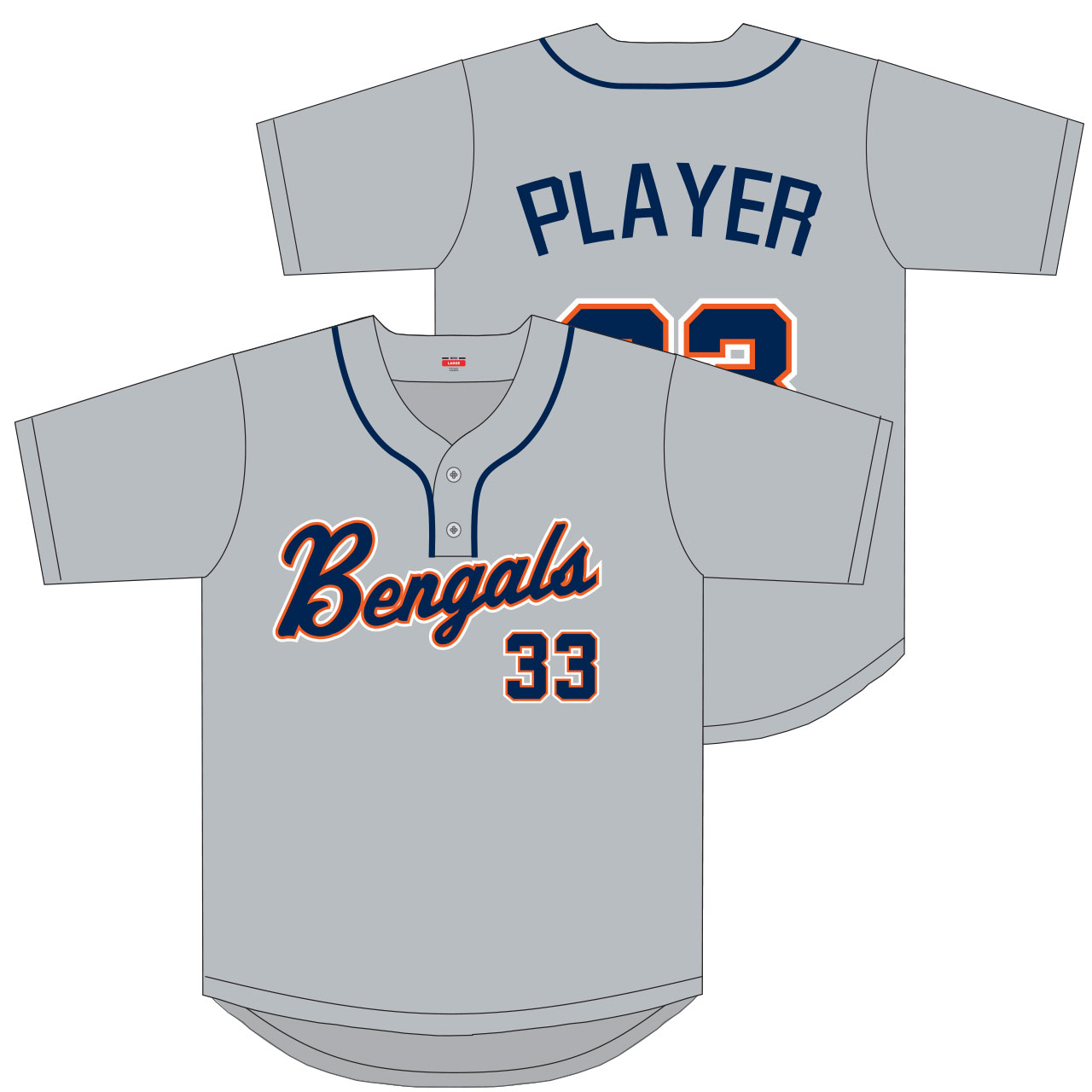
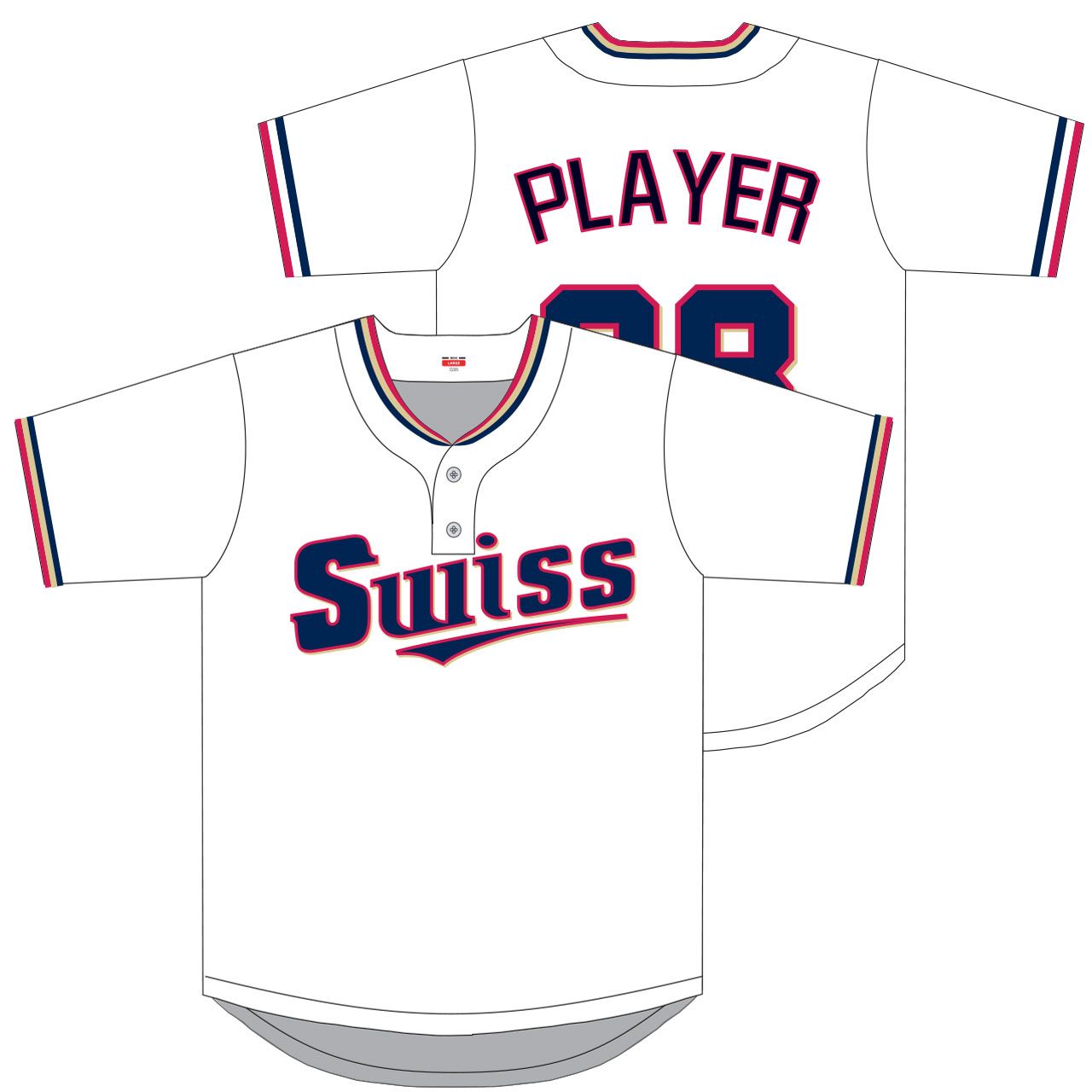
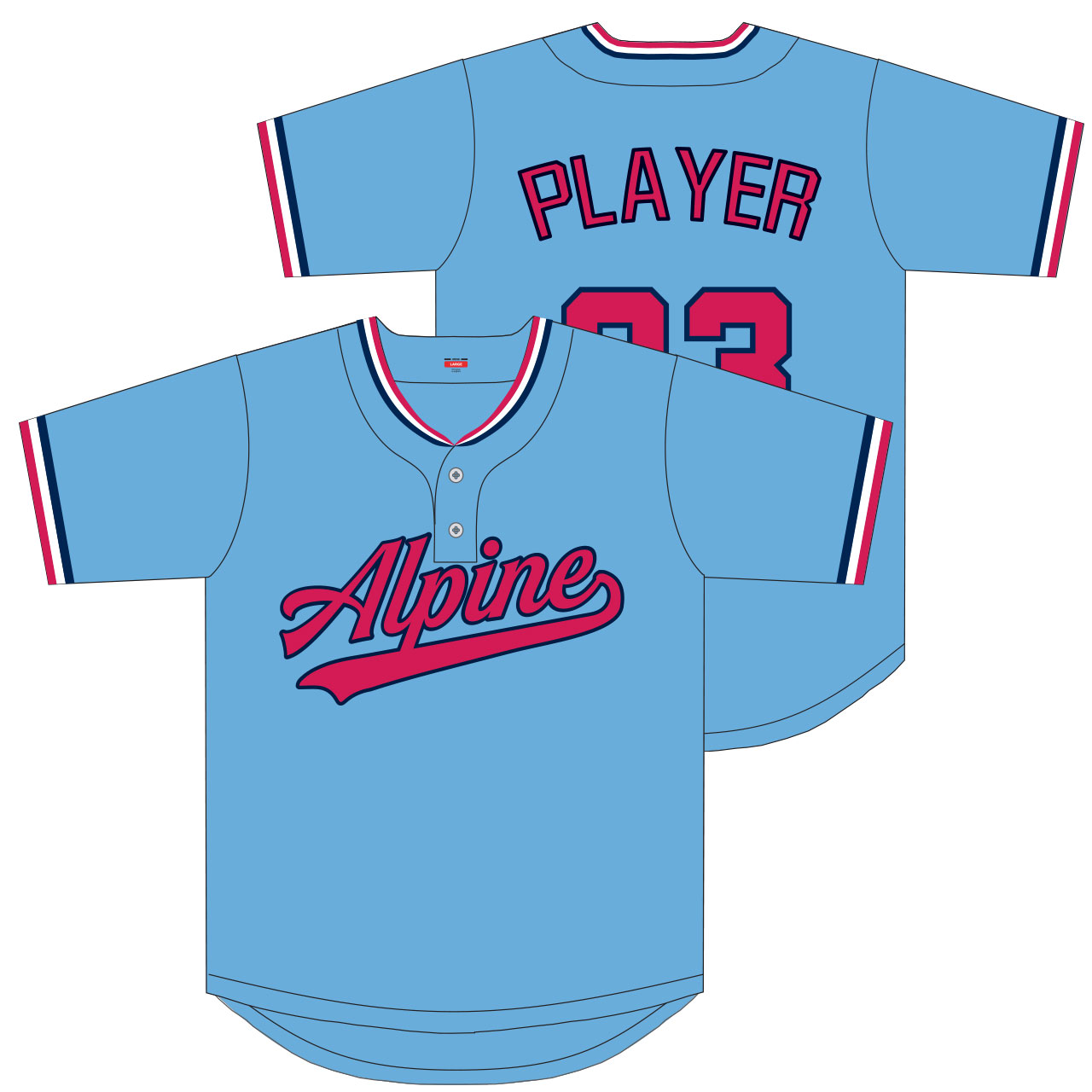
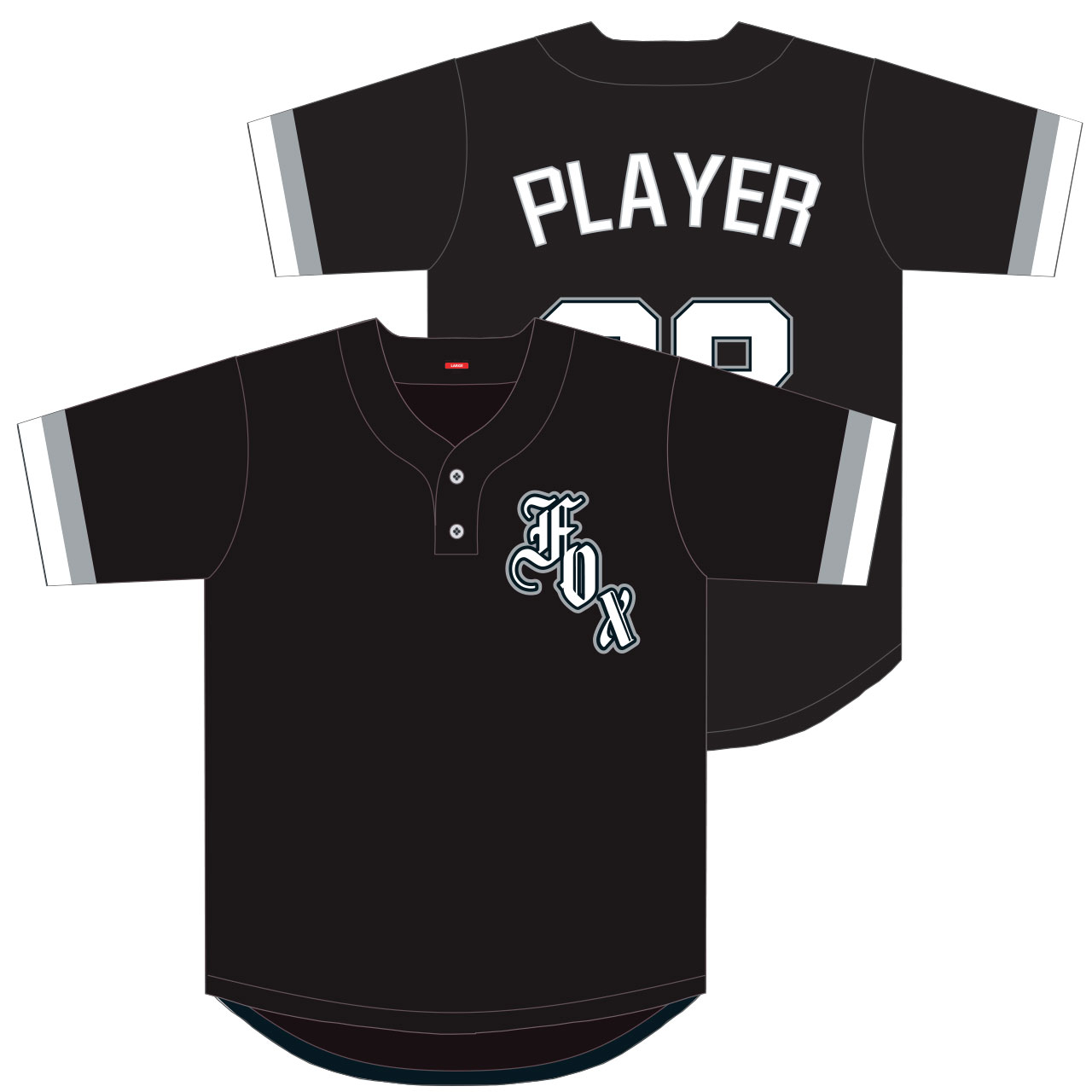
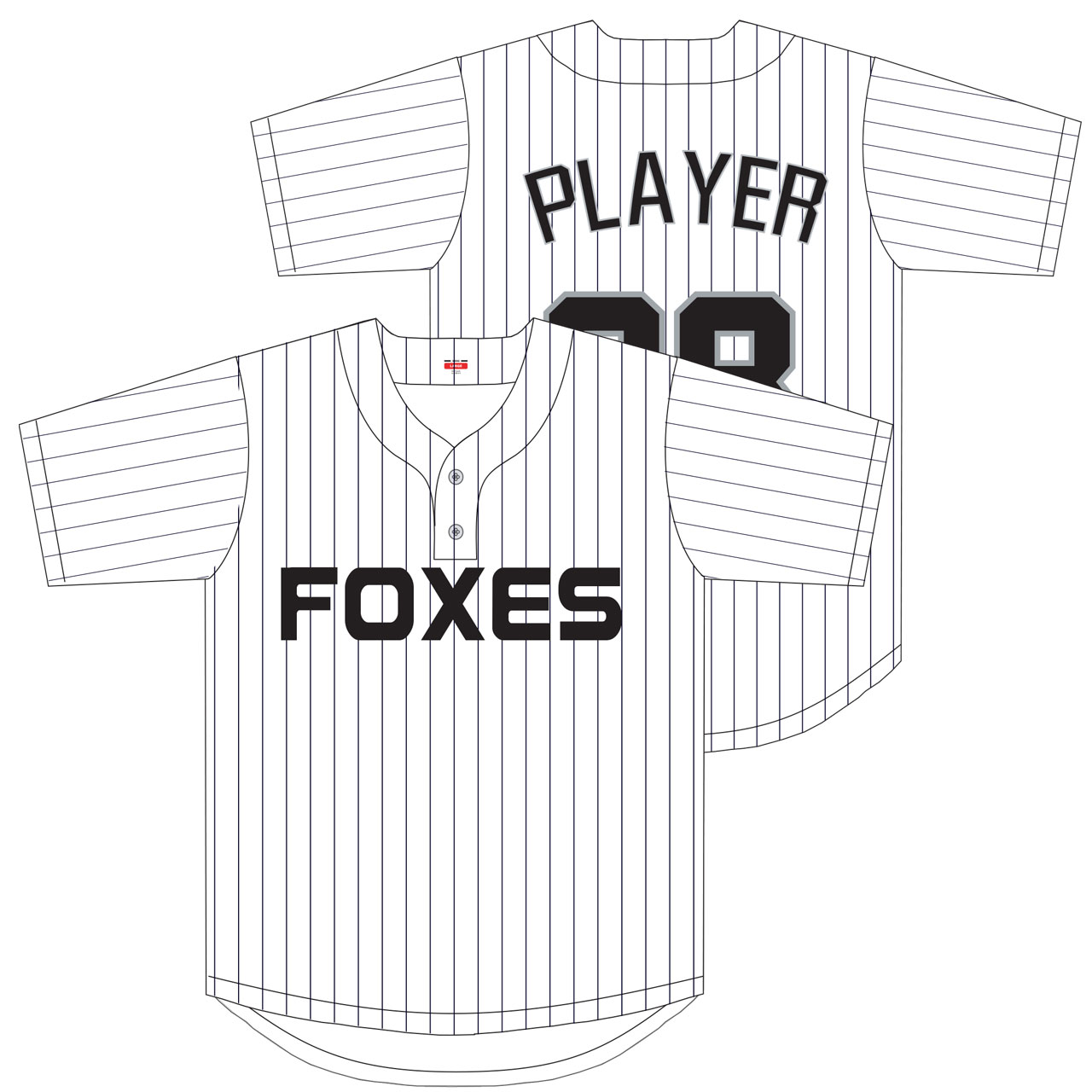
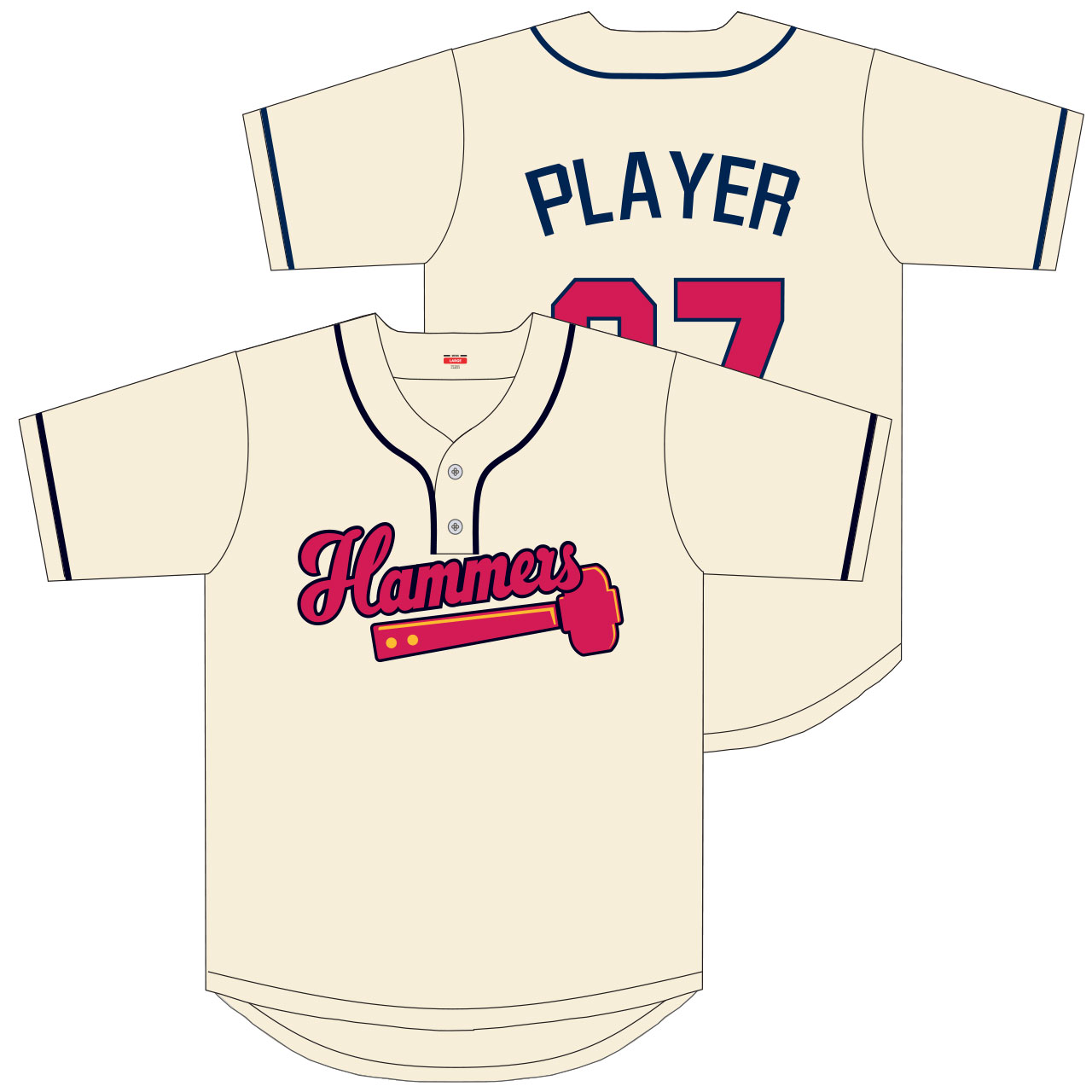
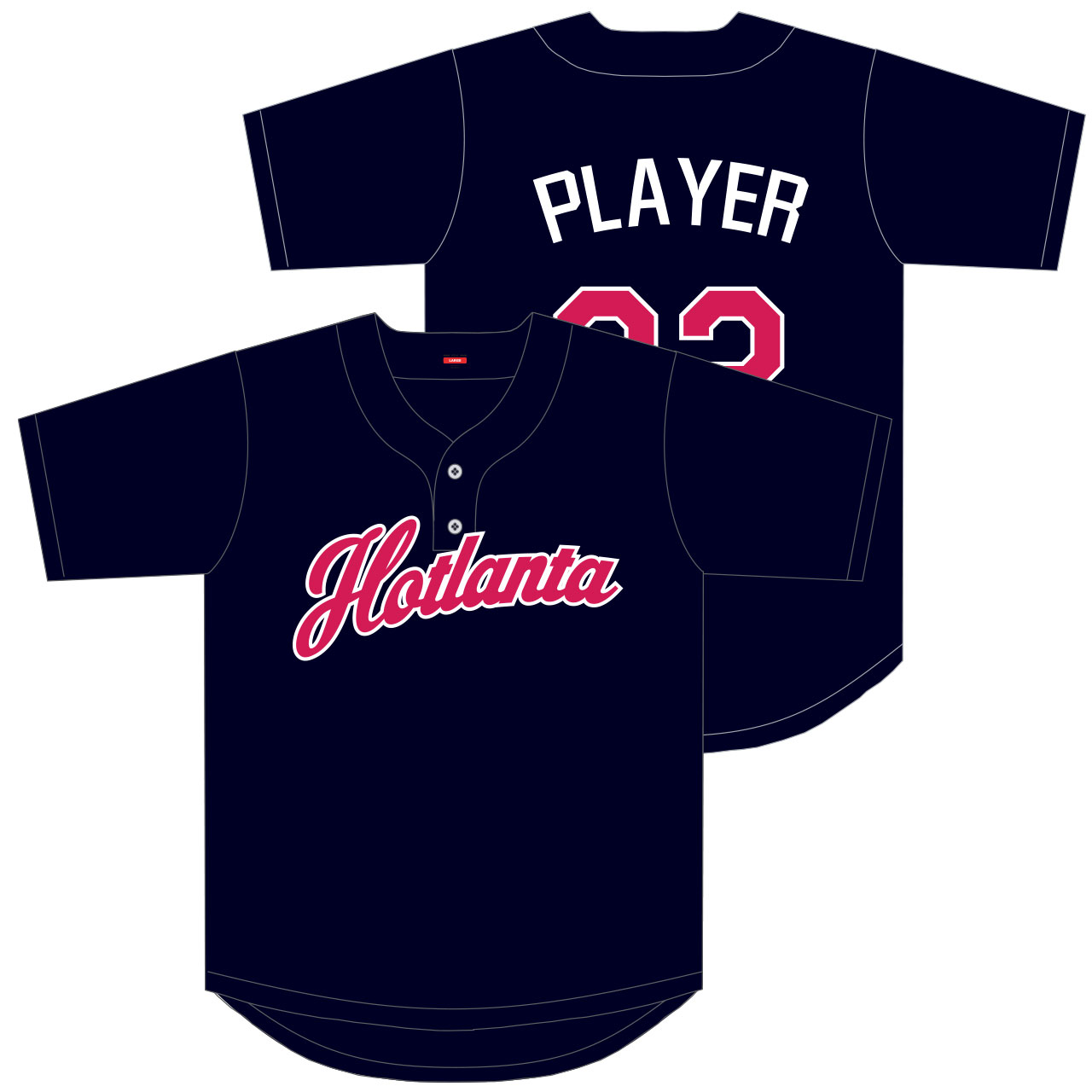
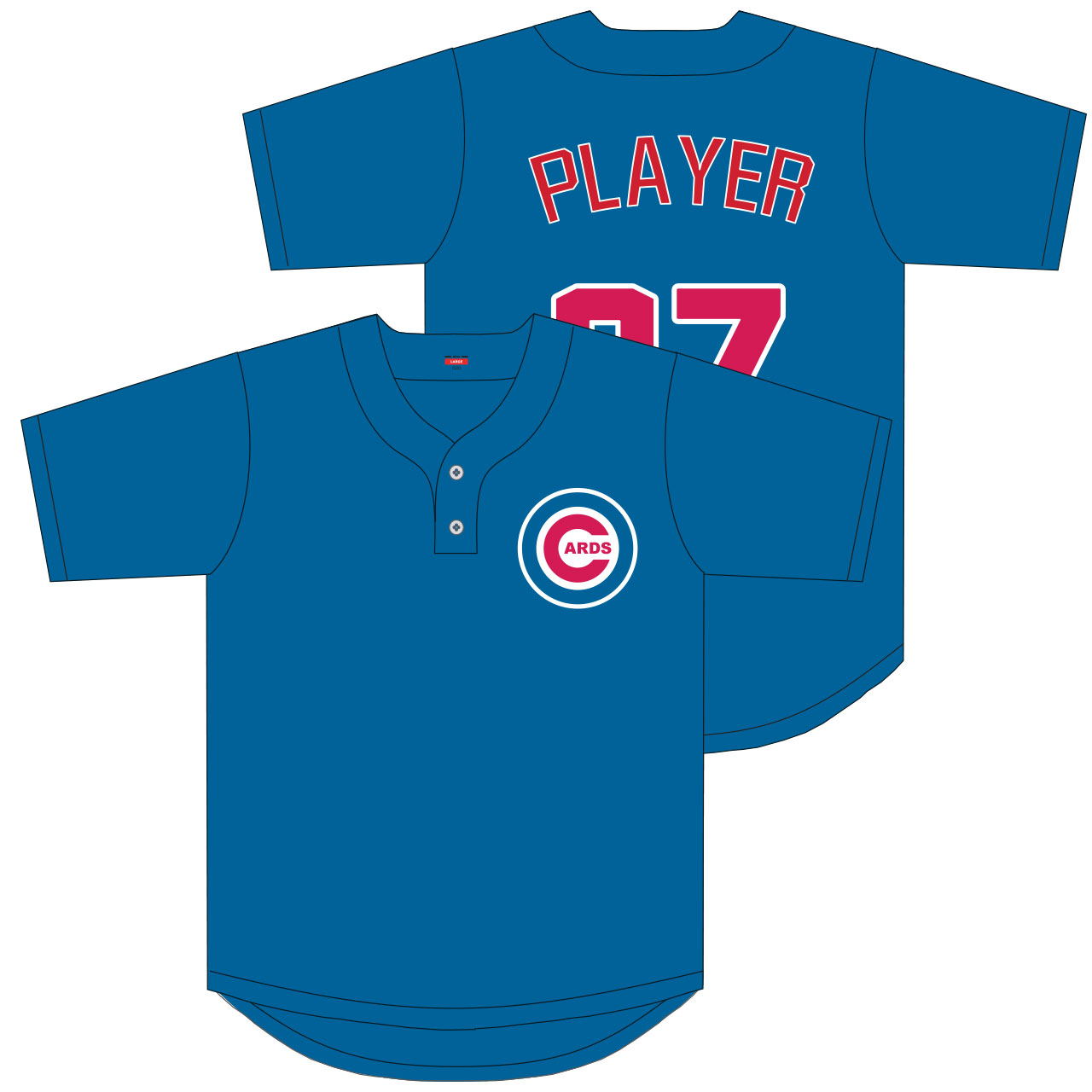
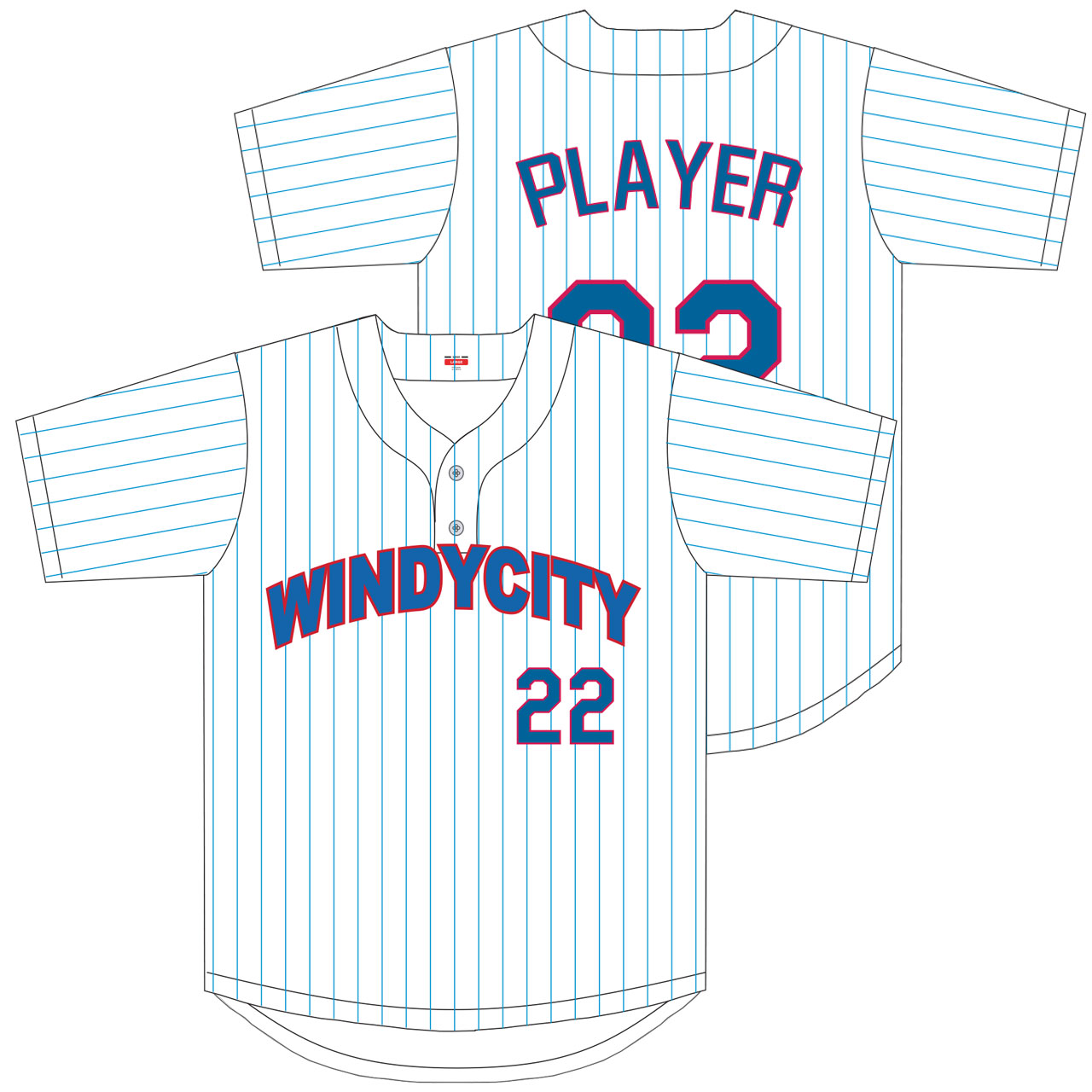
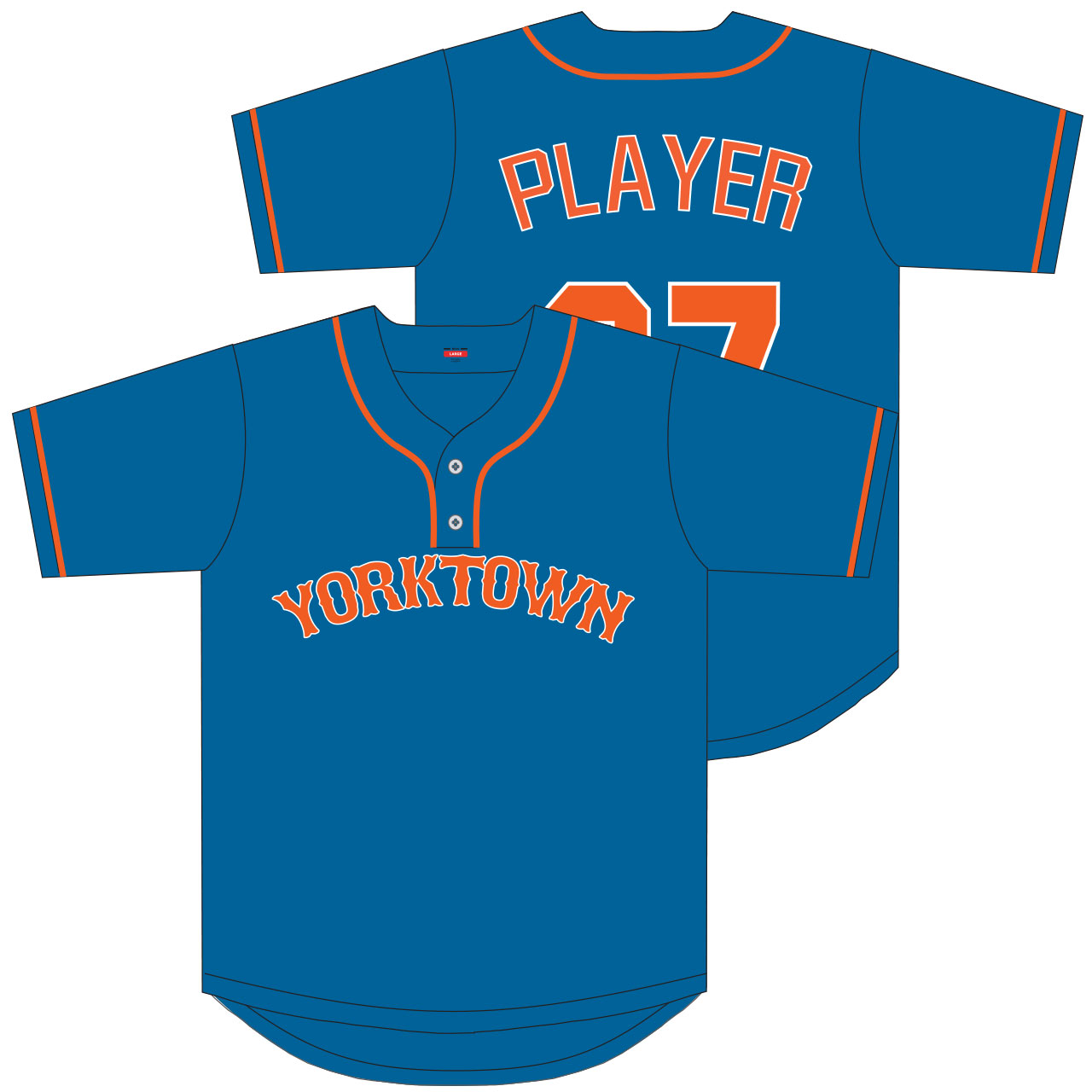
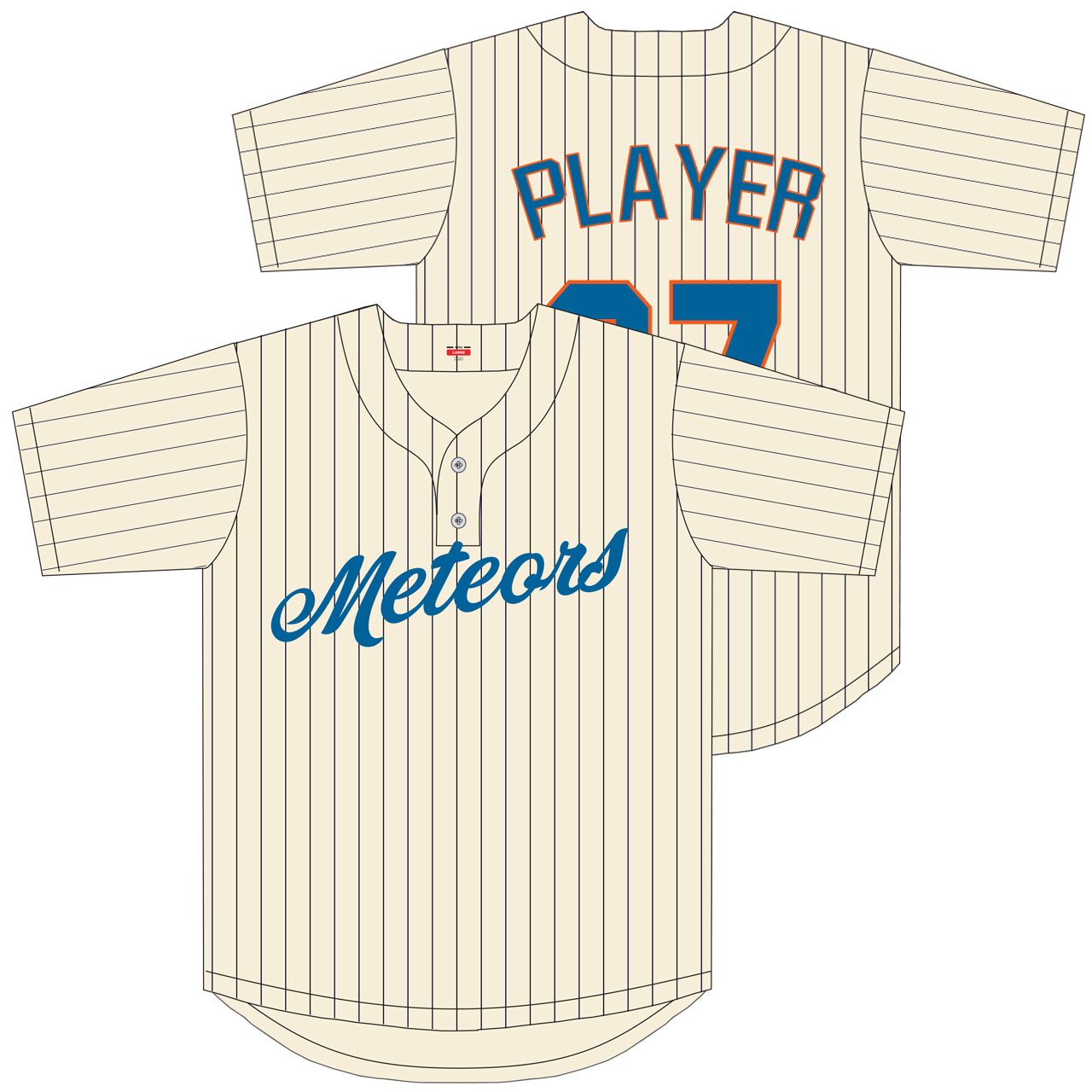
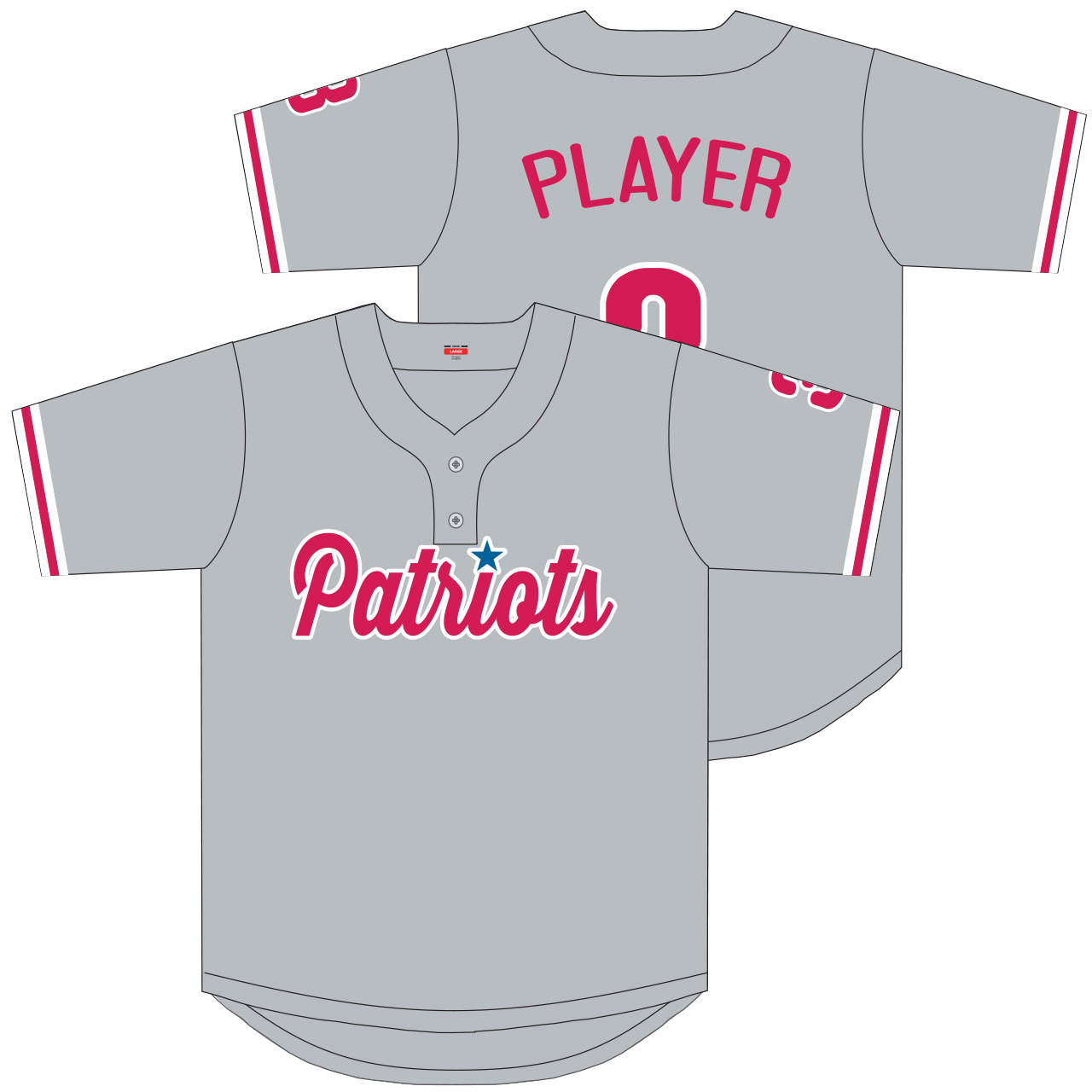
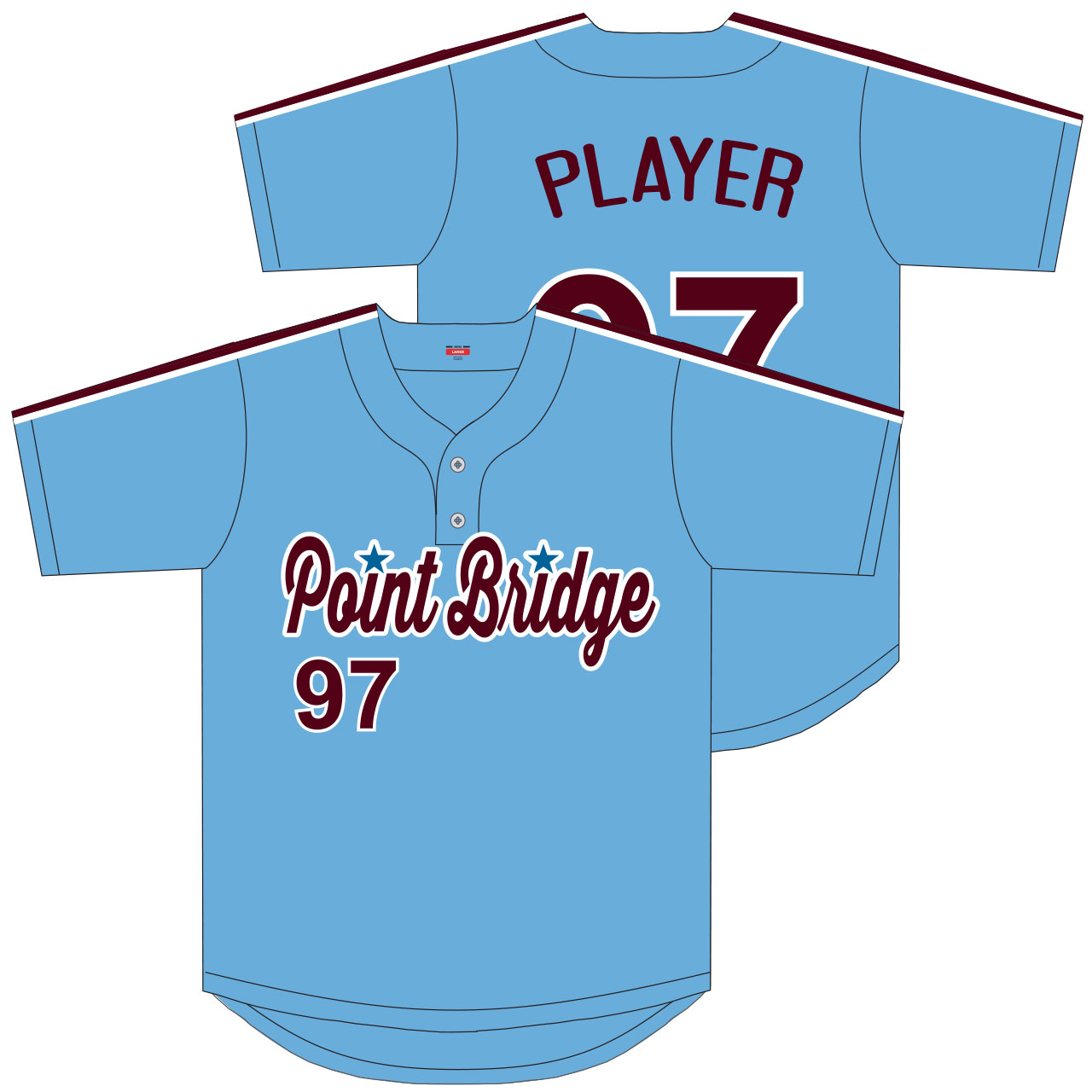
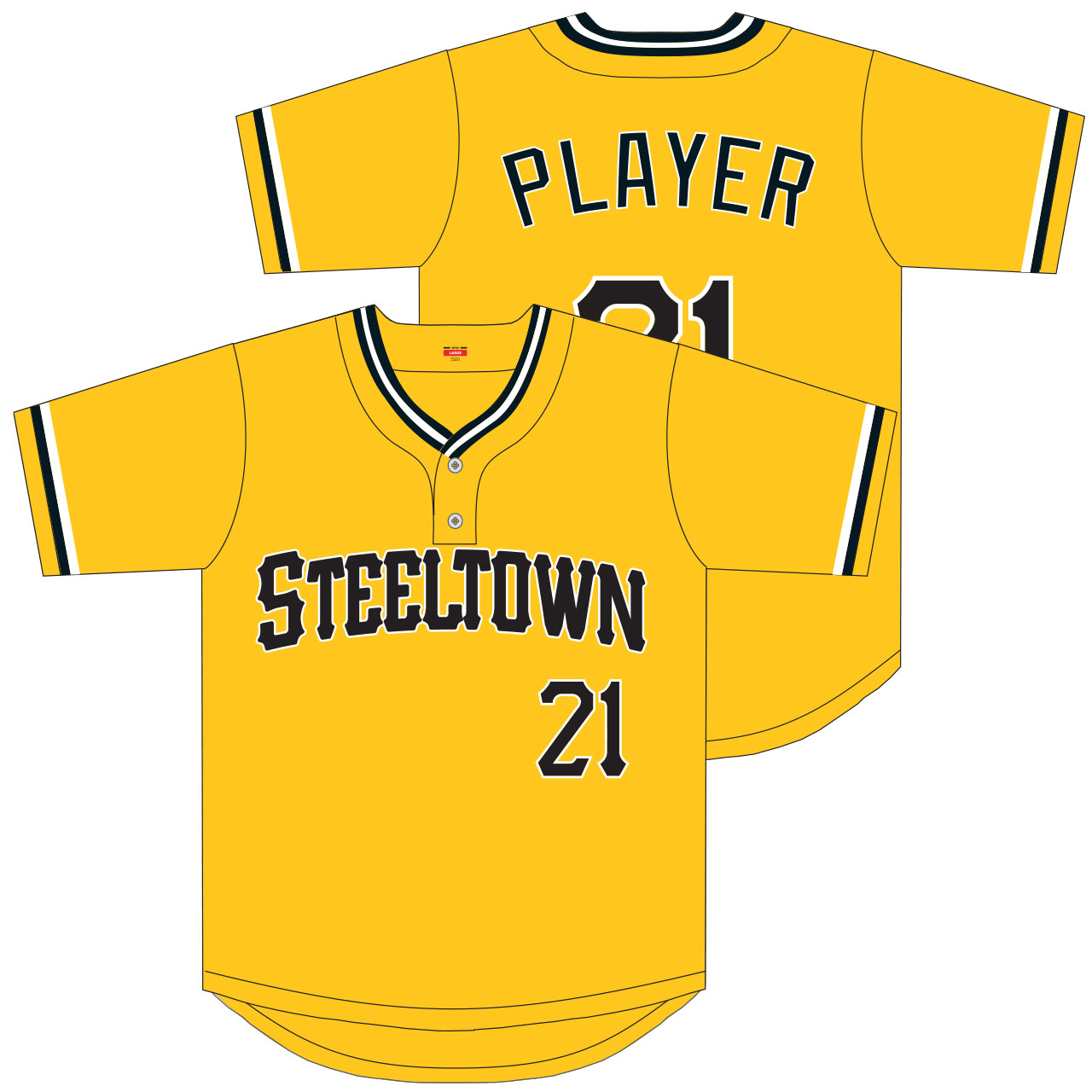
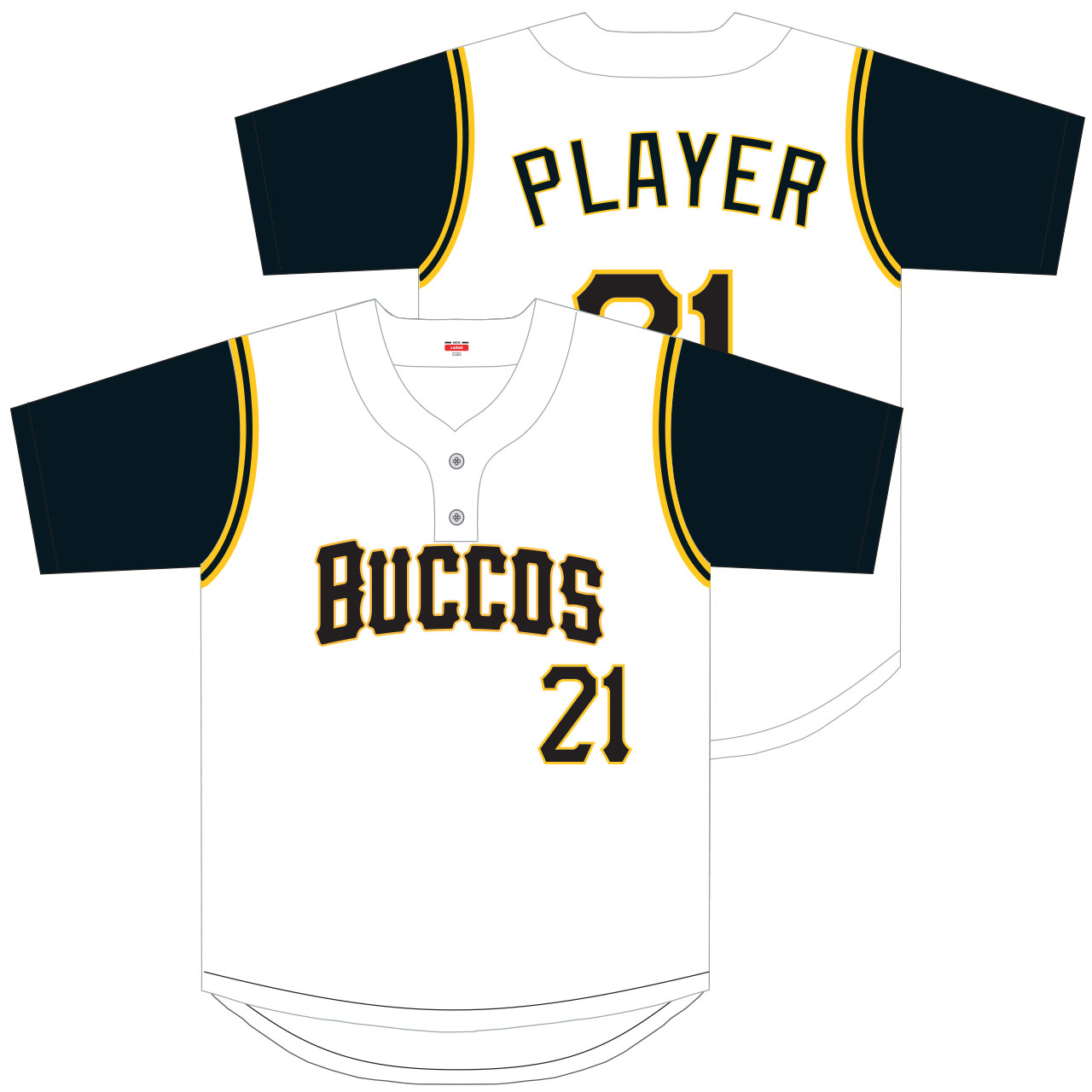
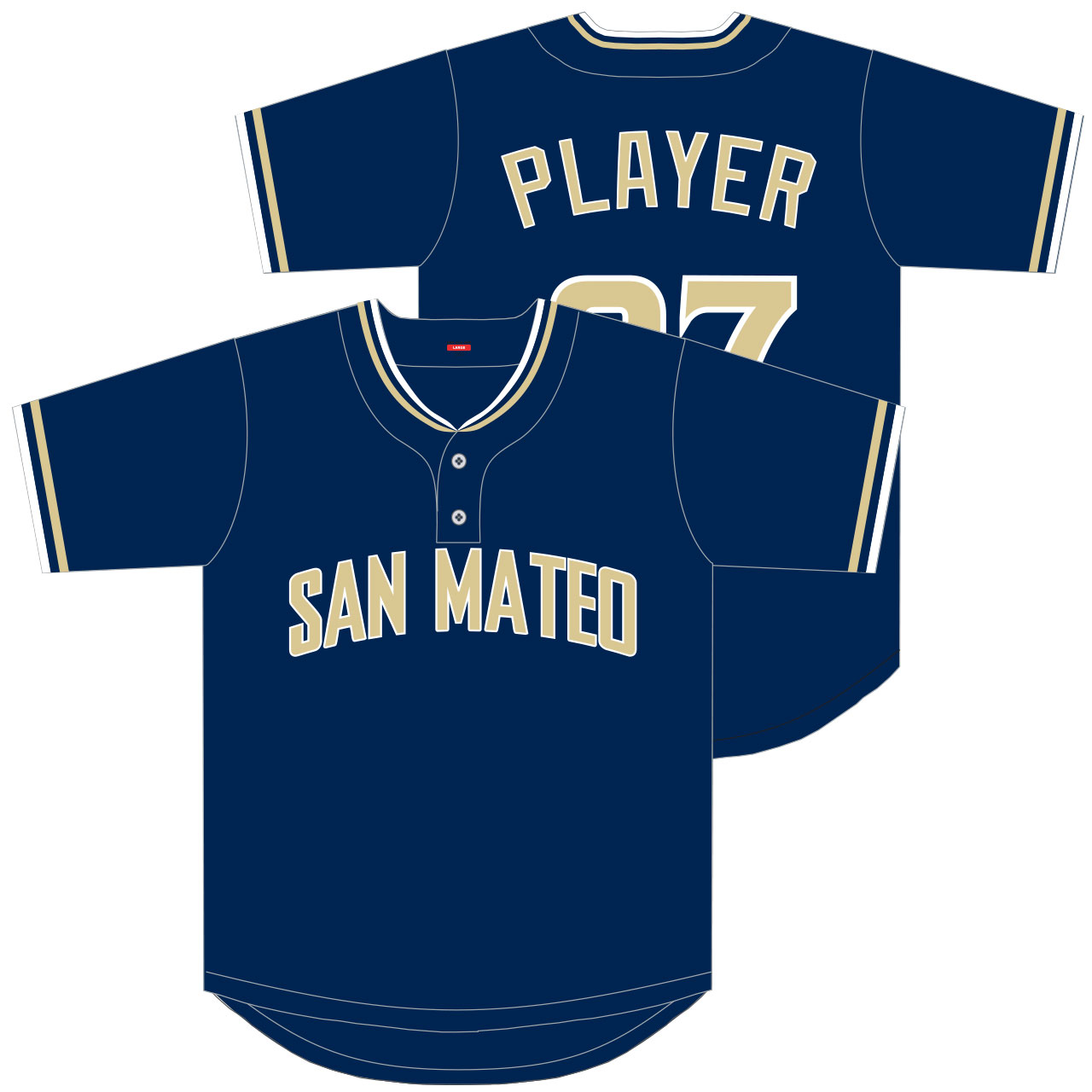
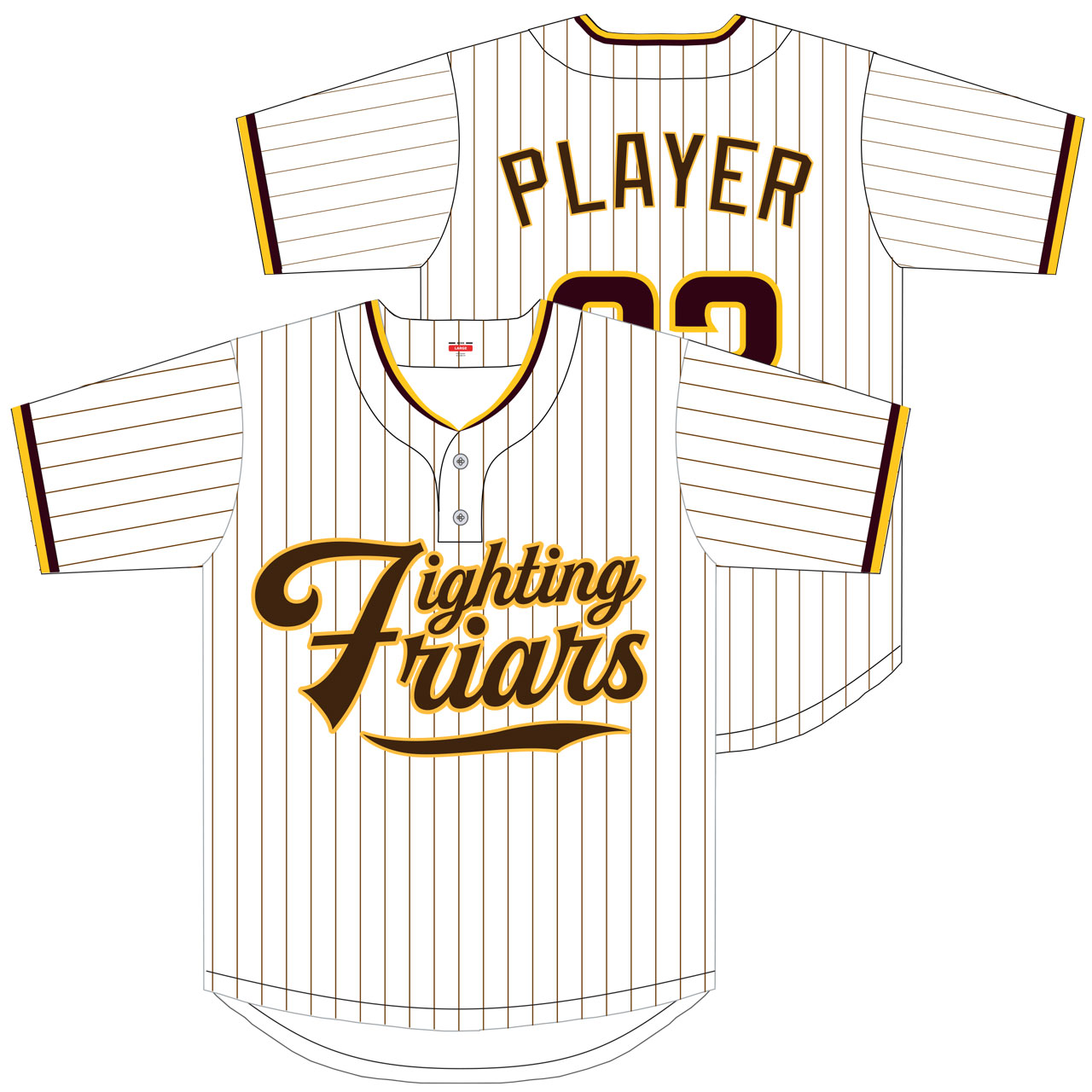
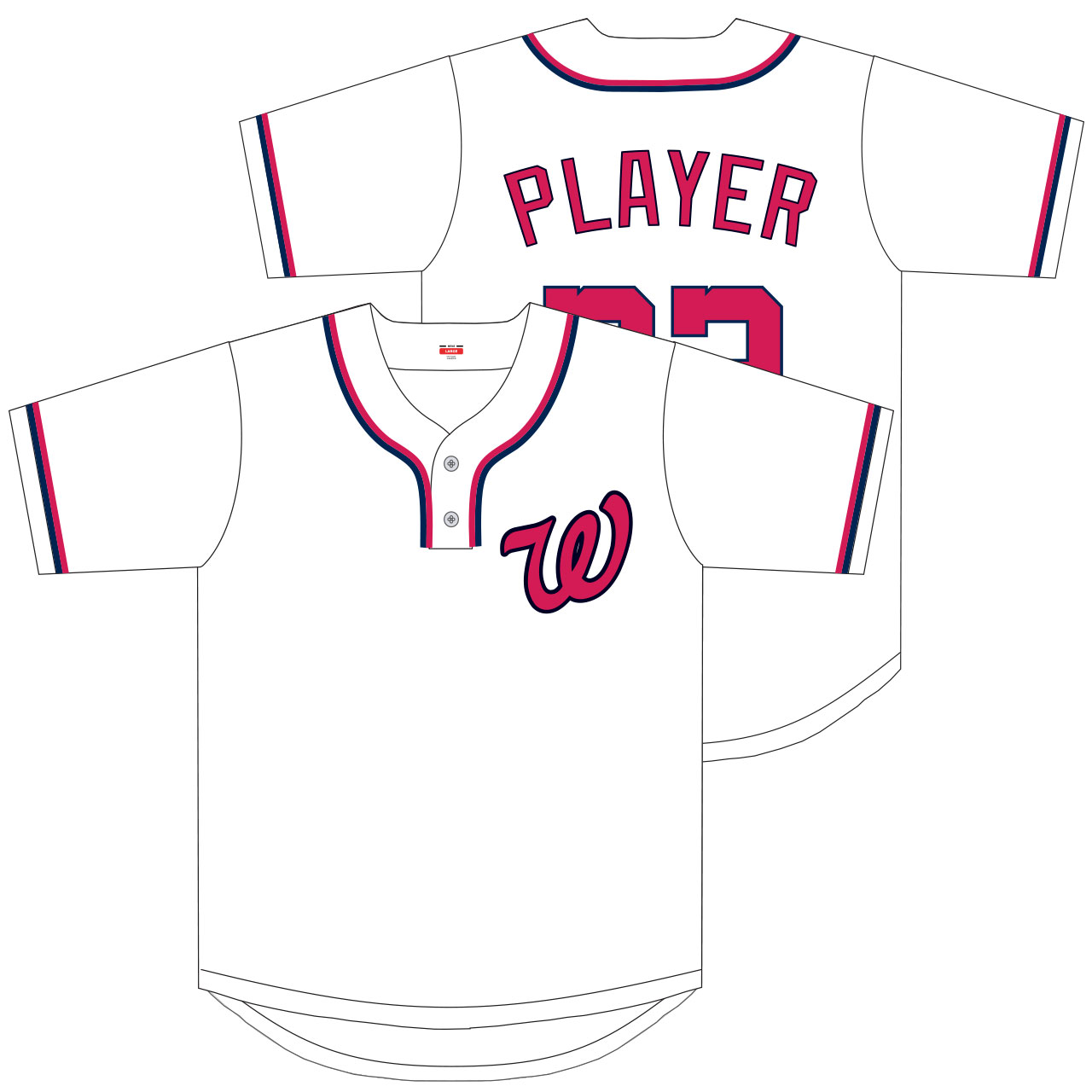
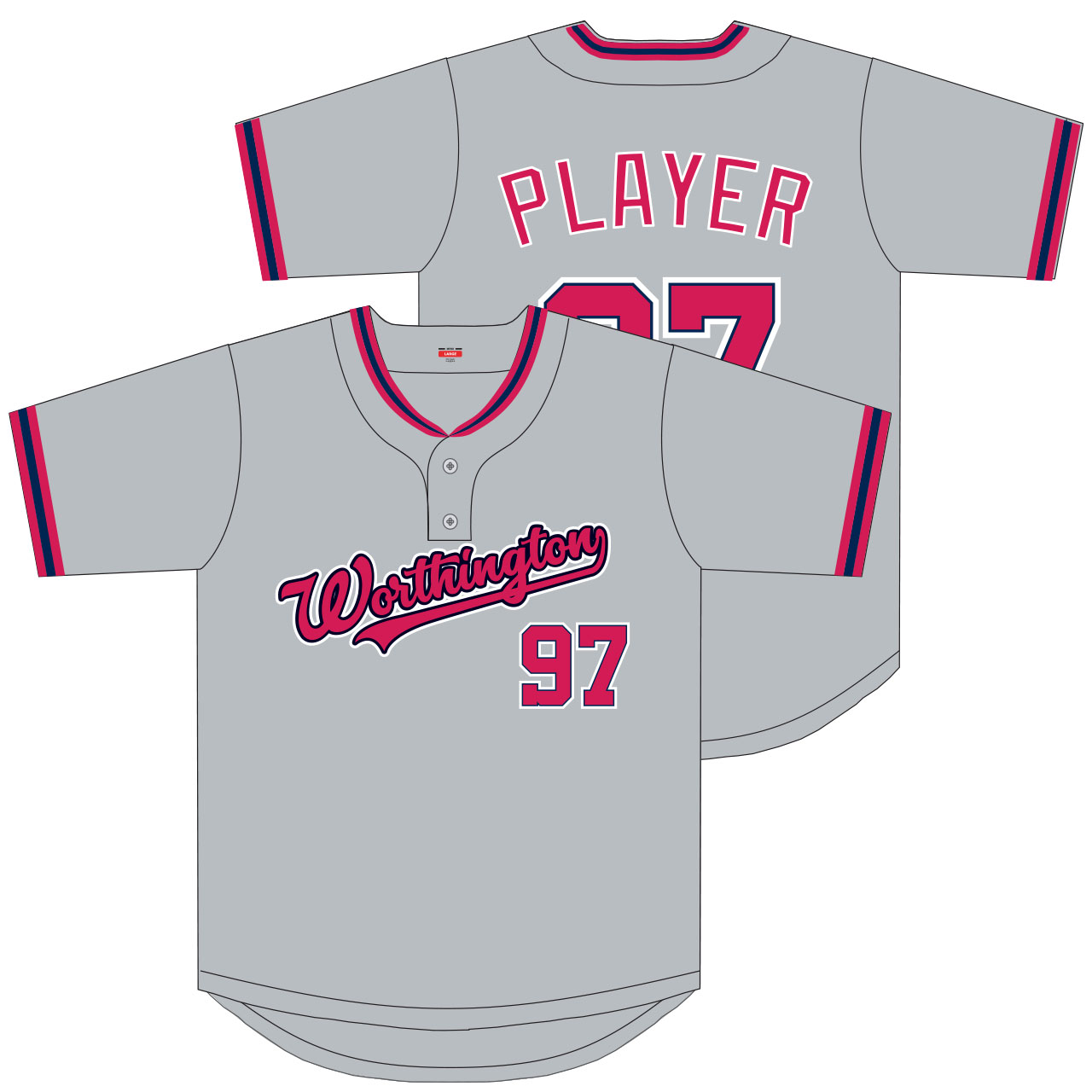
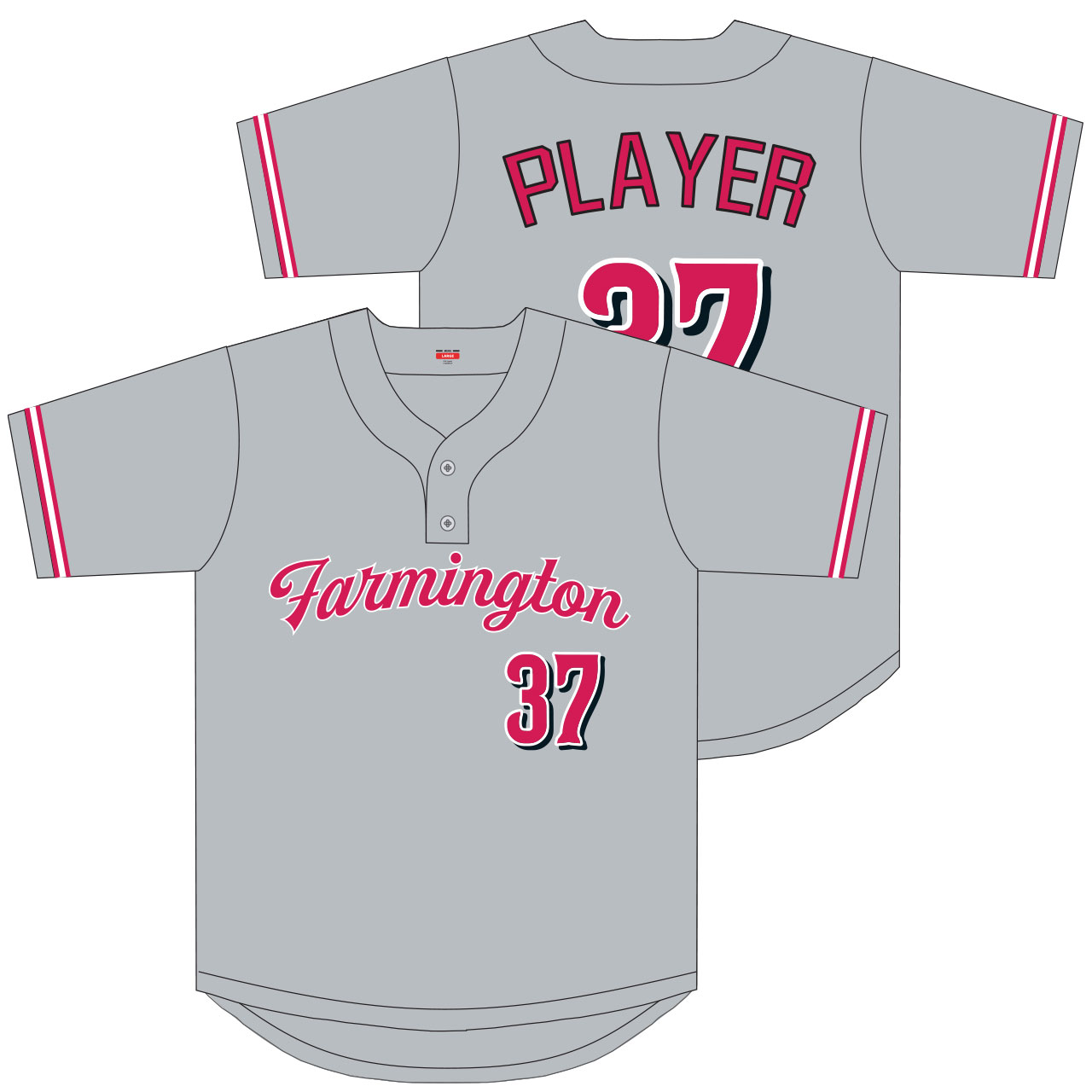
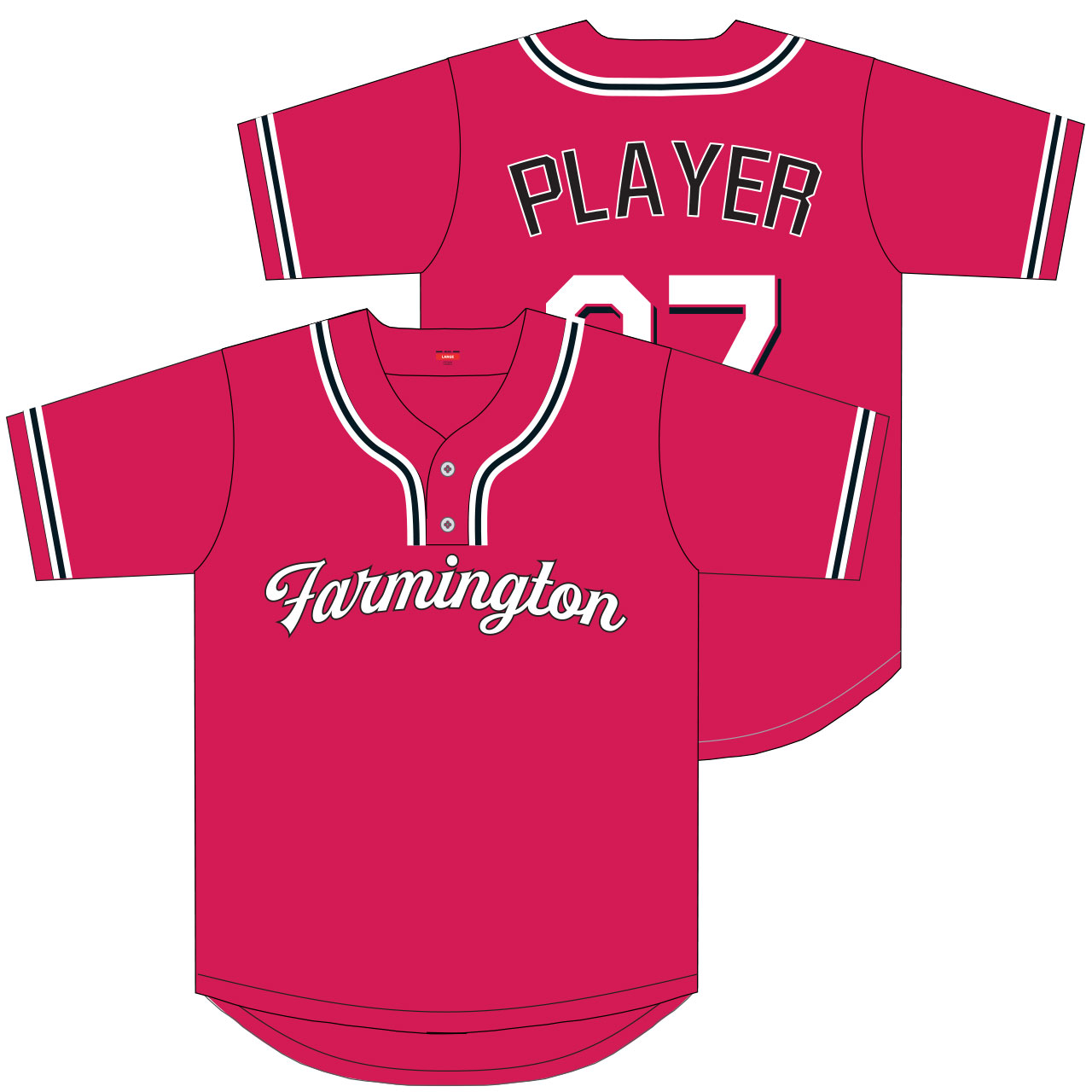
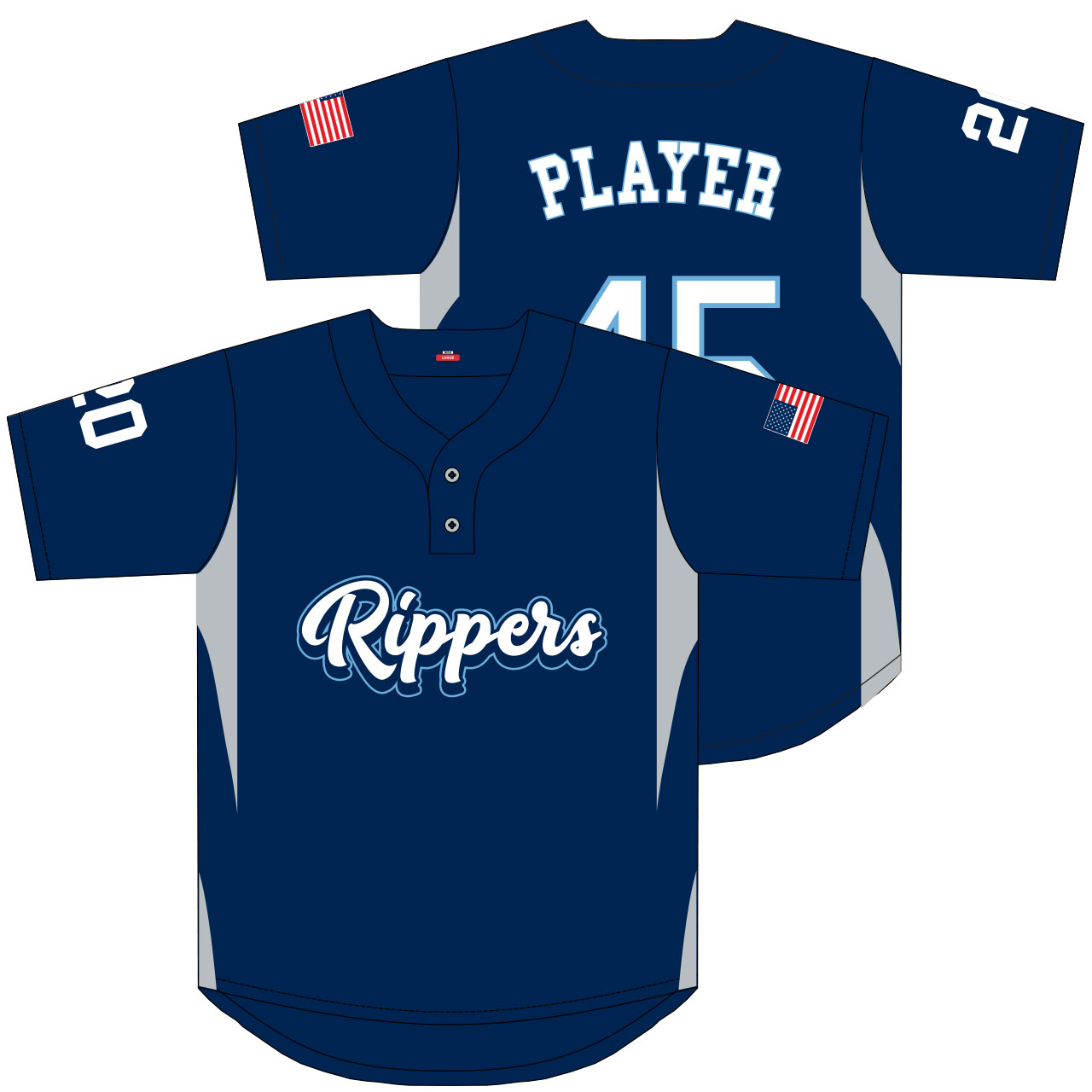
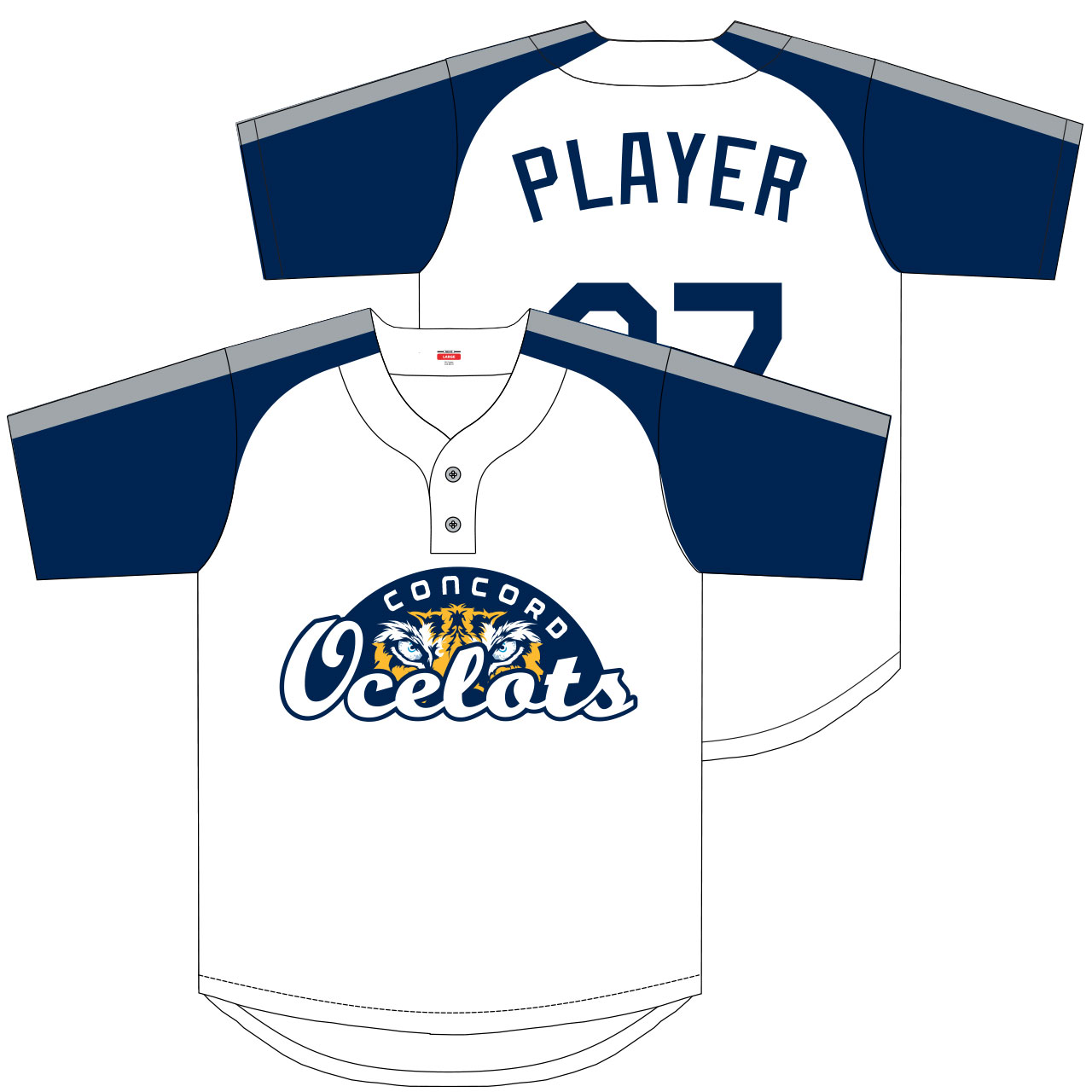
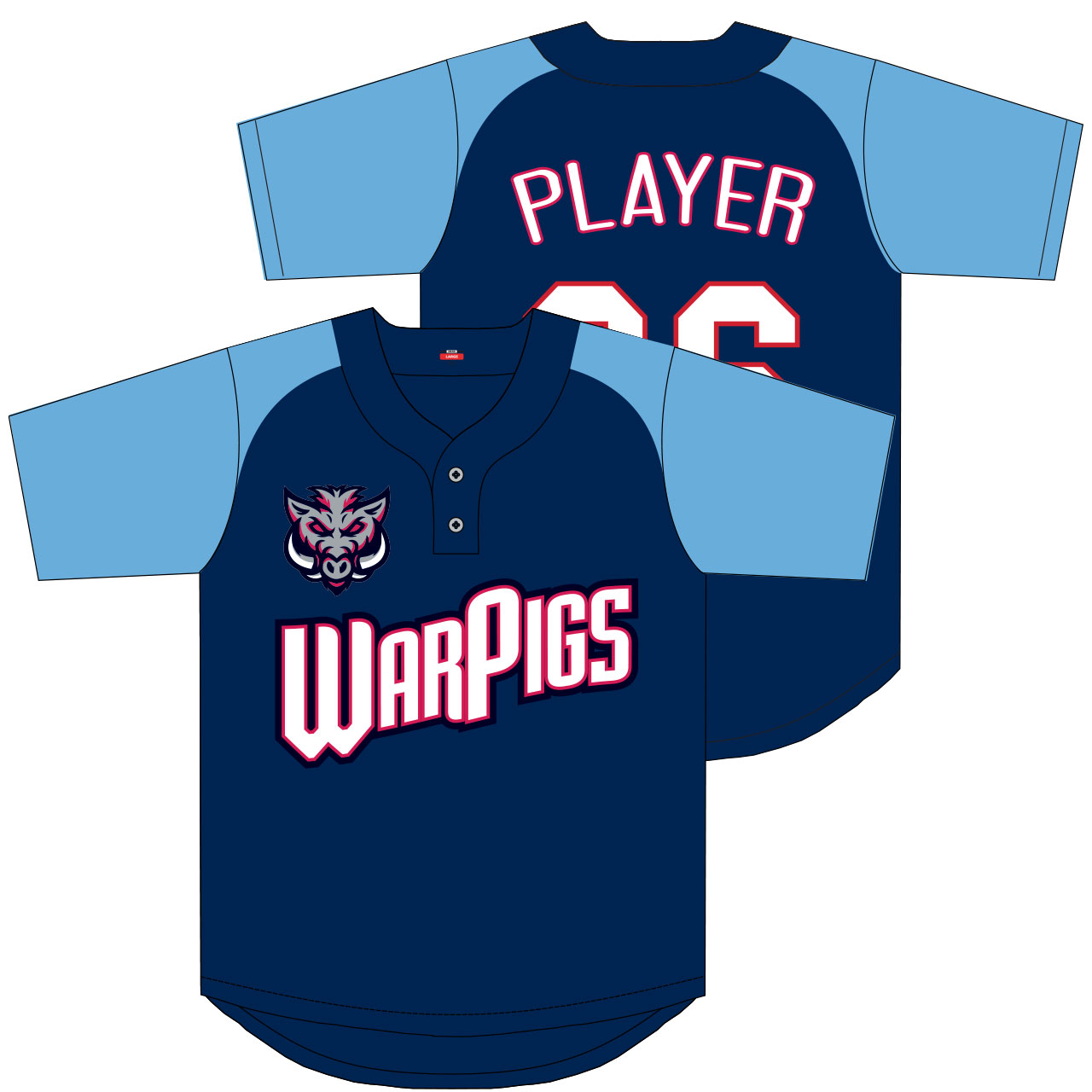
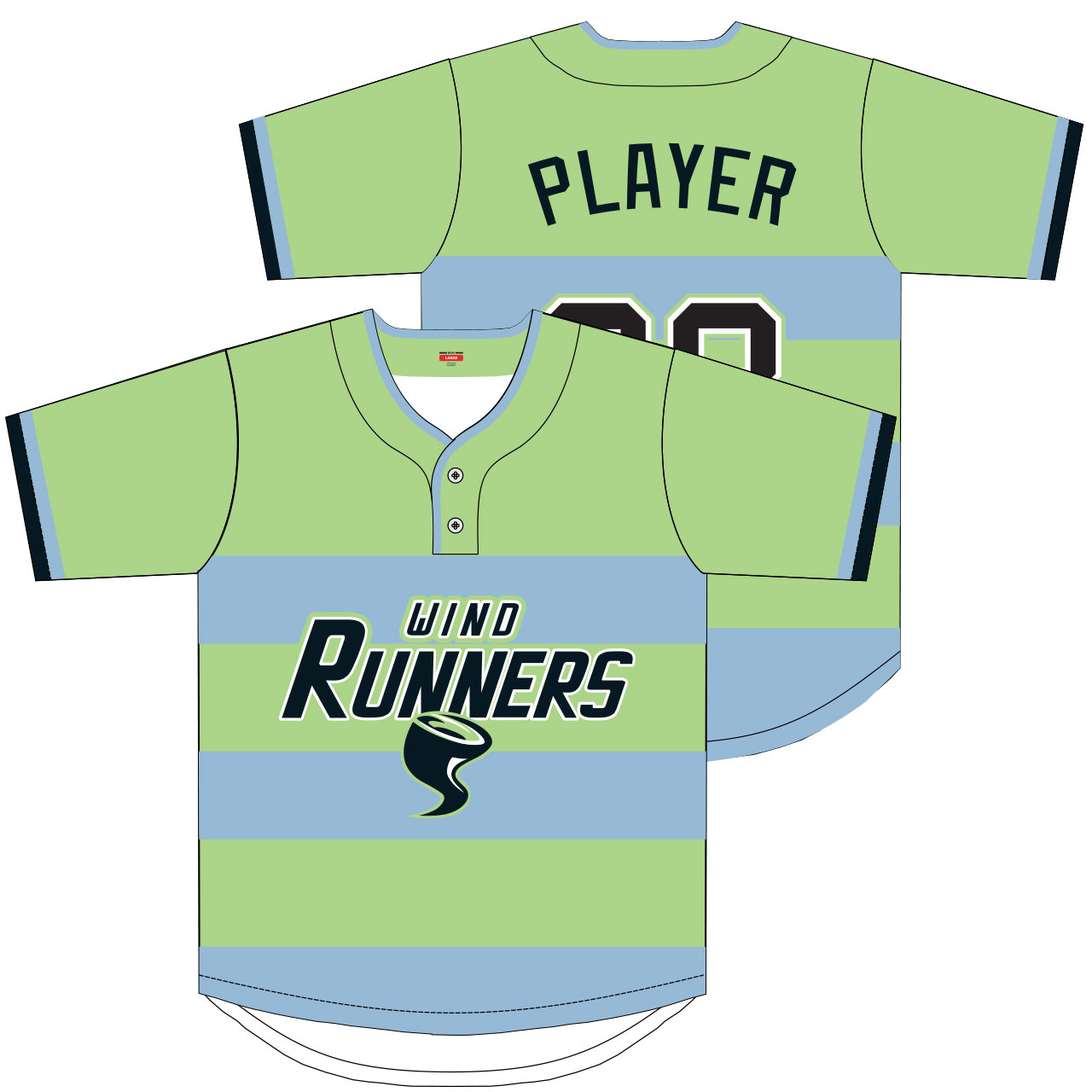
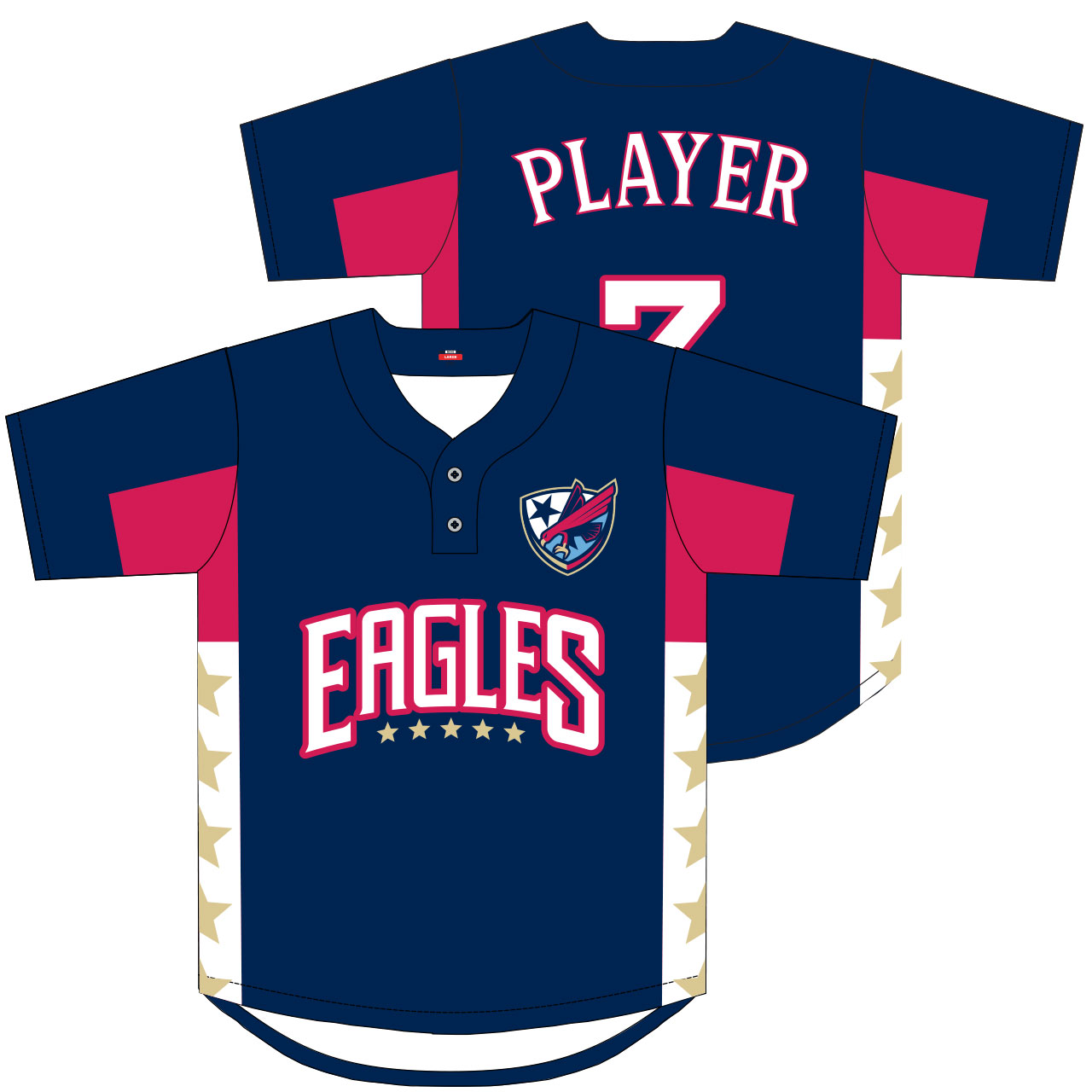
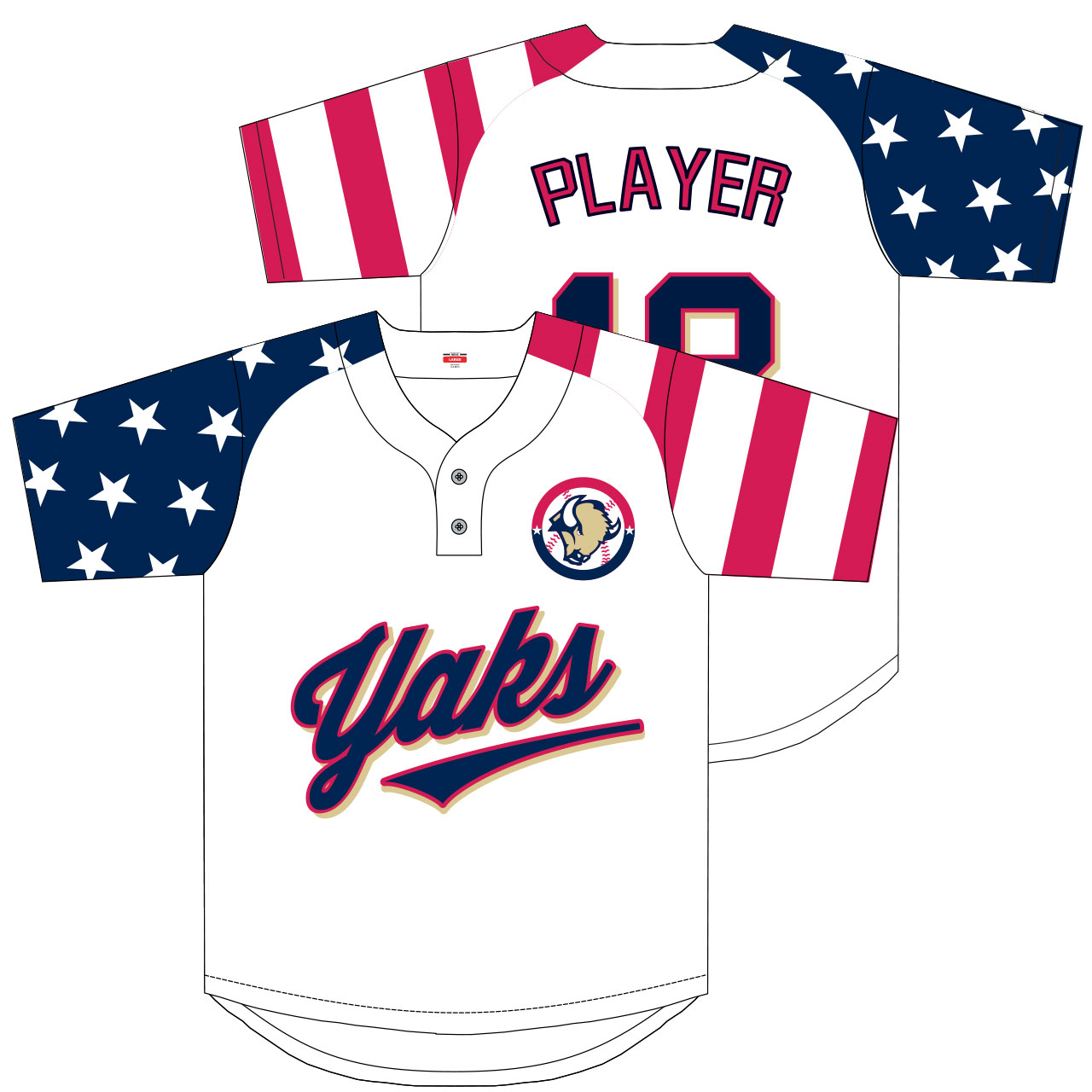
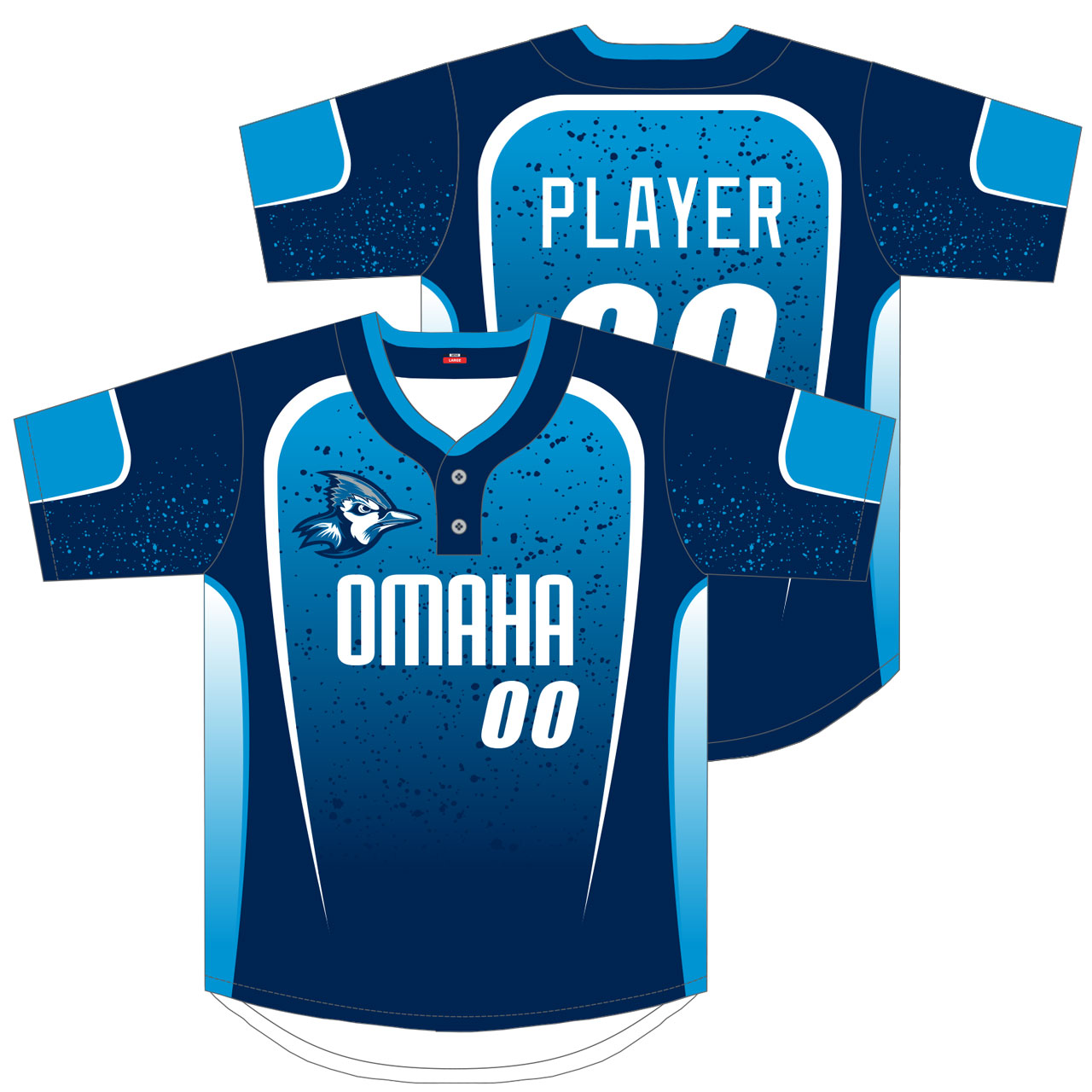
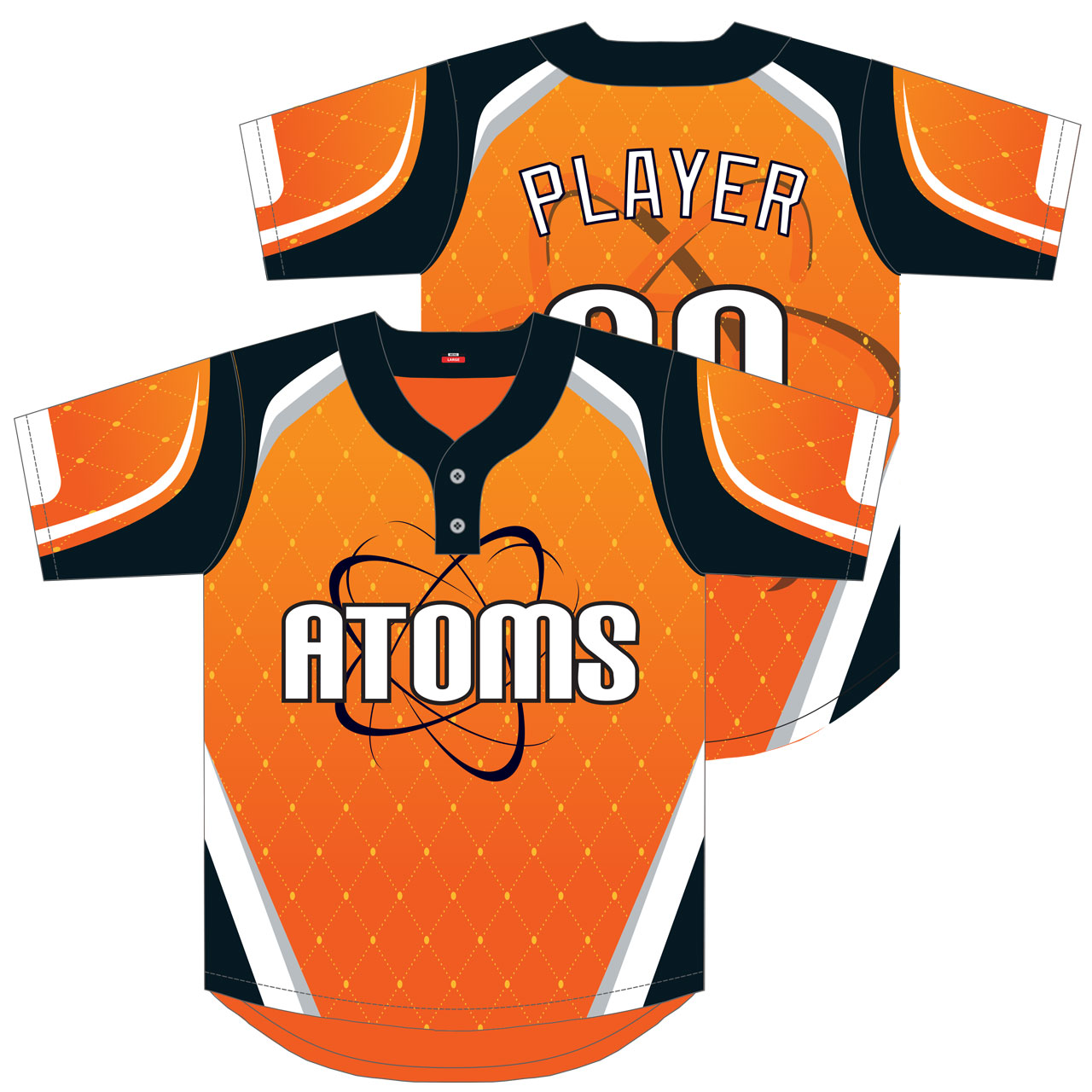
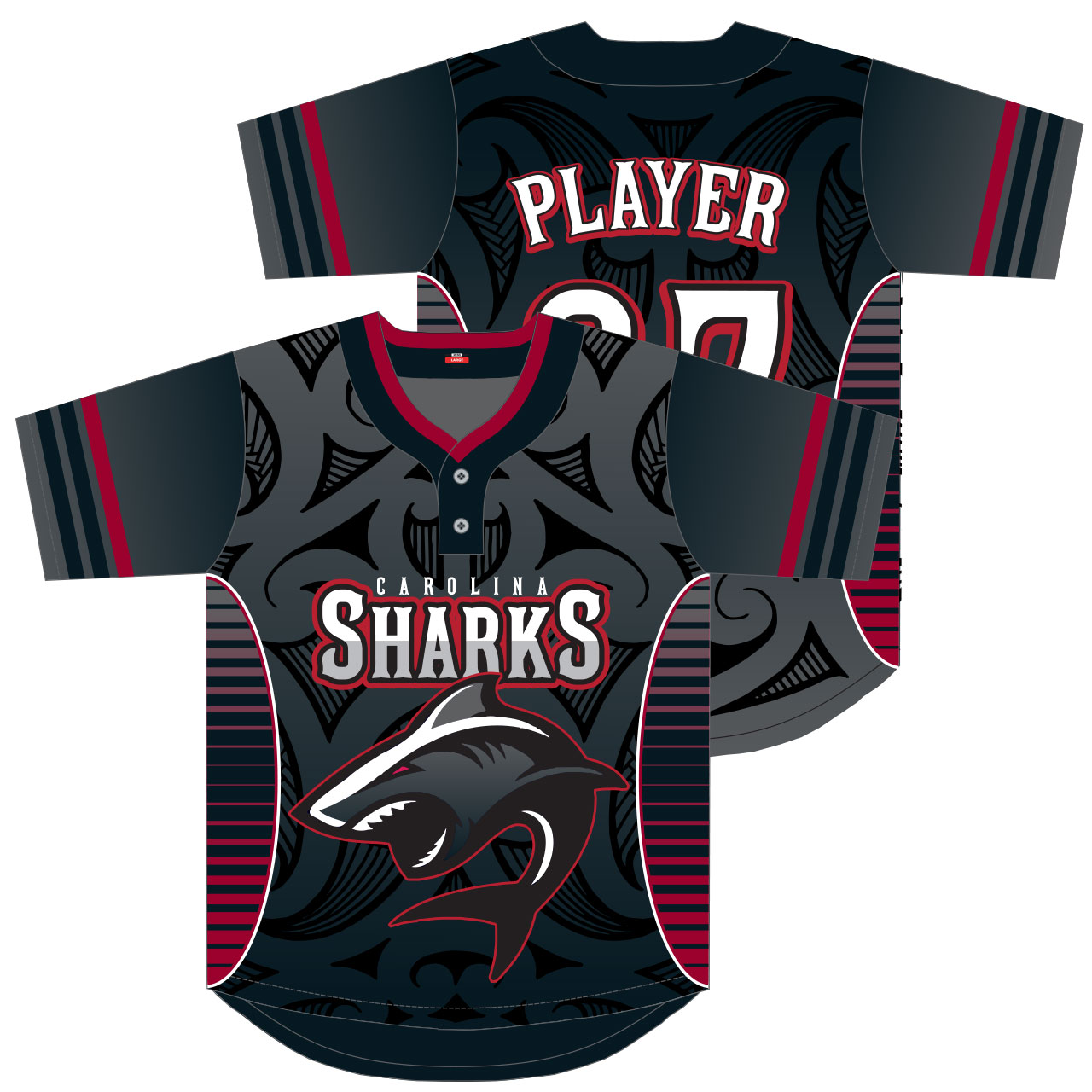
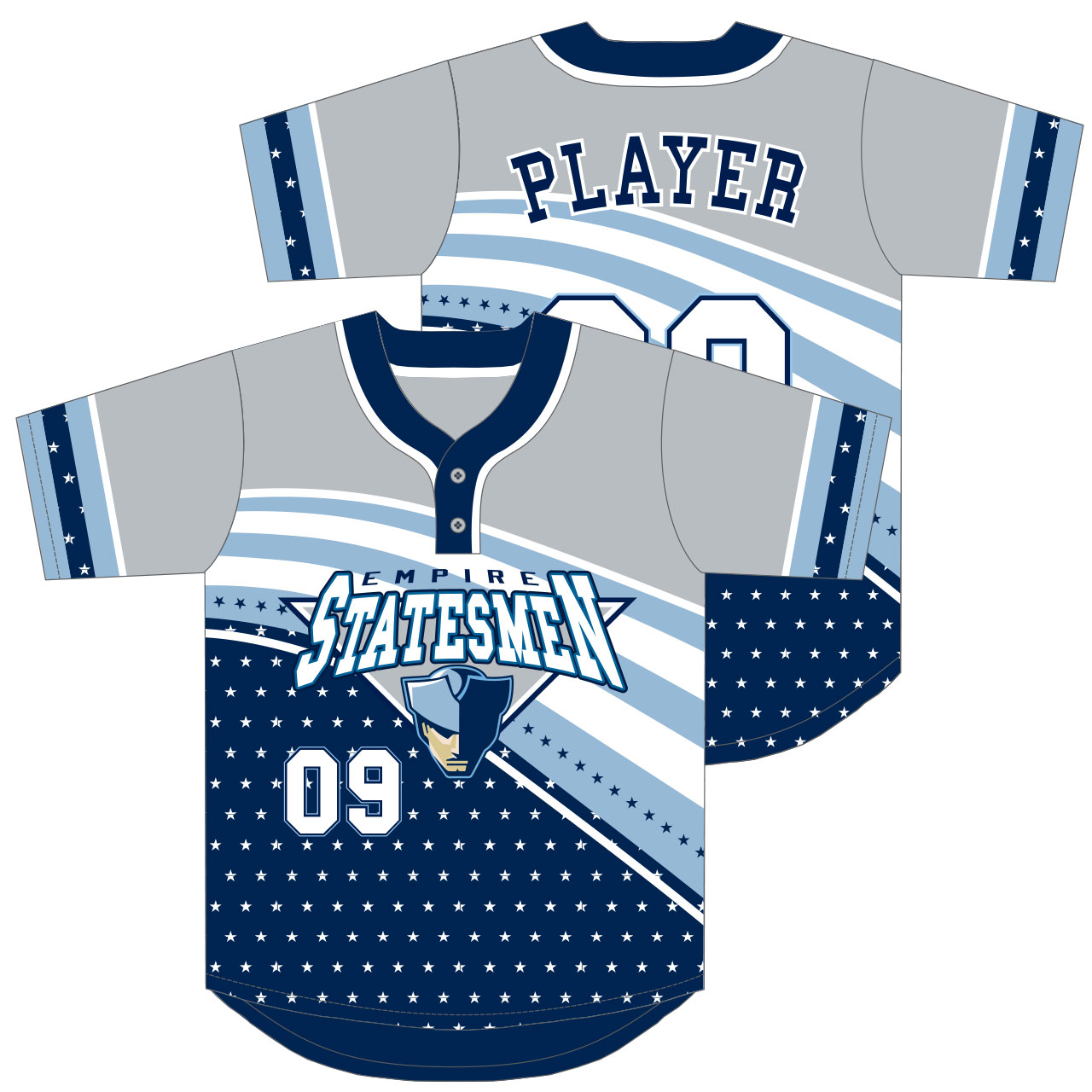
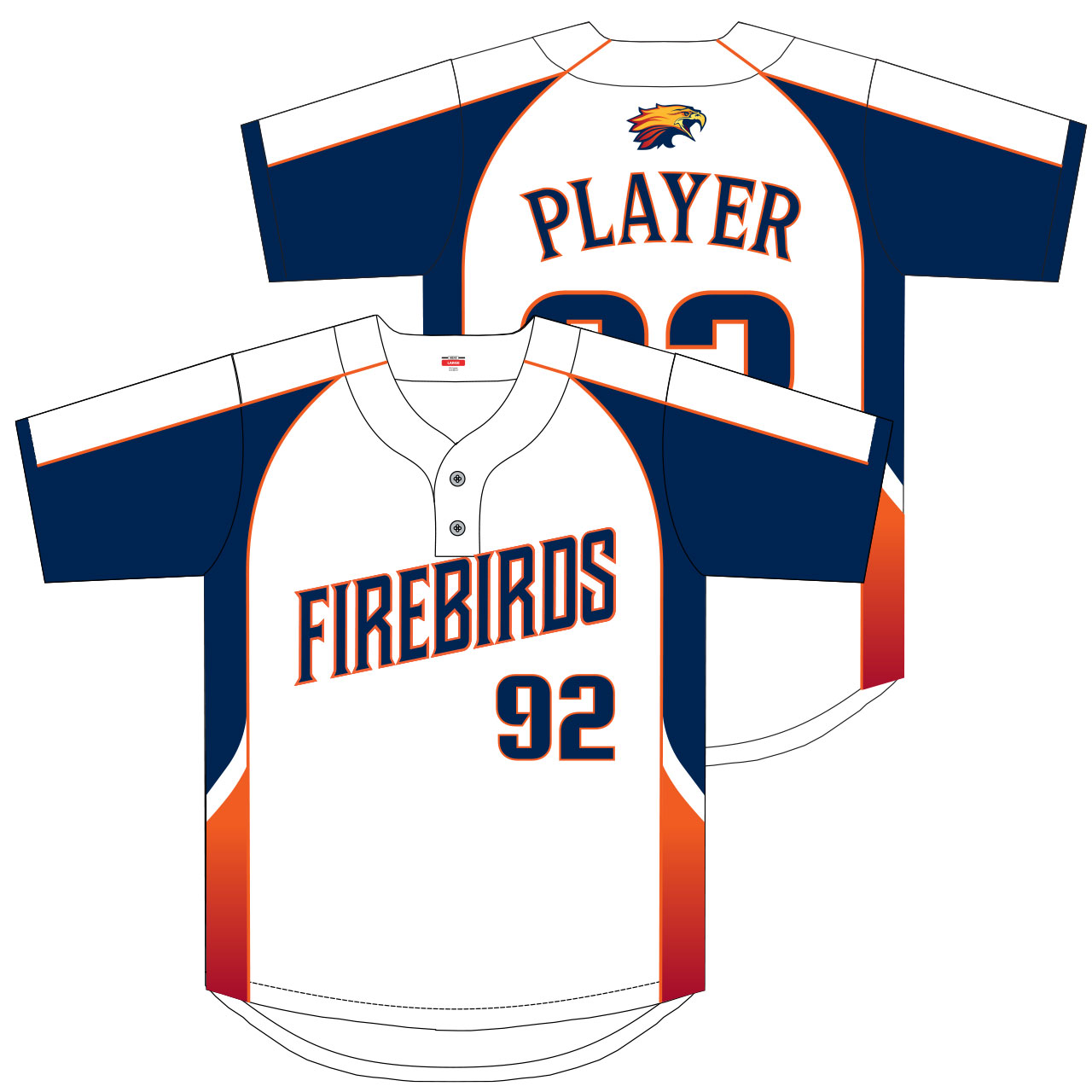
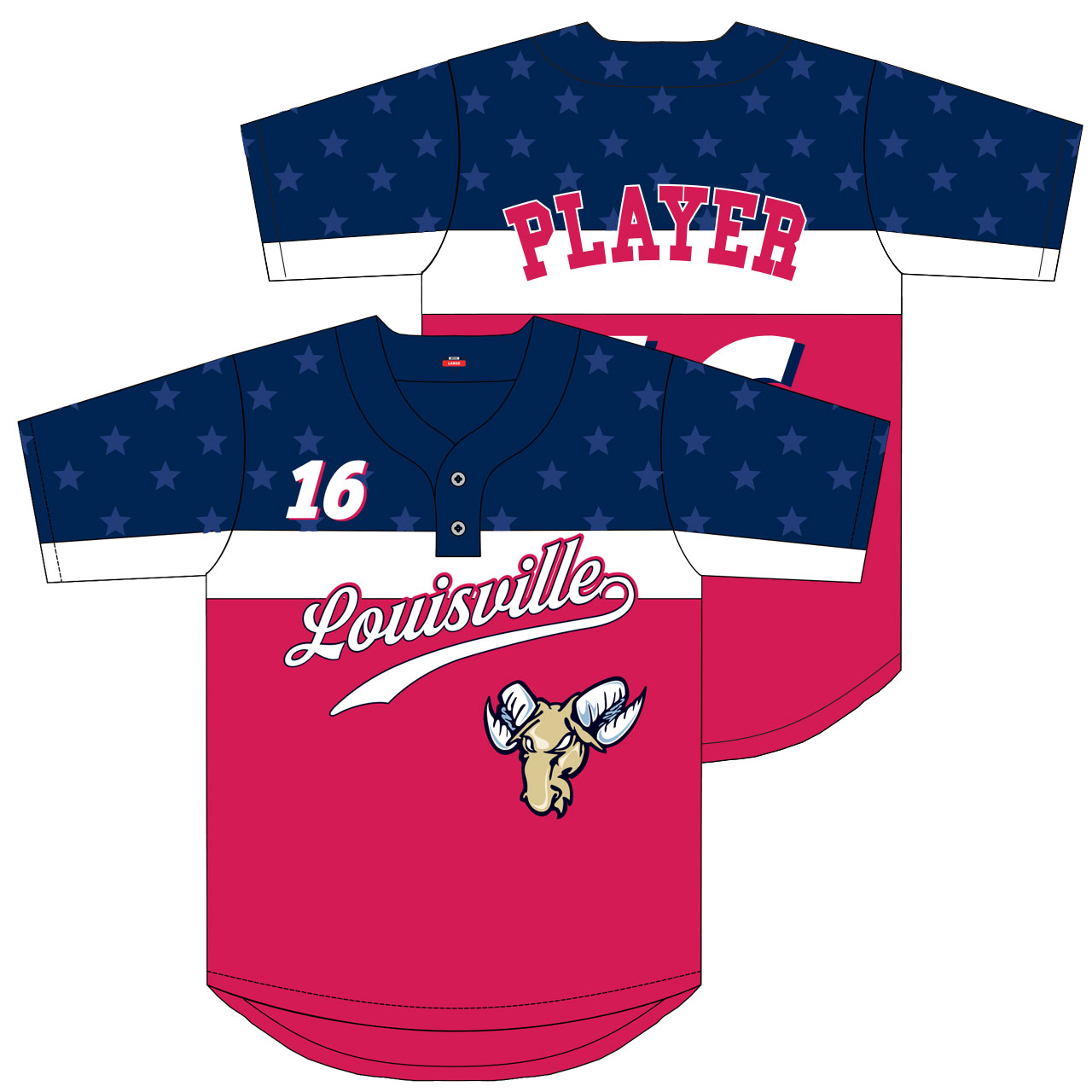
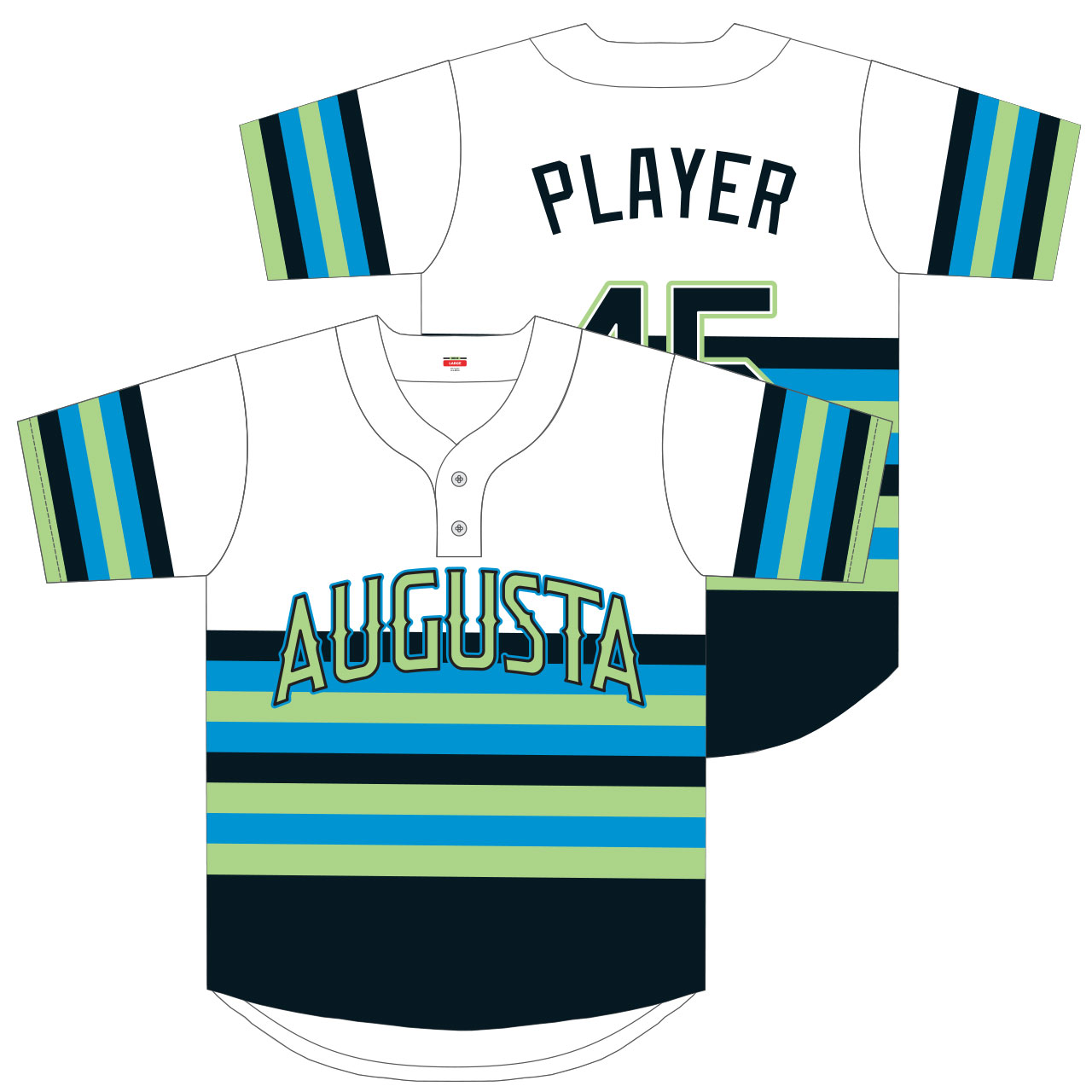
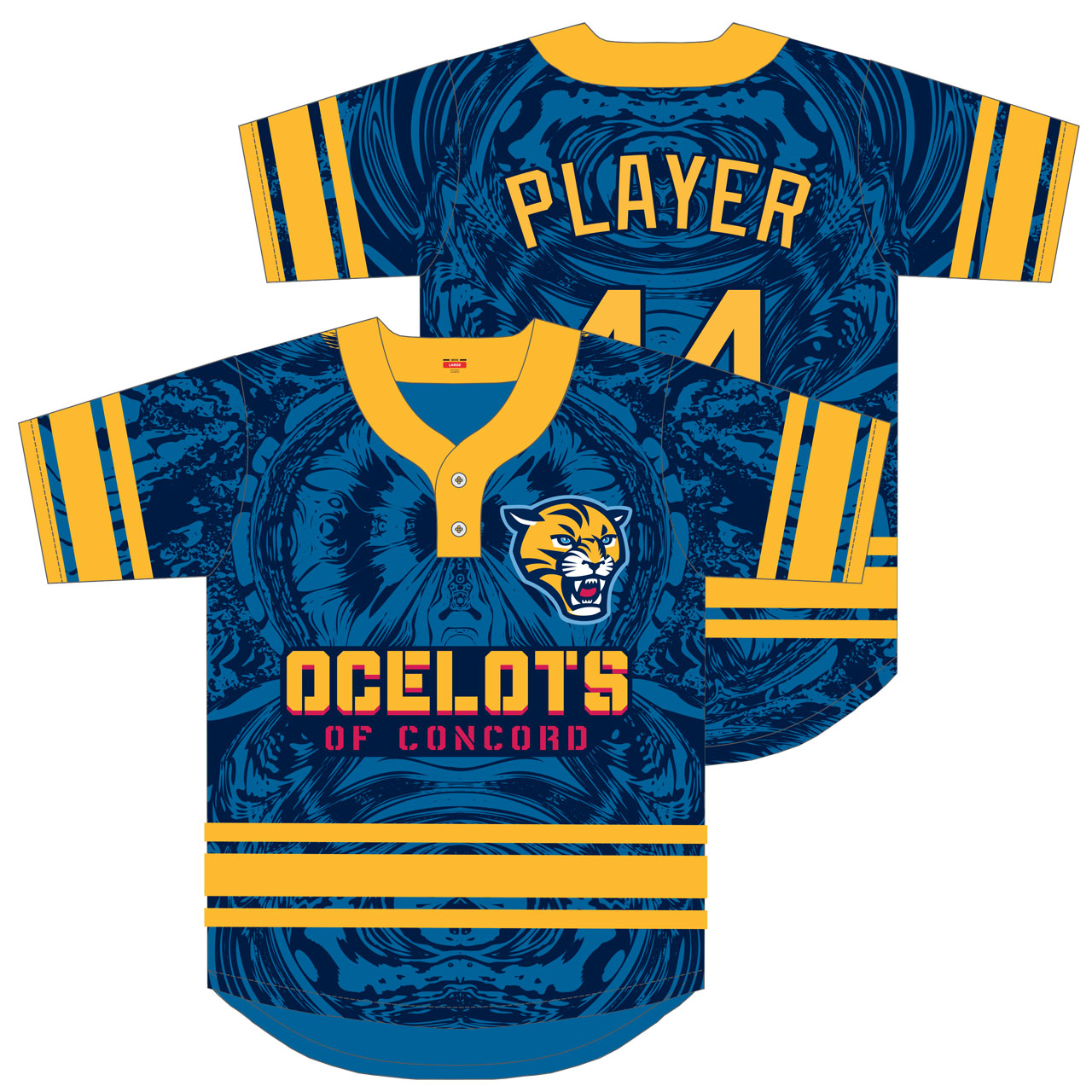
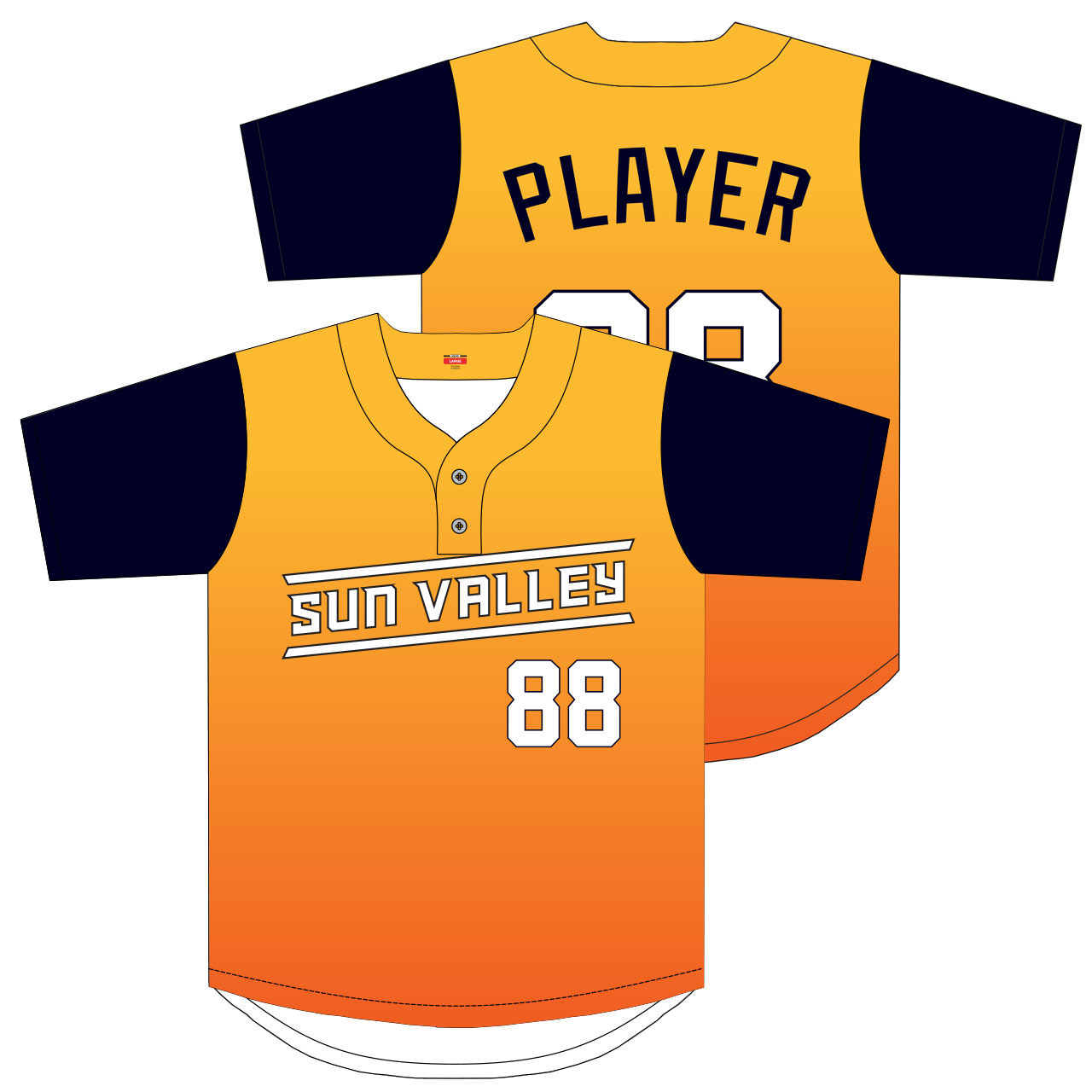
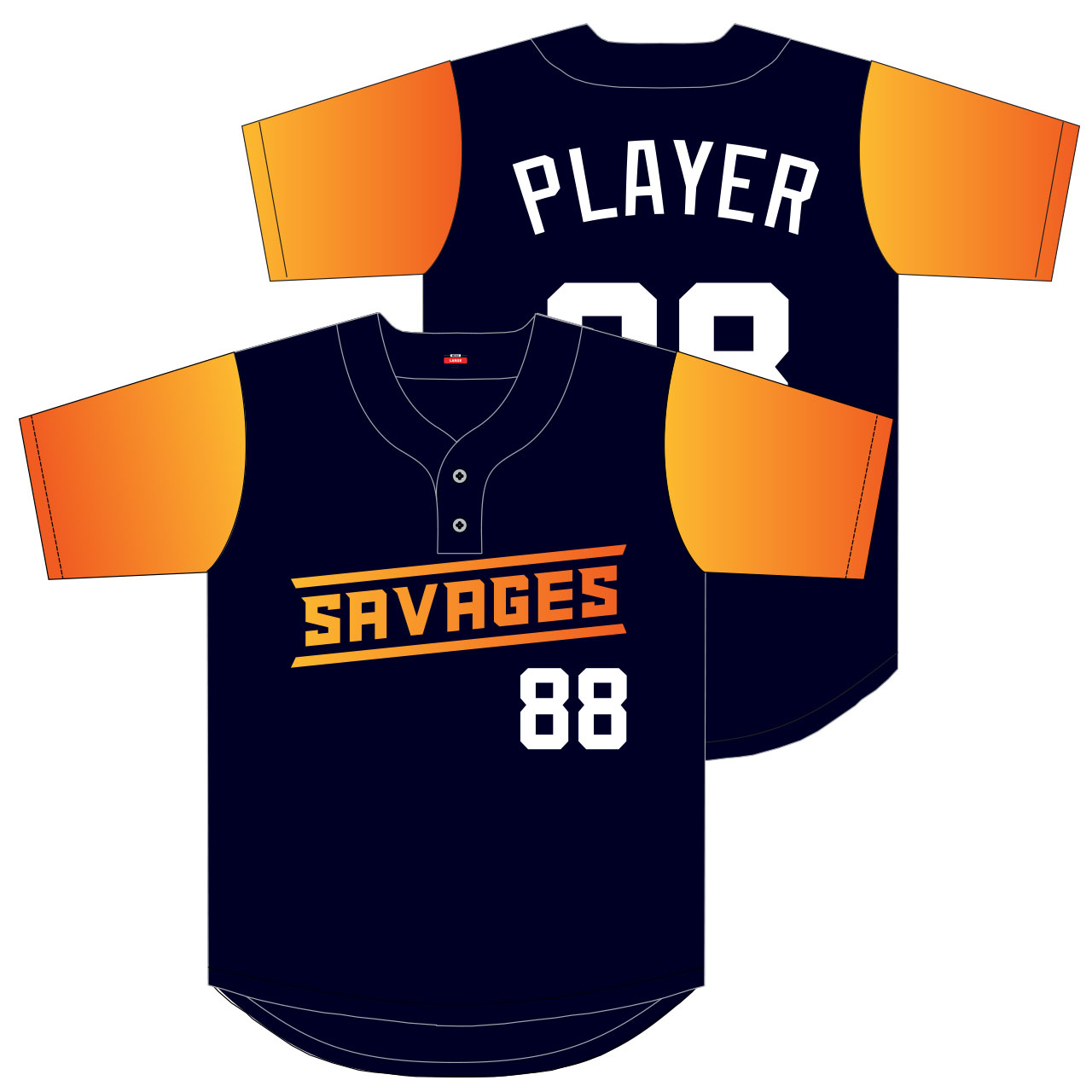
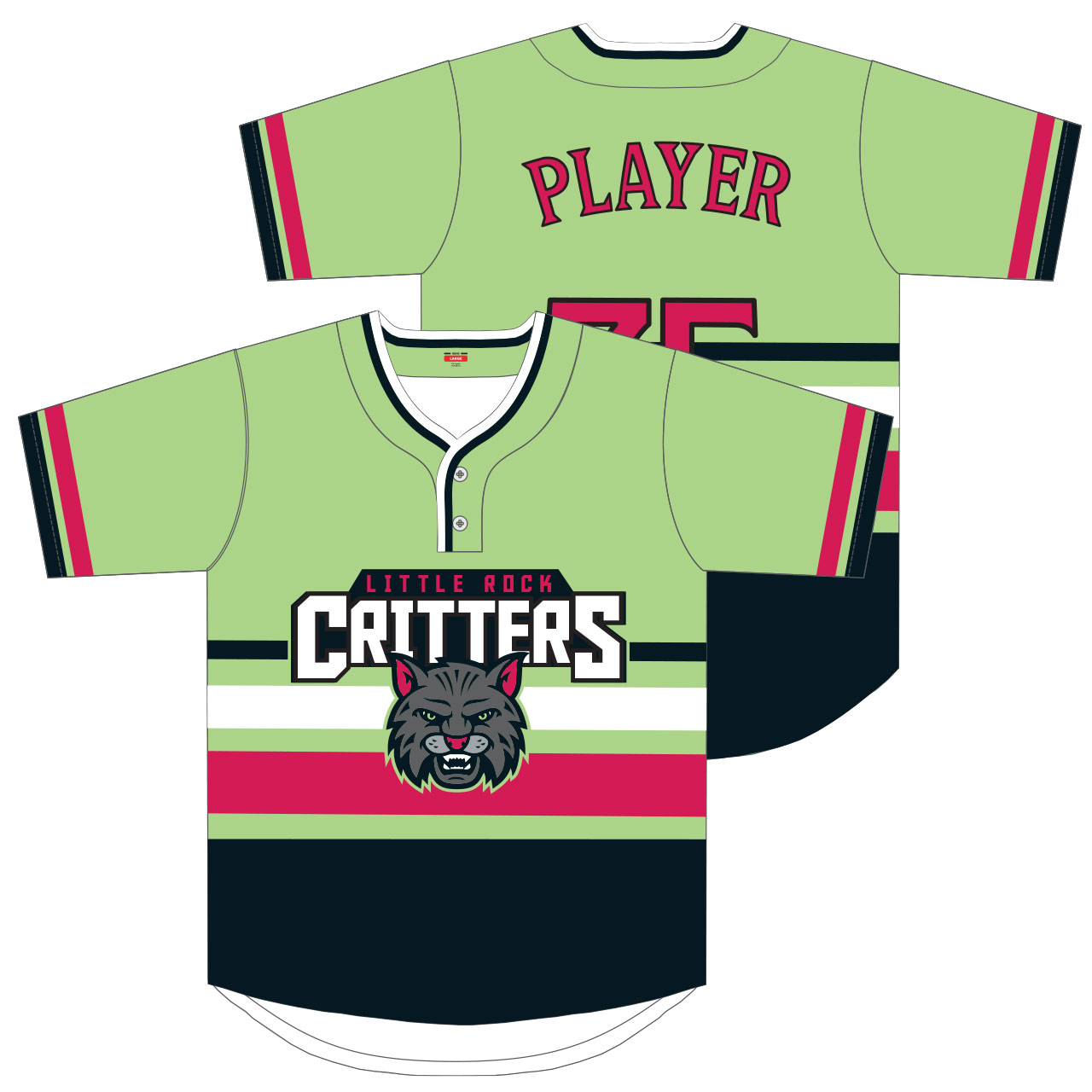
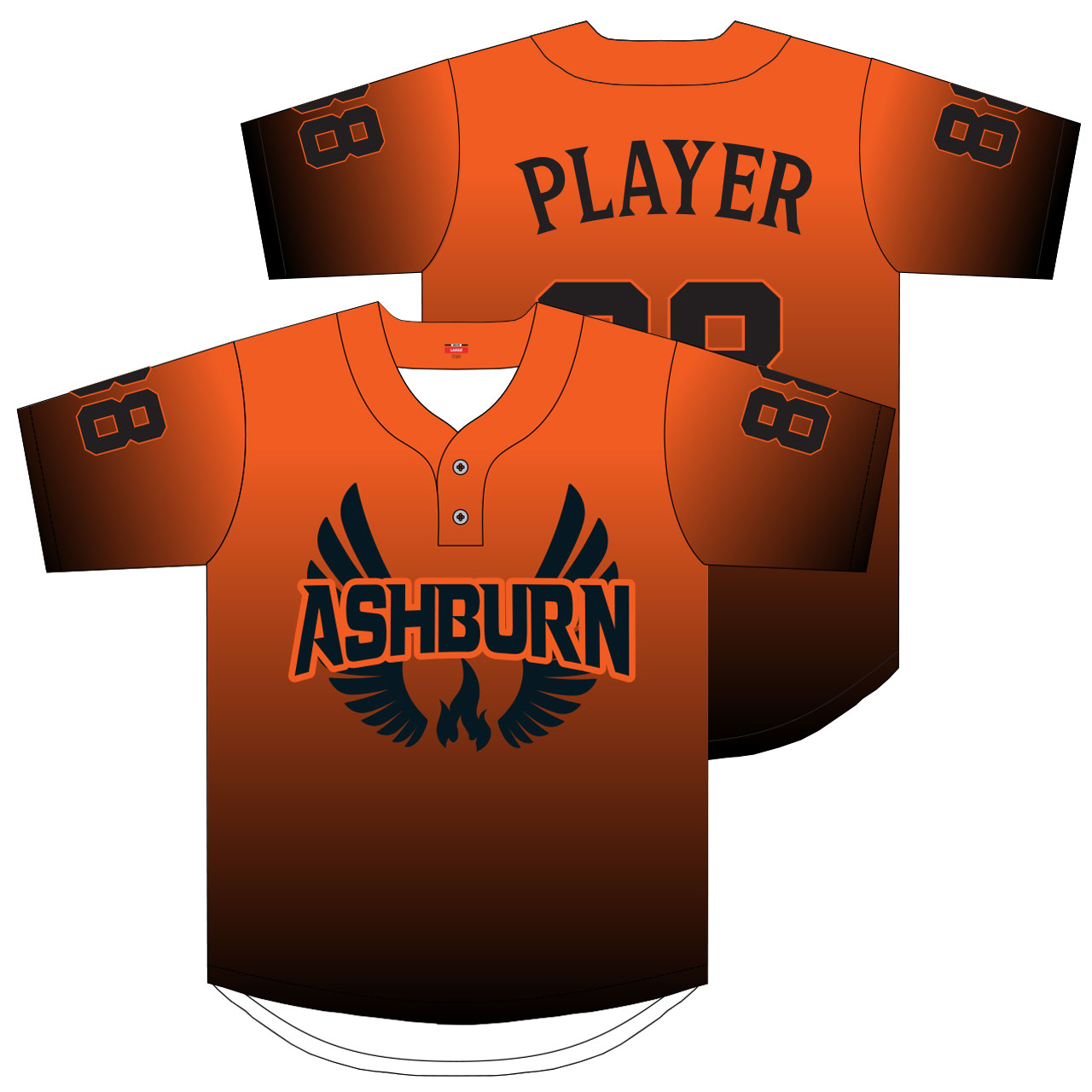
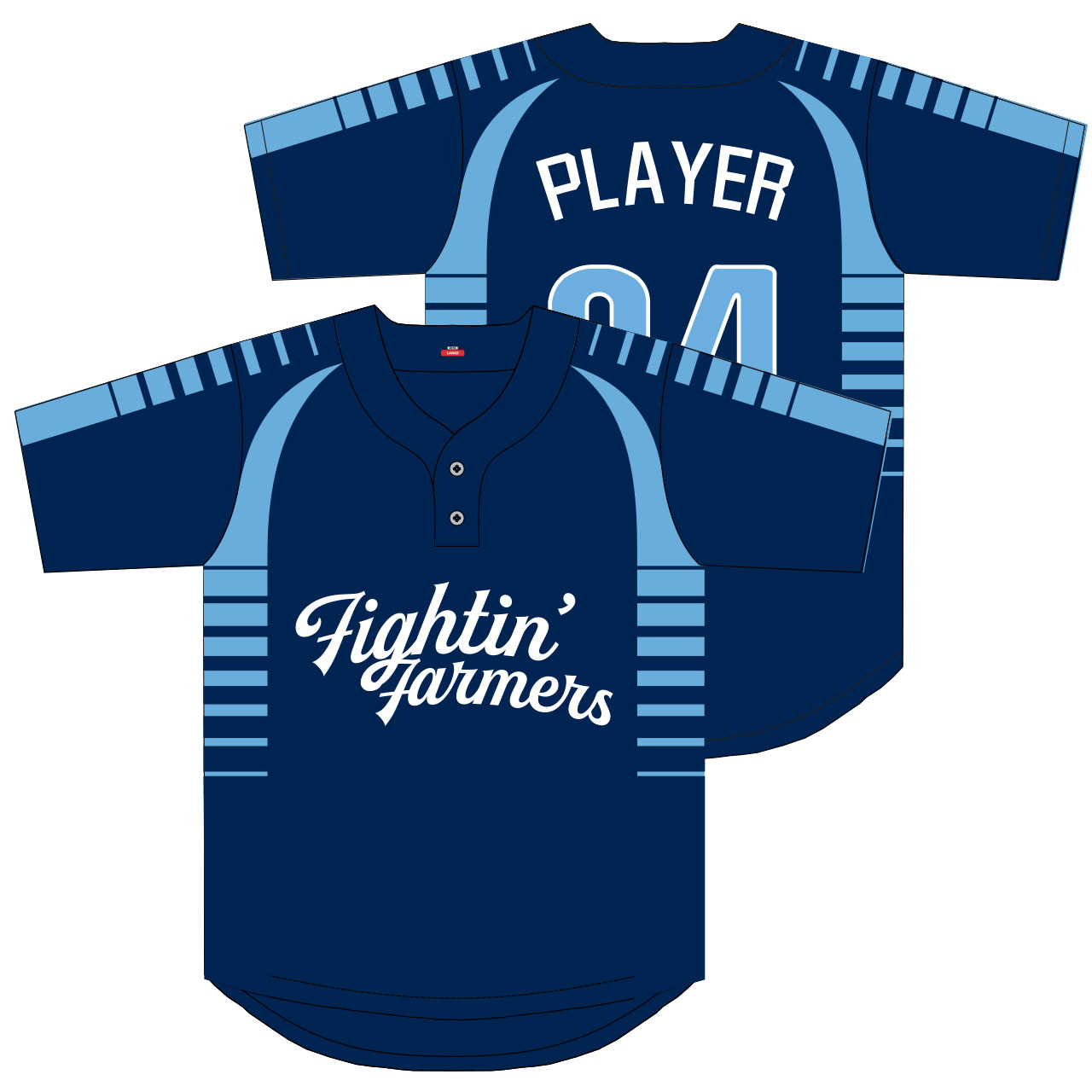
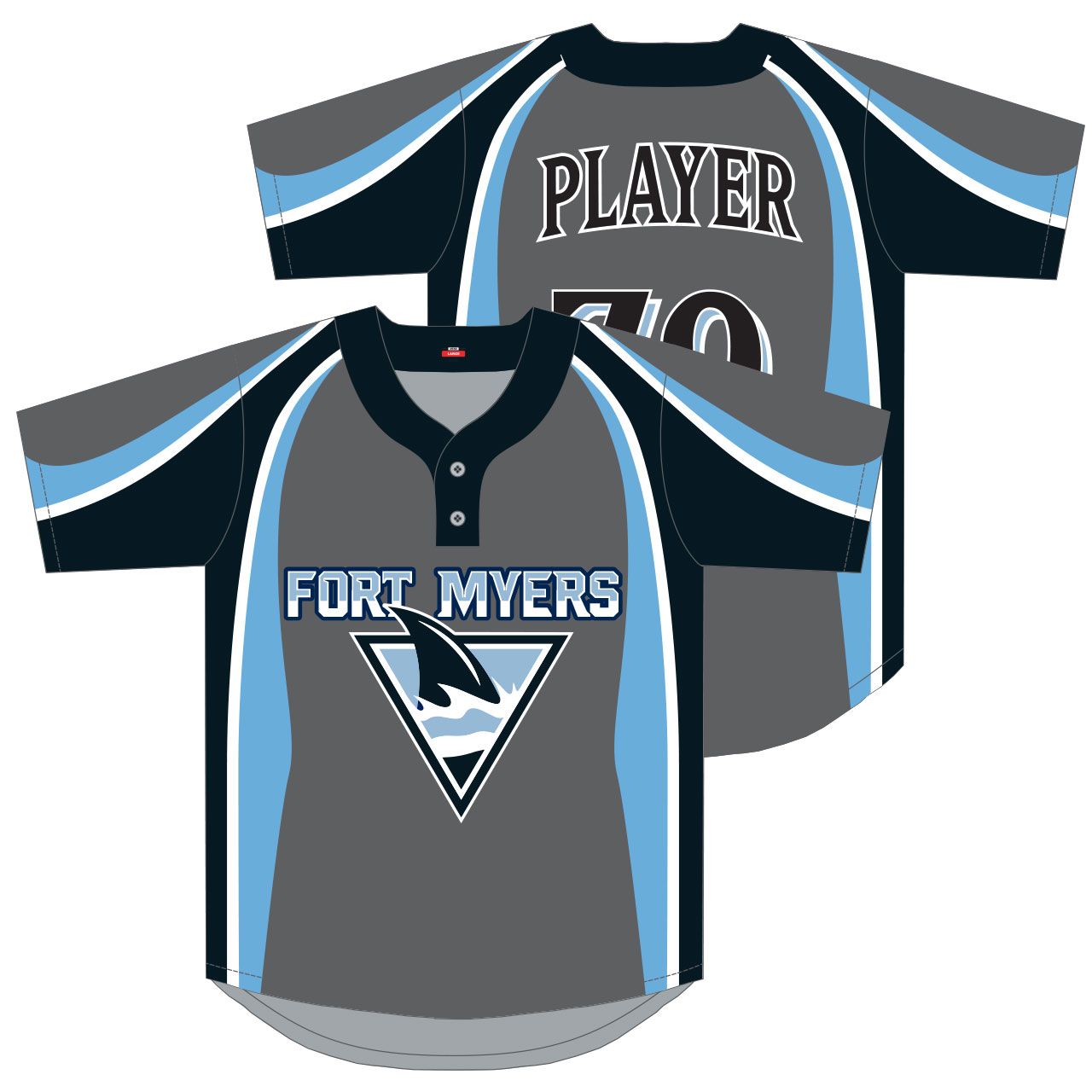
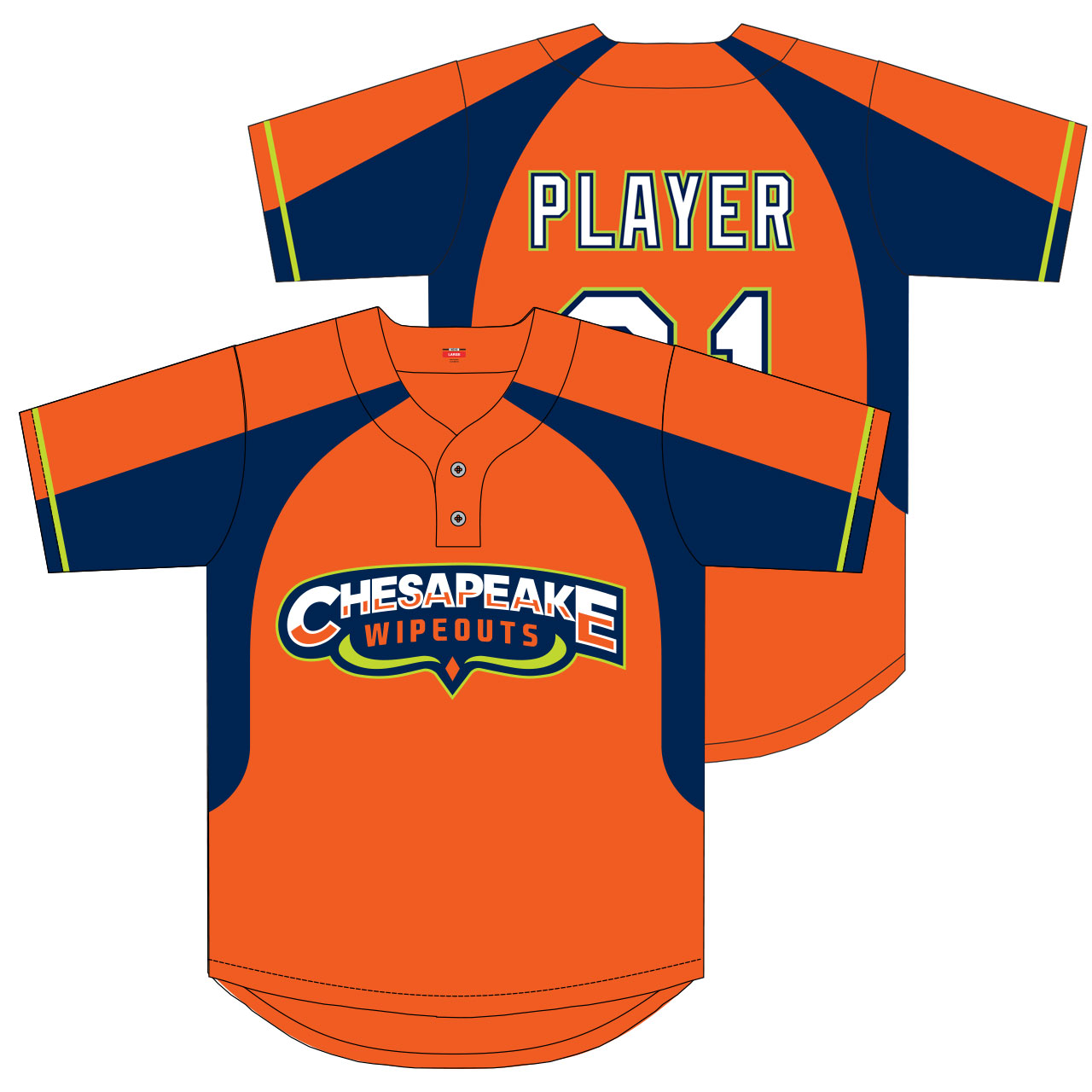
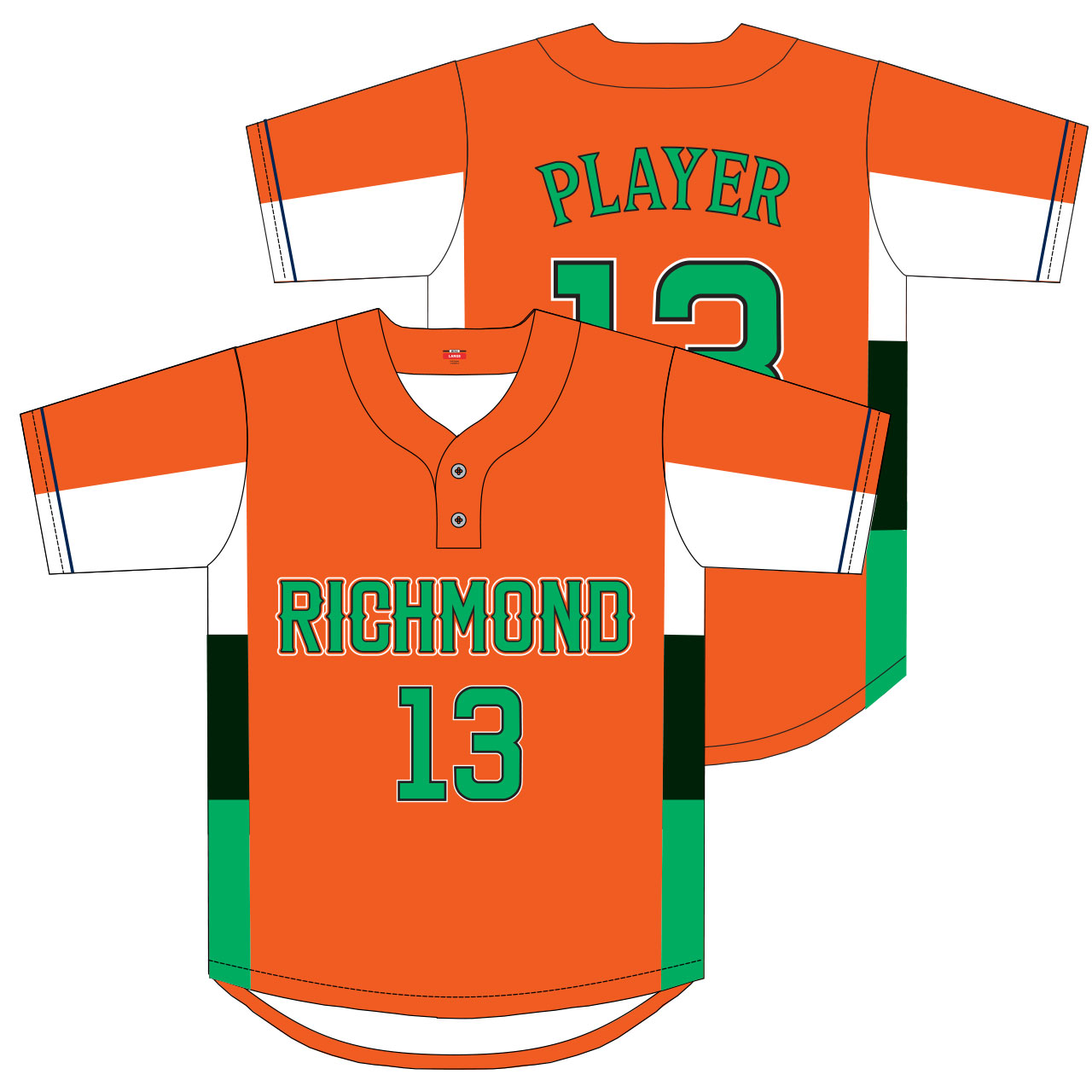
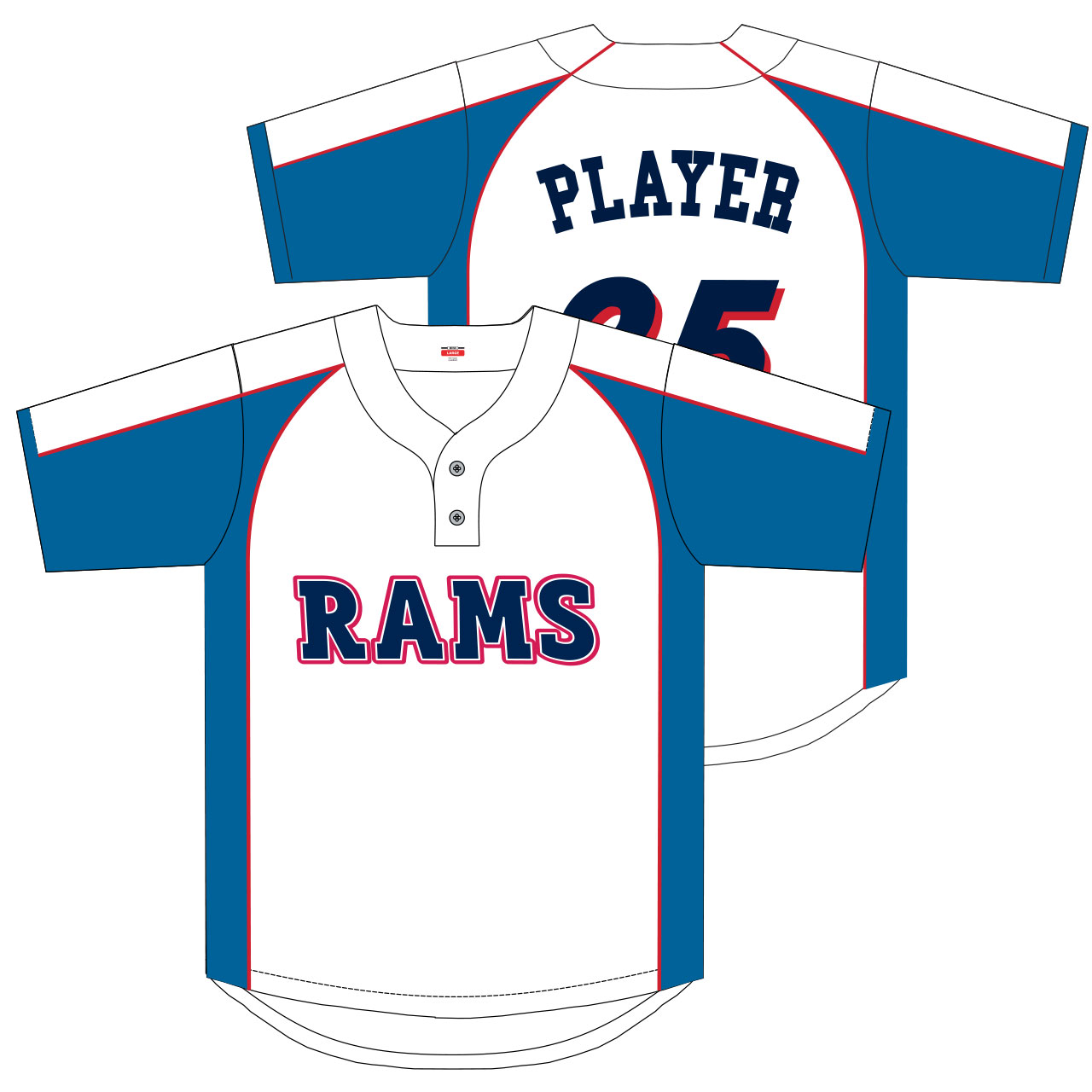
UNDER ARMOUR TWO BUTTON SLEEVELESS BASEBALL JERSEY DESIGNS
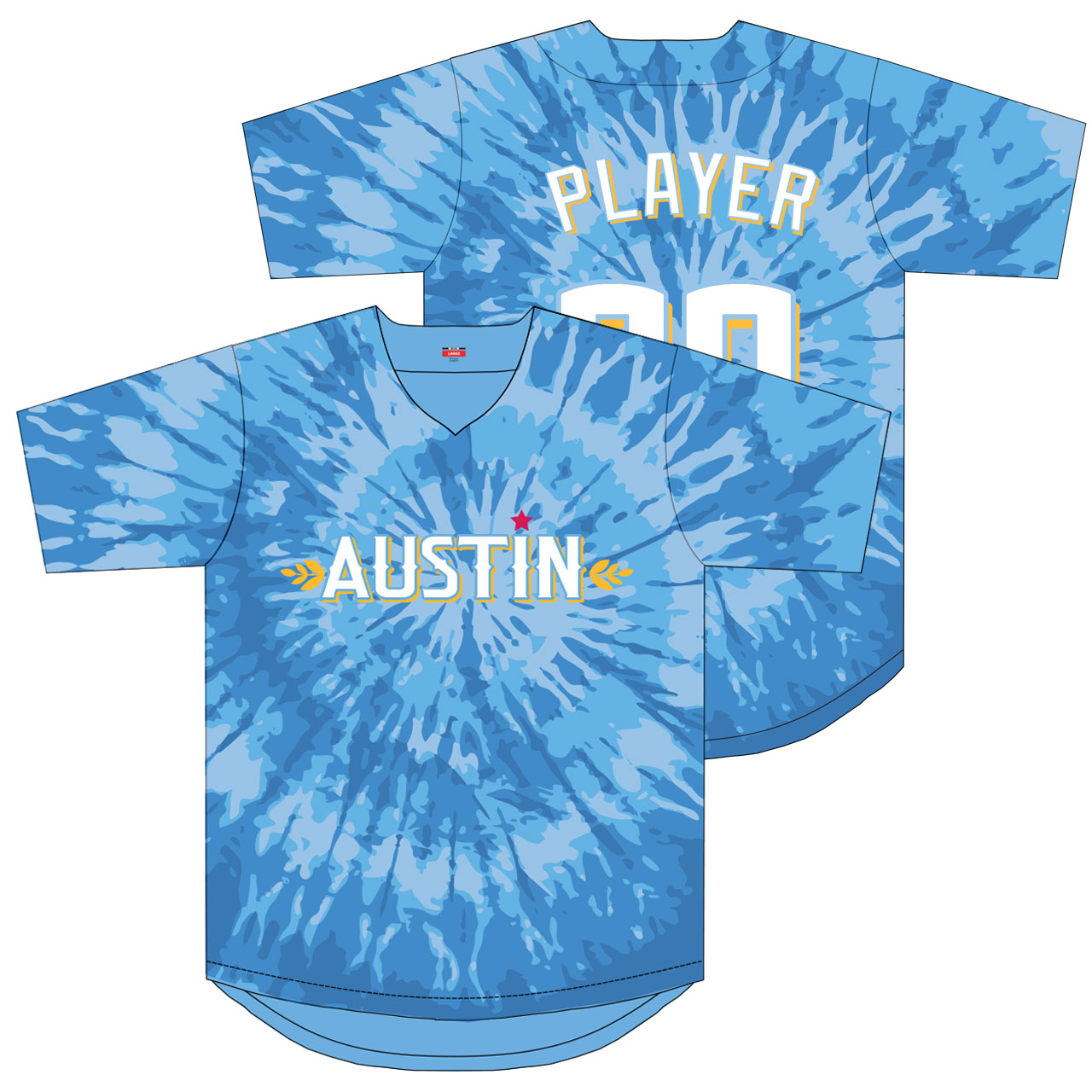
V-NECK OR CREWNECK BASEBALL JERSEY DESIGNS
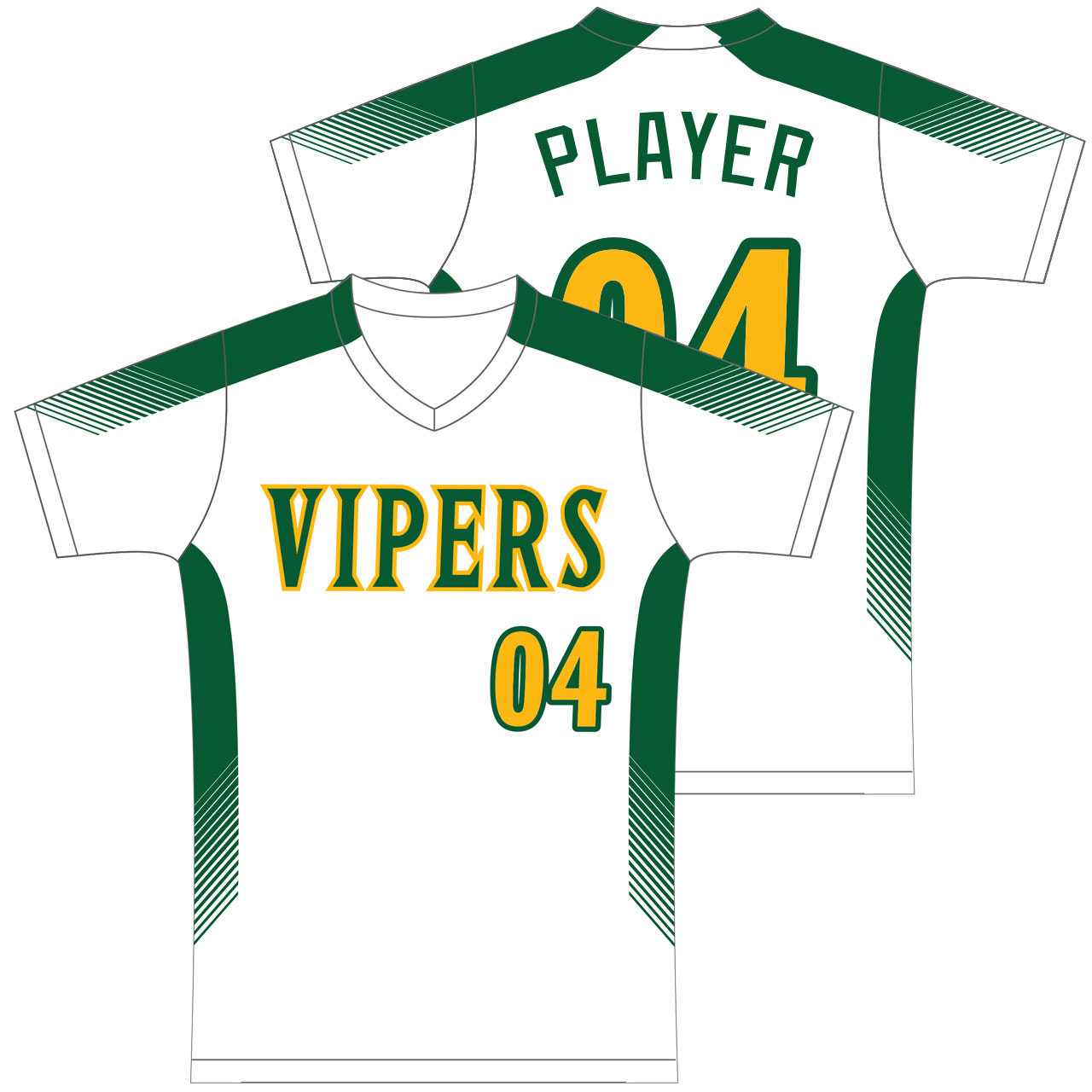
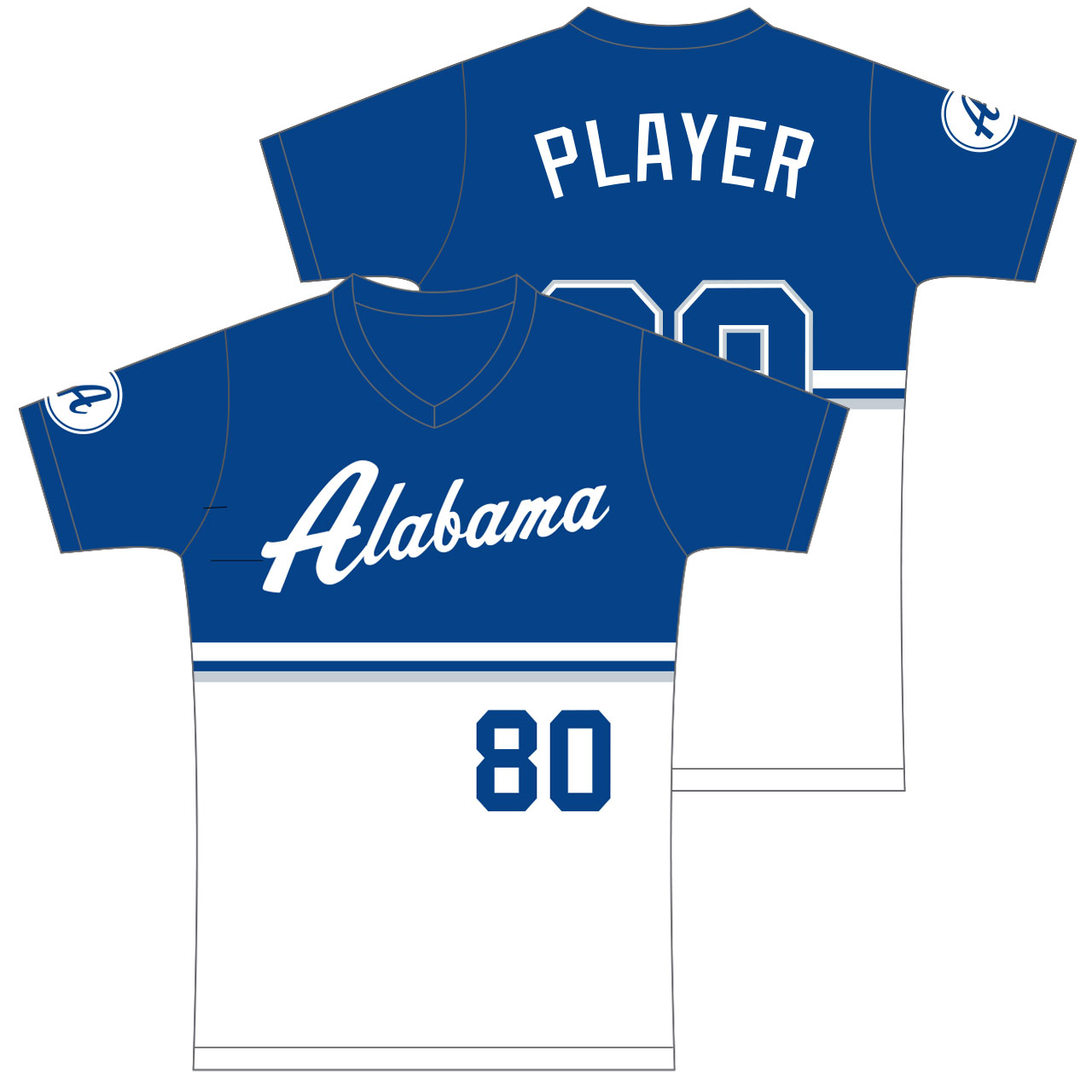
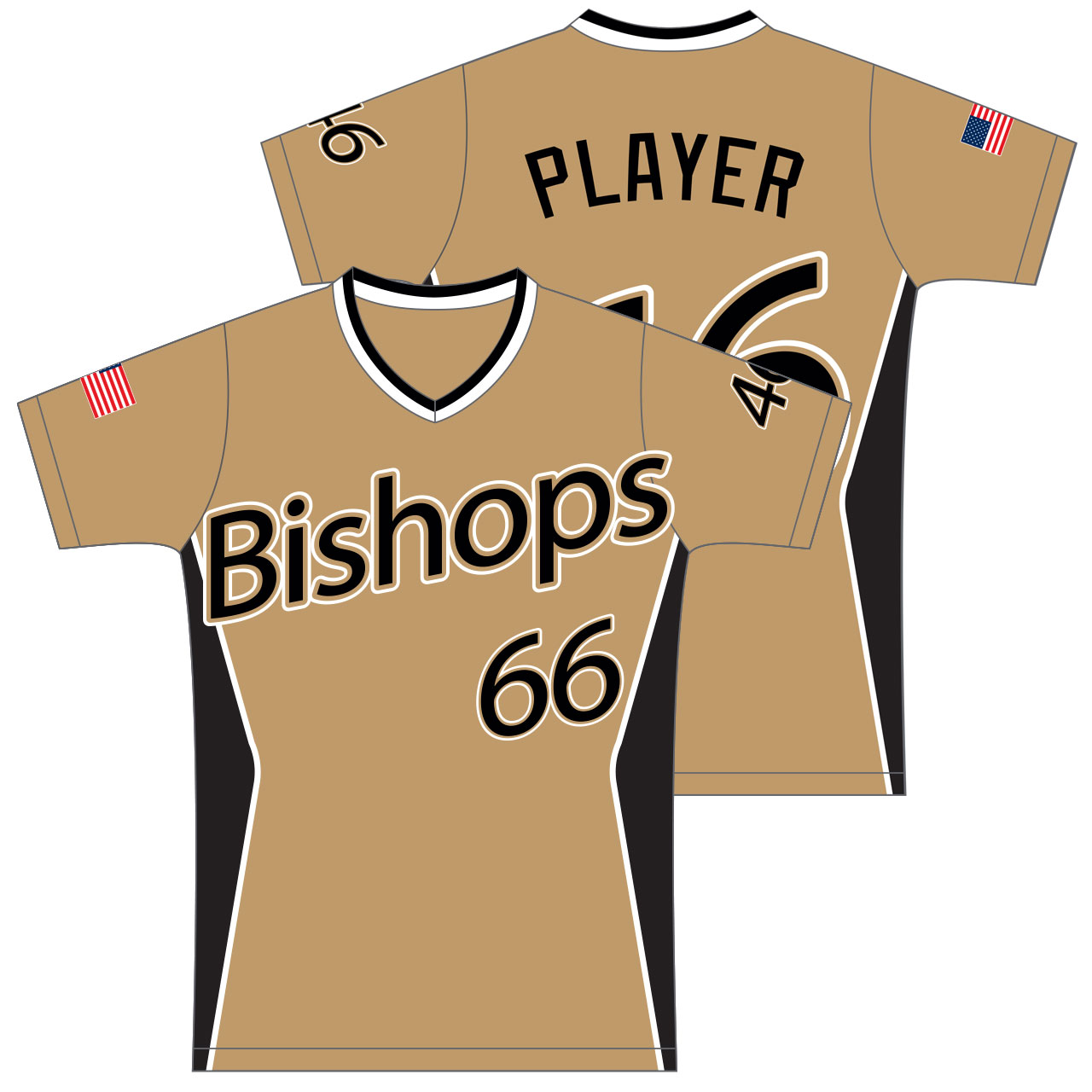
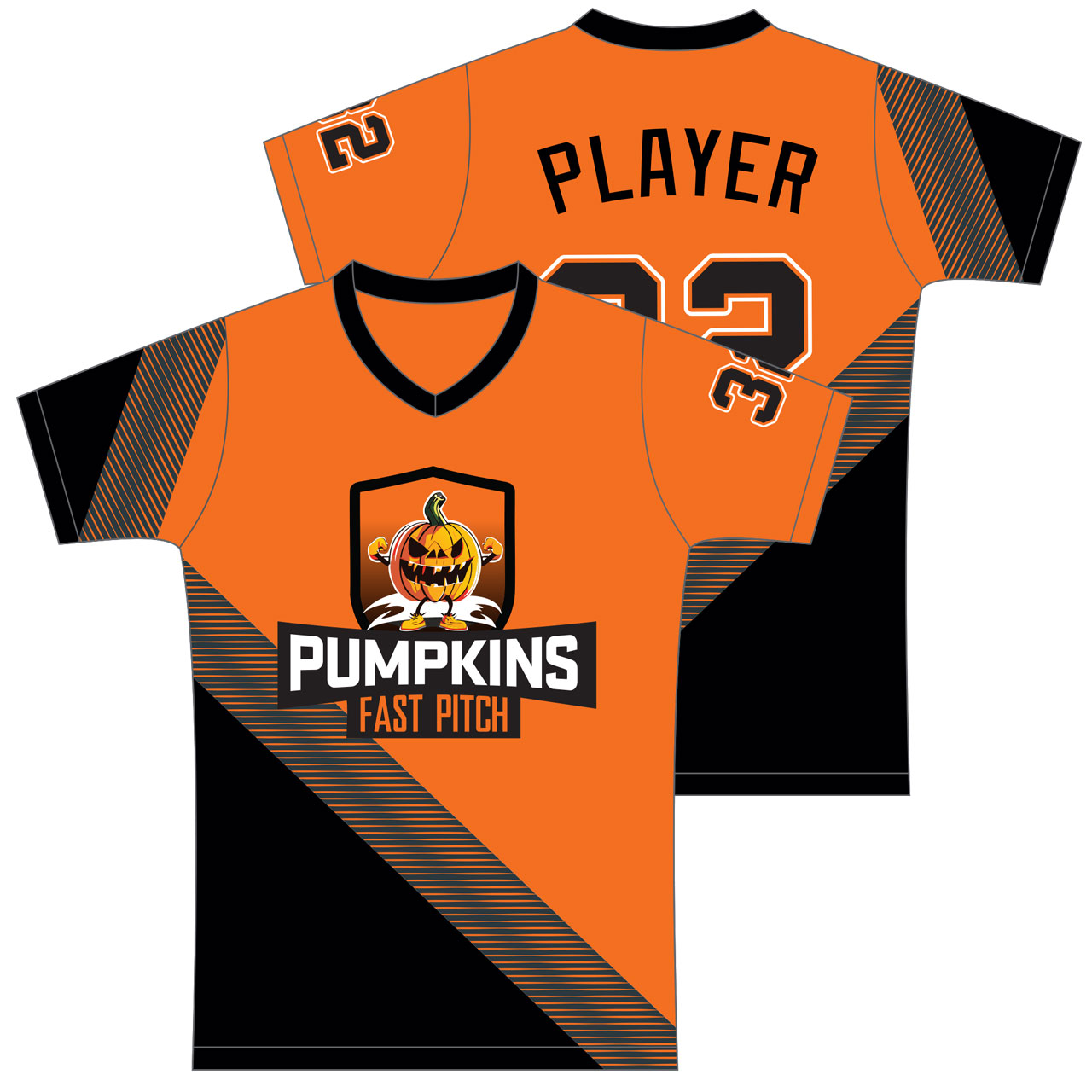
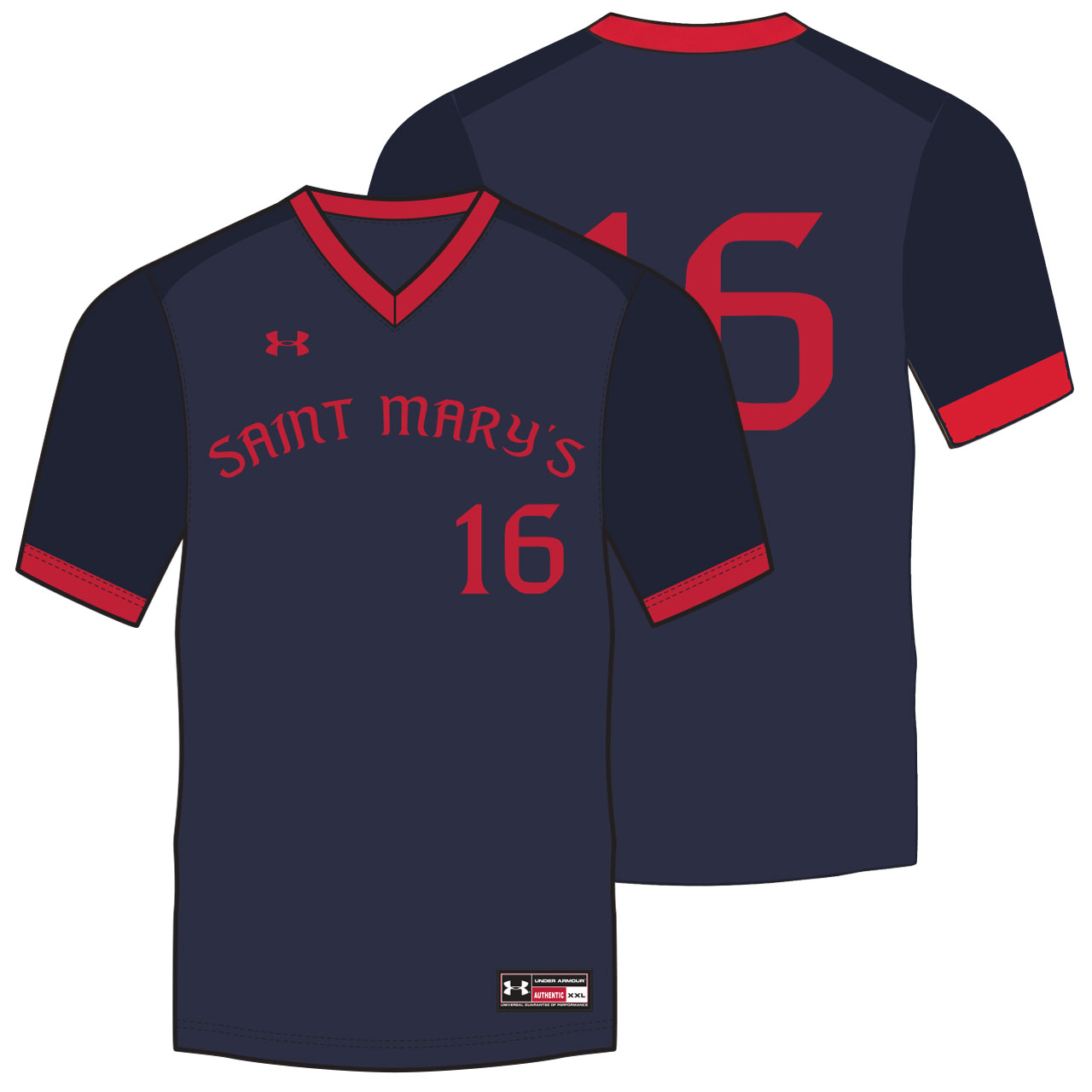
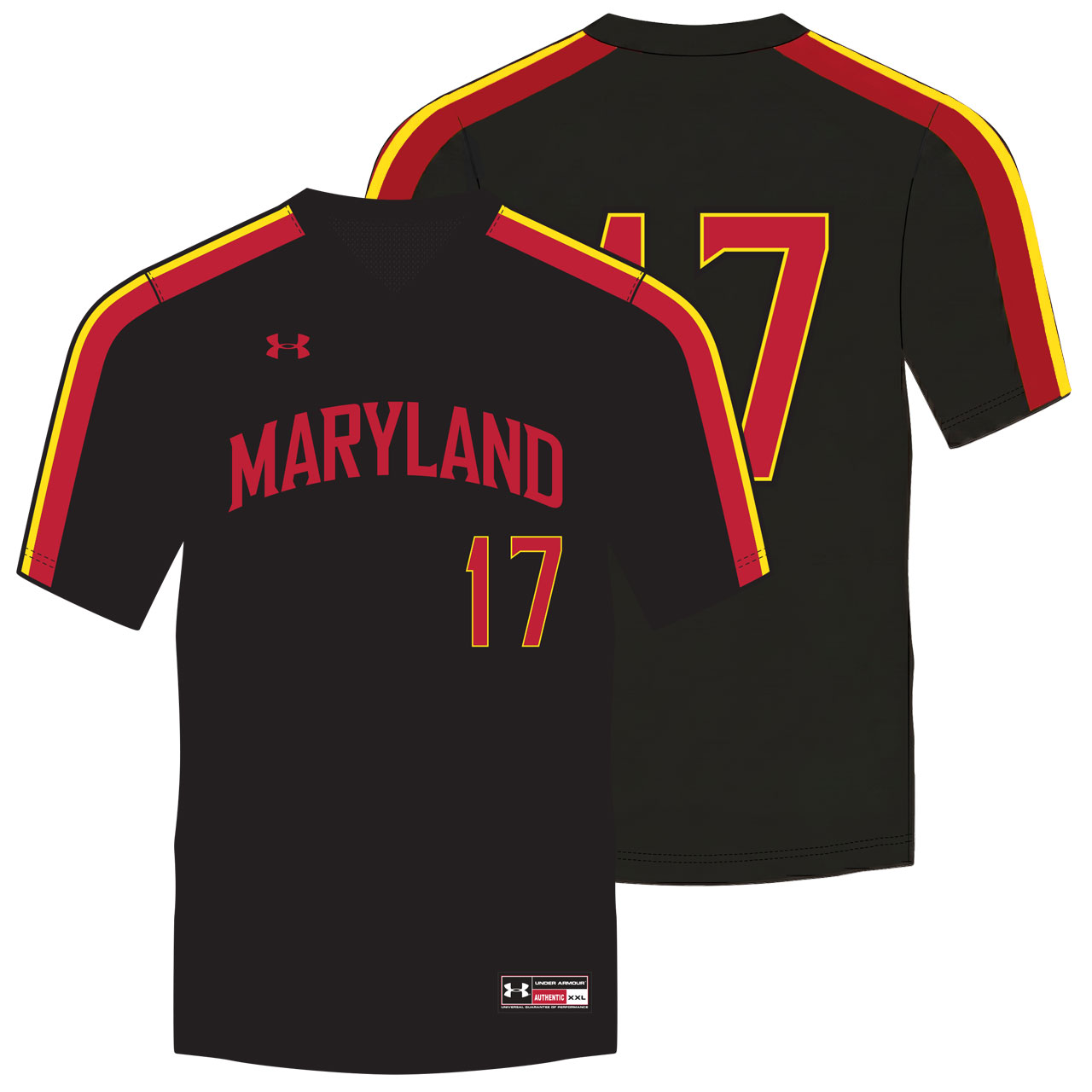
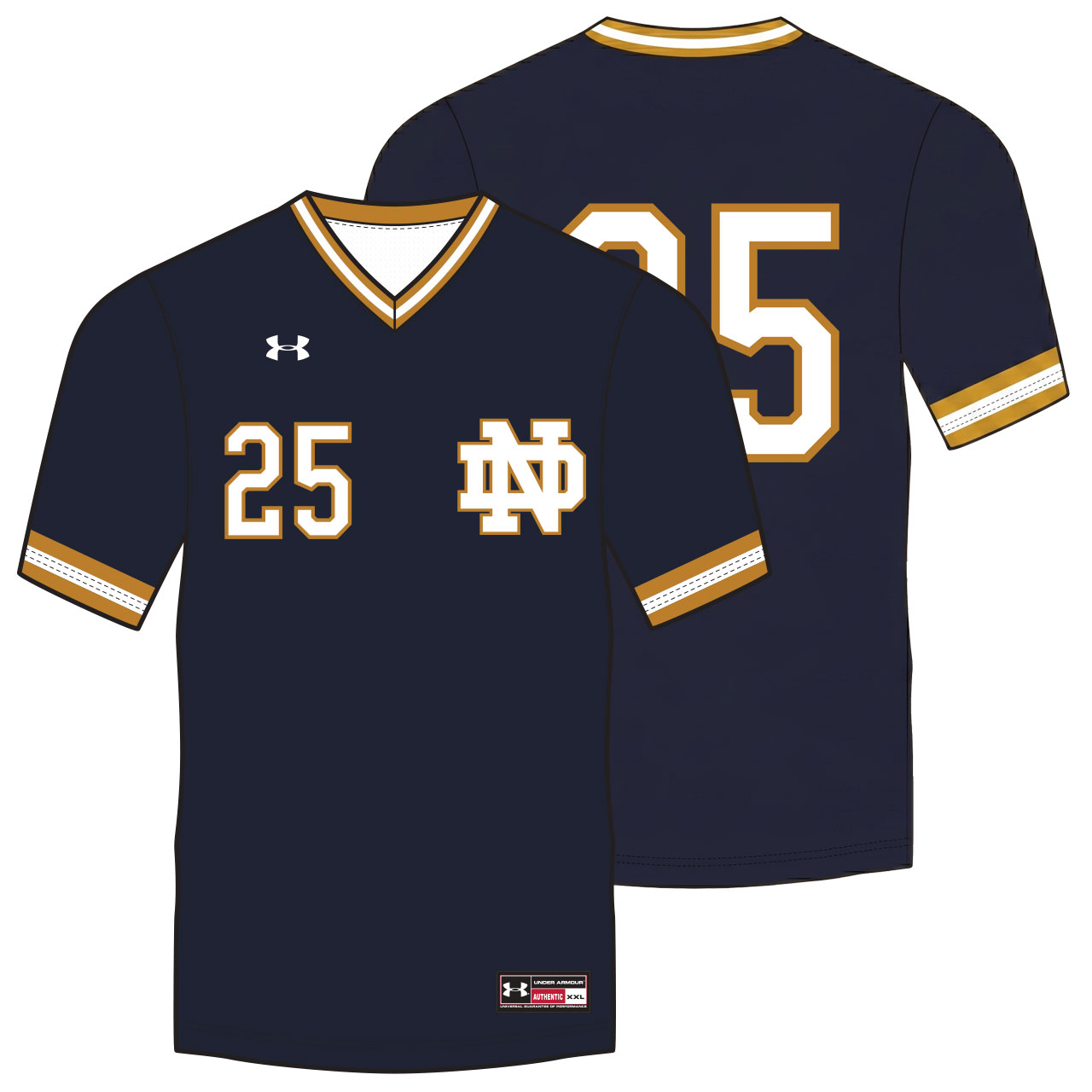
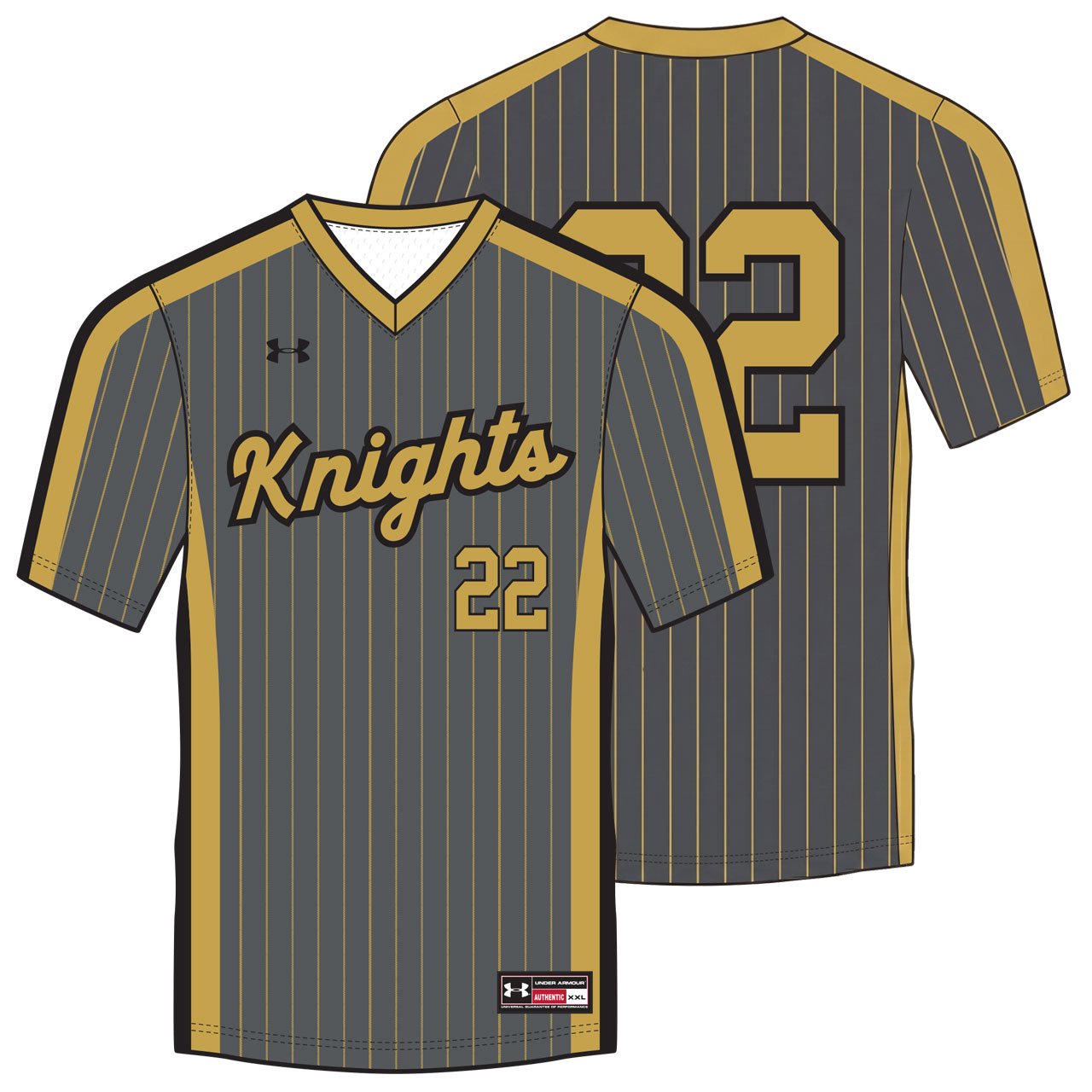
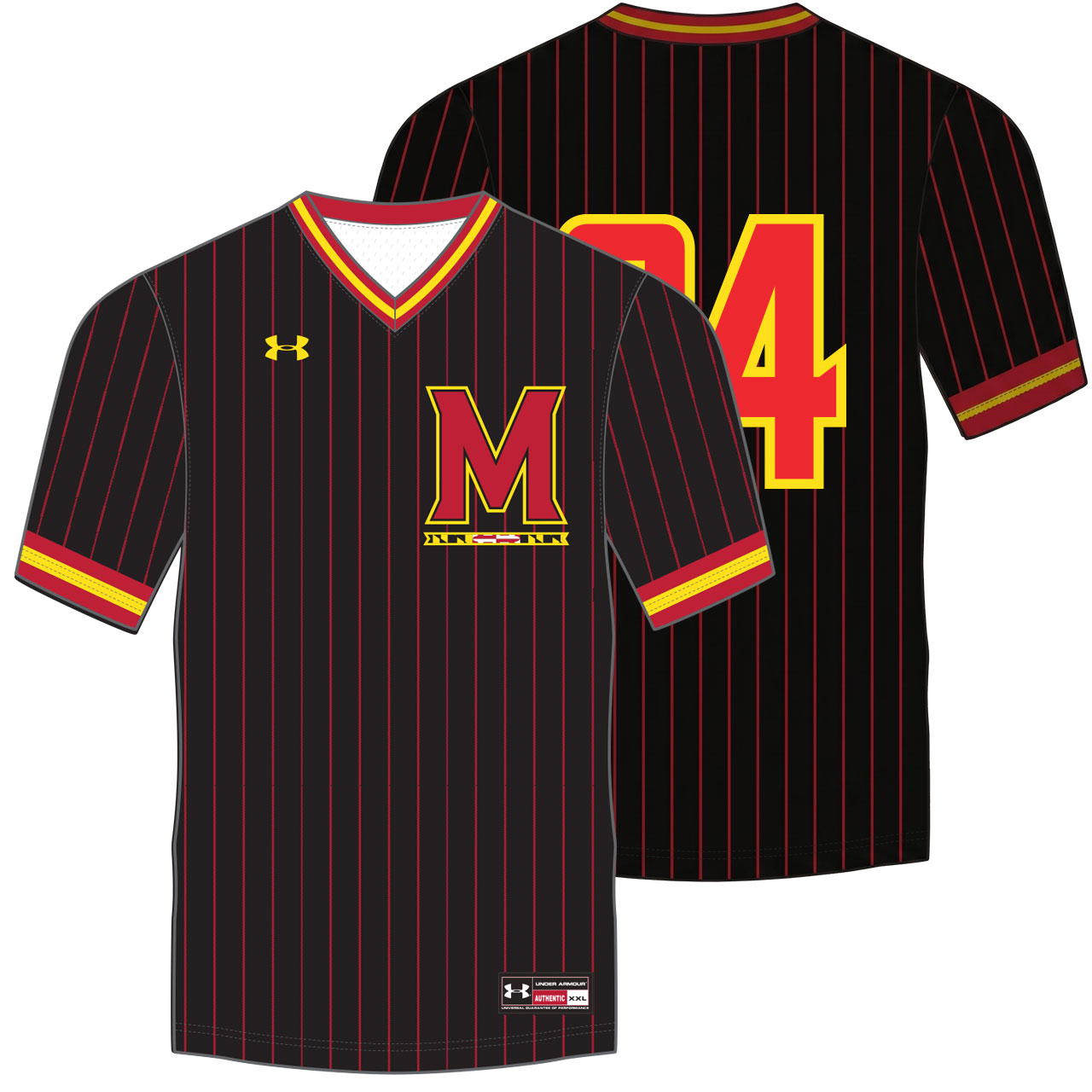
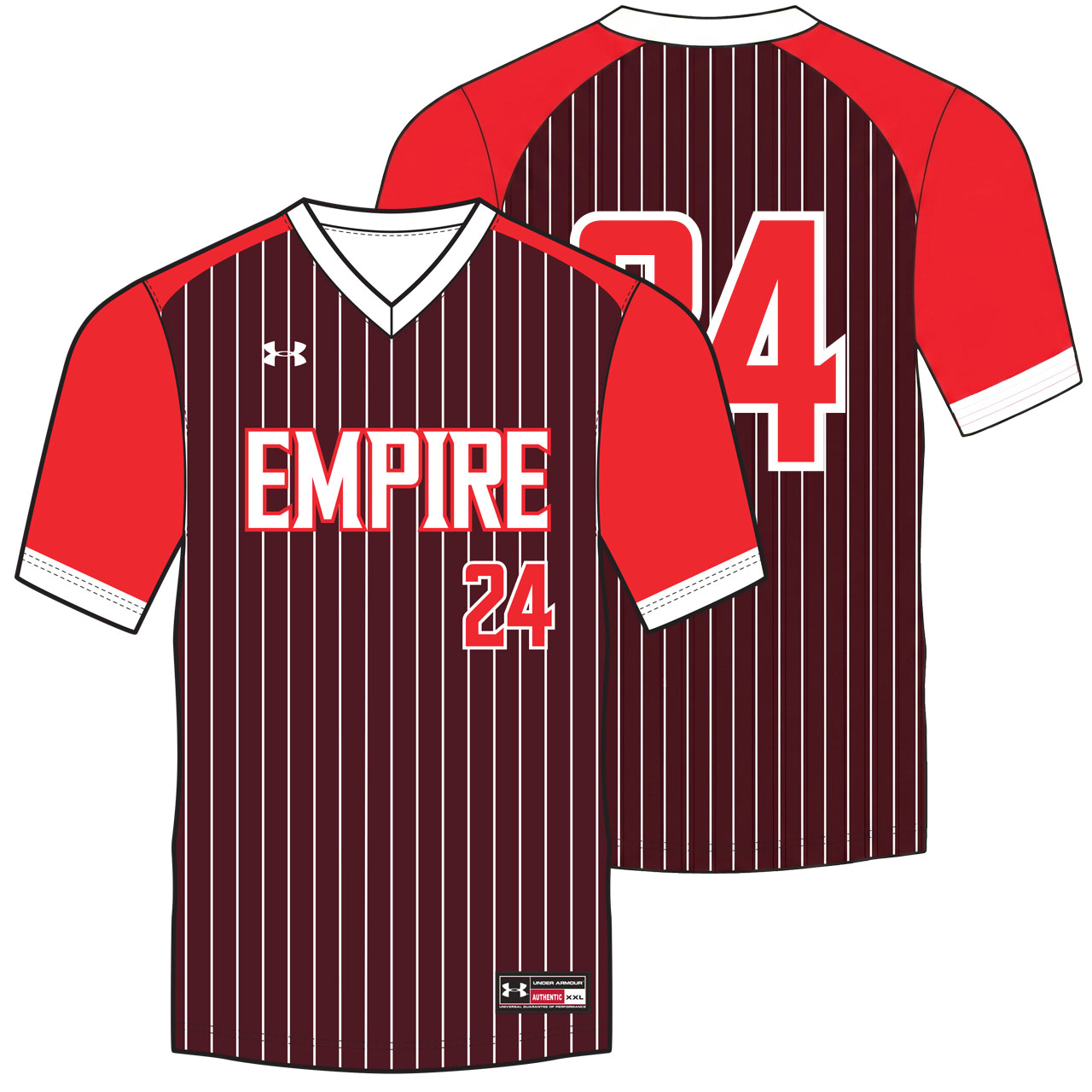
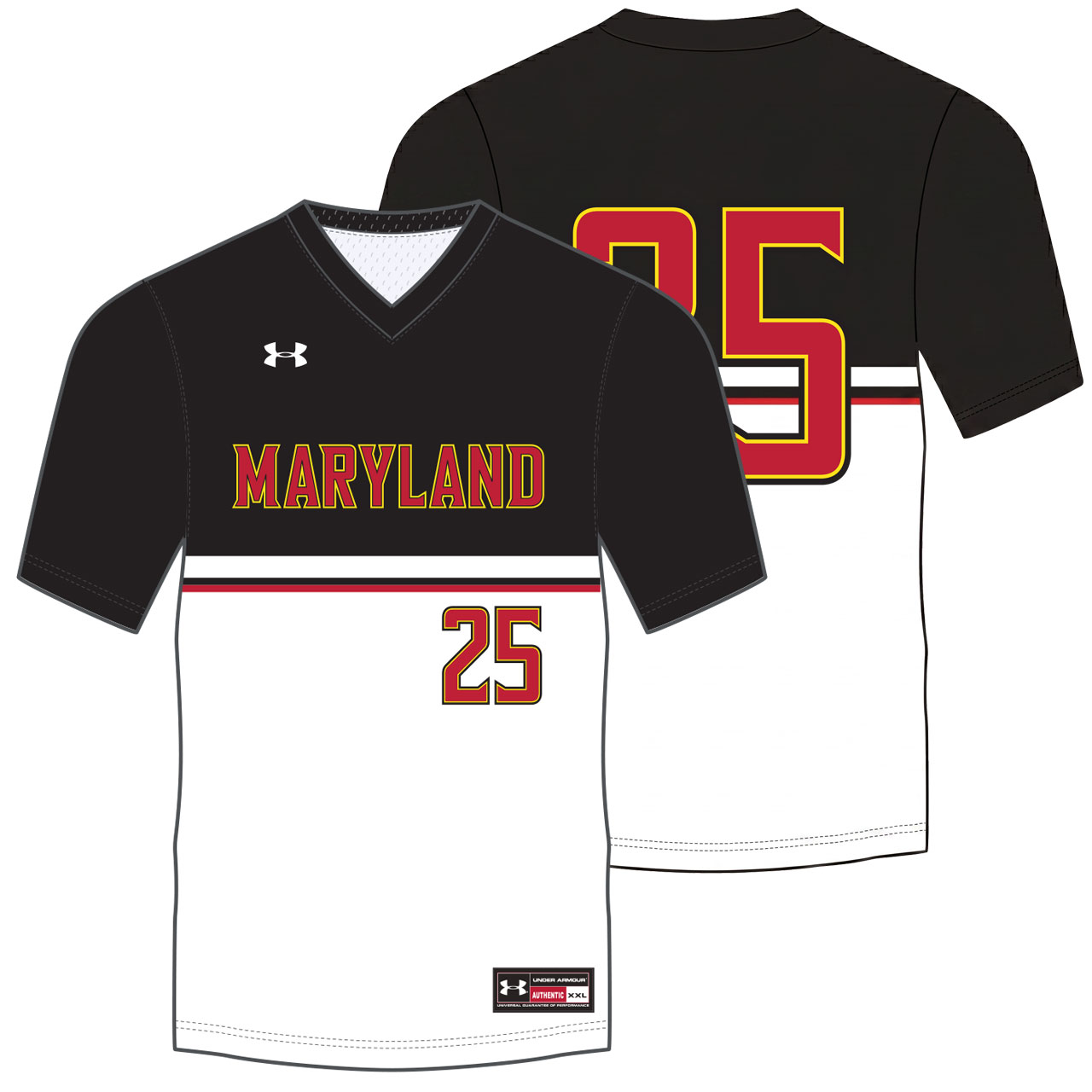
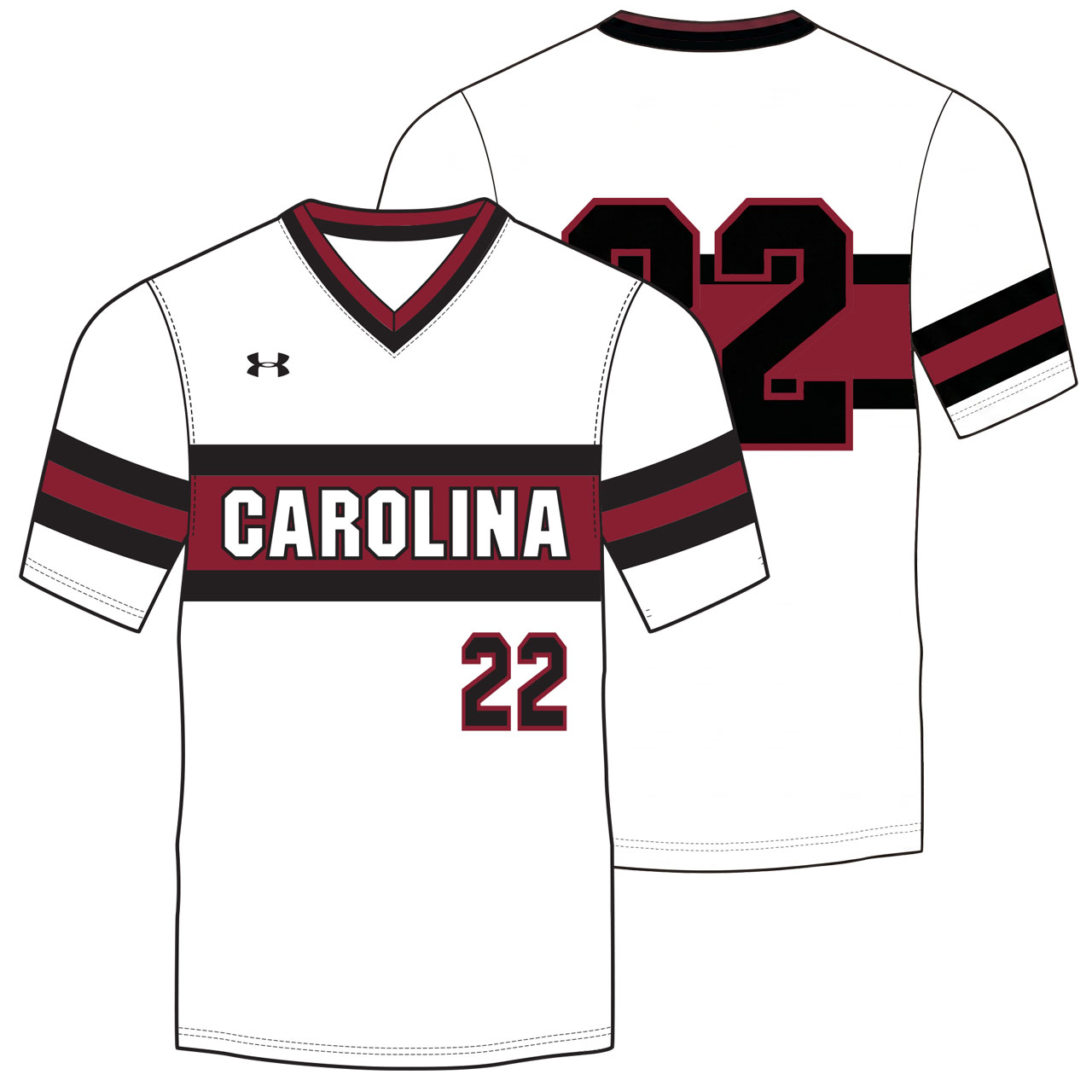
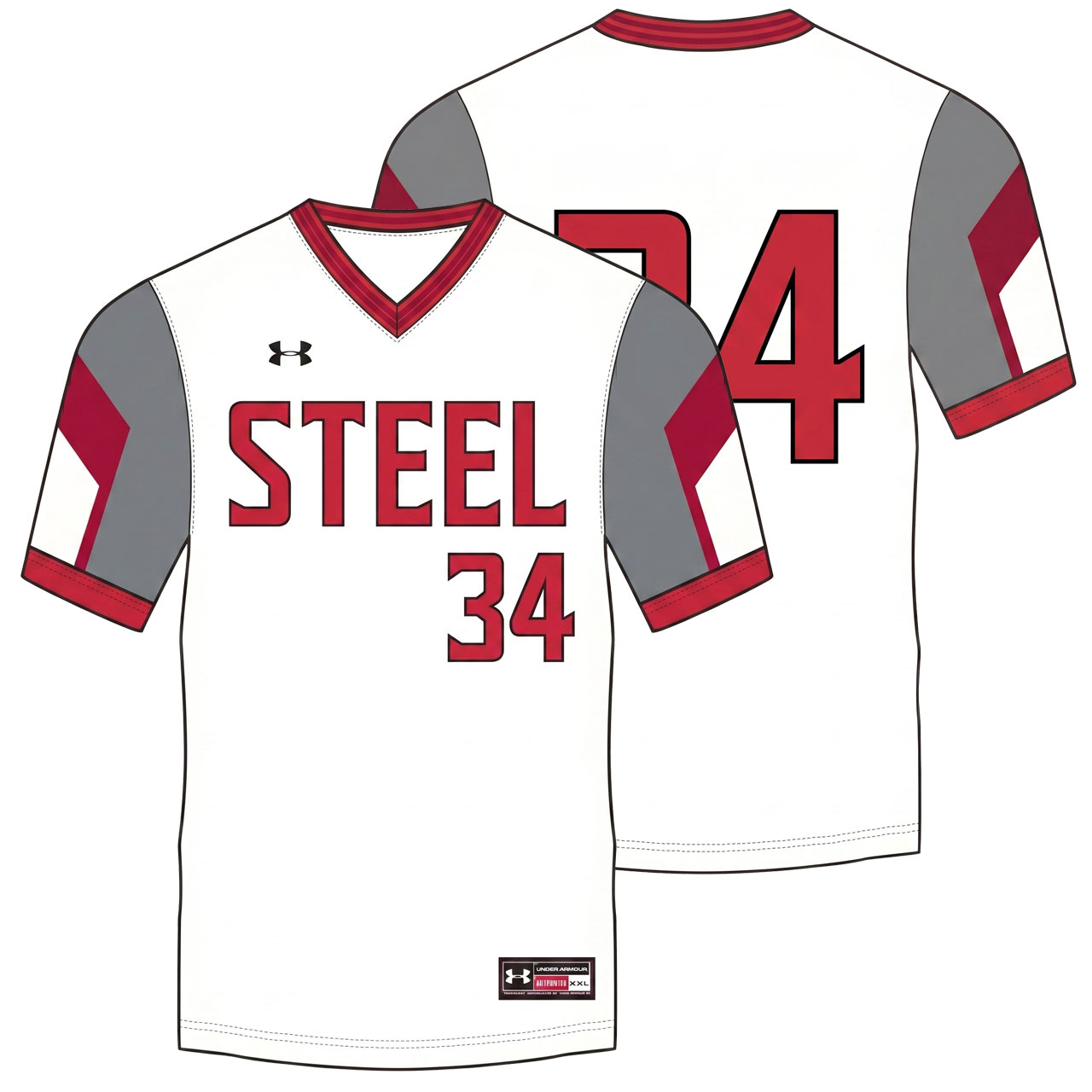
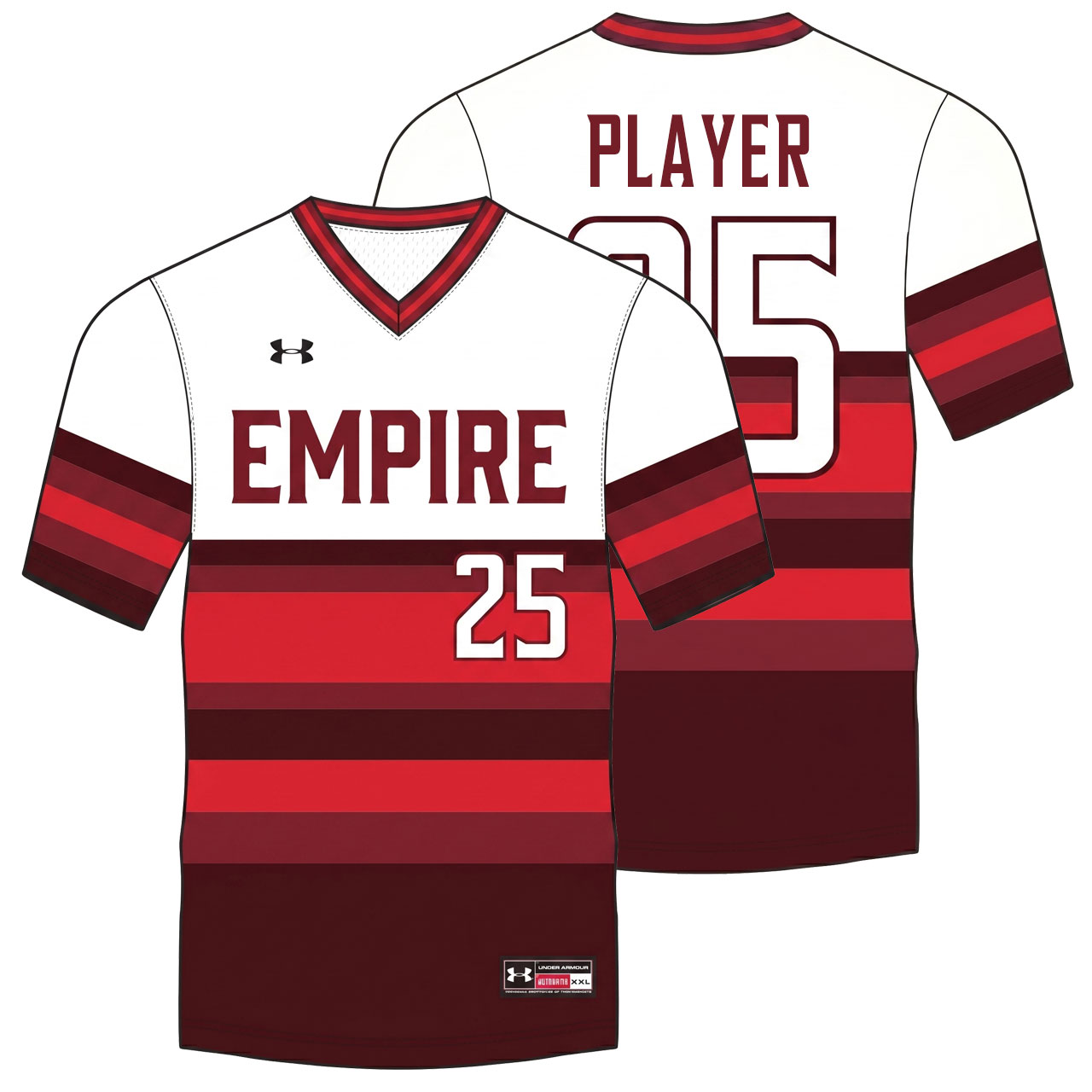
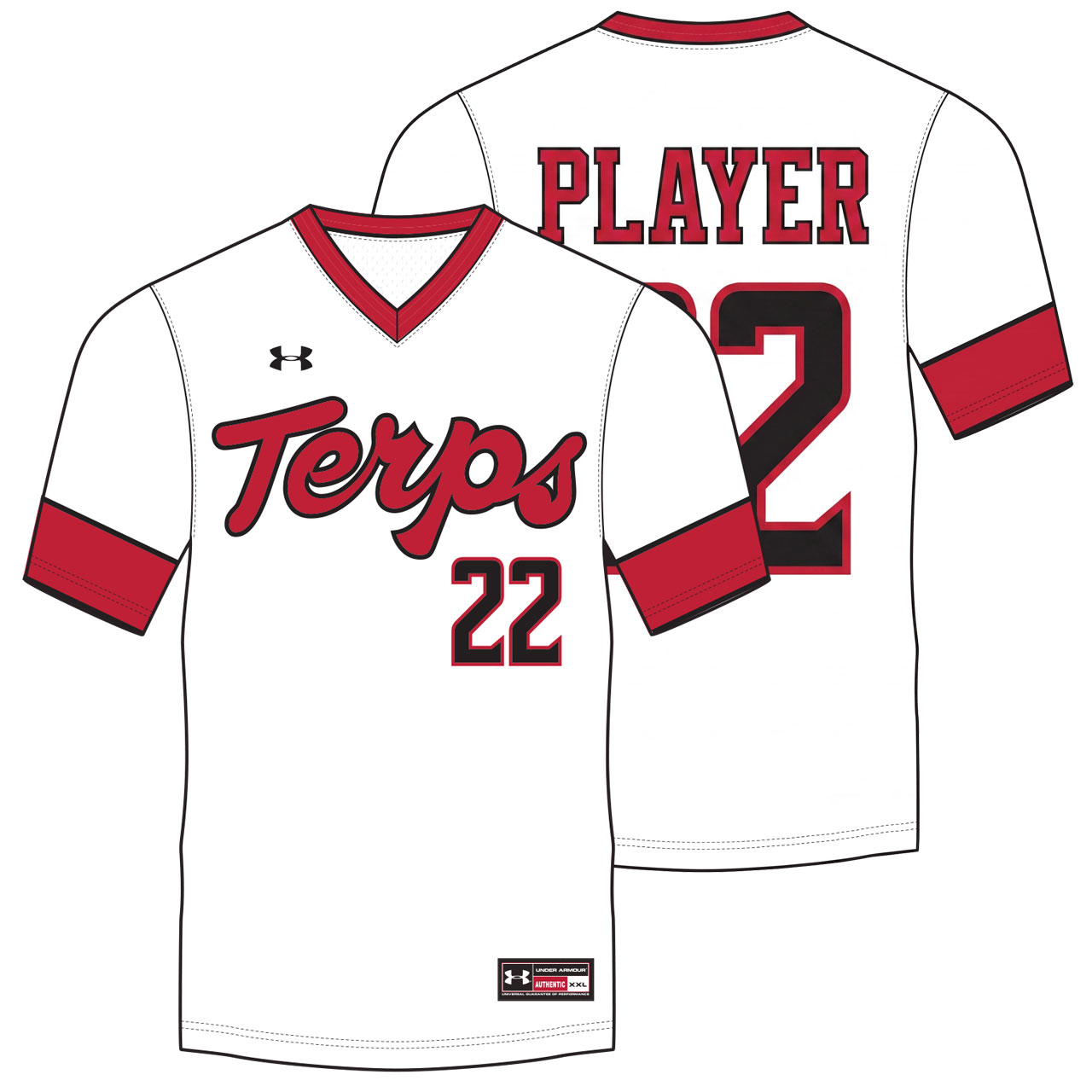
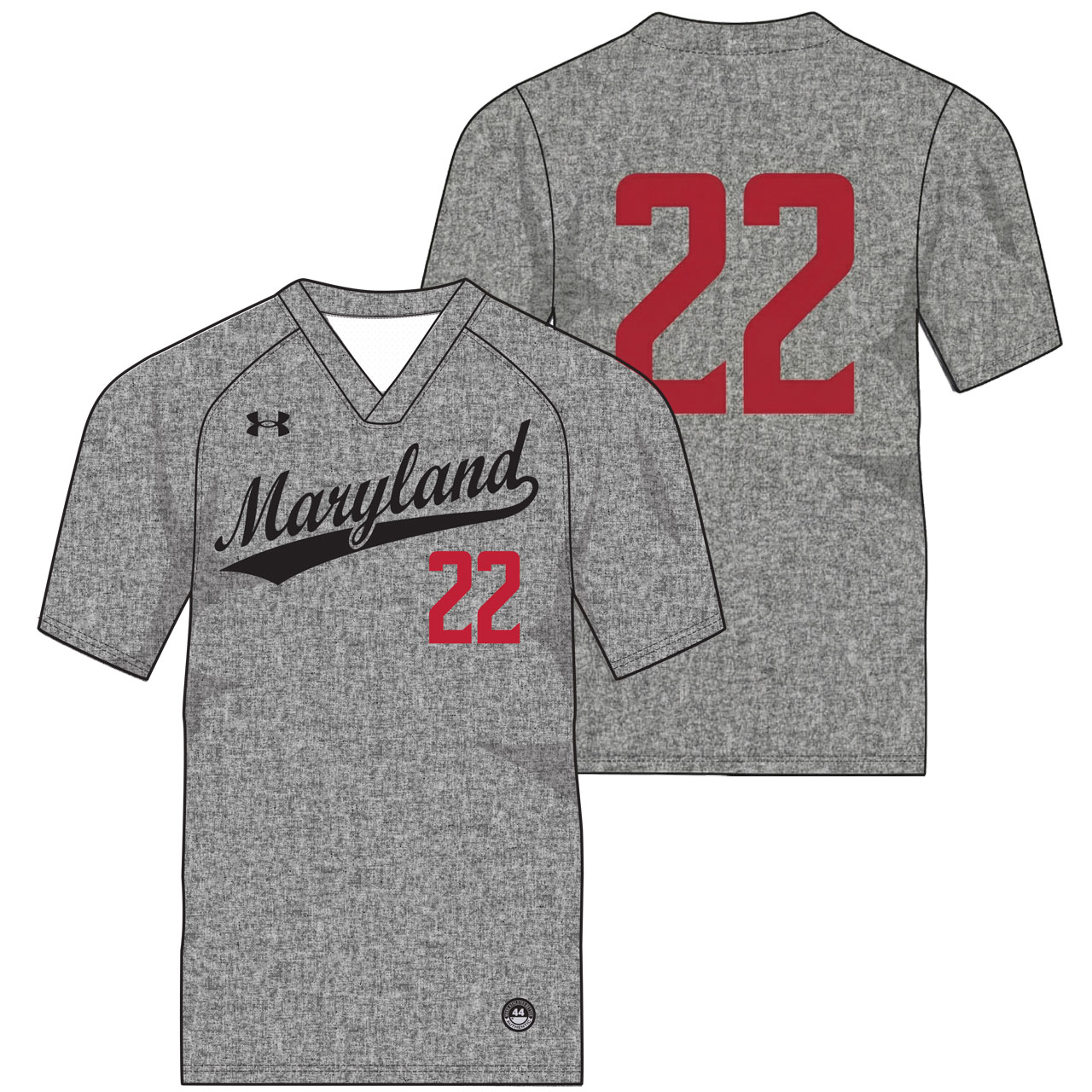
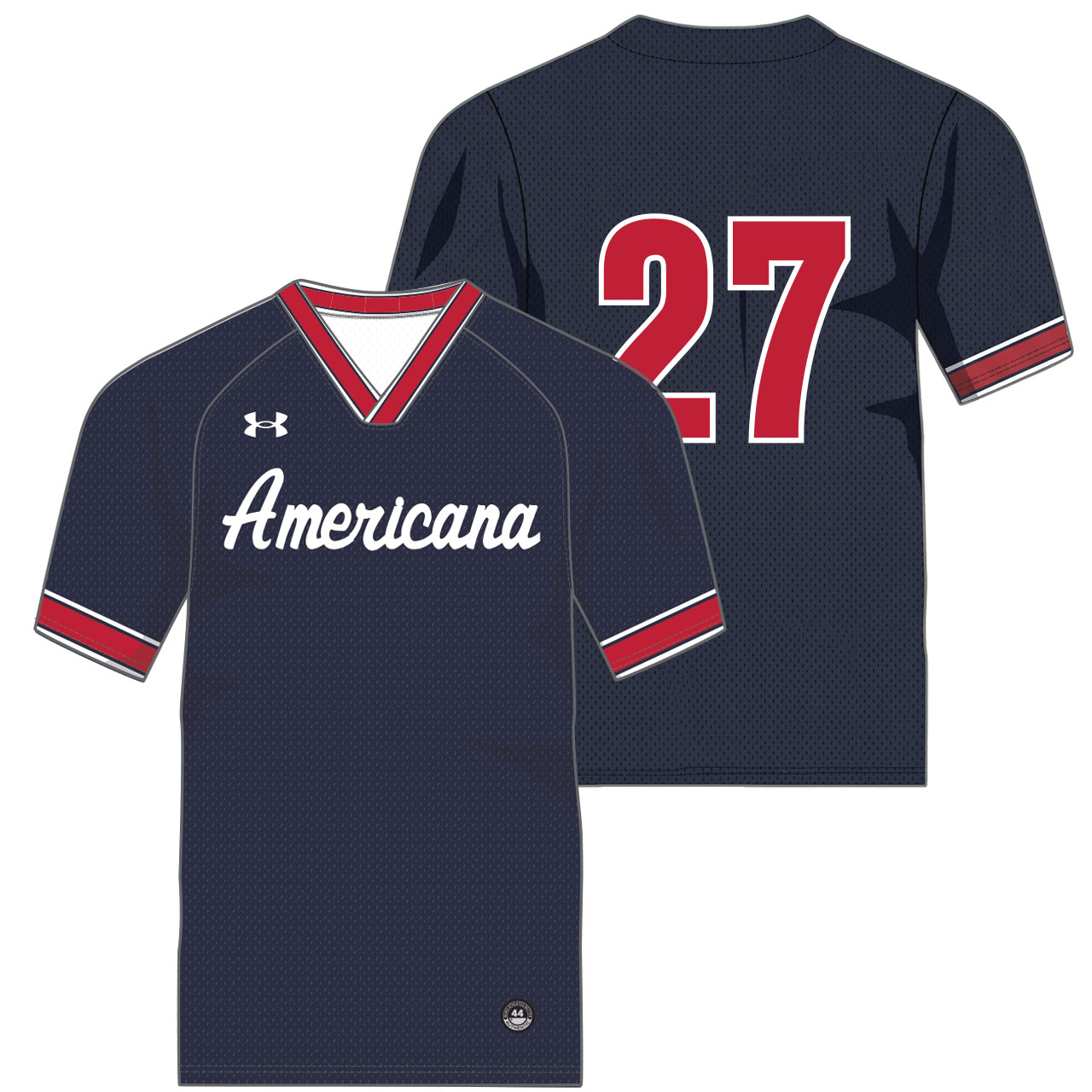
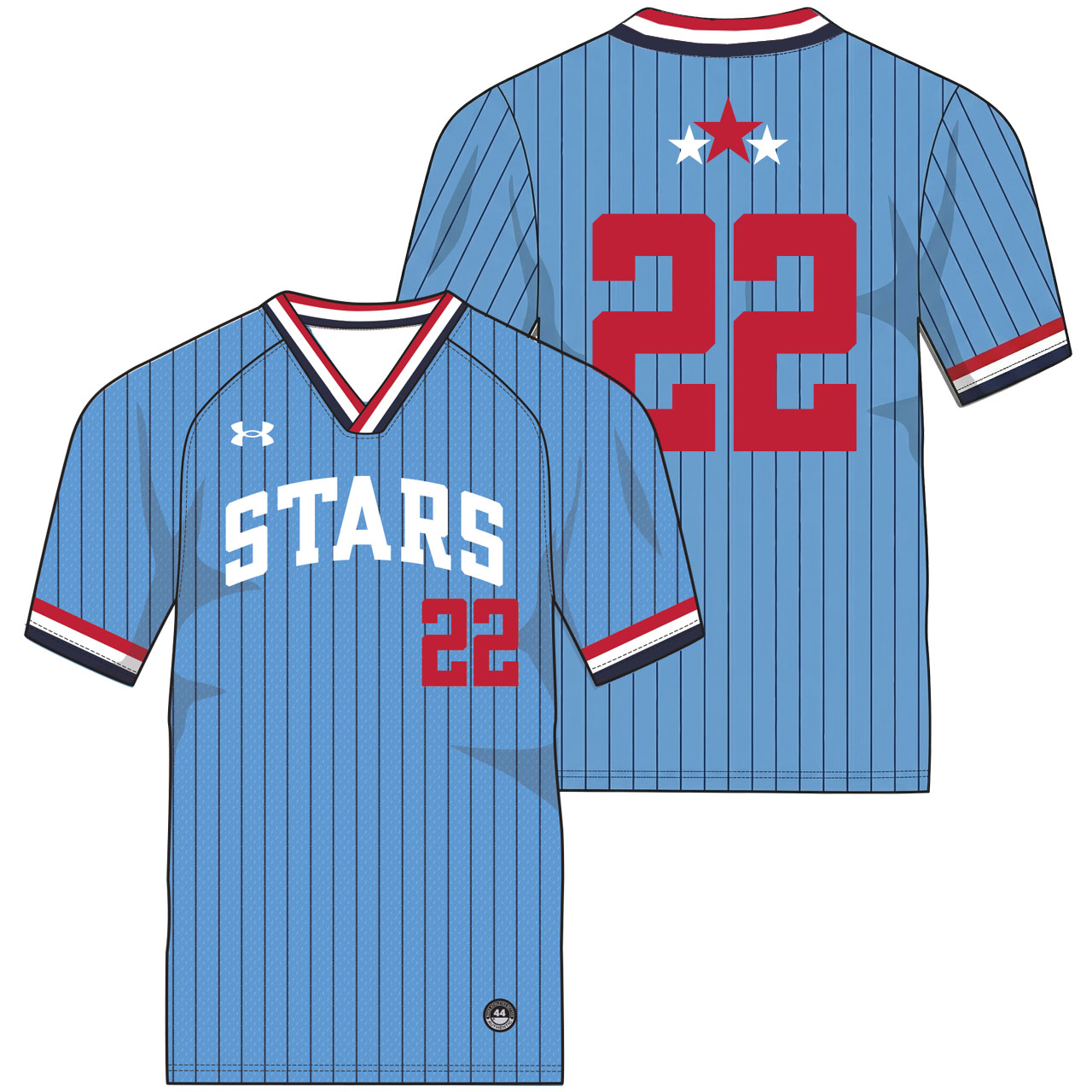
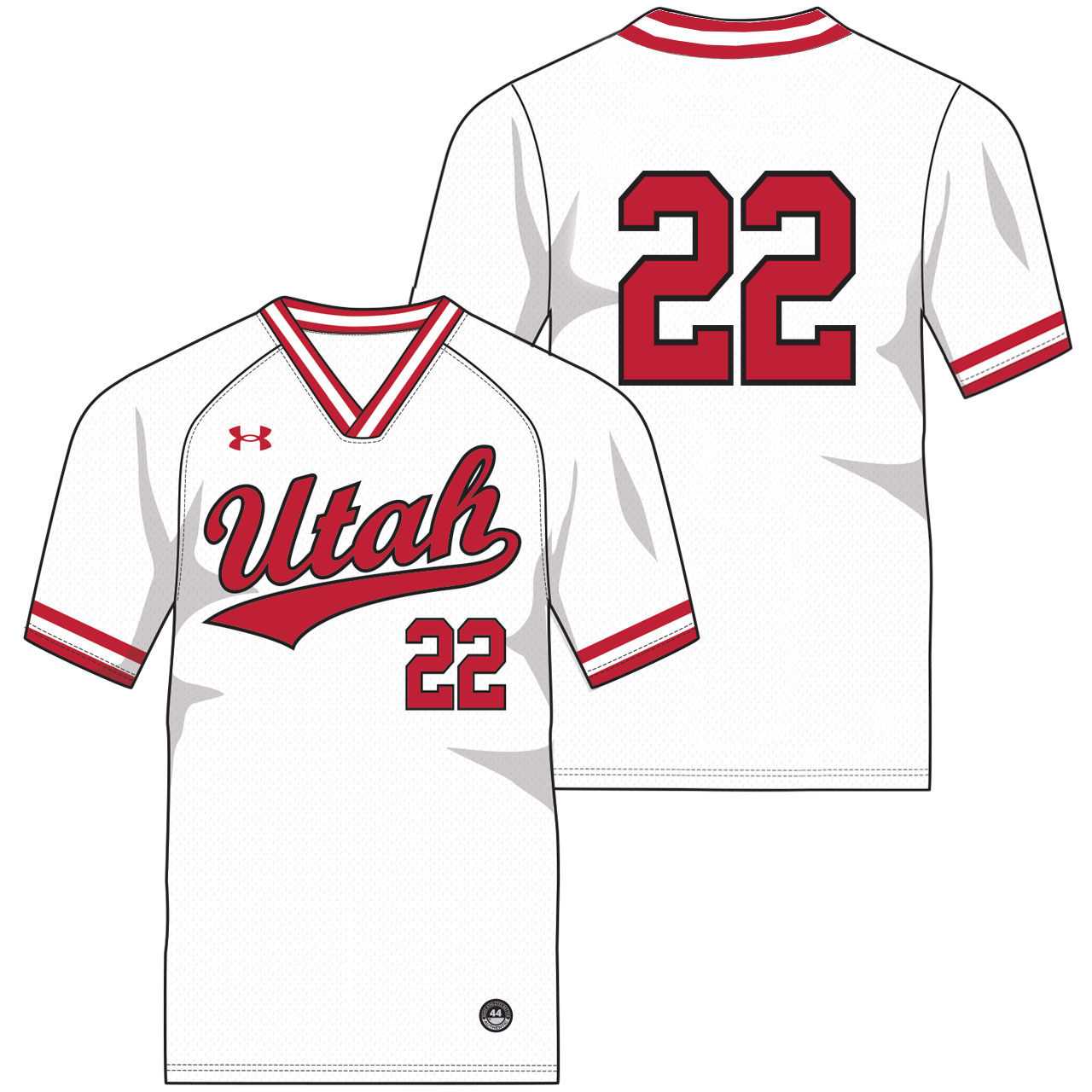
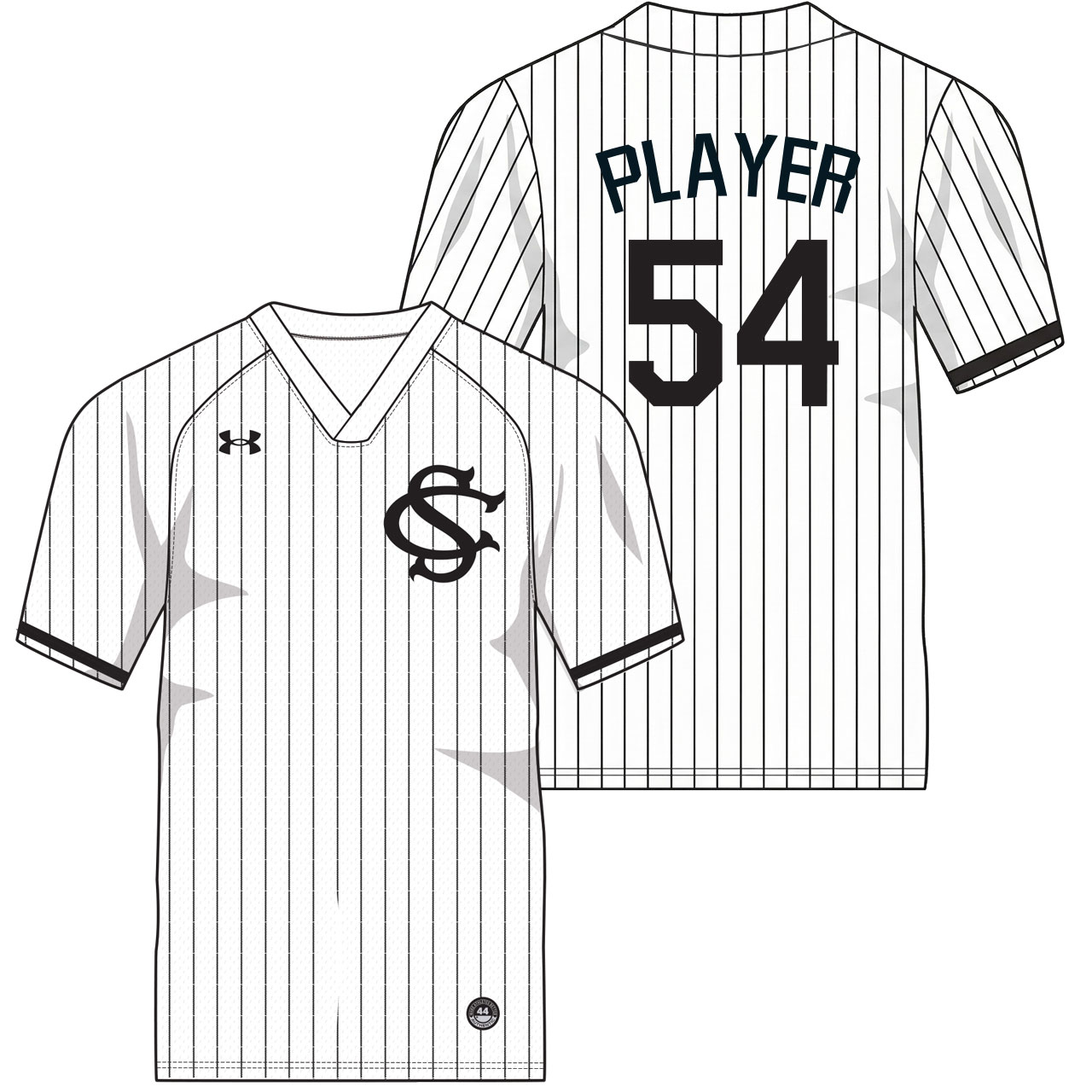
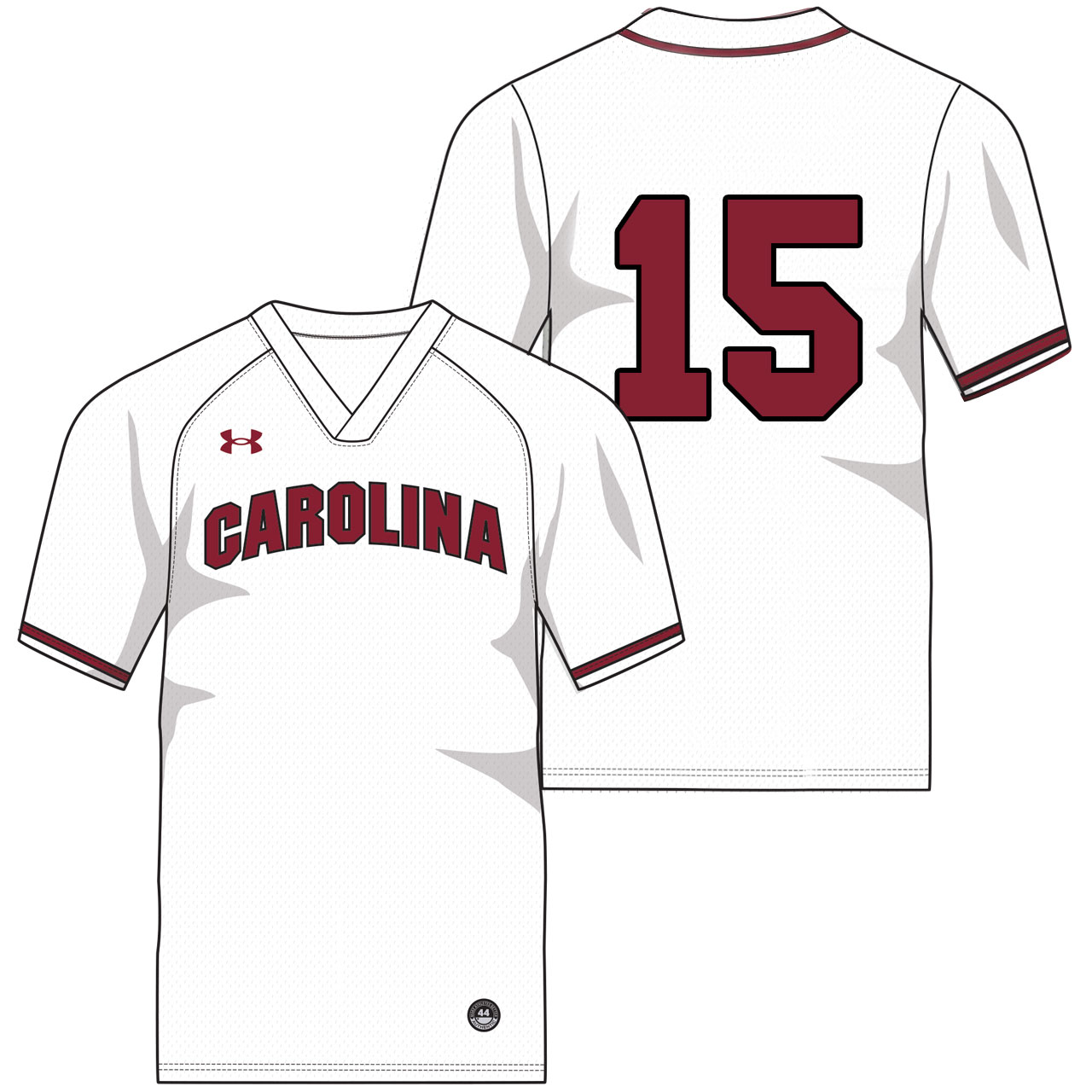
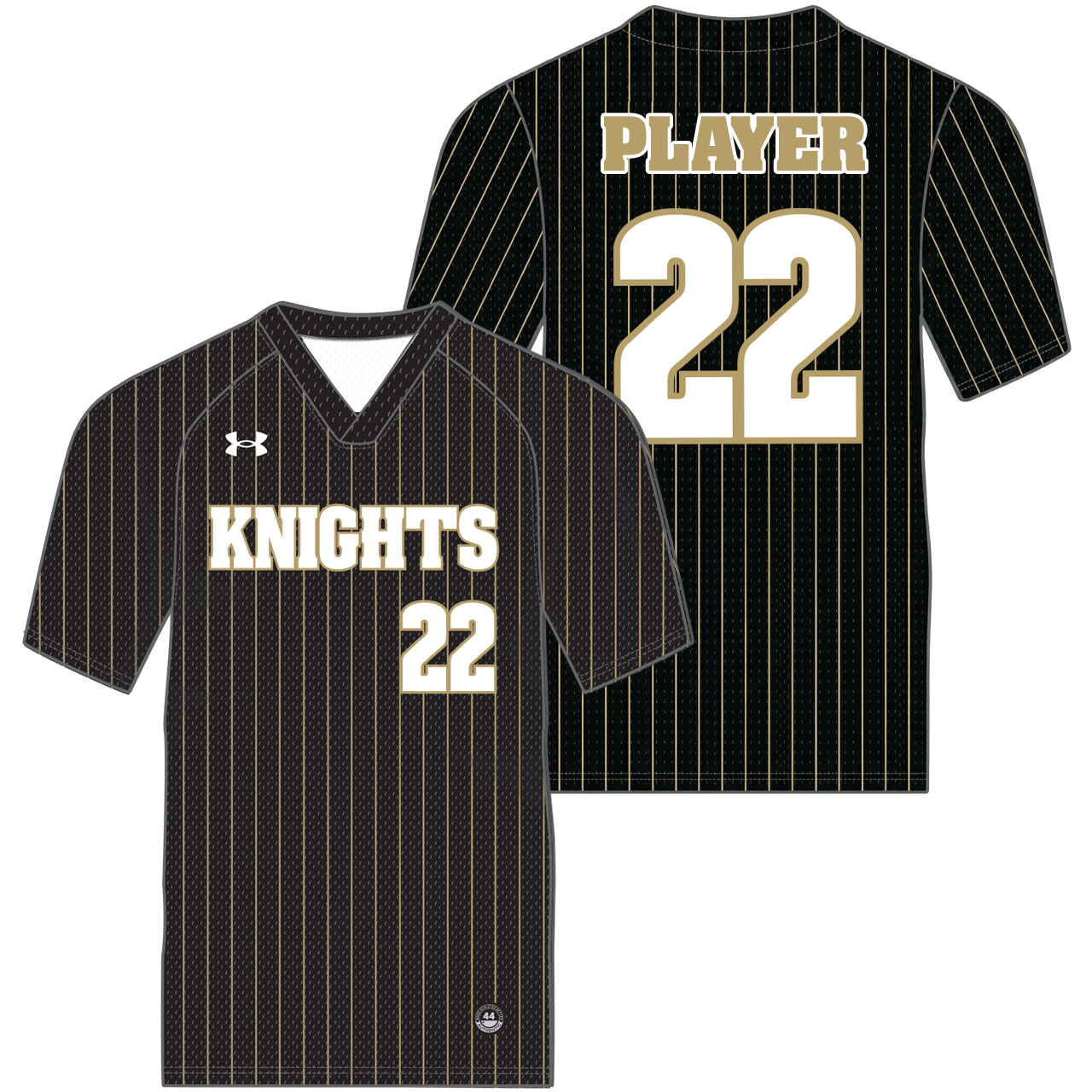
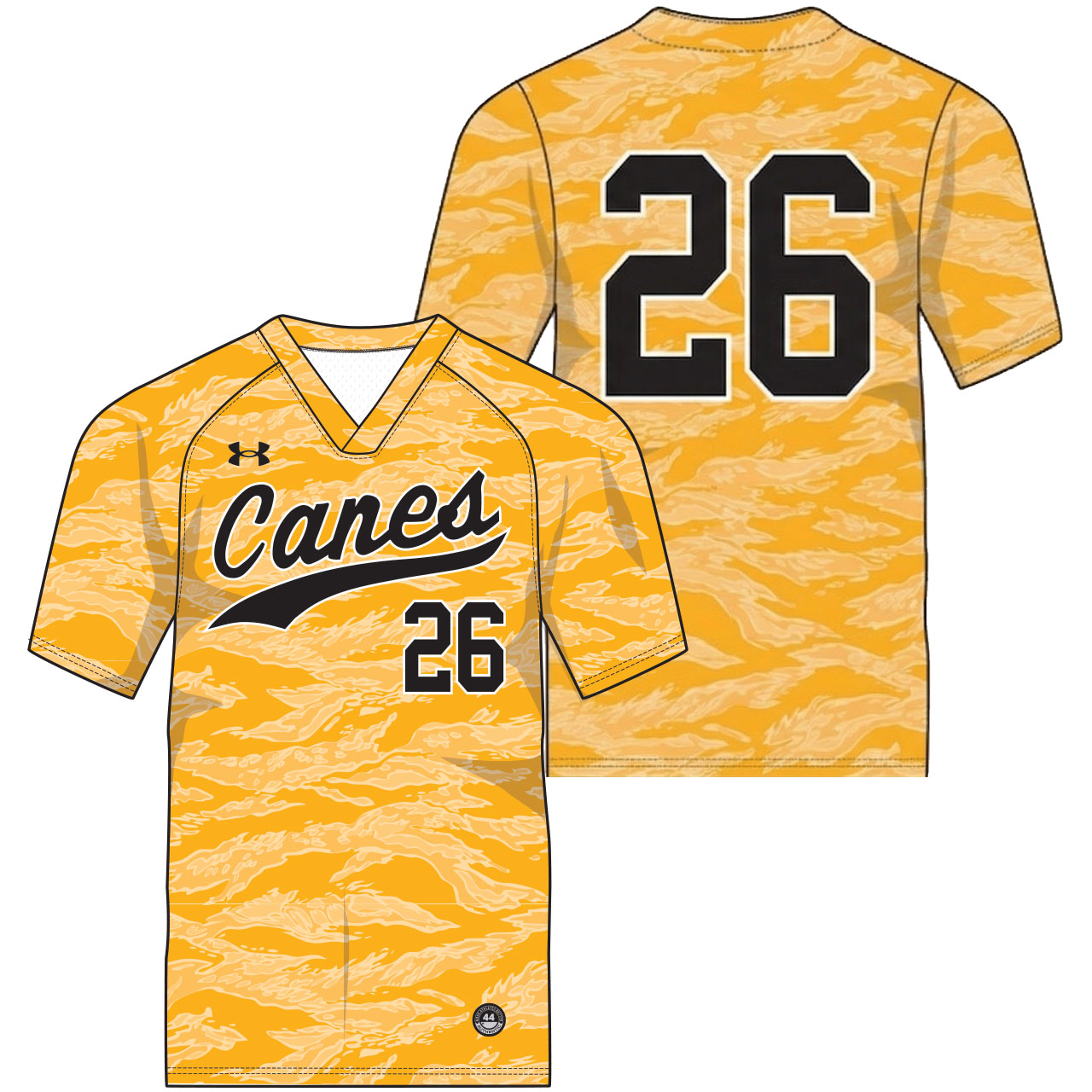
V-neck and crewneck baseball jerseys offer a clean, uninterrupted front — no placket, no buttons — giving designers a true blank canvas from collar to hem. The result is a look that feels modern and streamlined, and works especially well with bold chest graphics, large team names, and all-over sublimation patterns that need room to breathe. Crewneck styles lean more athletic and casual, while V-necks add a touch of classic structure without the commitment of a full button front.
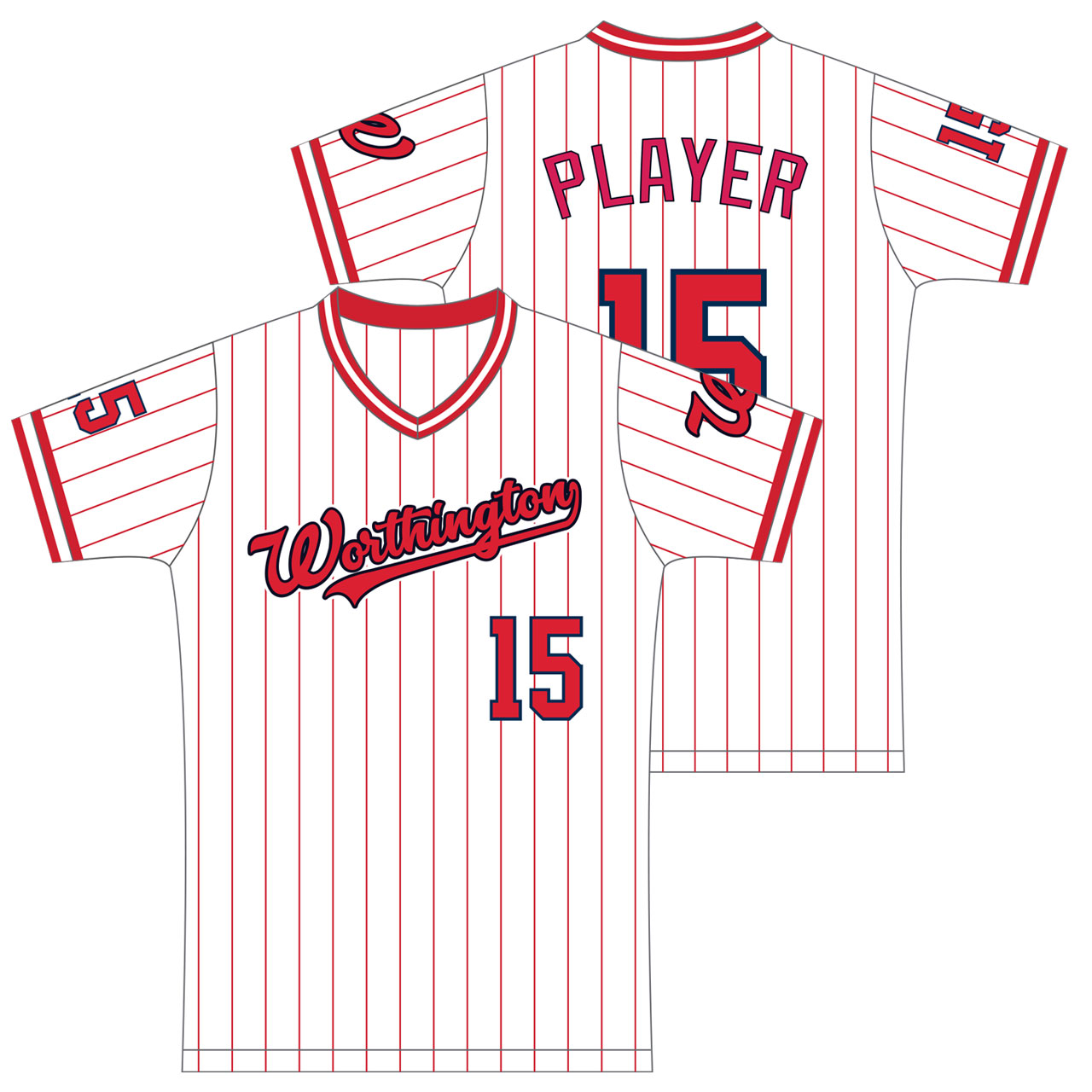
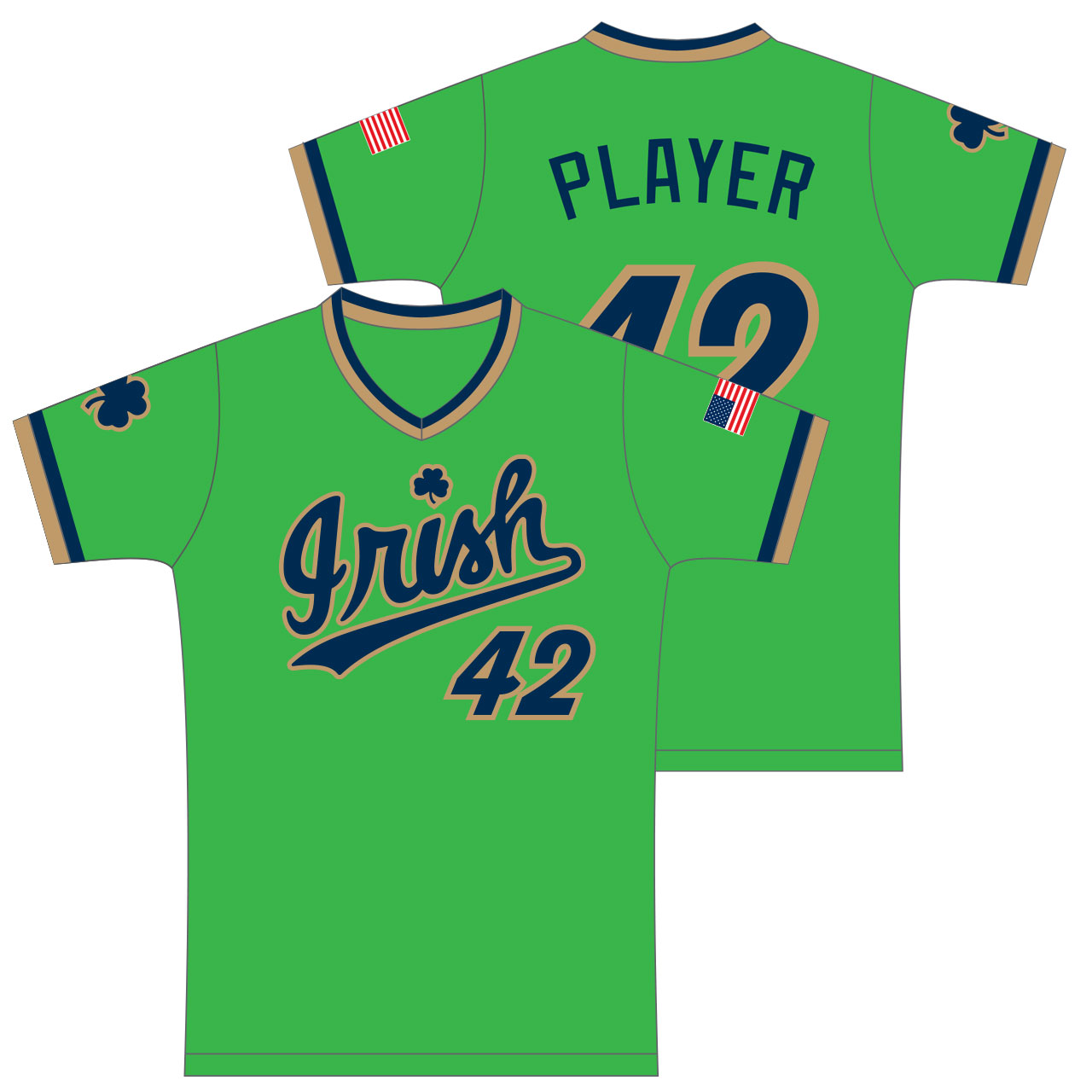
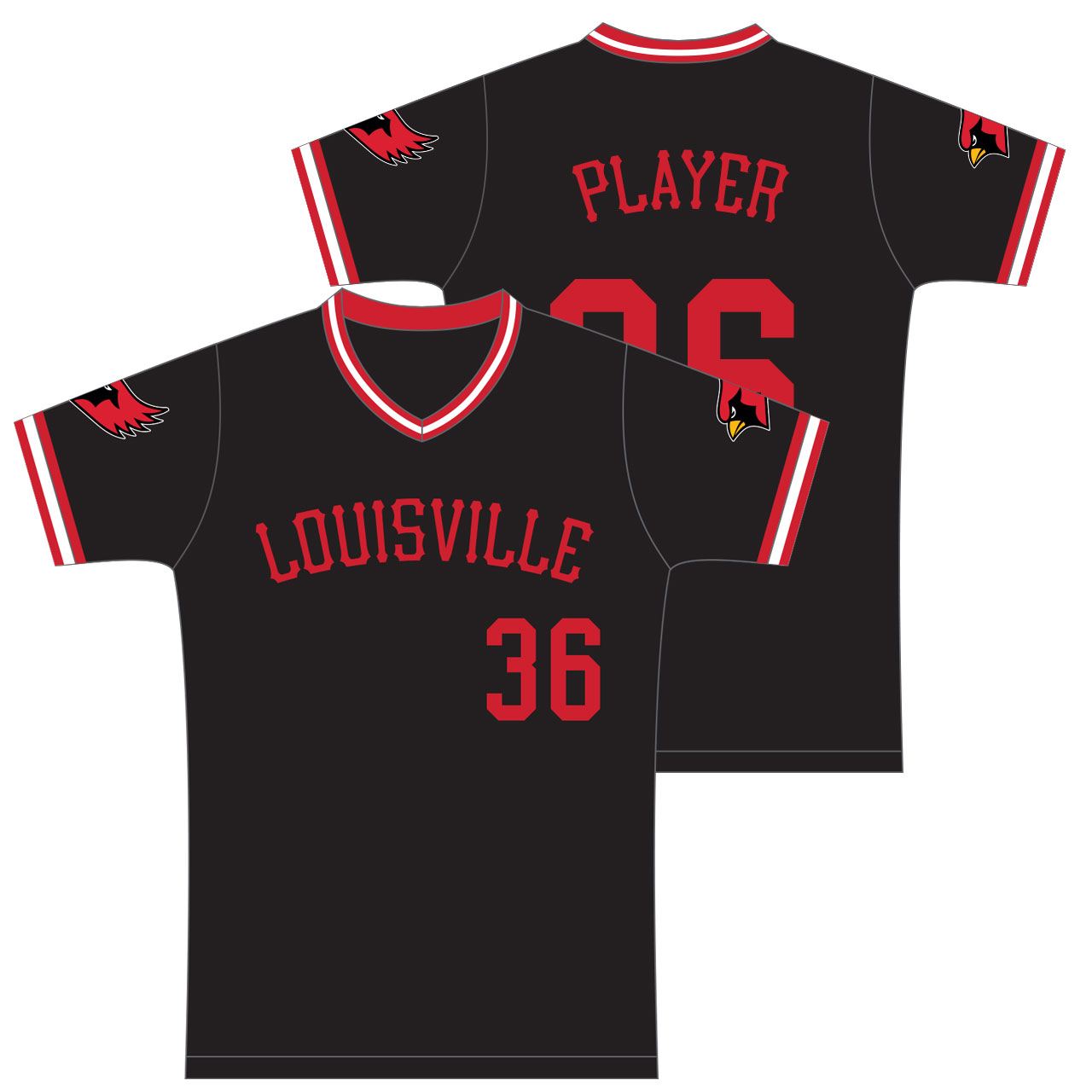
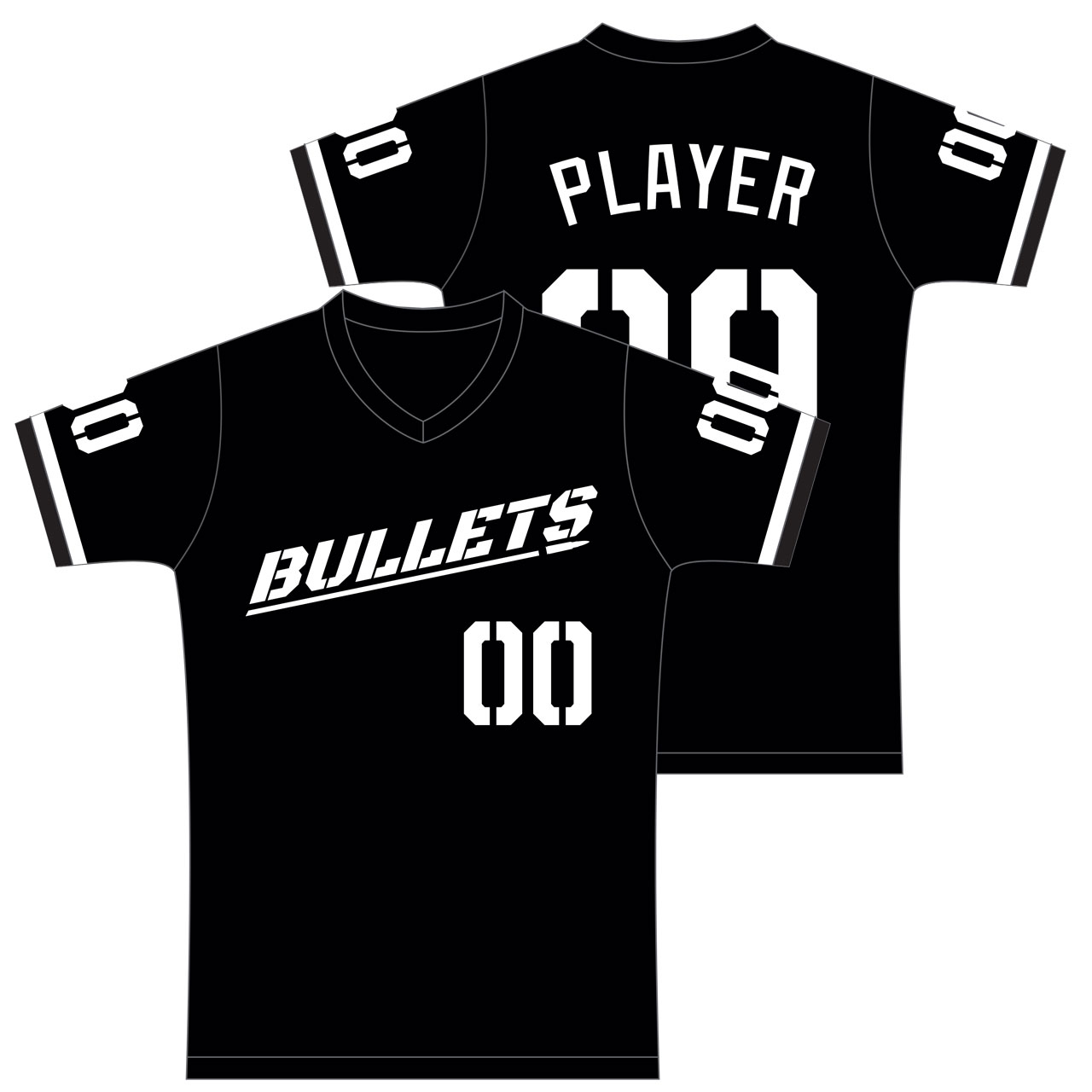
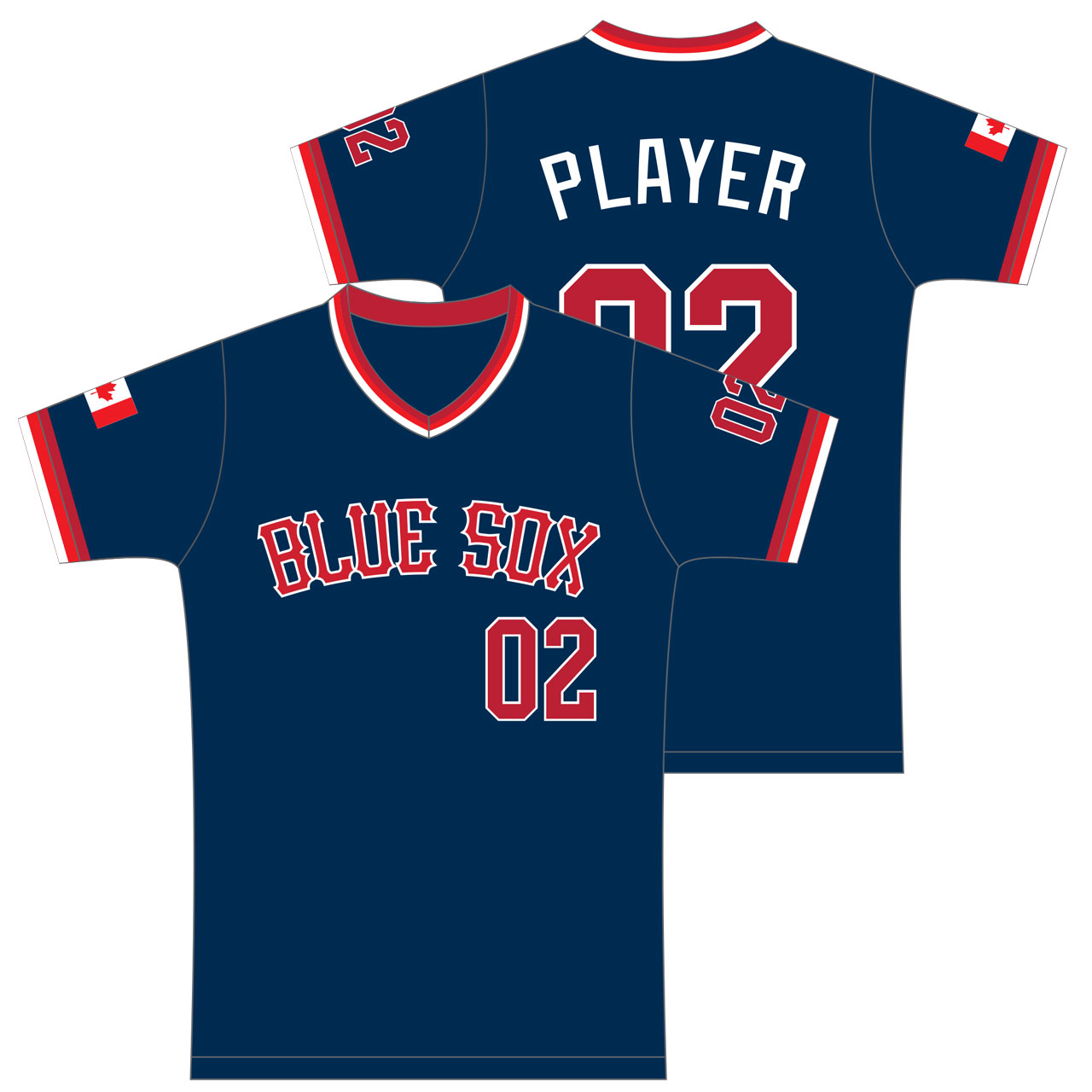
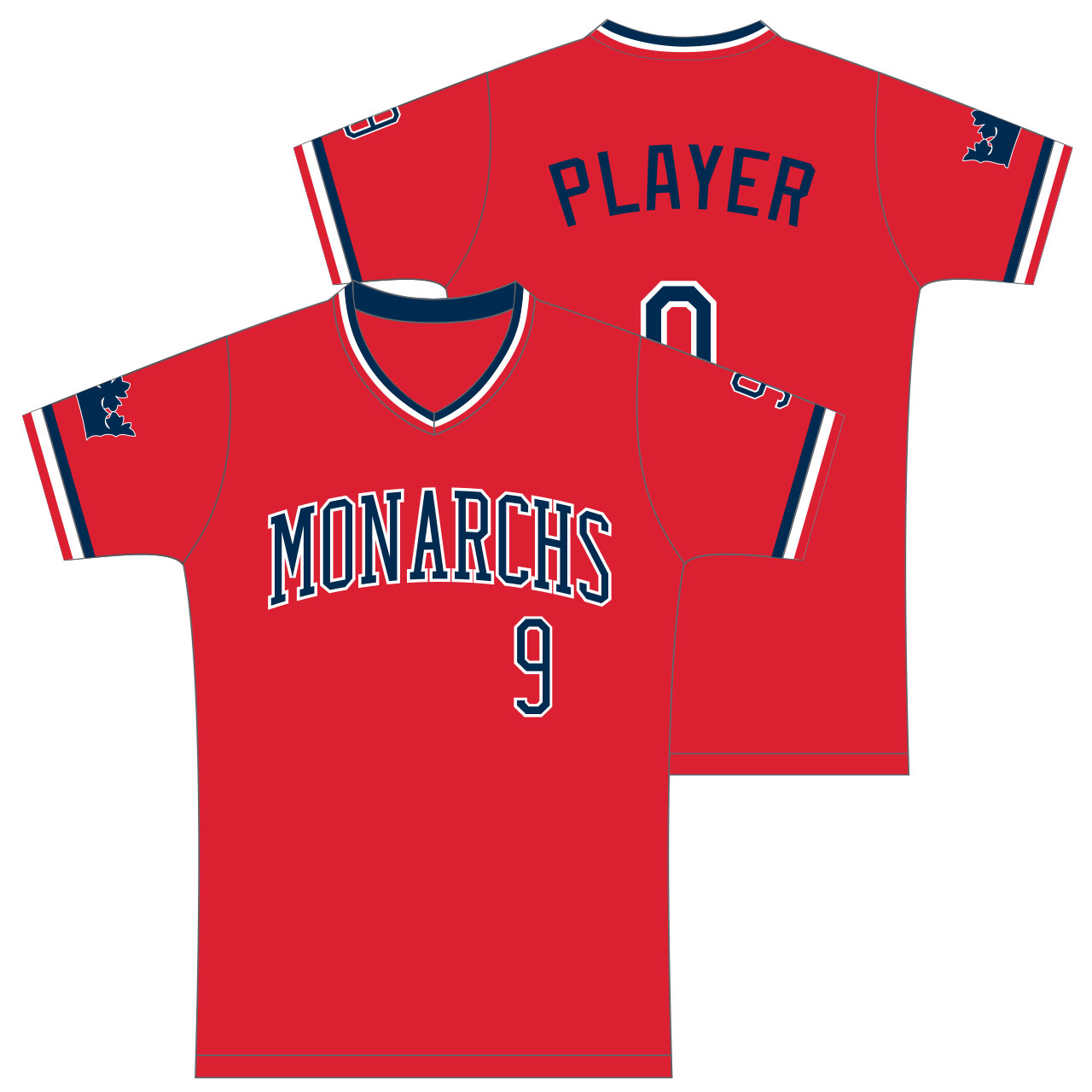
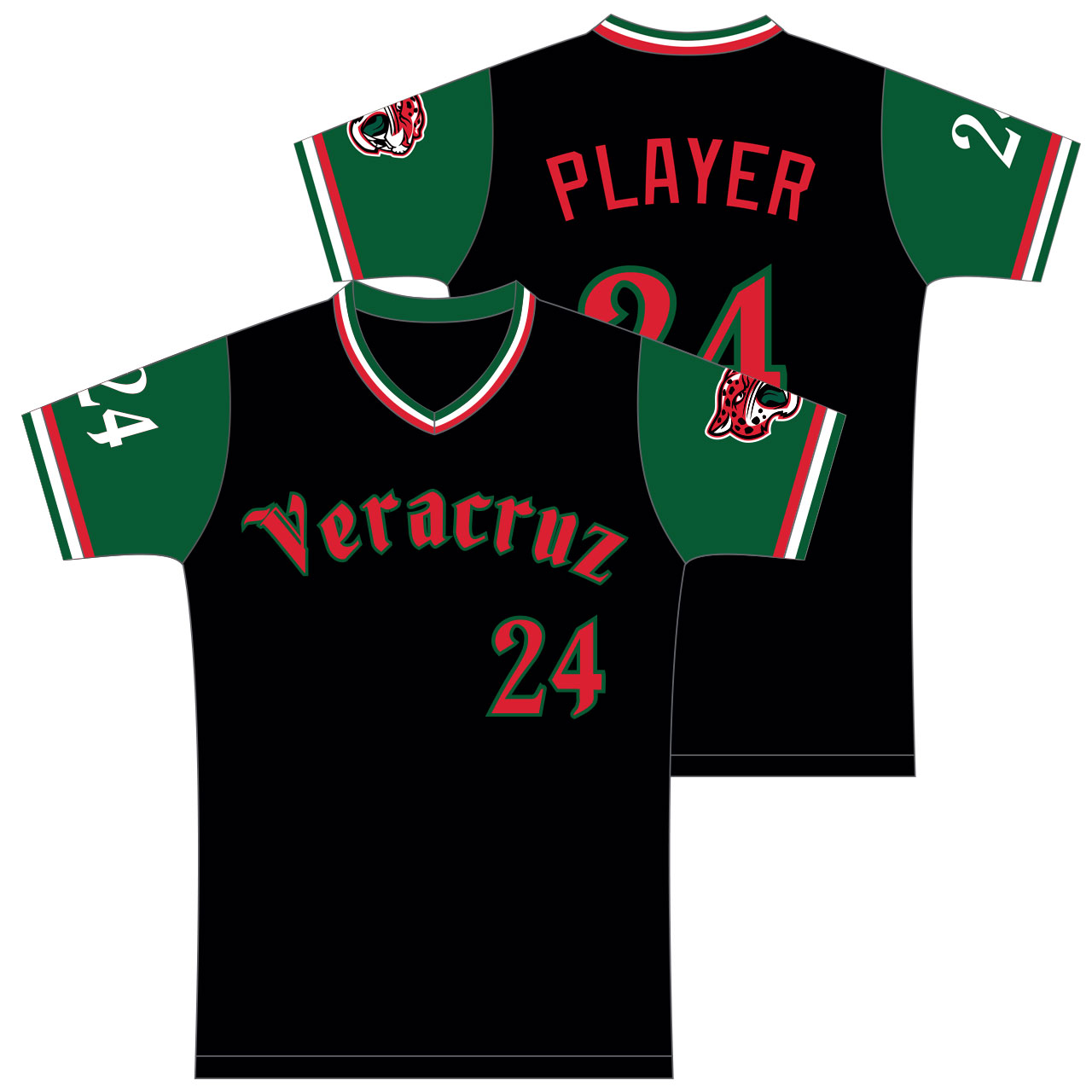
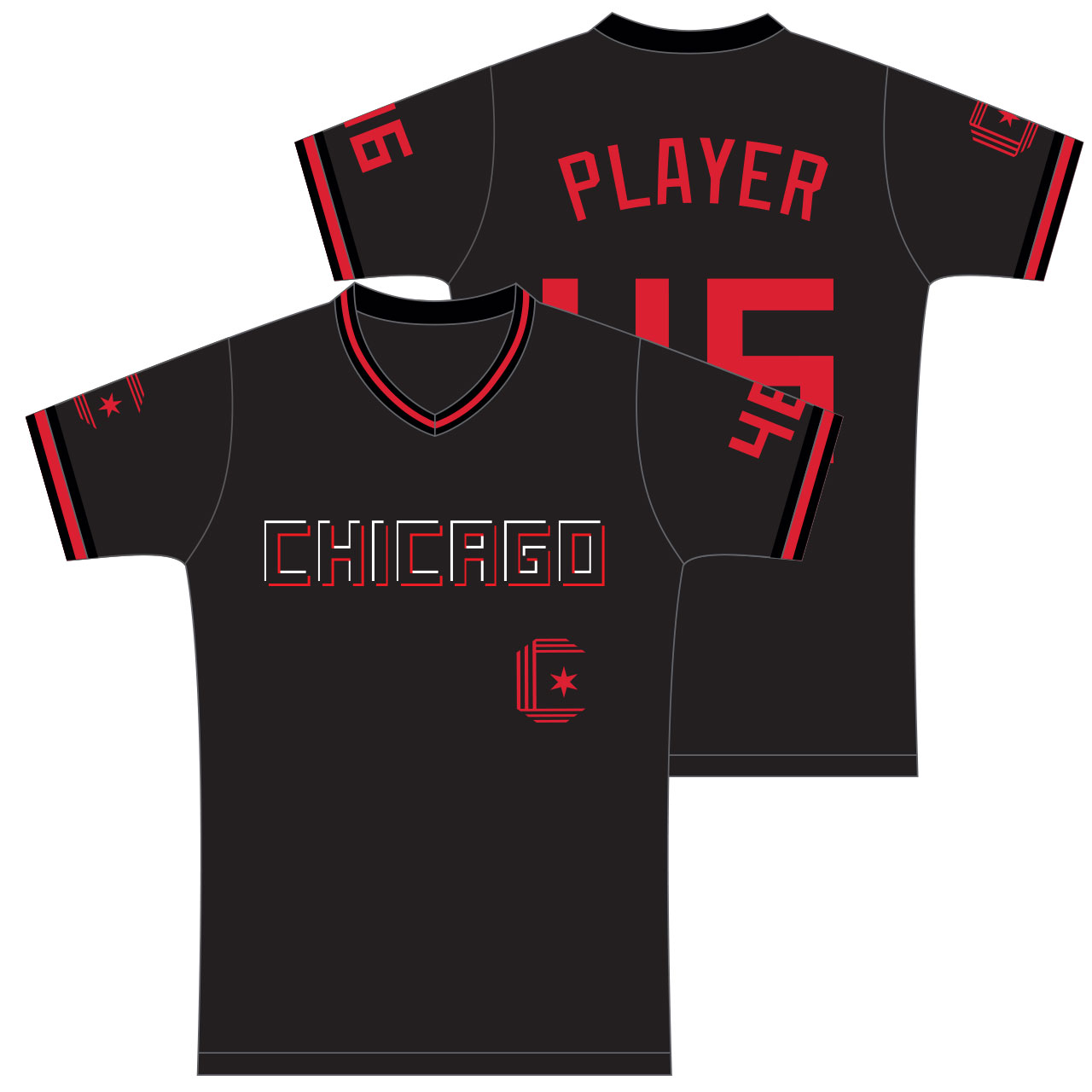
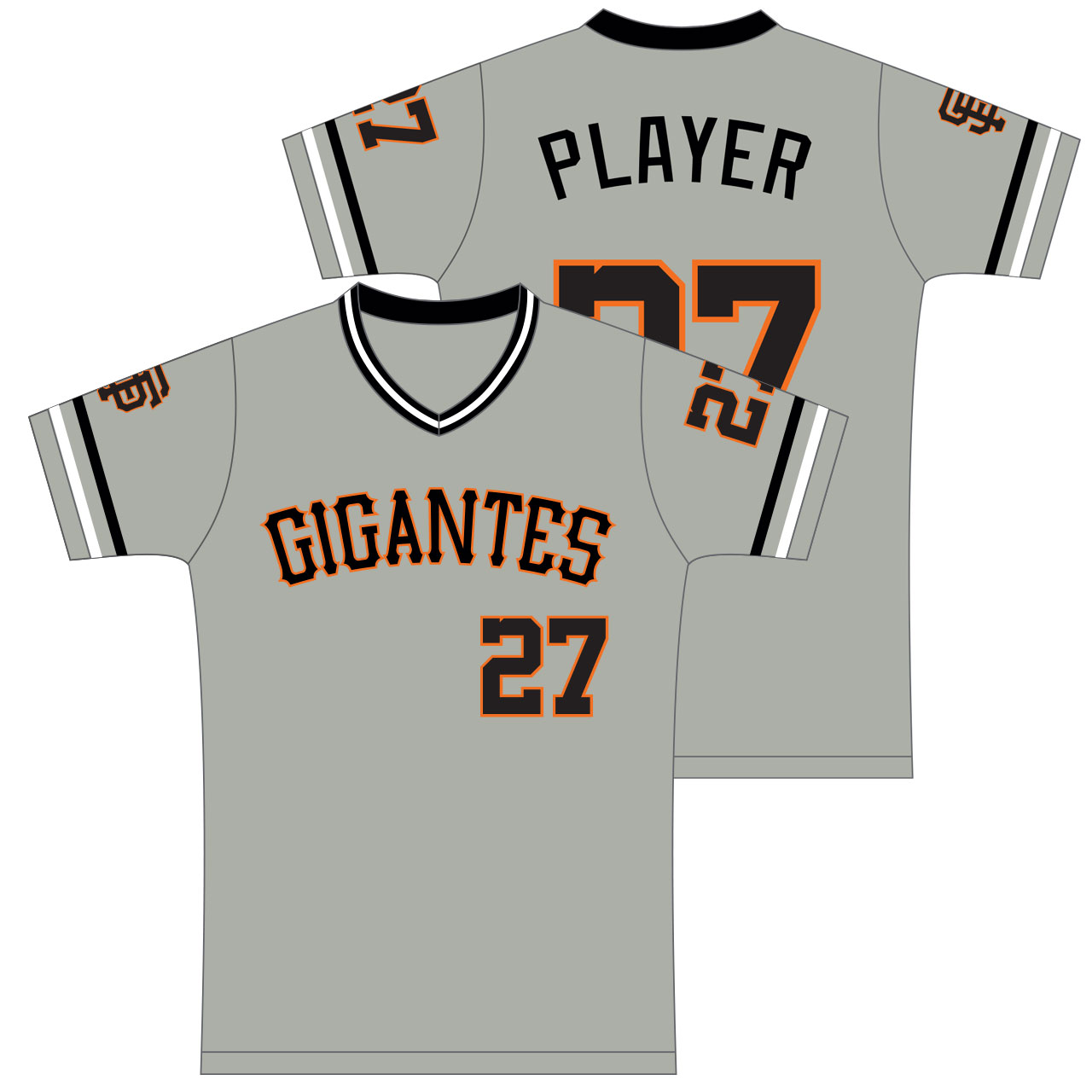
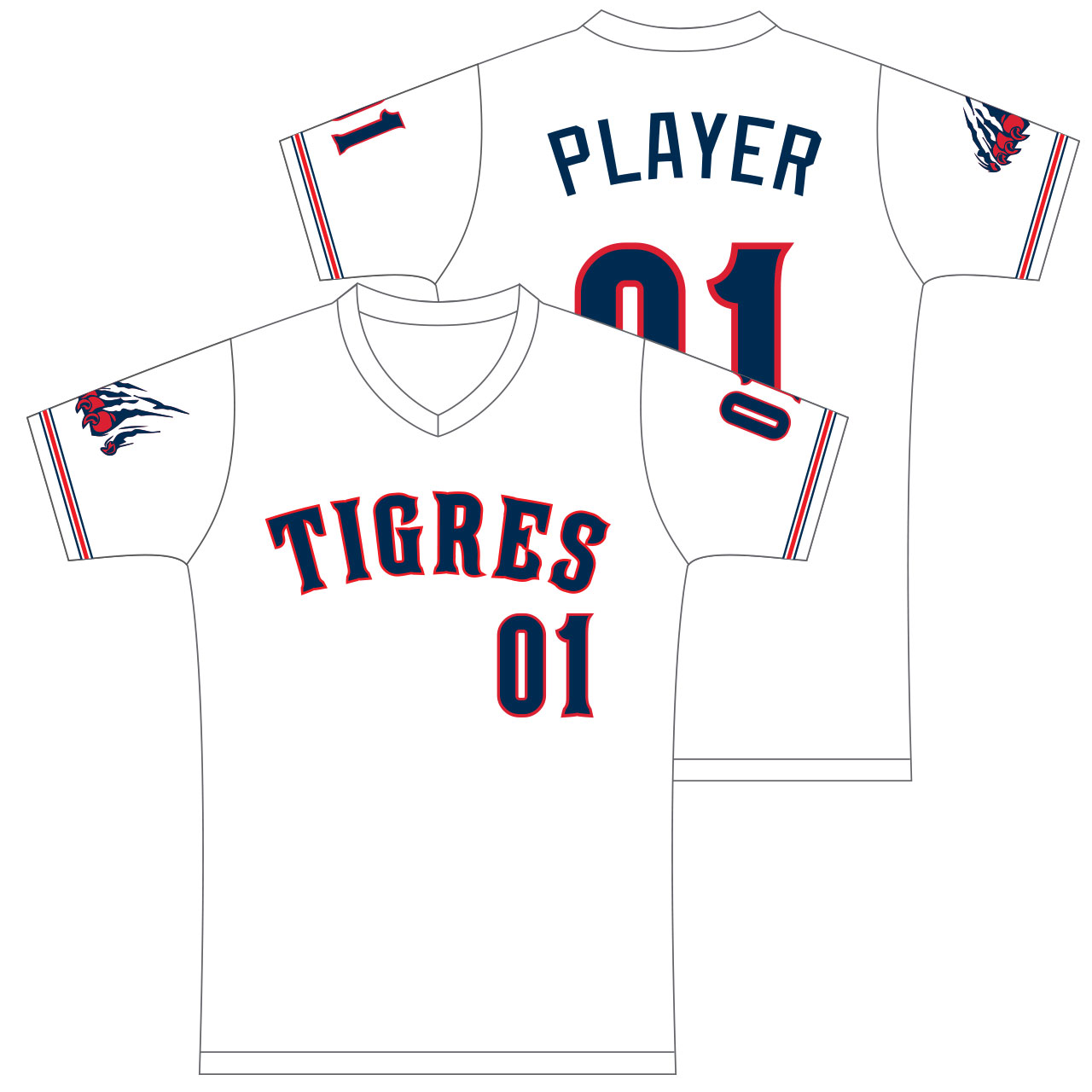
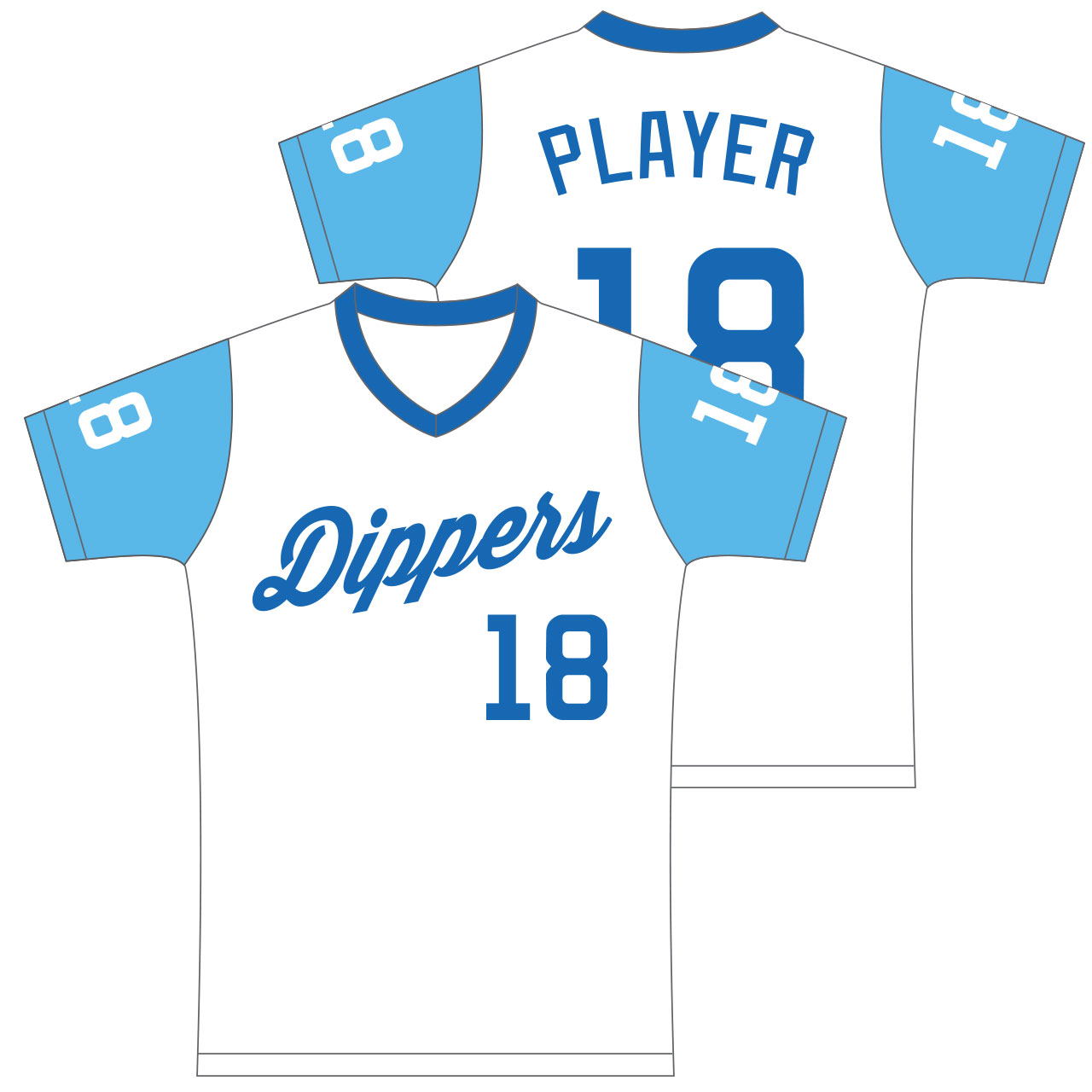
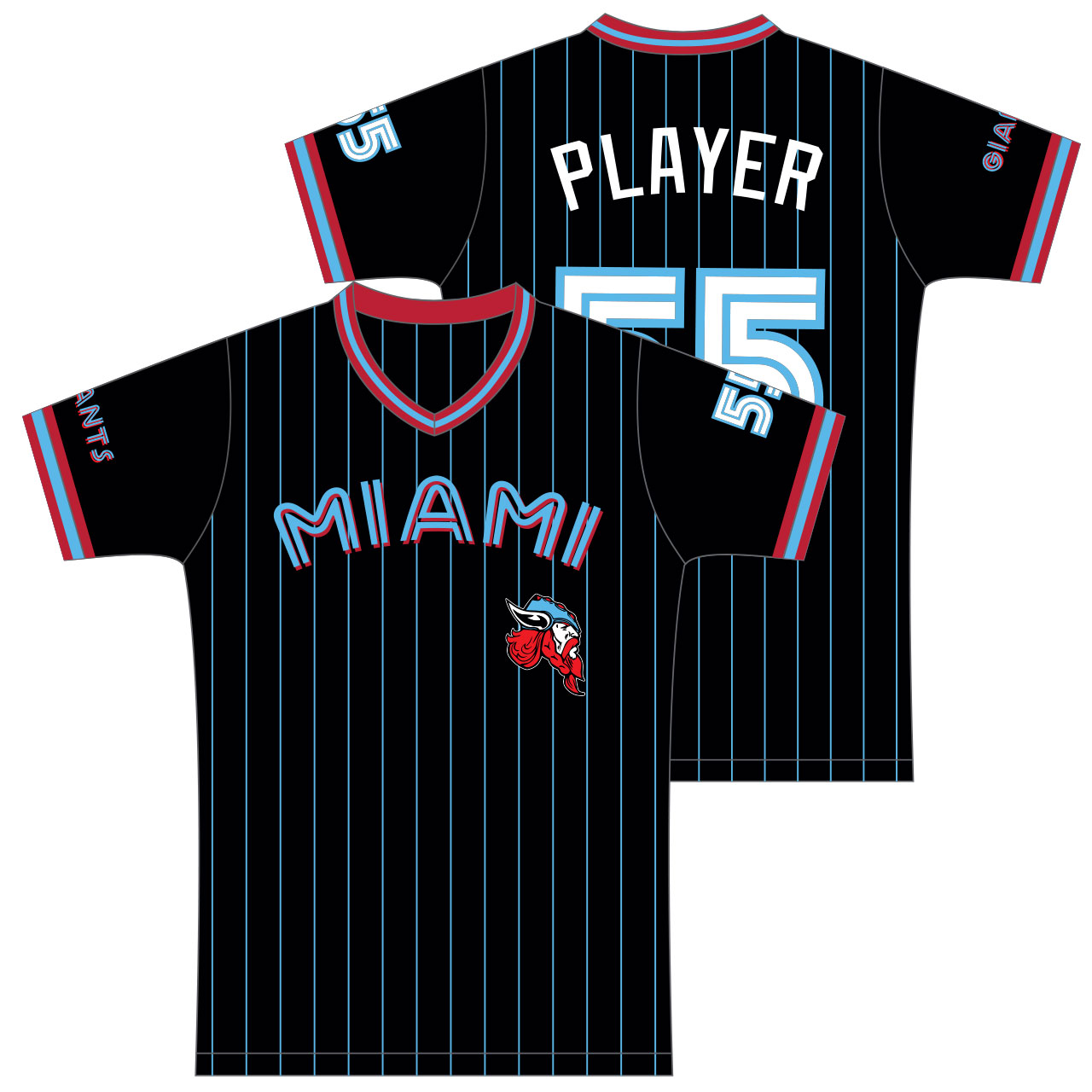
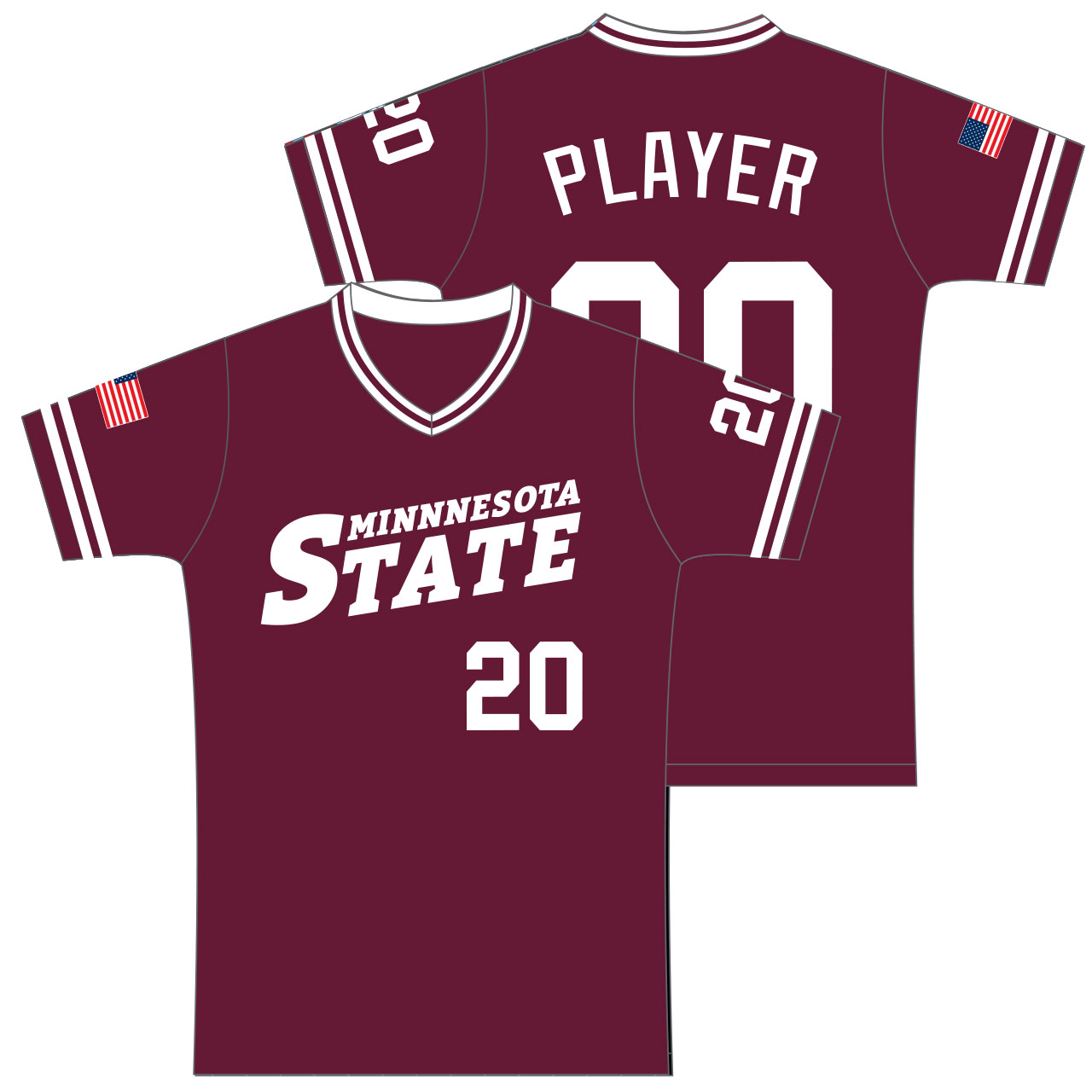
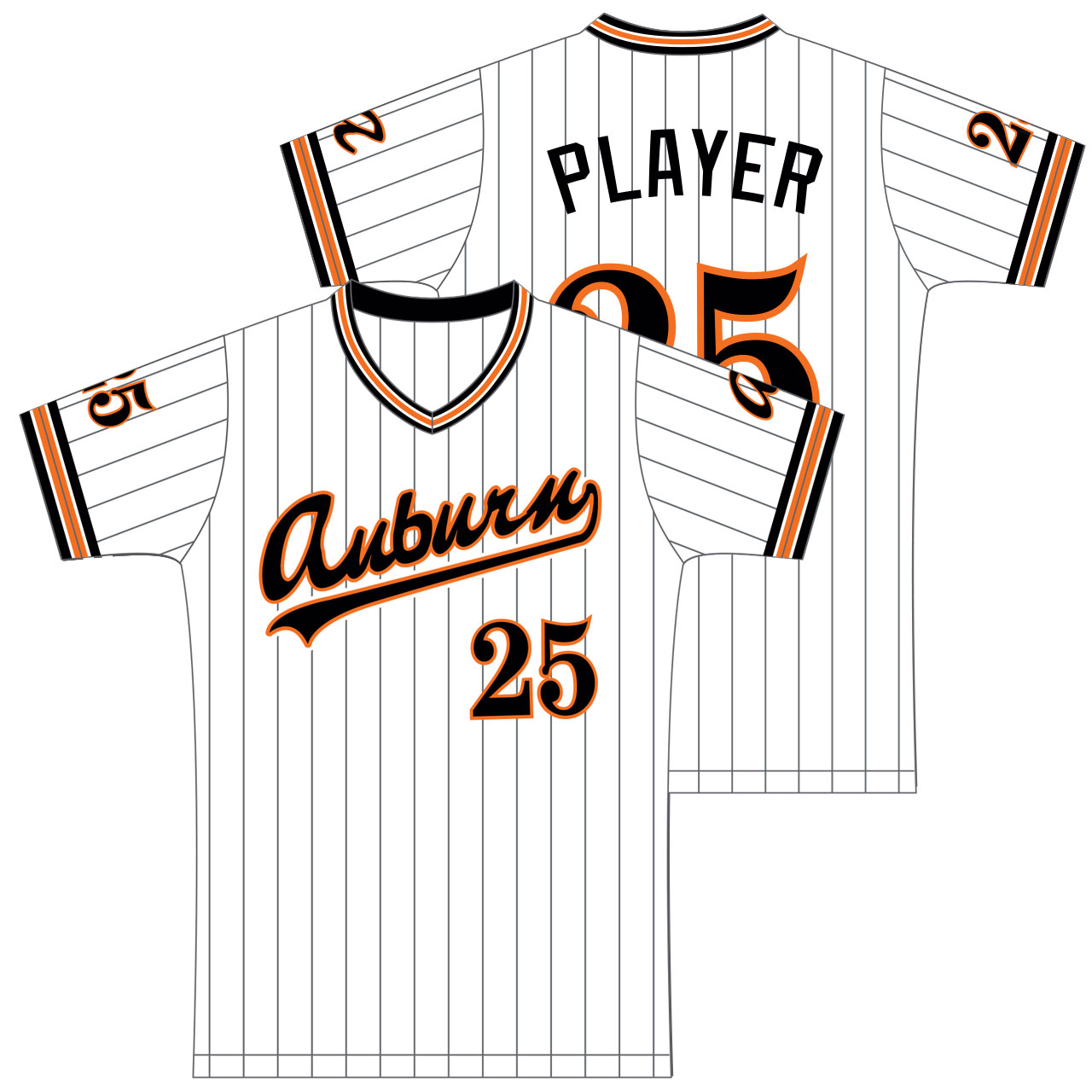
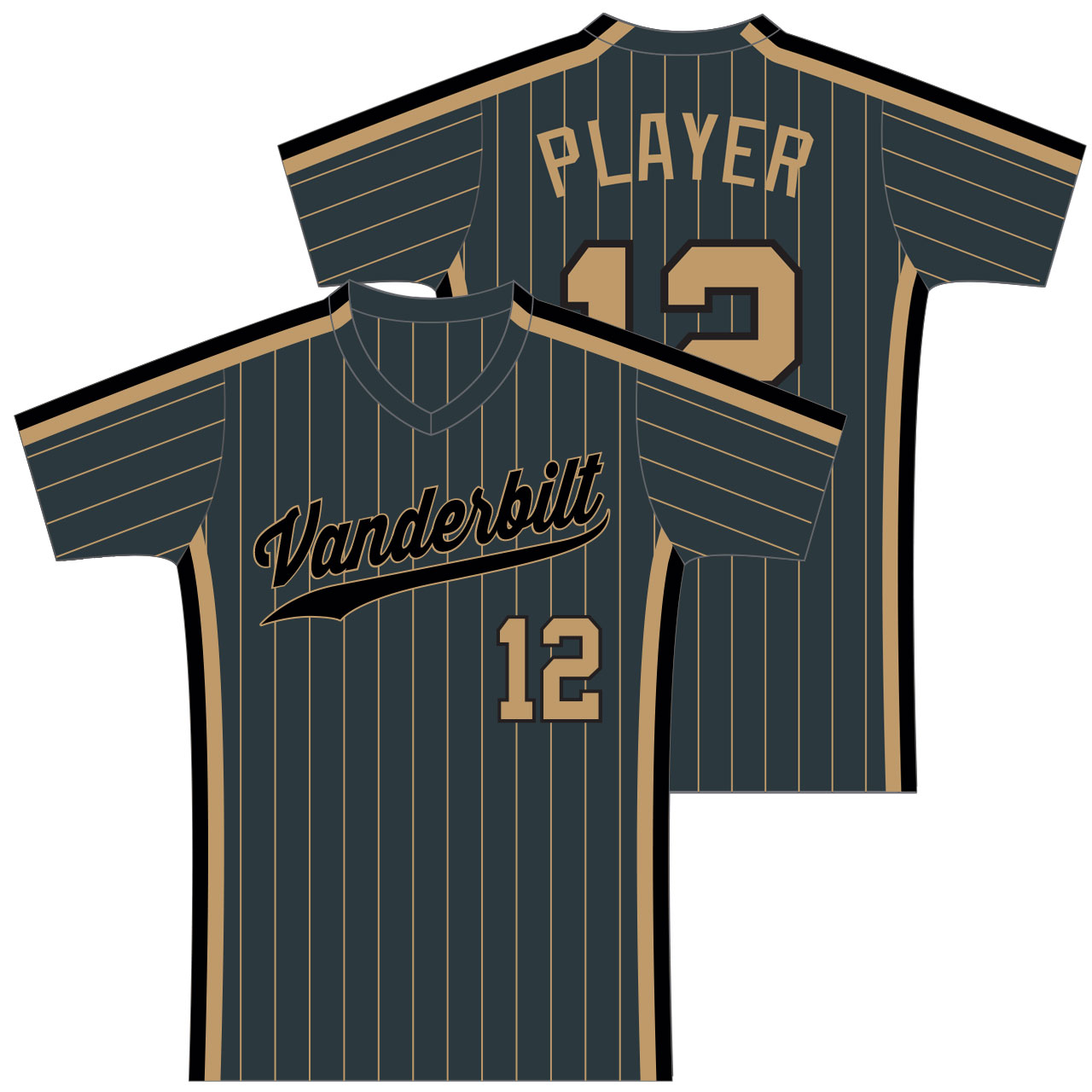
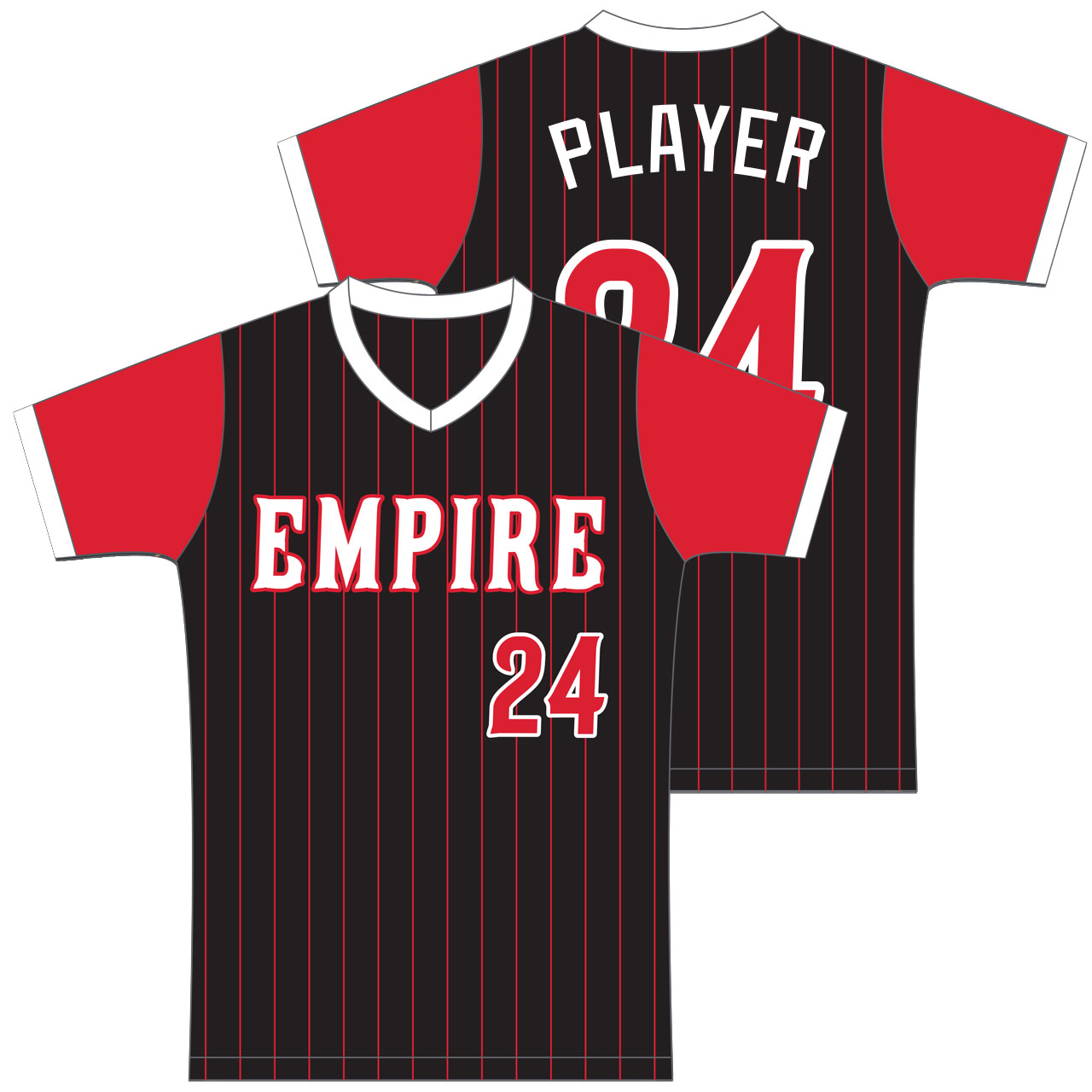
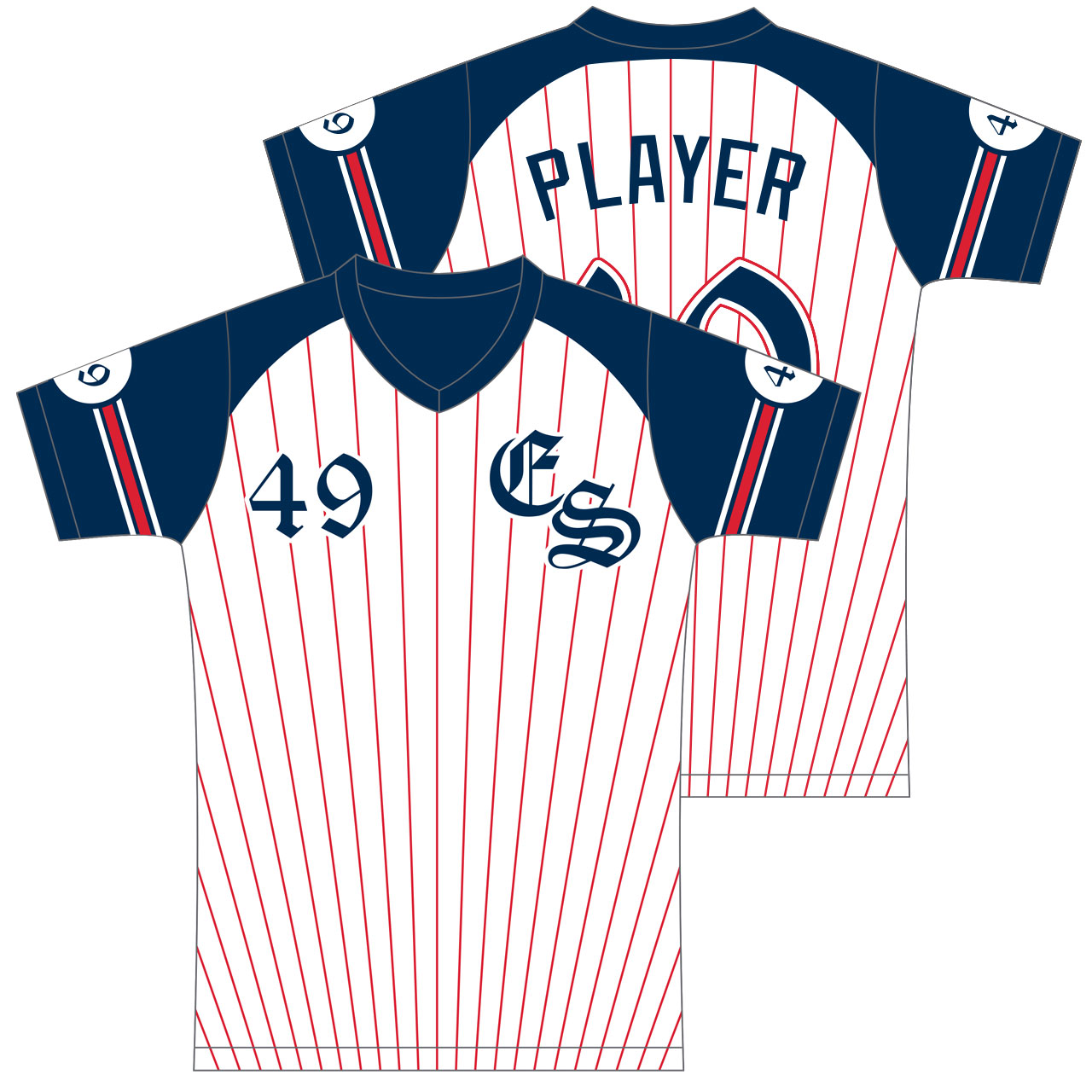
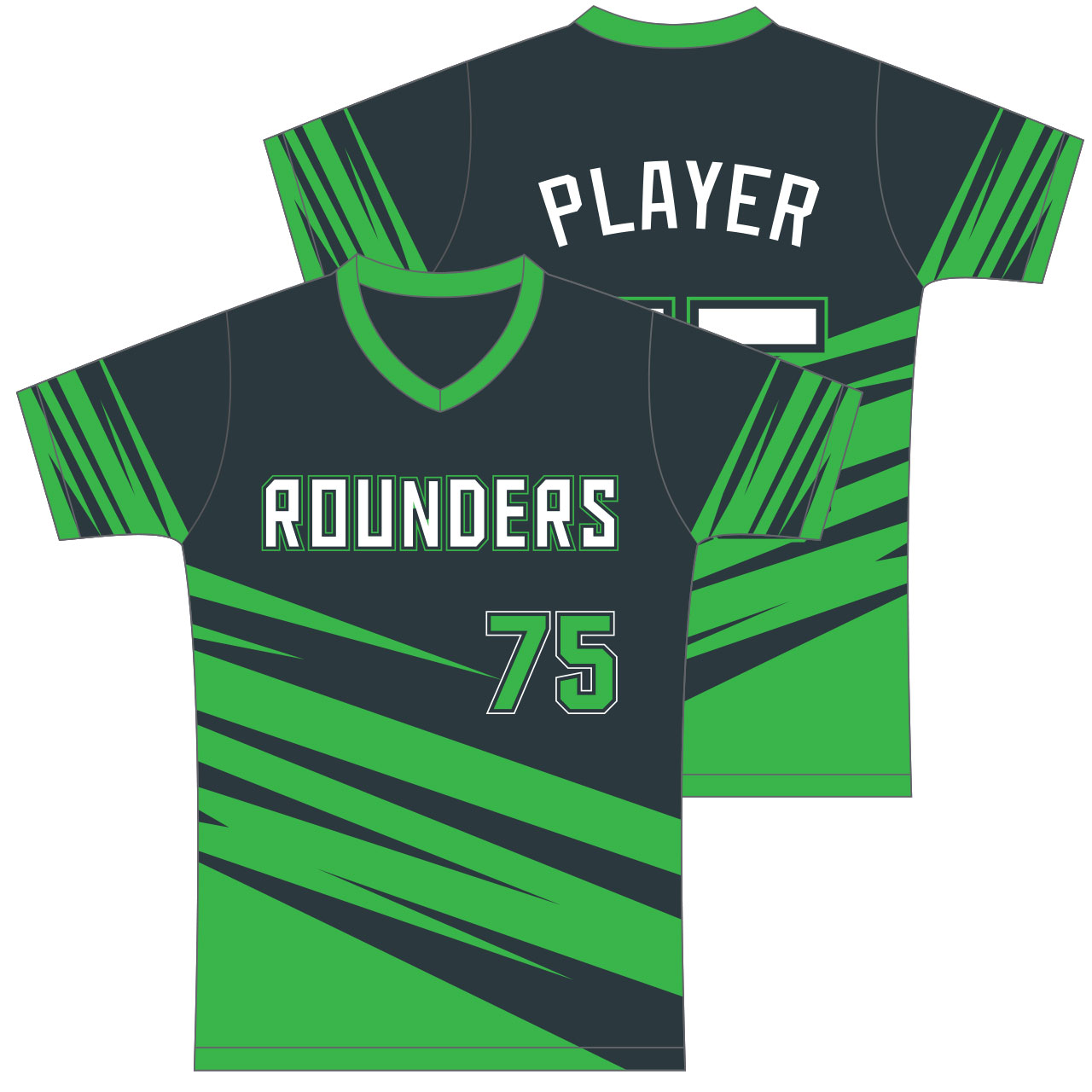
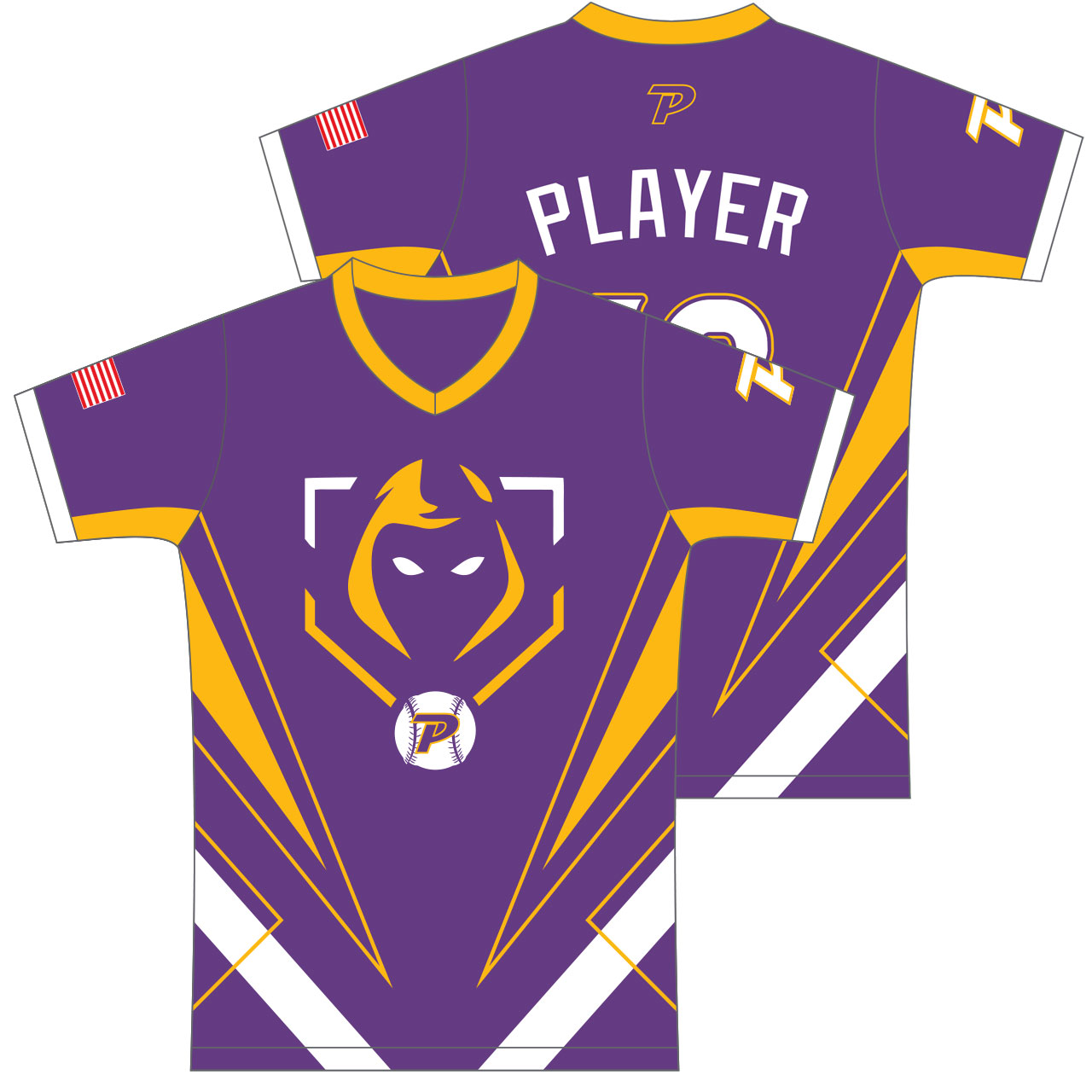
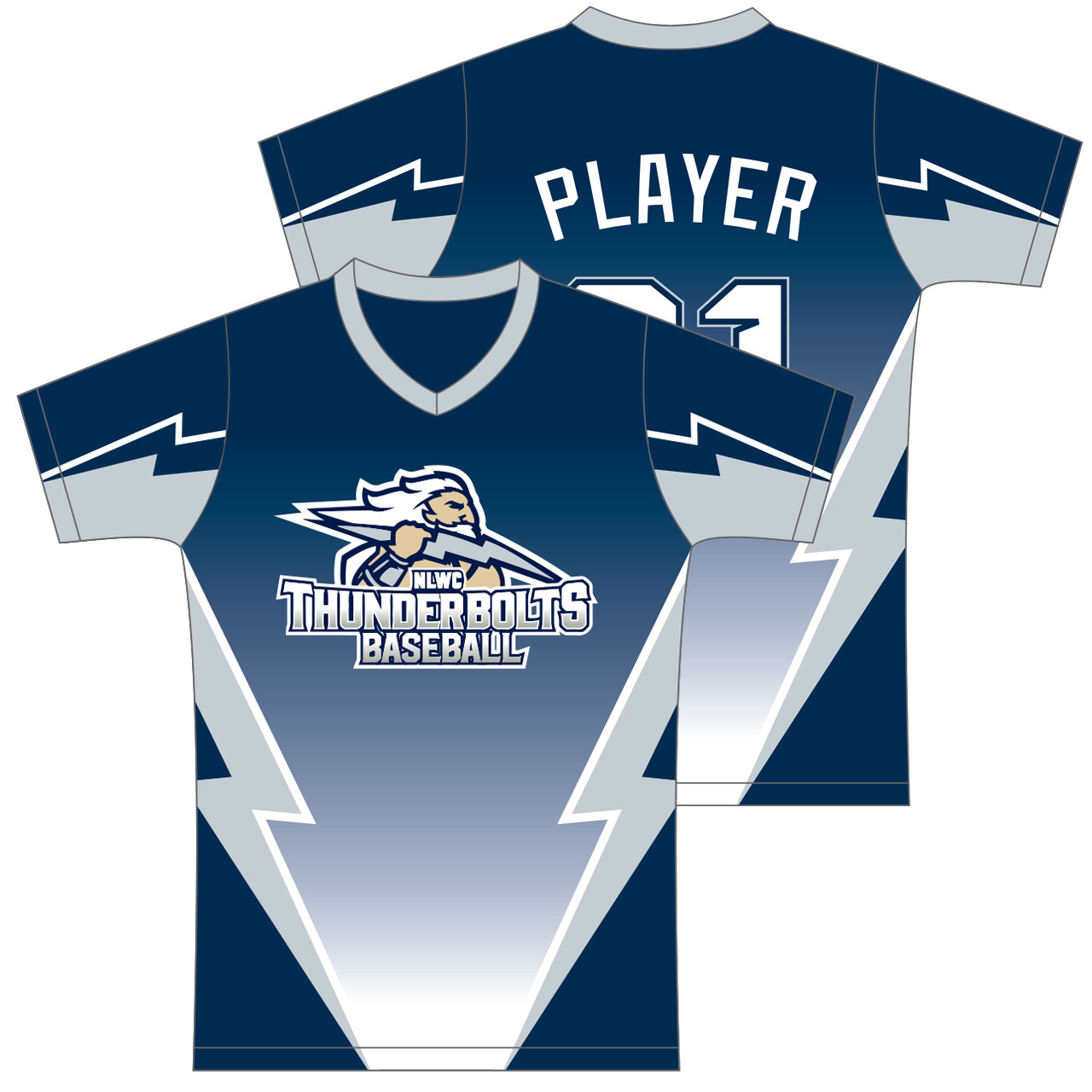
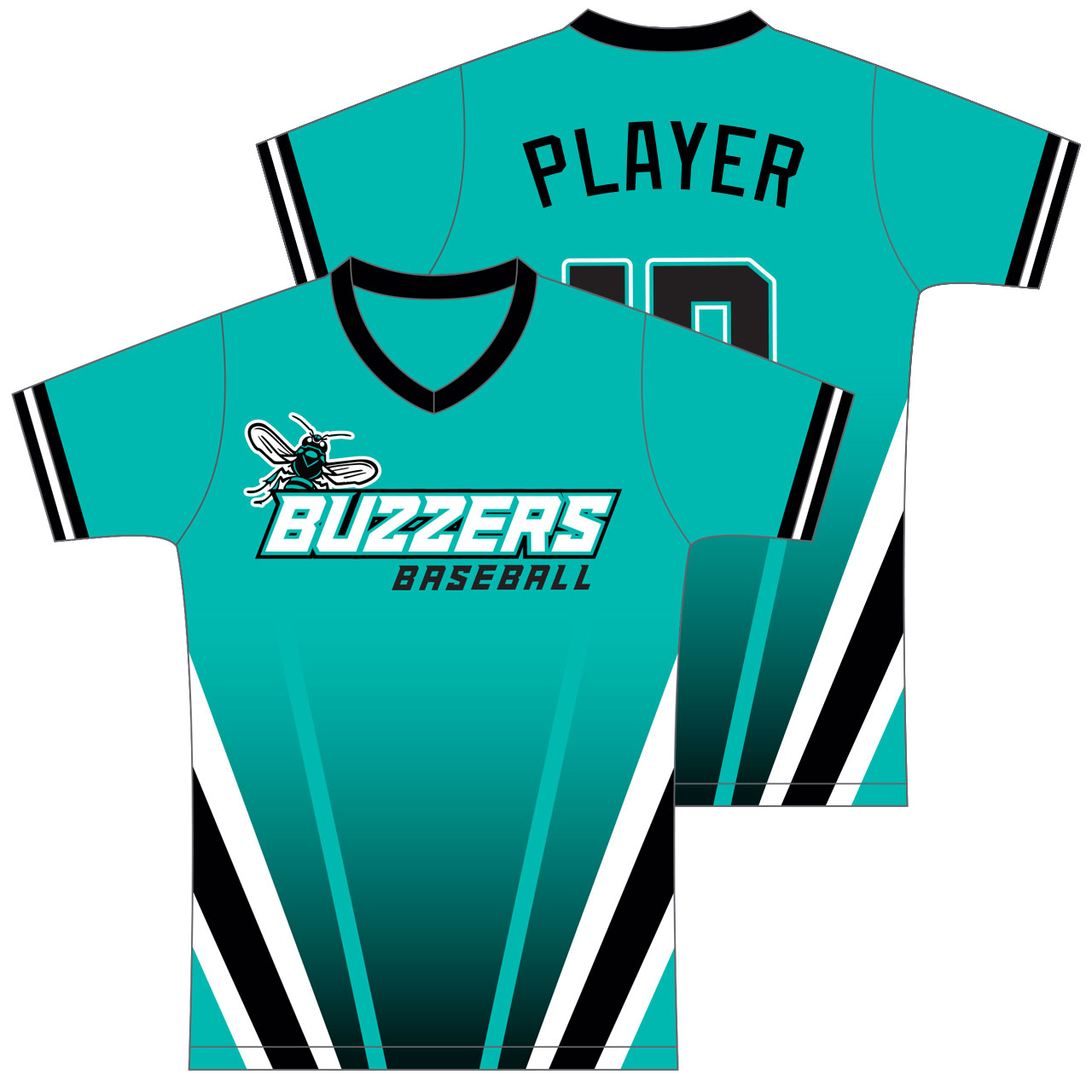
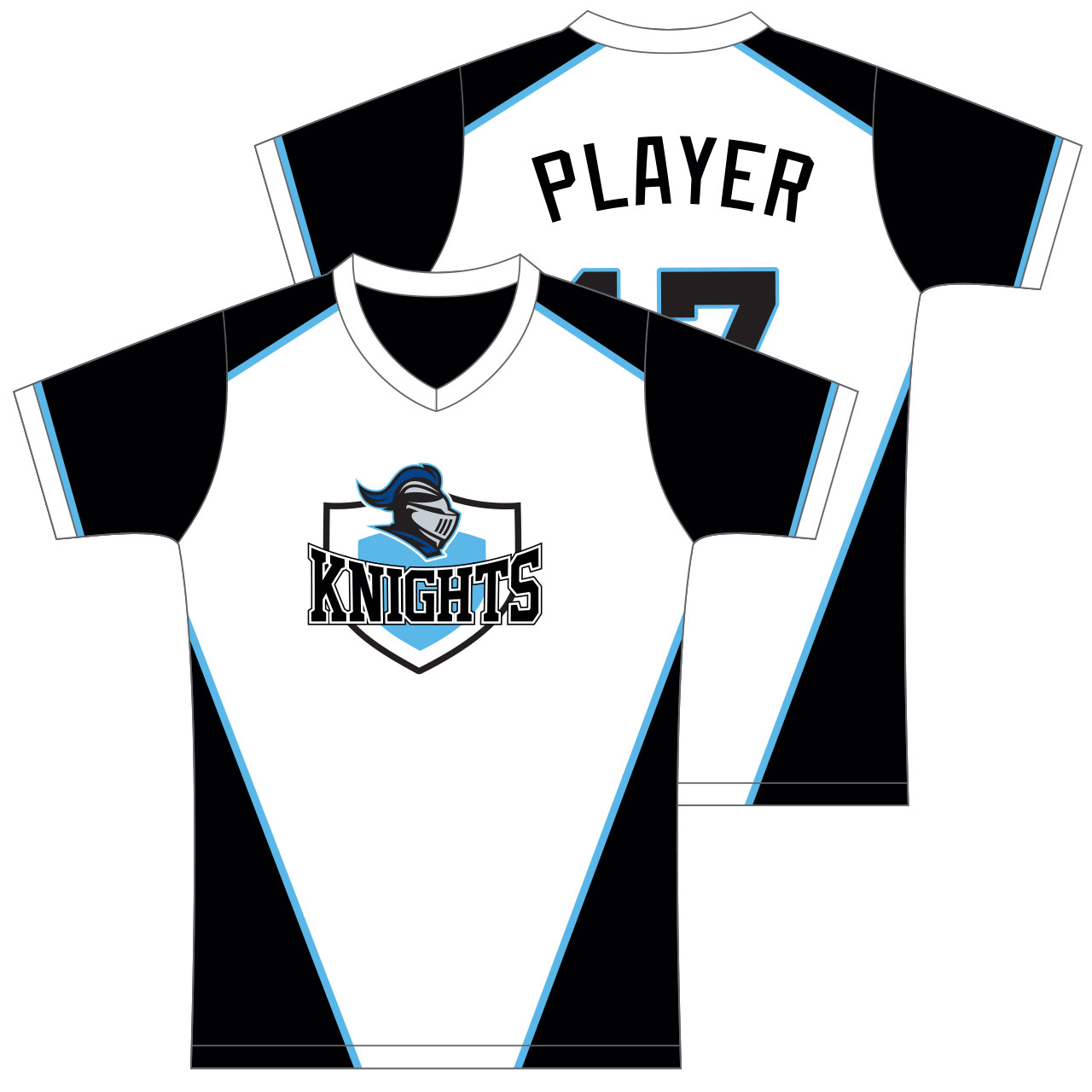
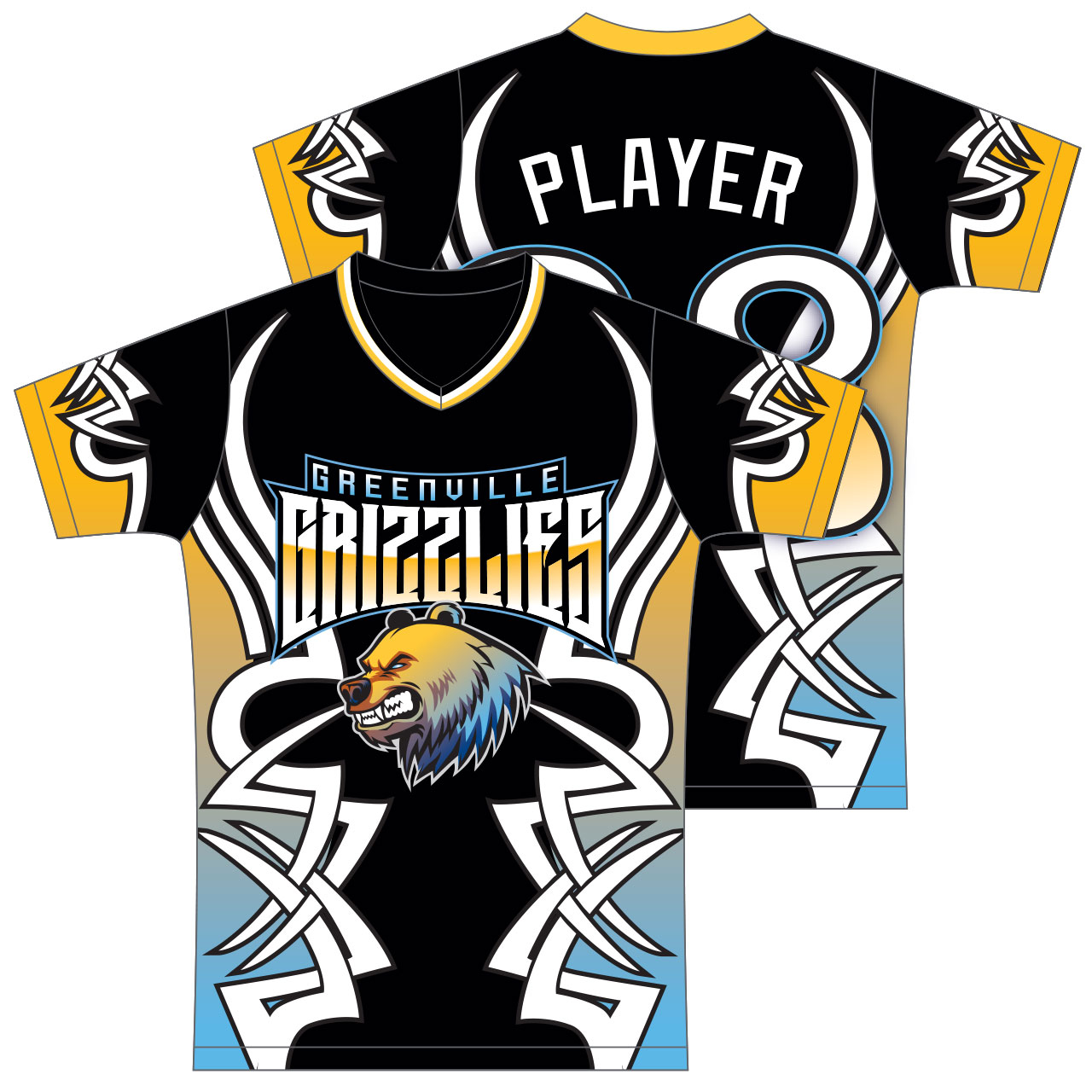
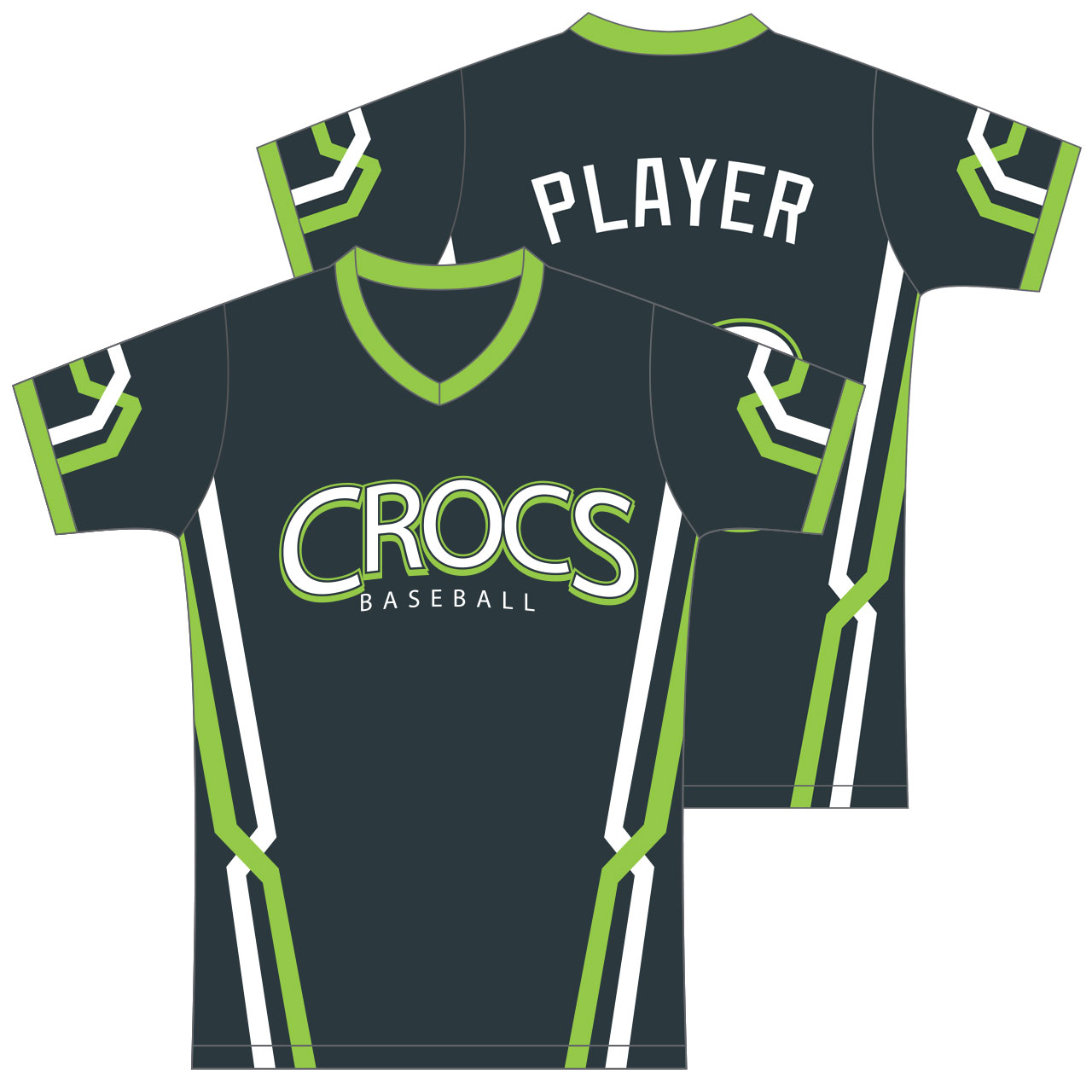
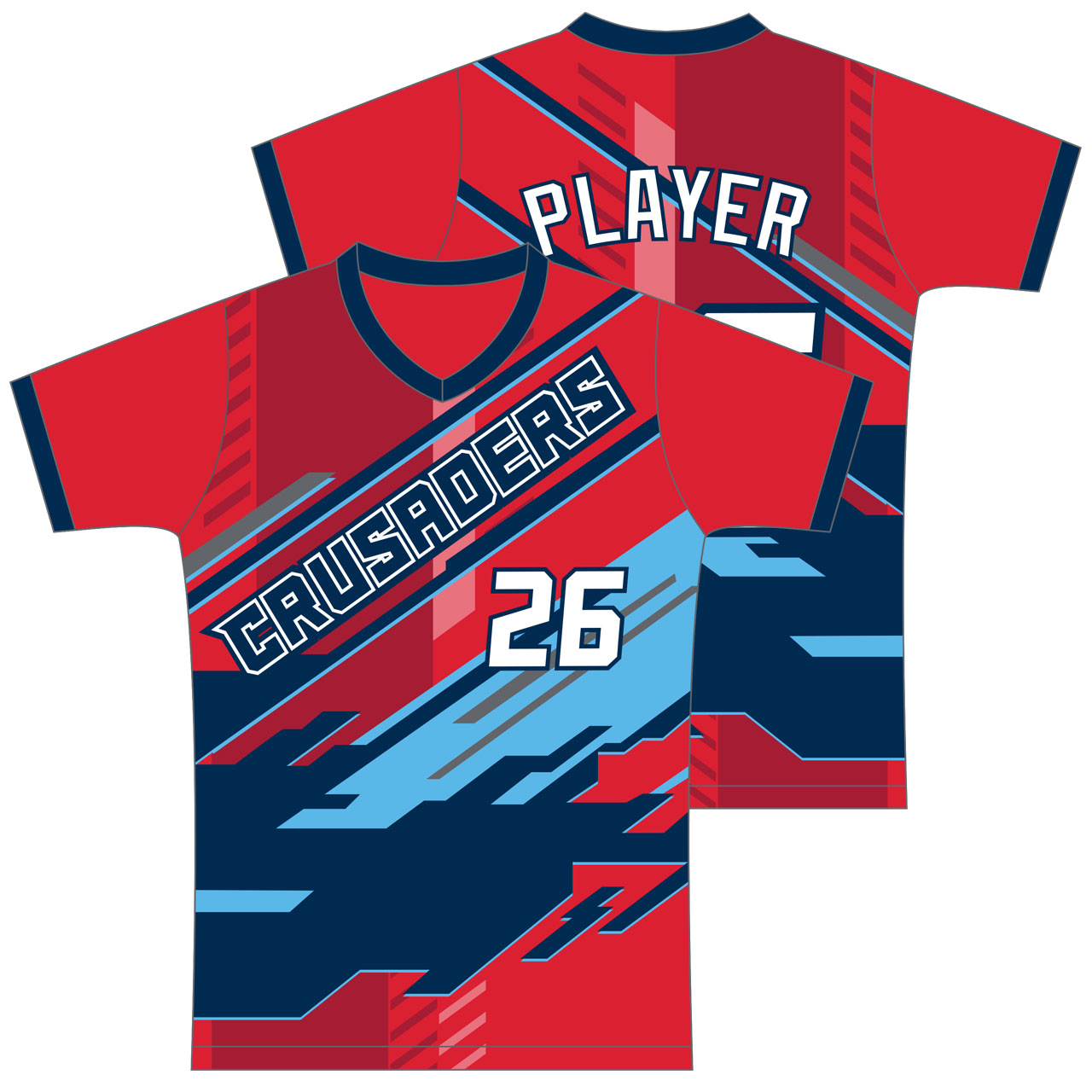
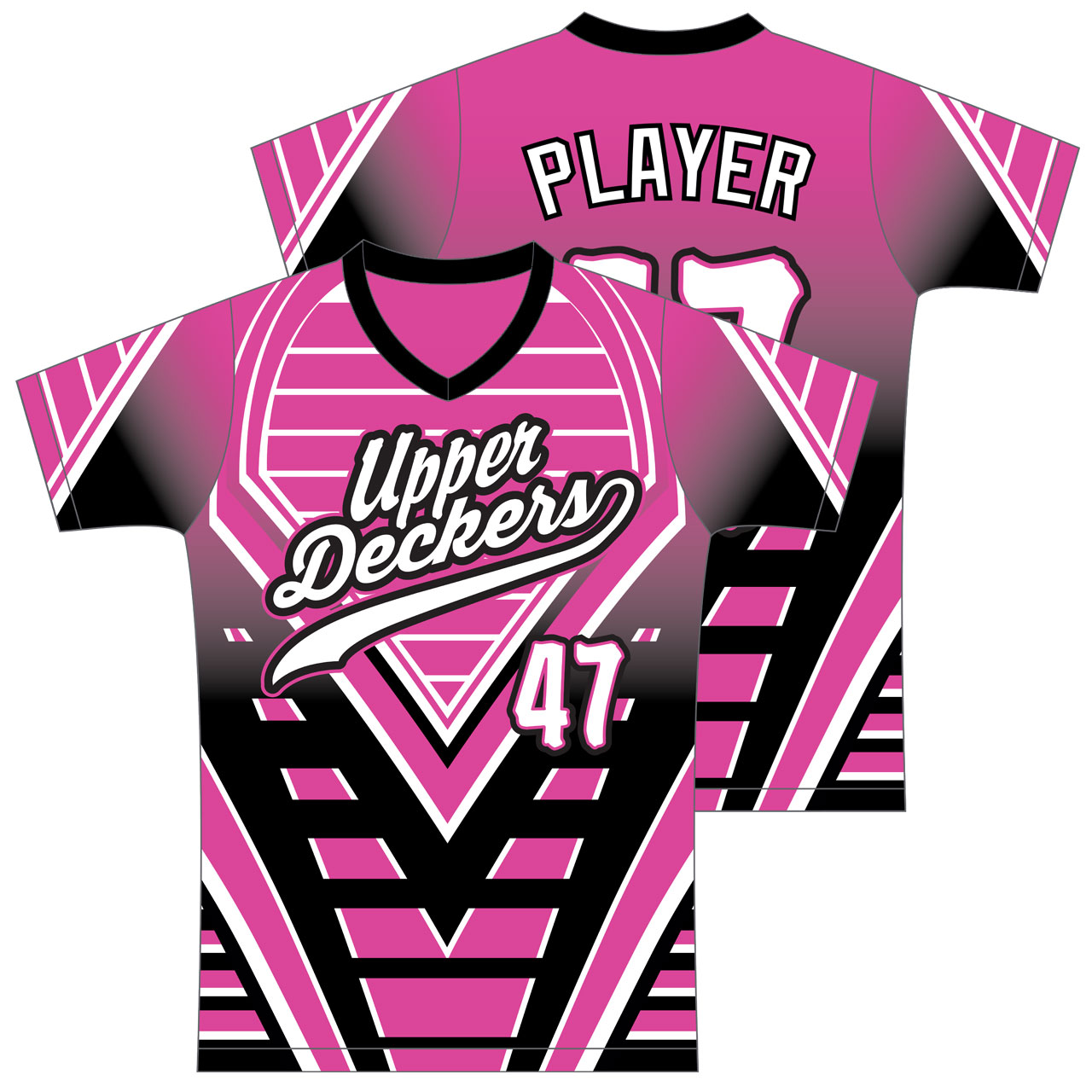
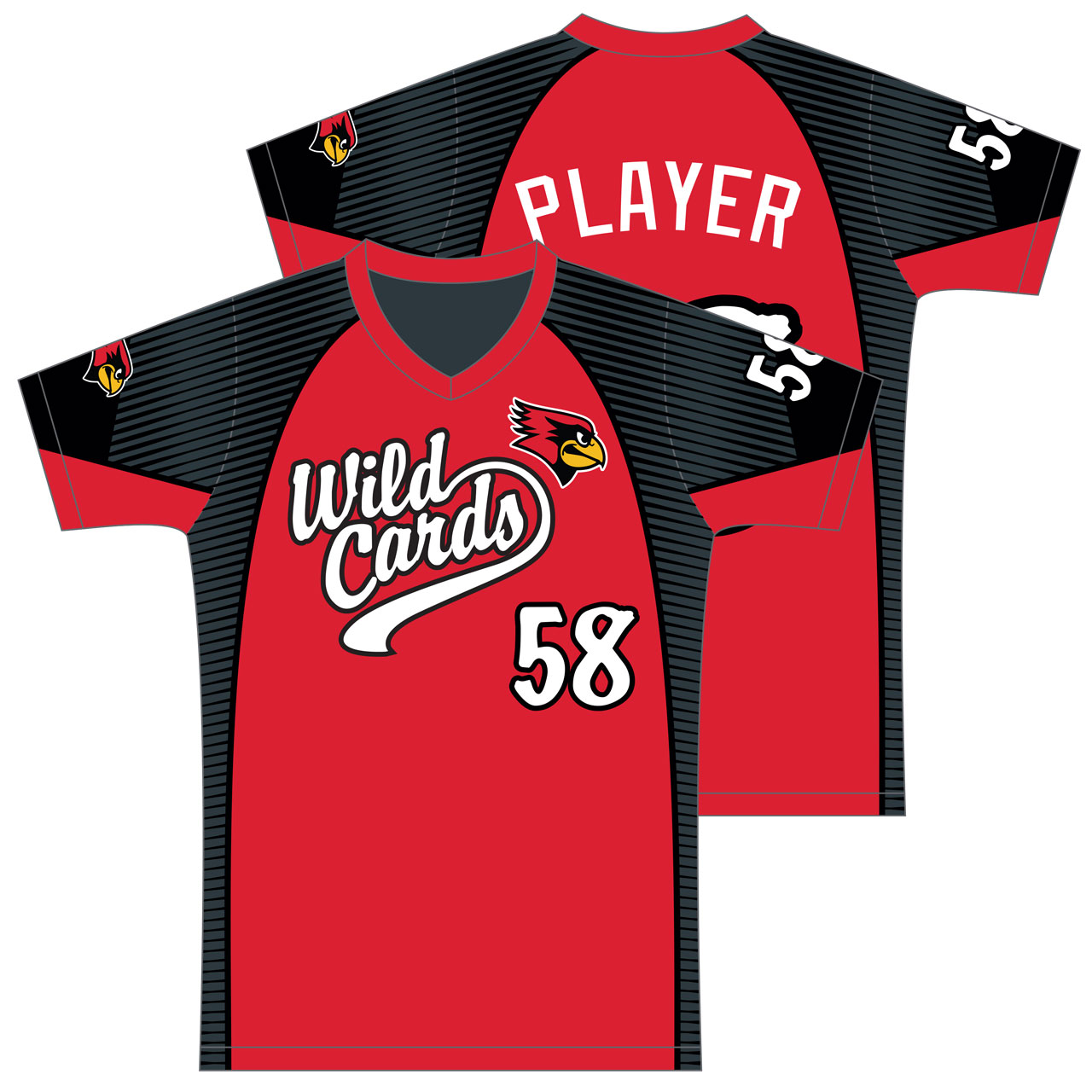
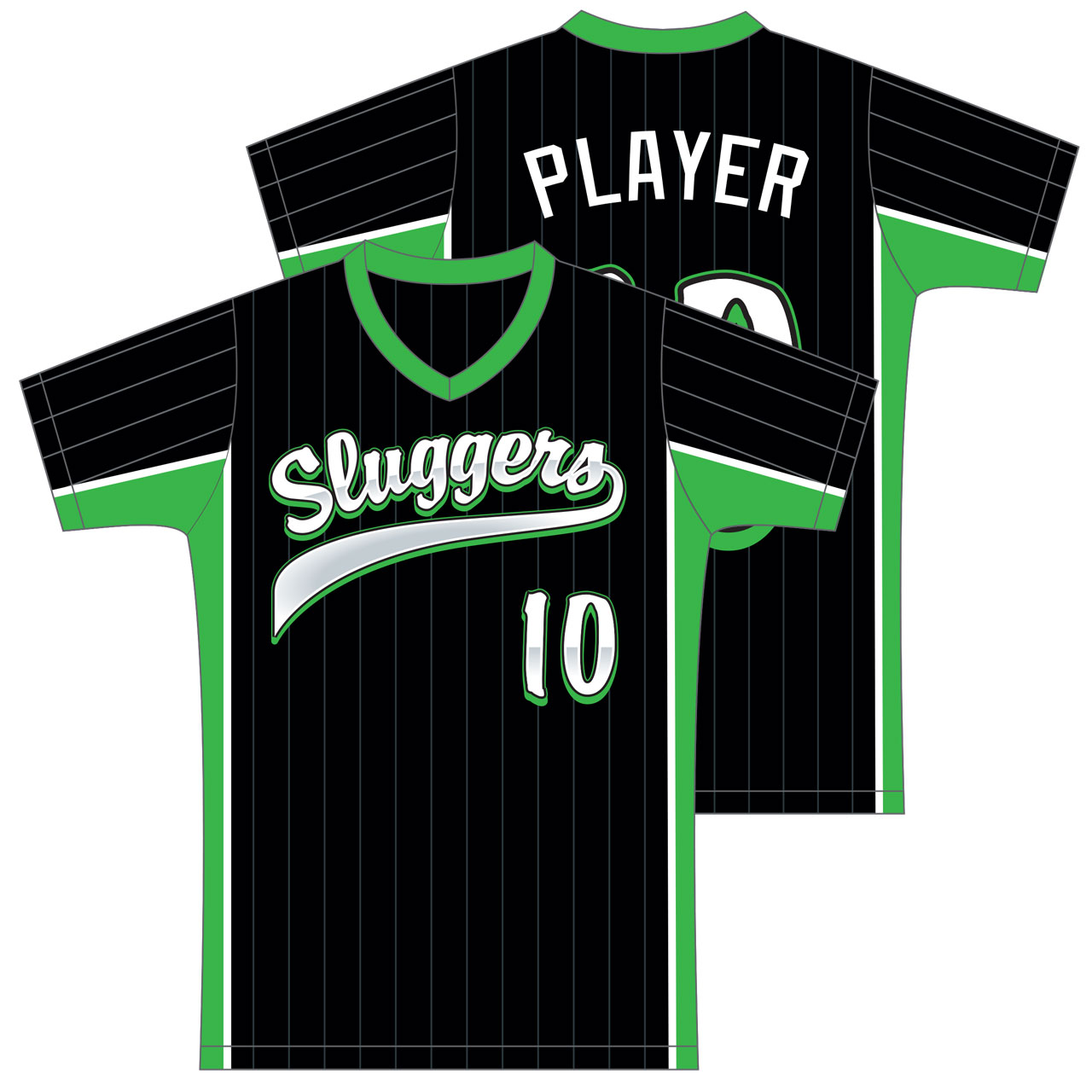
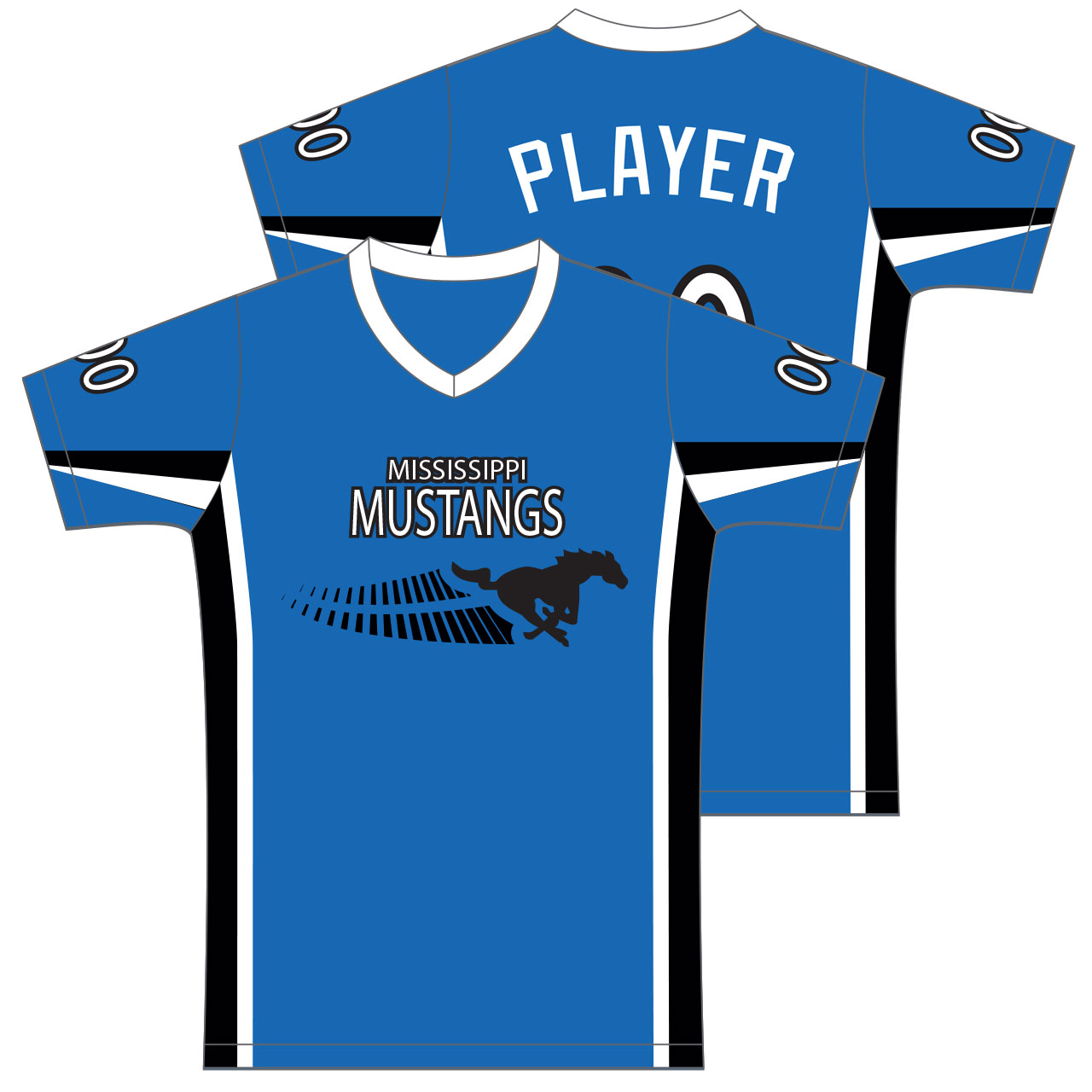
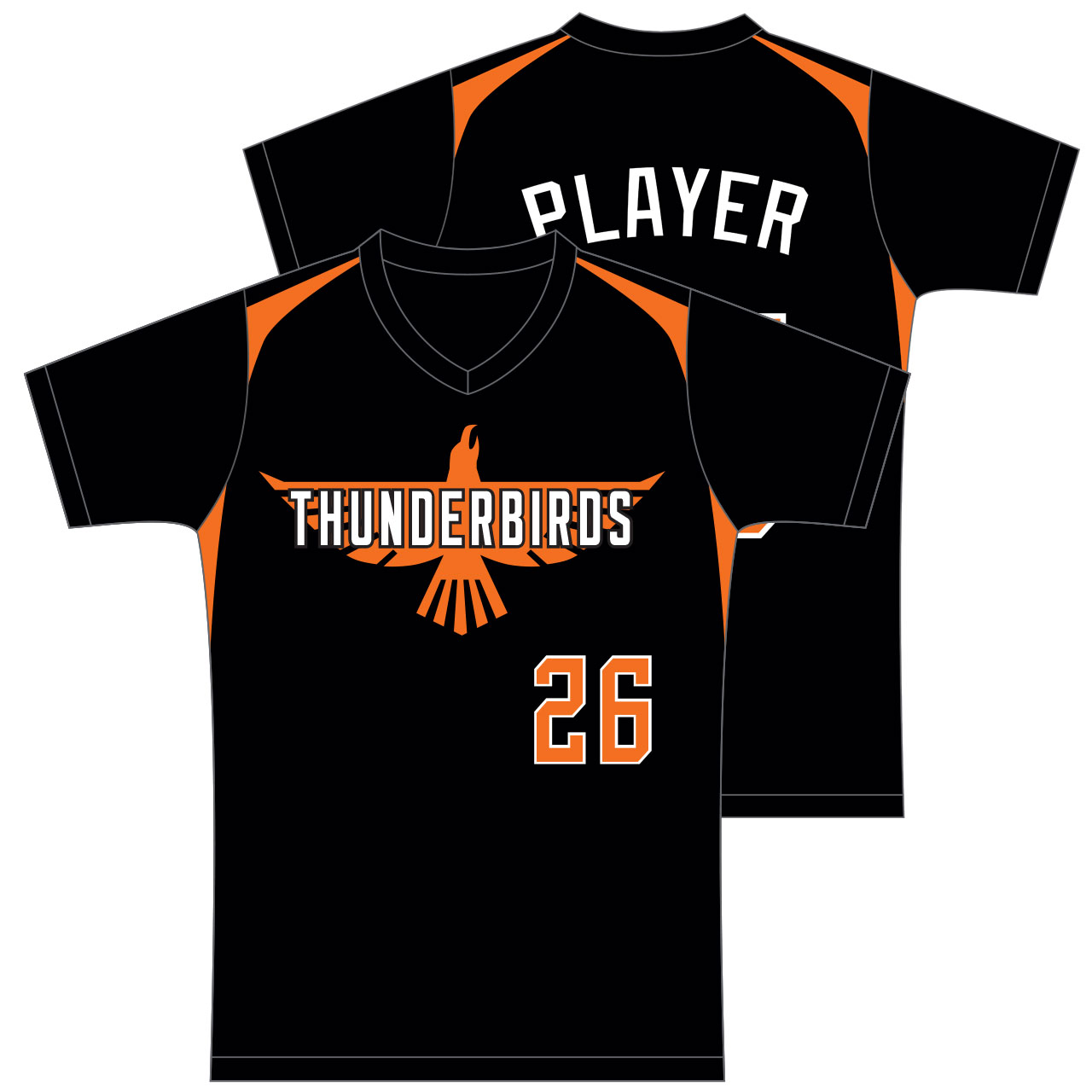
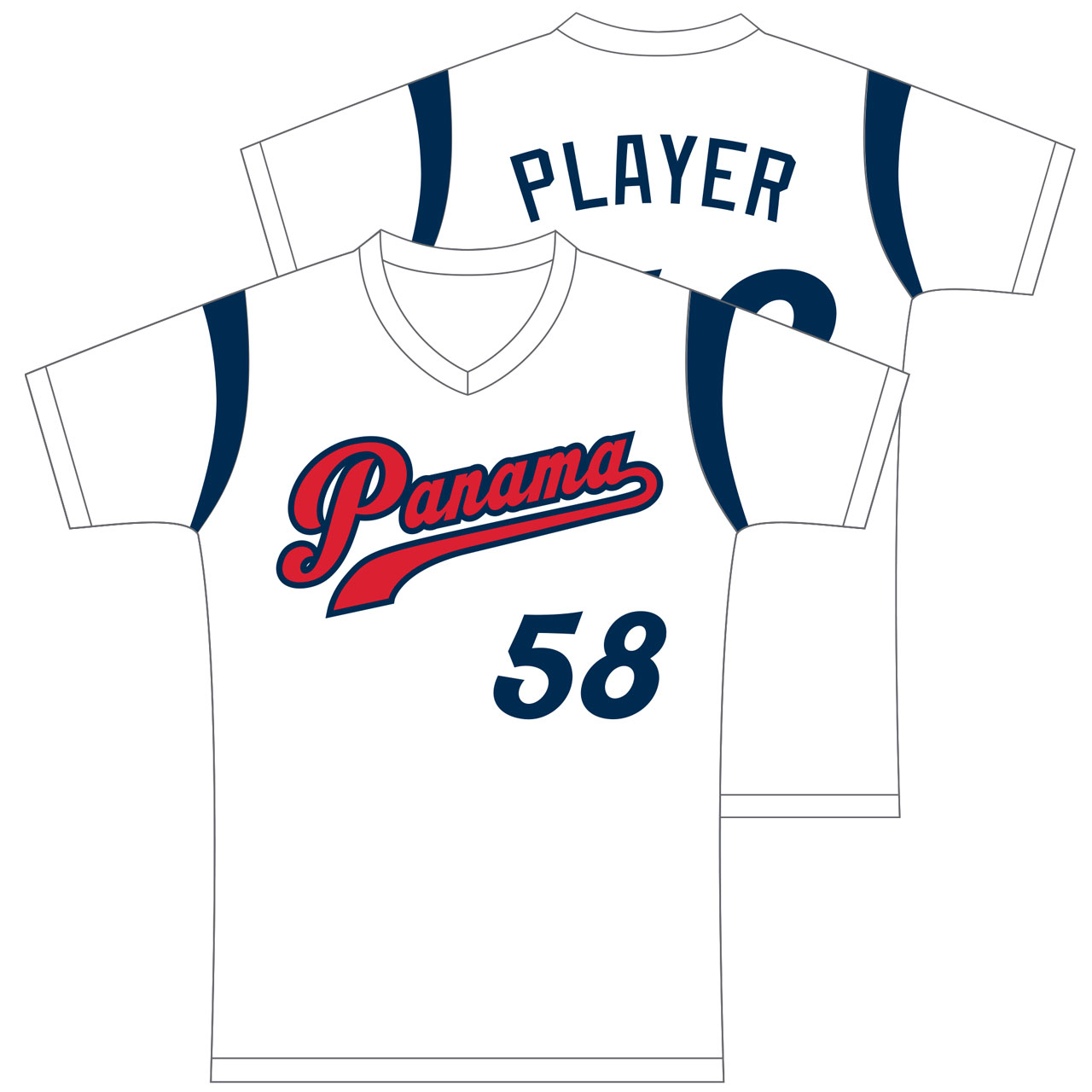
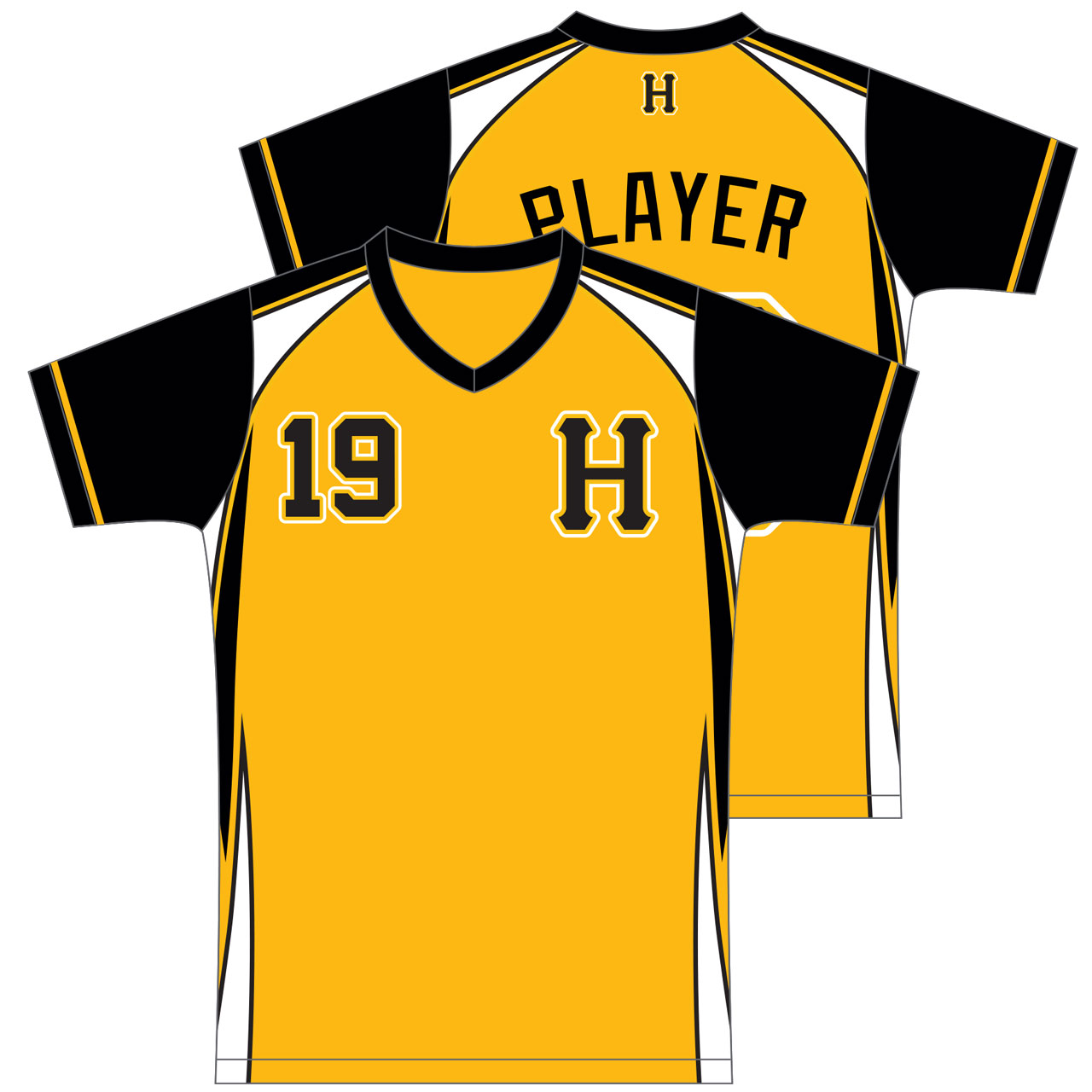
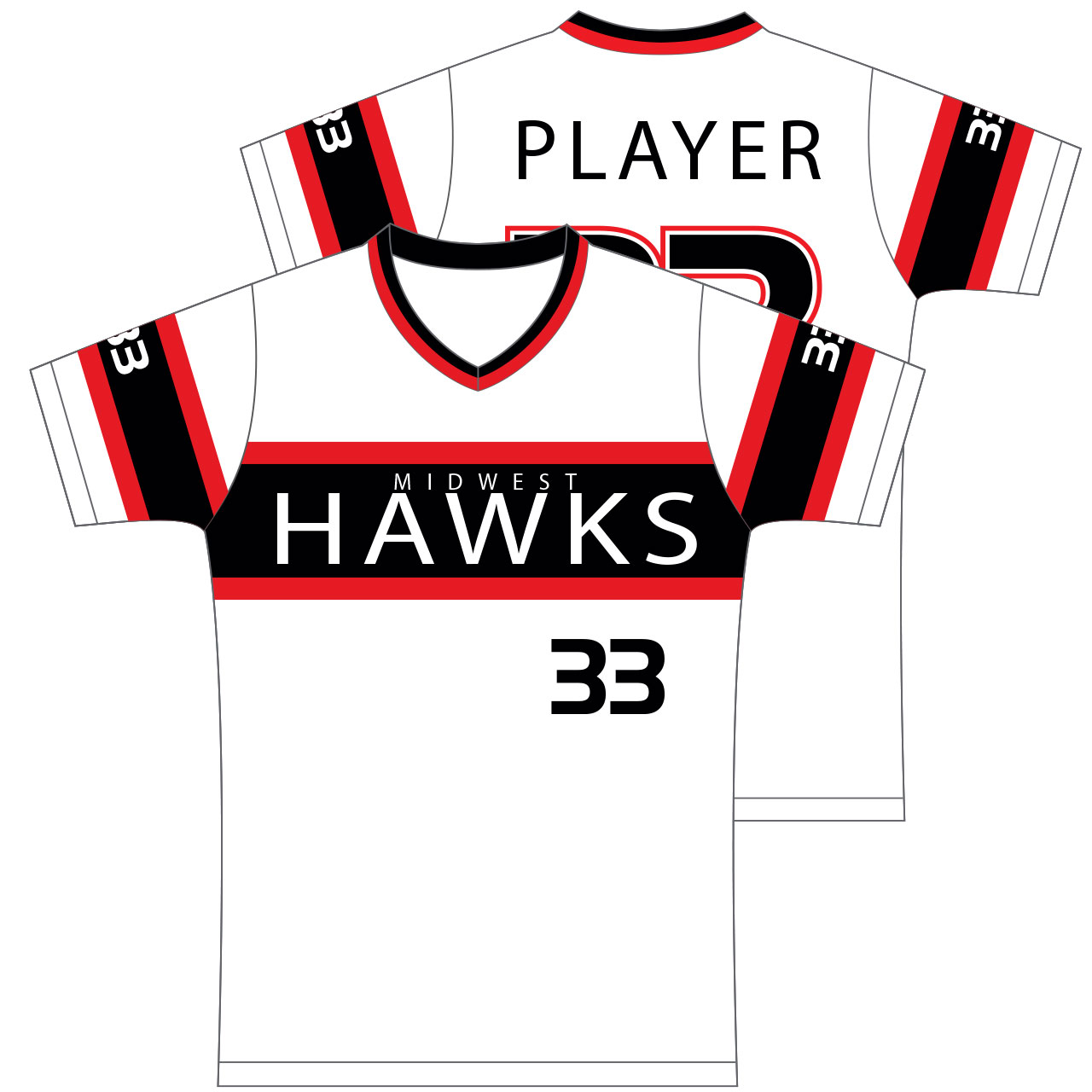
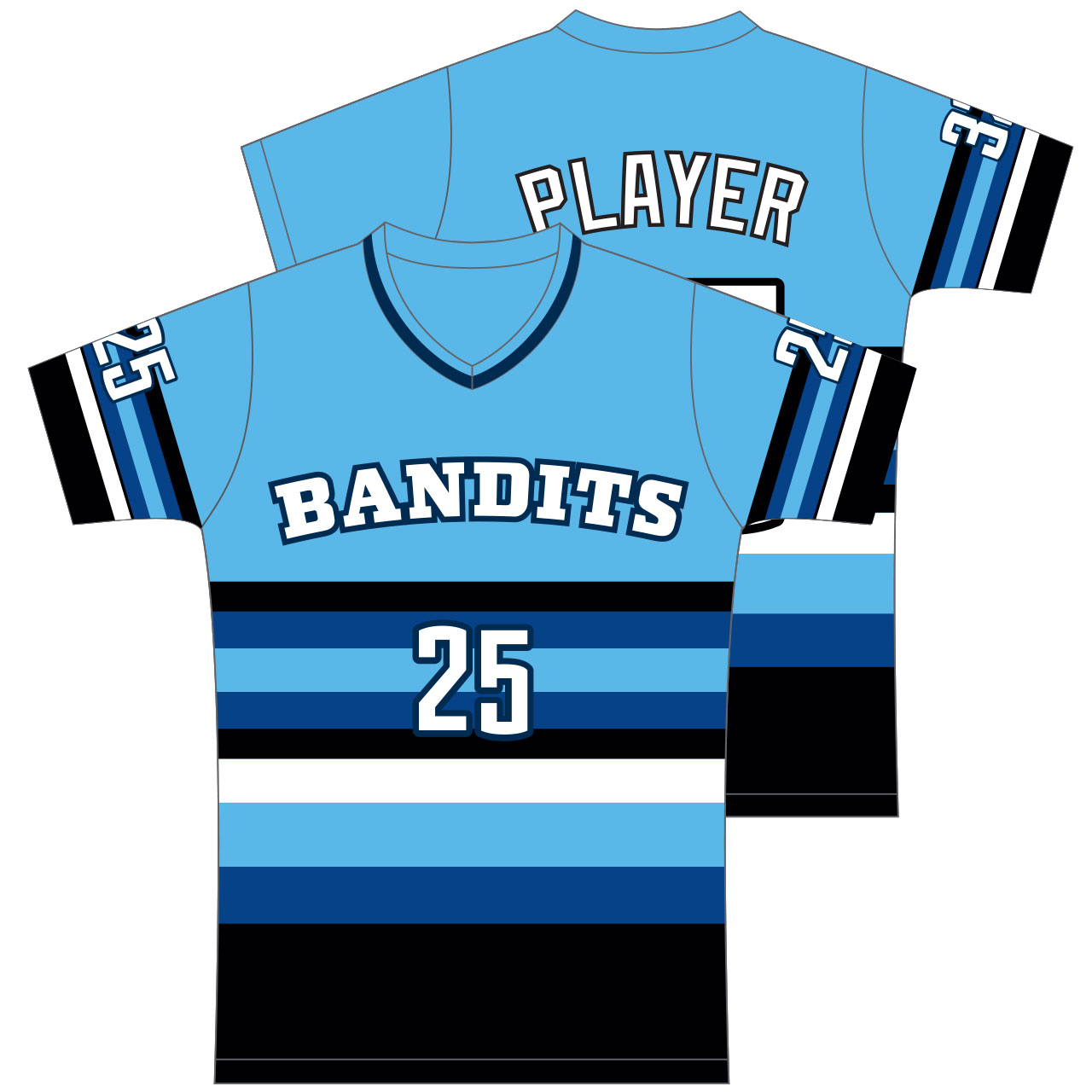
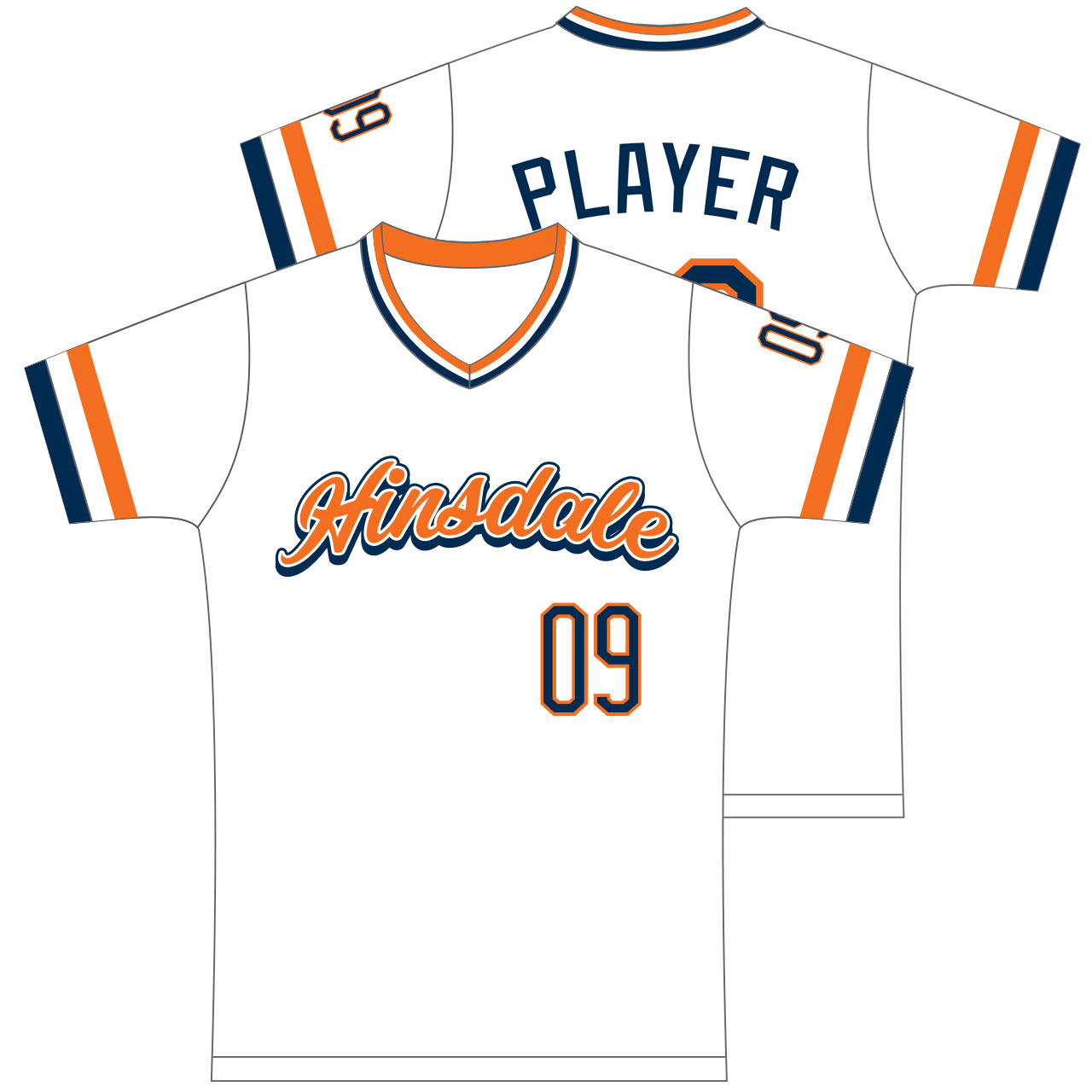
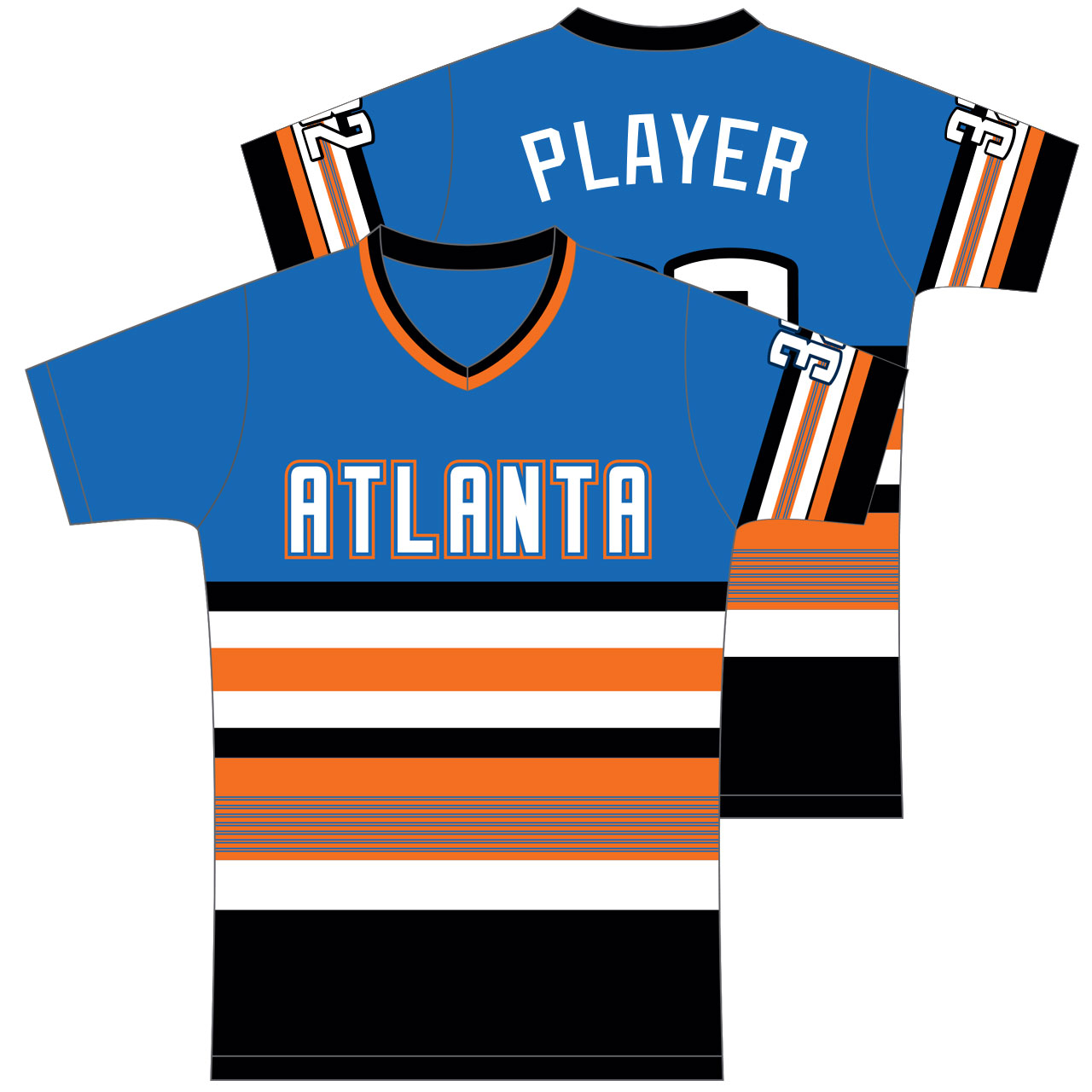
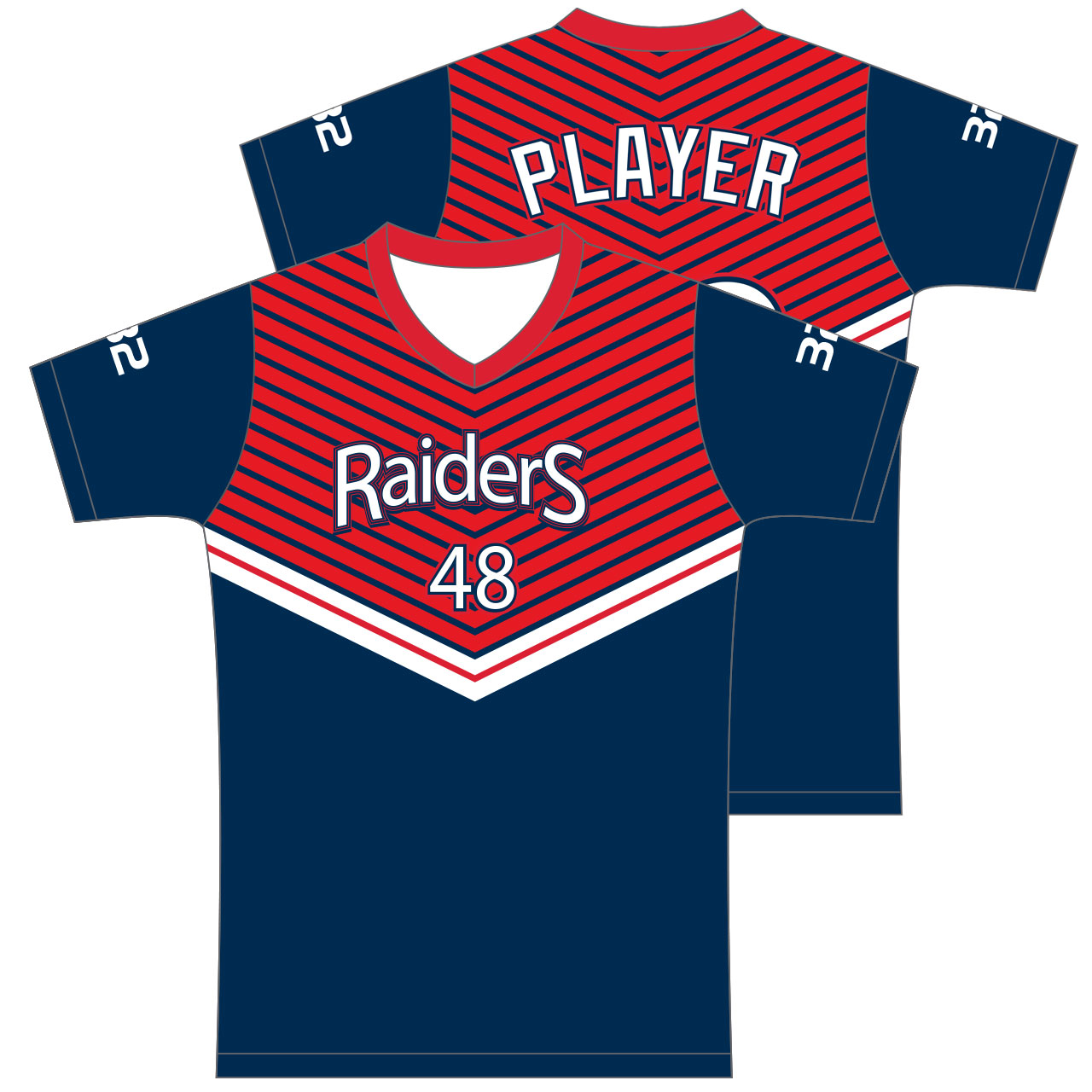
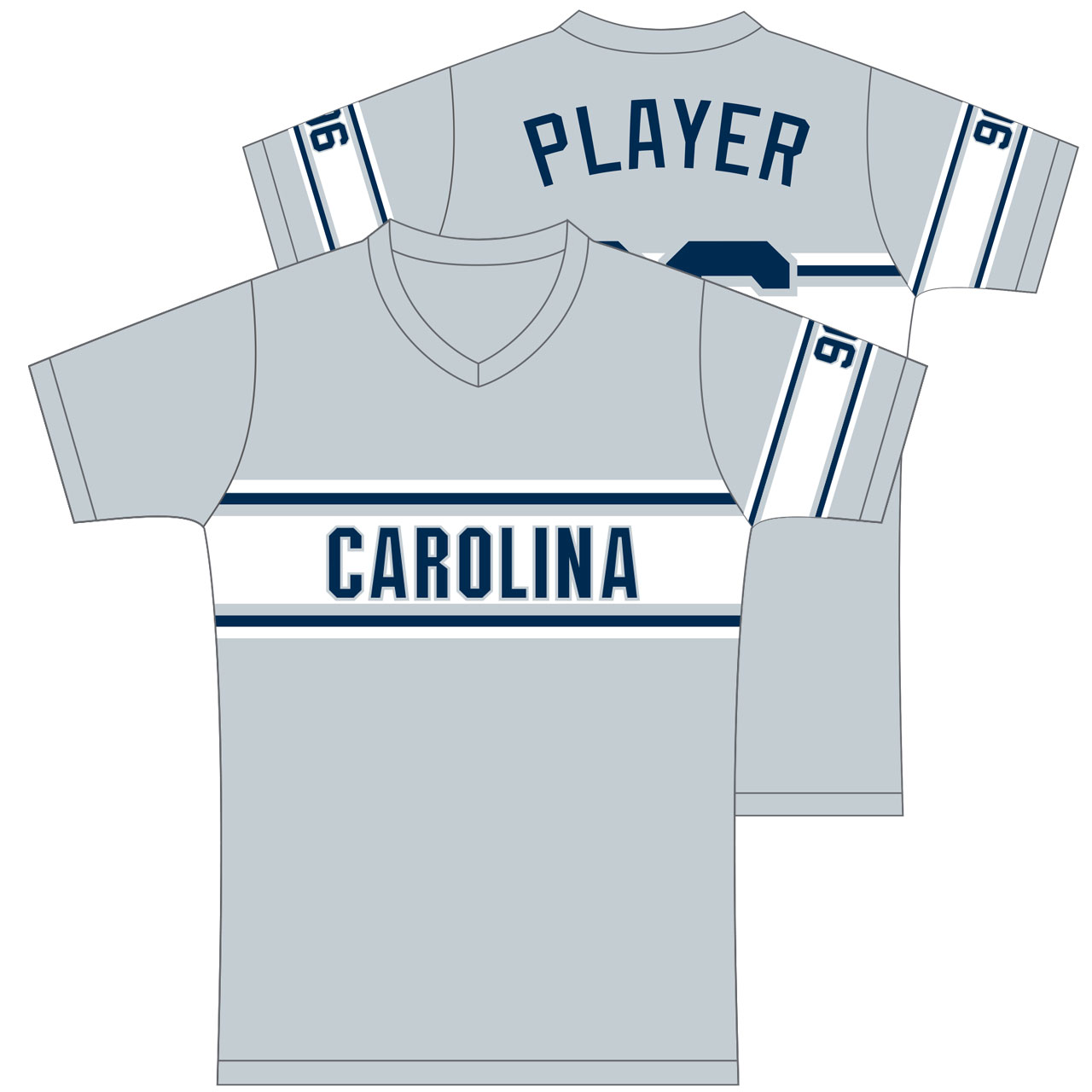
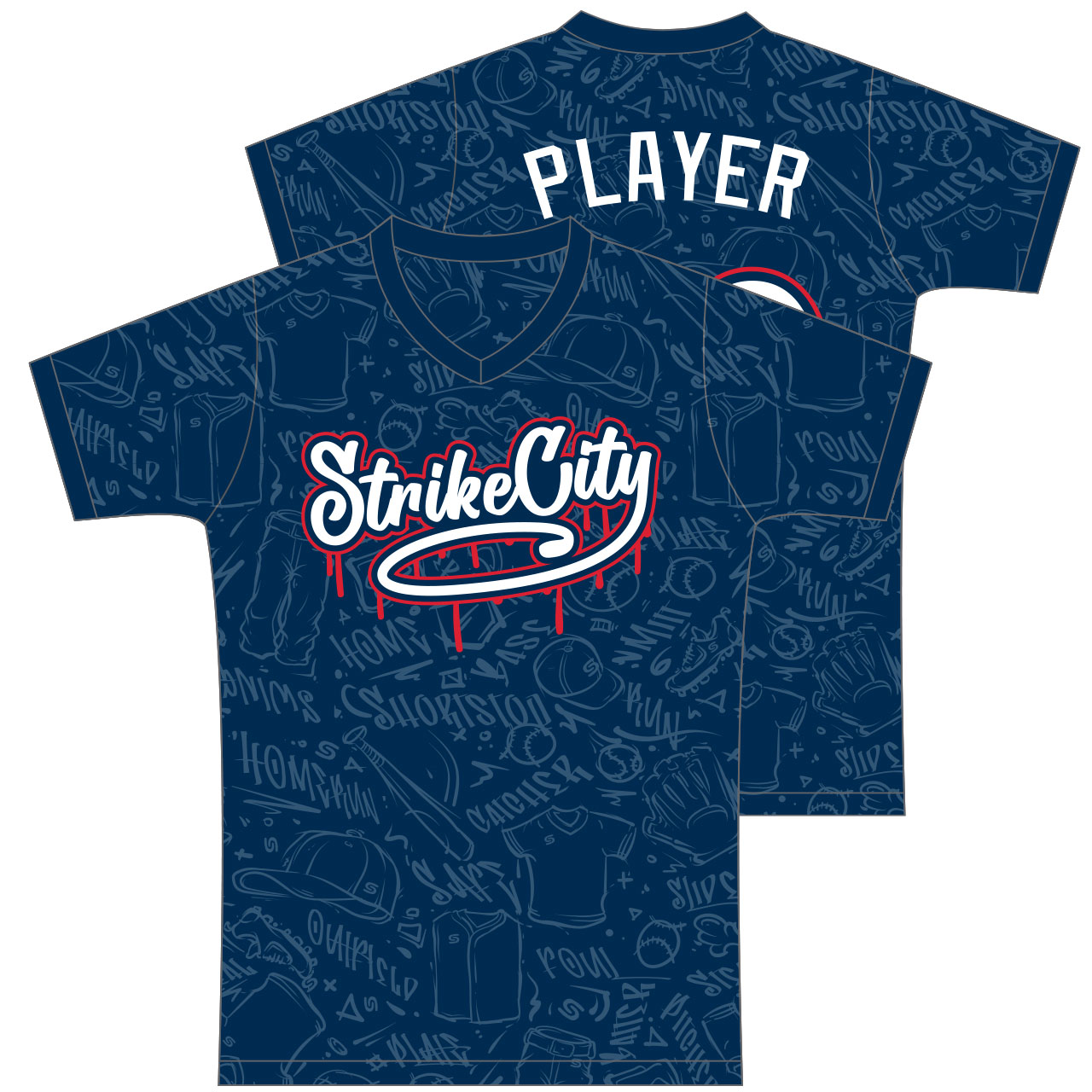
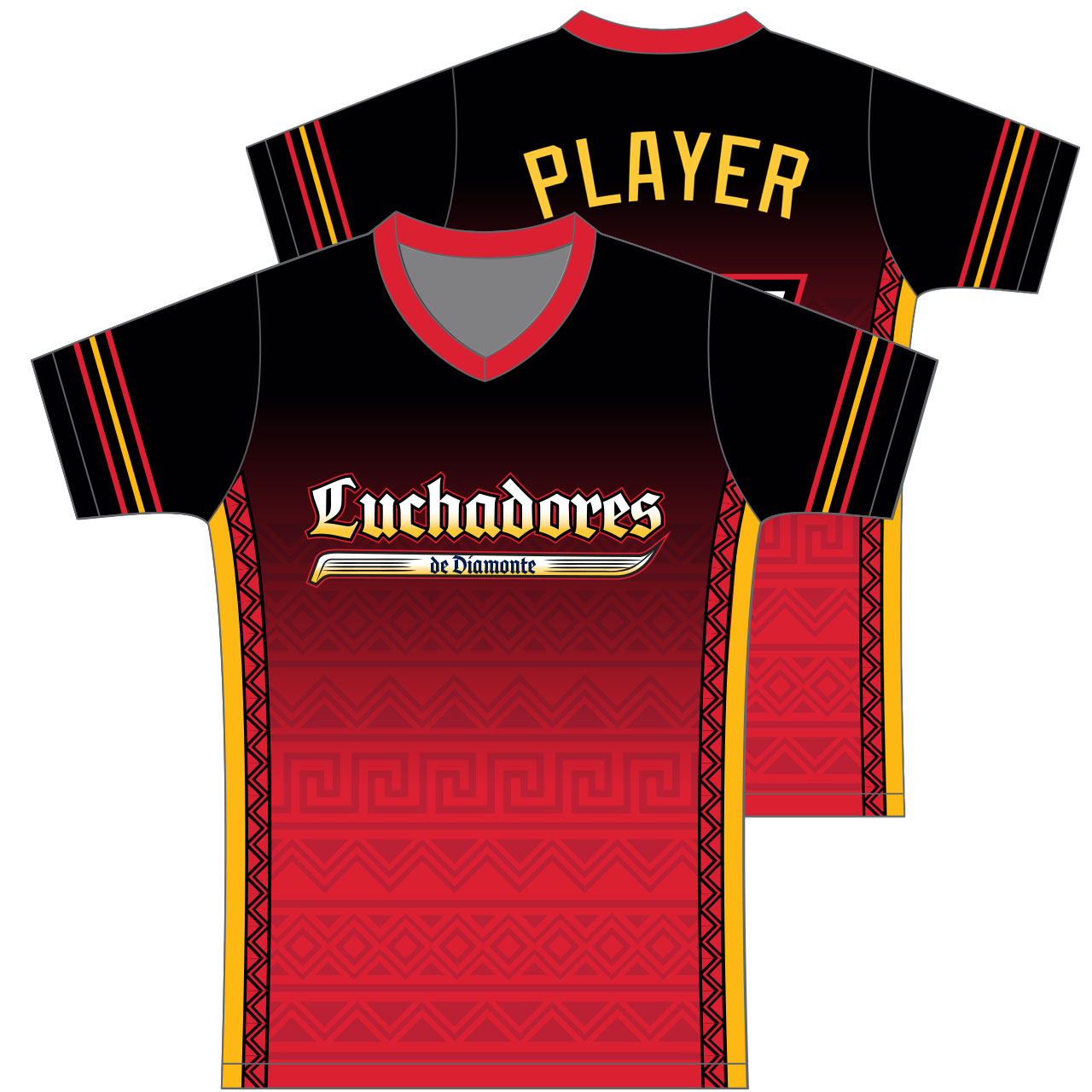
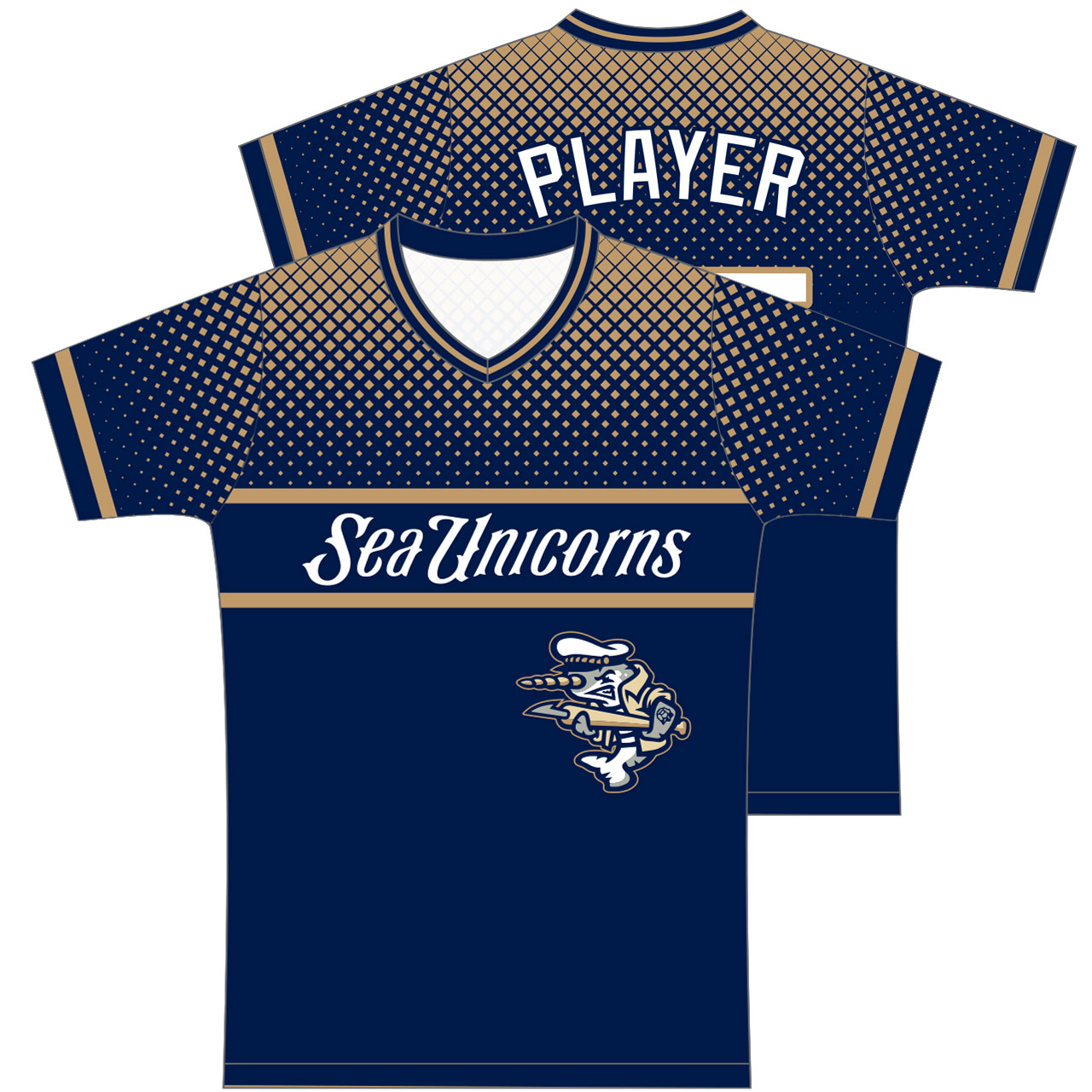
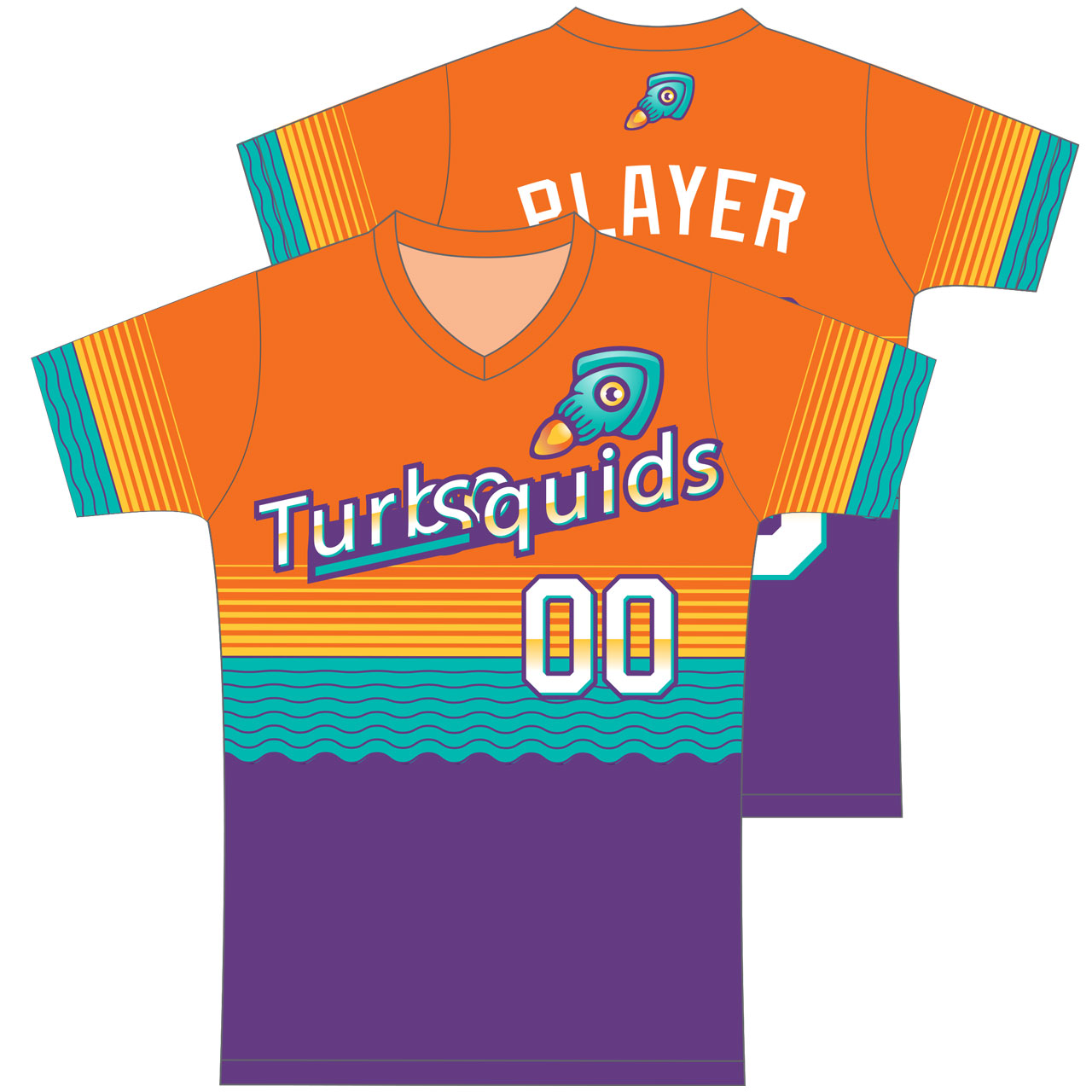
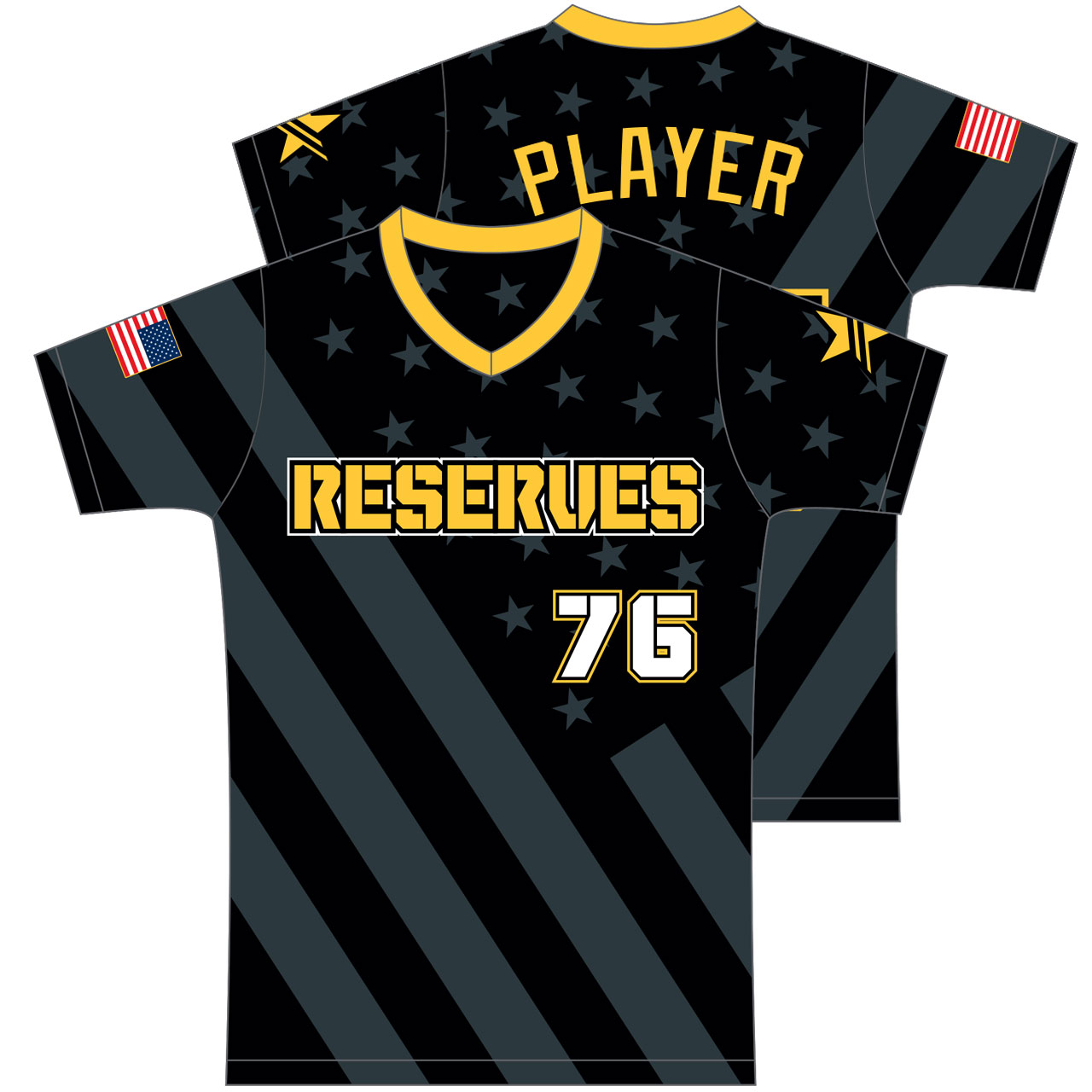
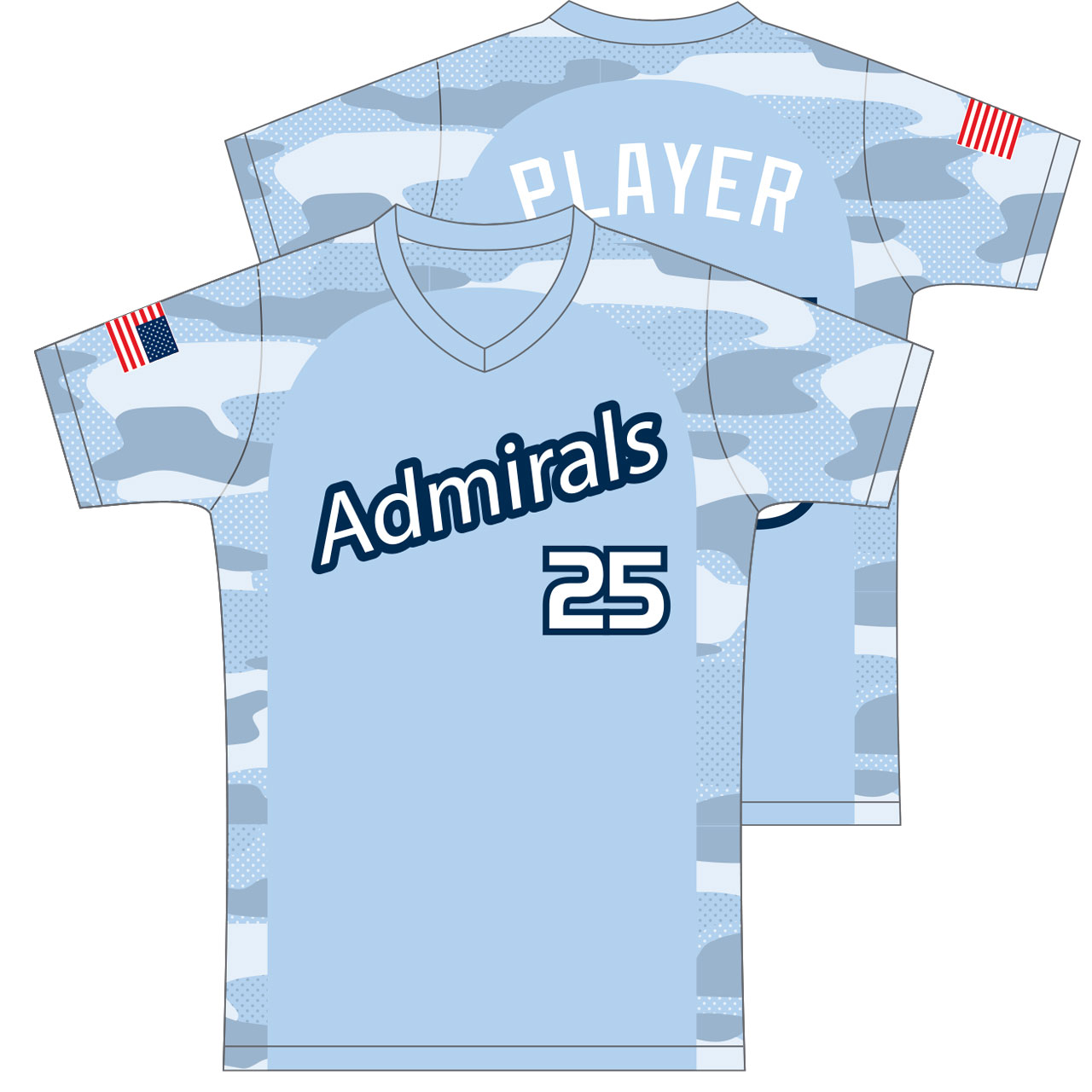
UNDER ARMOUR V-NECK BASEBALL JERSEY DESIGNS
Baseball Pant Designs
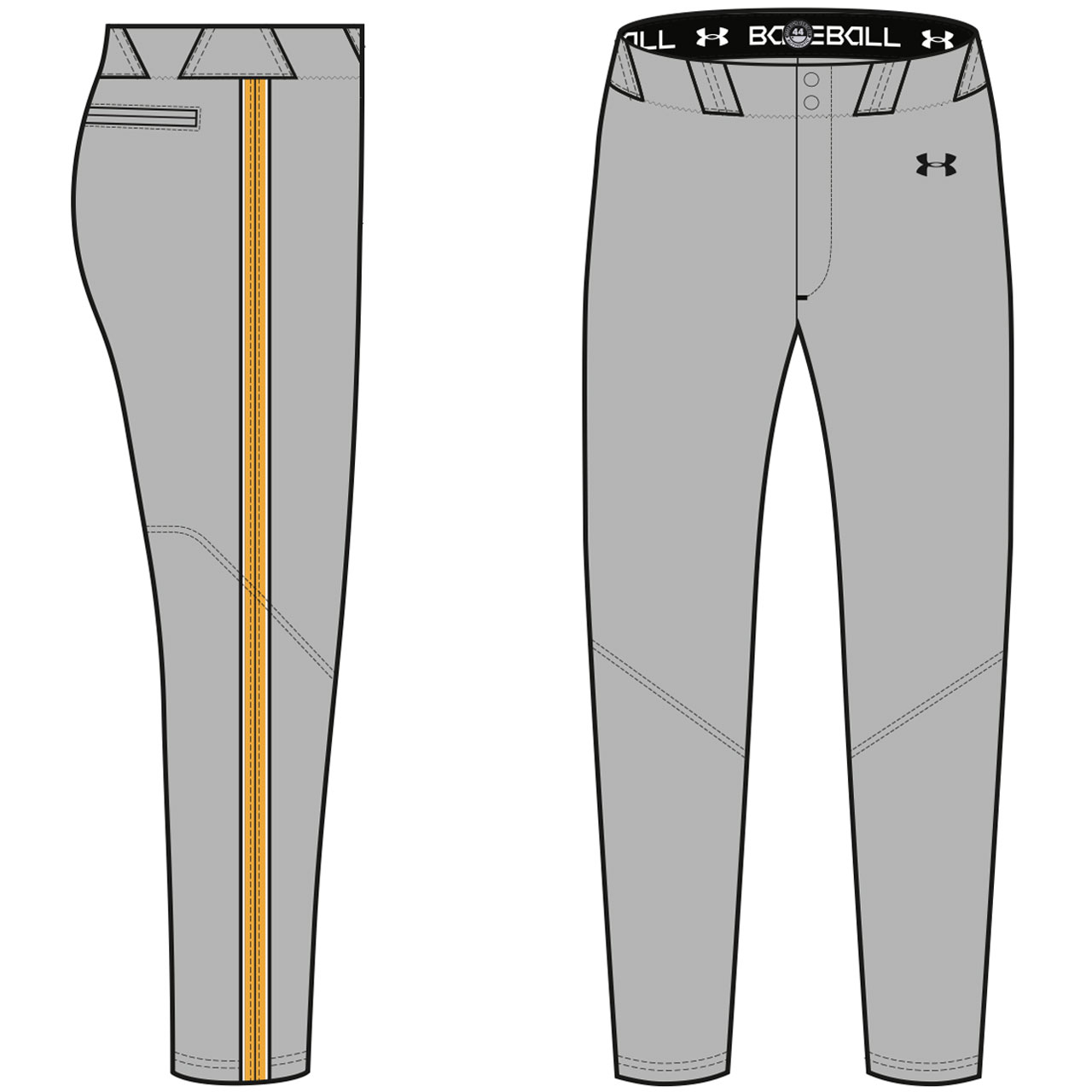
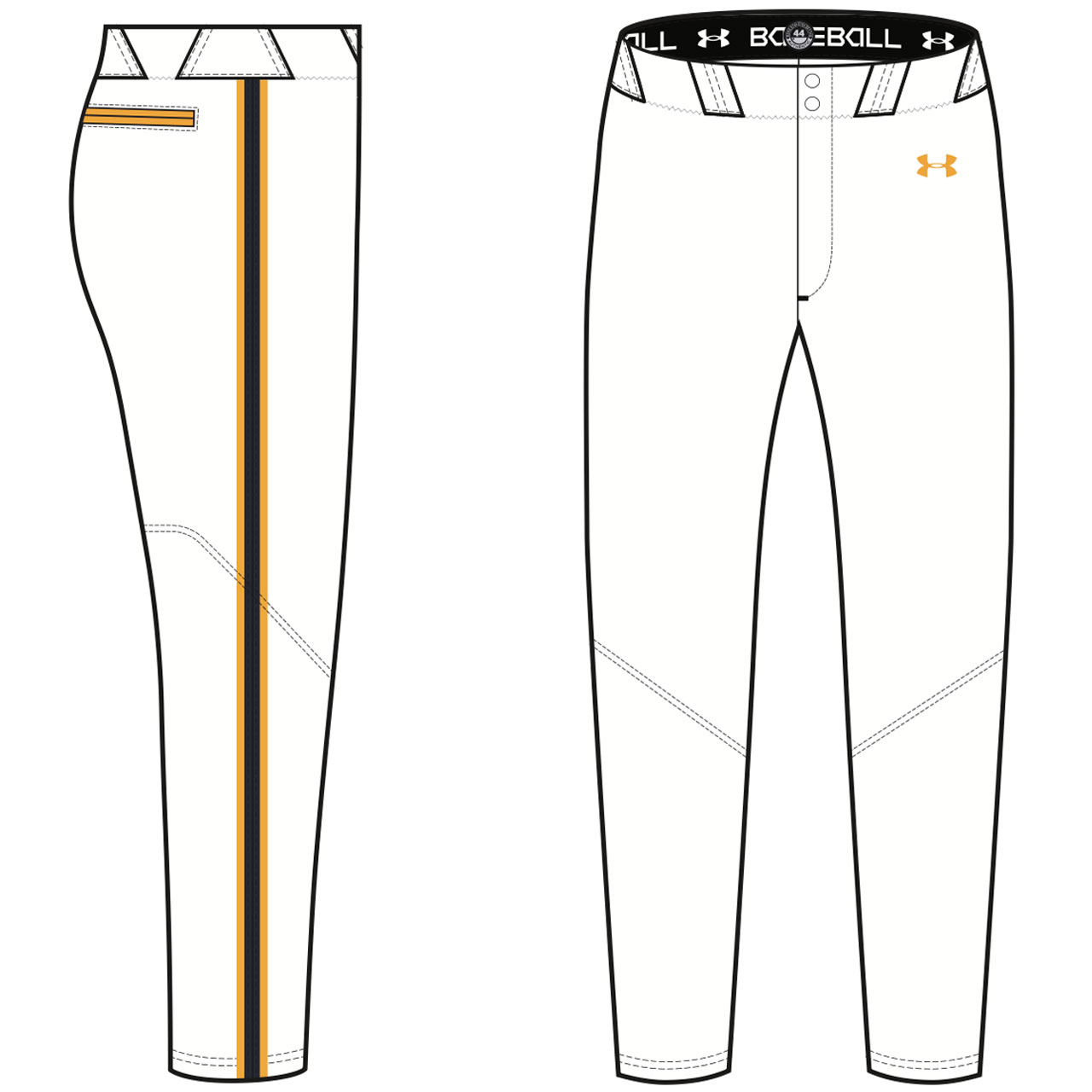
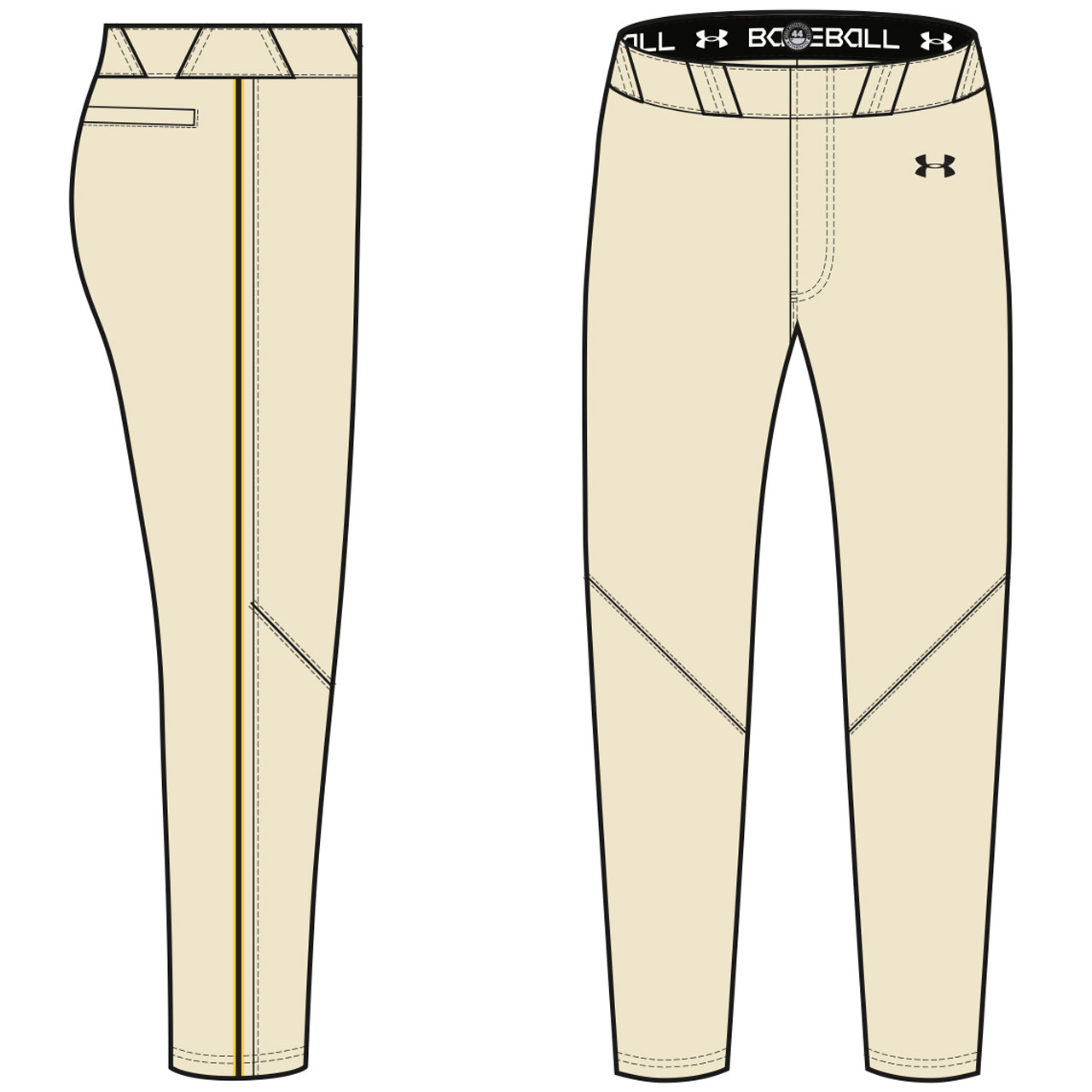
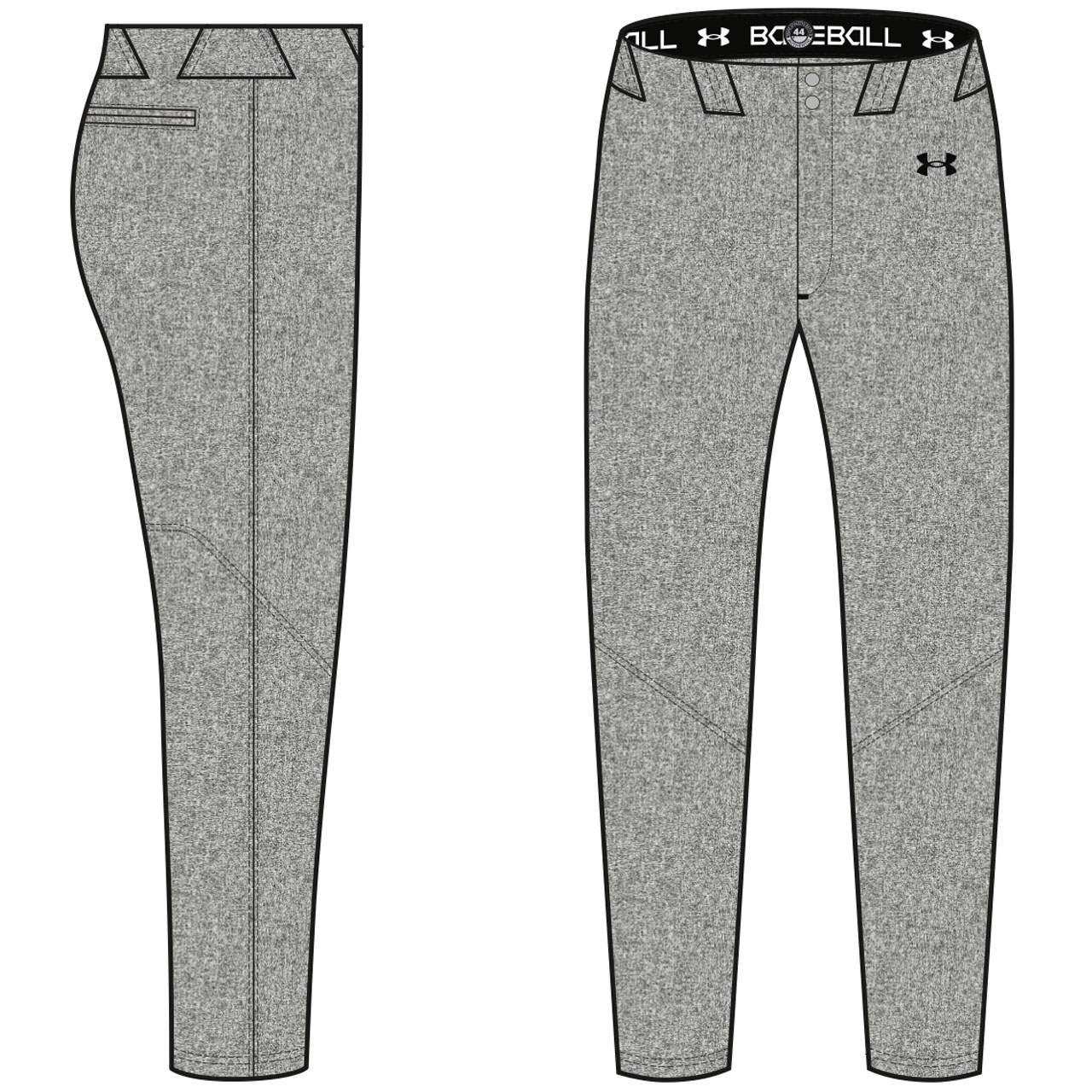
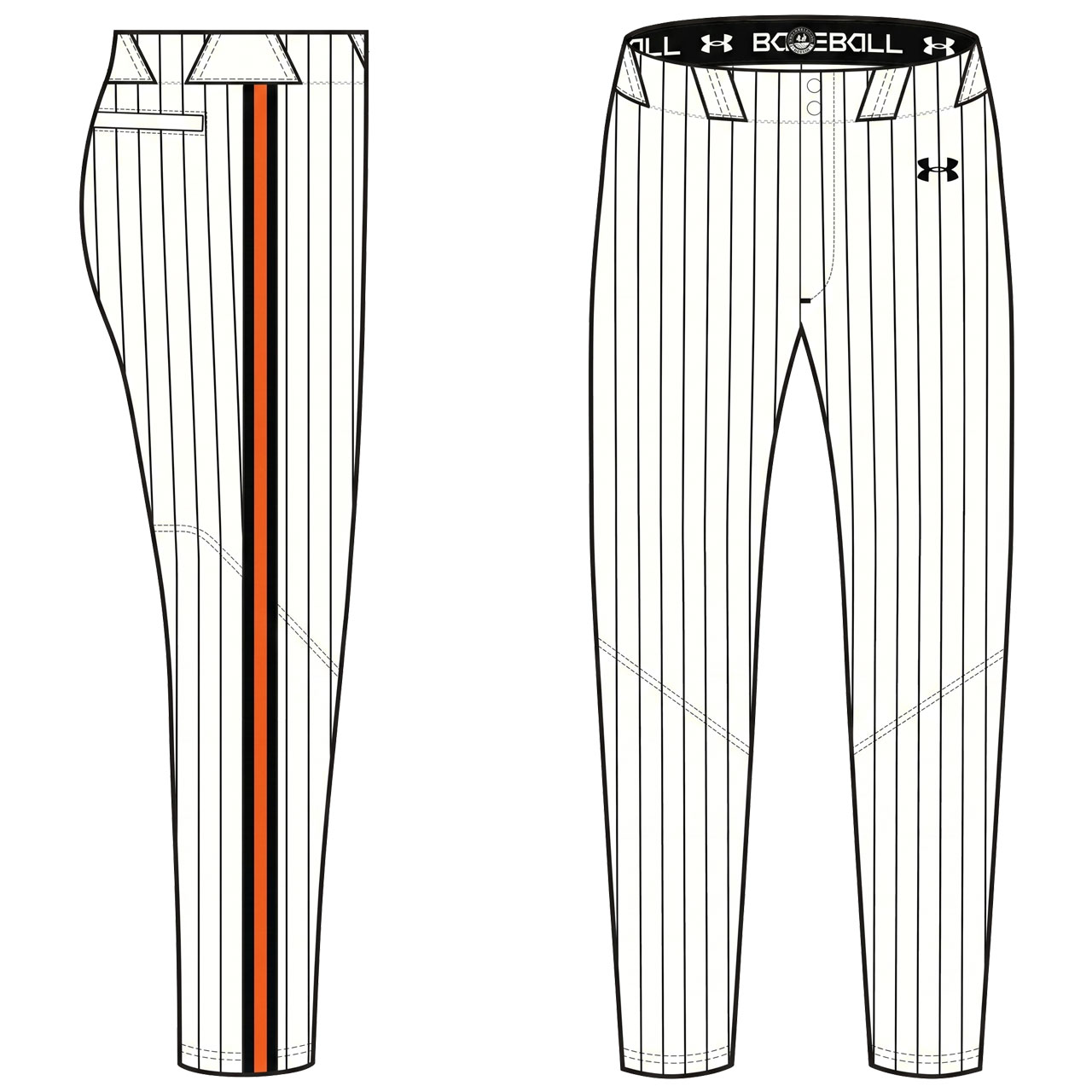
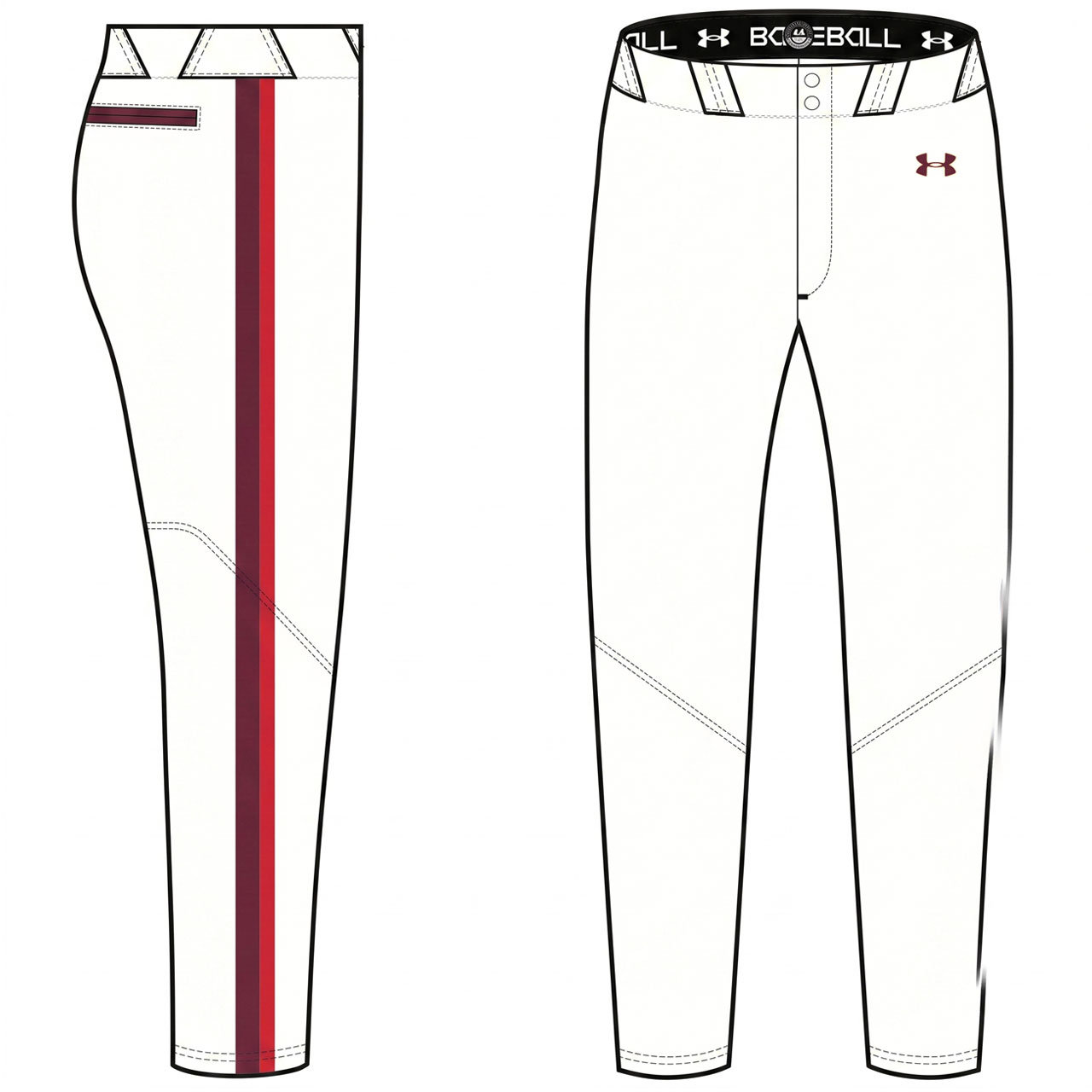
Baseball pants are as much a part of the uniform's identity as the jersey itself. Full-length pants offer a clean, modern silhouette that runs straight to the ankle — the preferred look for players who want an athletic, streamlined appearance from top to bottom. Knicker-style pants cut below the knee and pair with stirrups or high socks, delivering that unmistakable old-school baseball aesthetic that never goes out of style. Both cuts are fully sublimatable, meaning side stripes, tonal patterns, and color-blocked panels can be built directly into the fabric with no fading, cracking, or peeling over time.
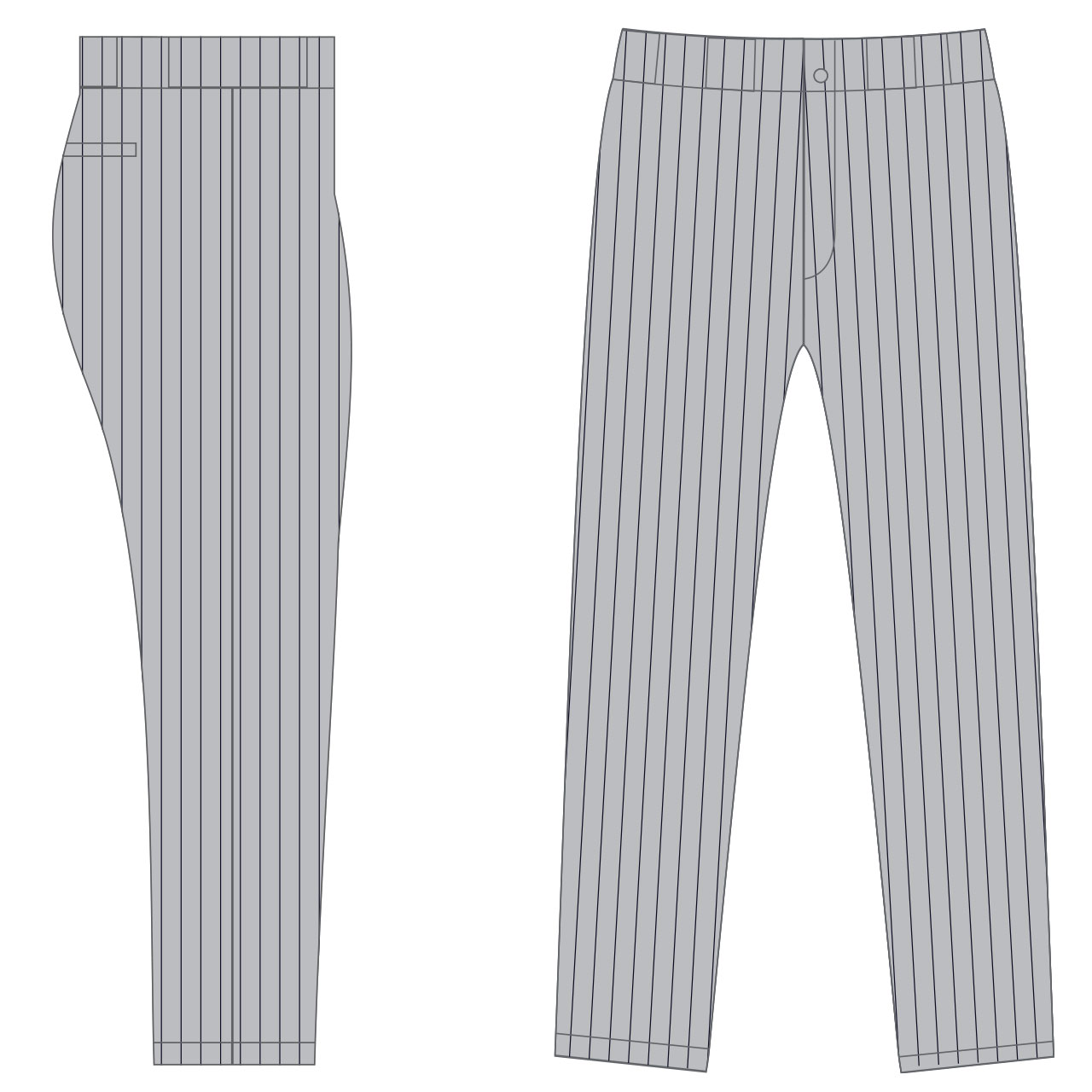
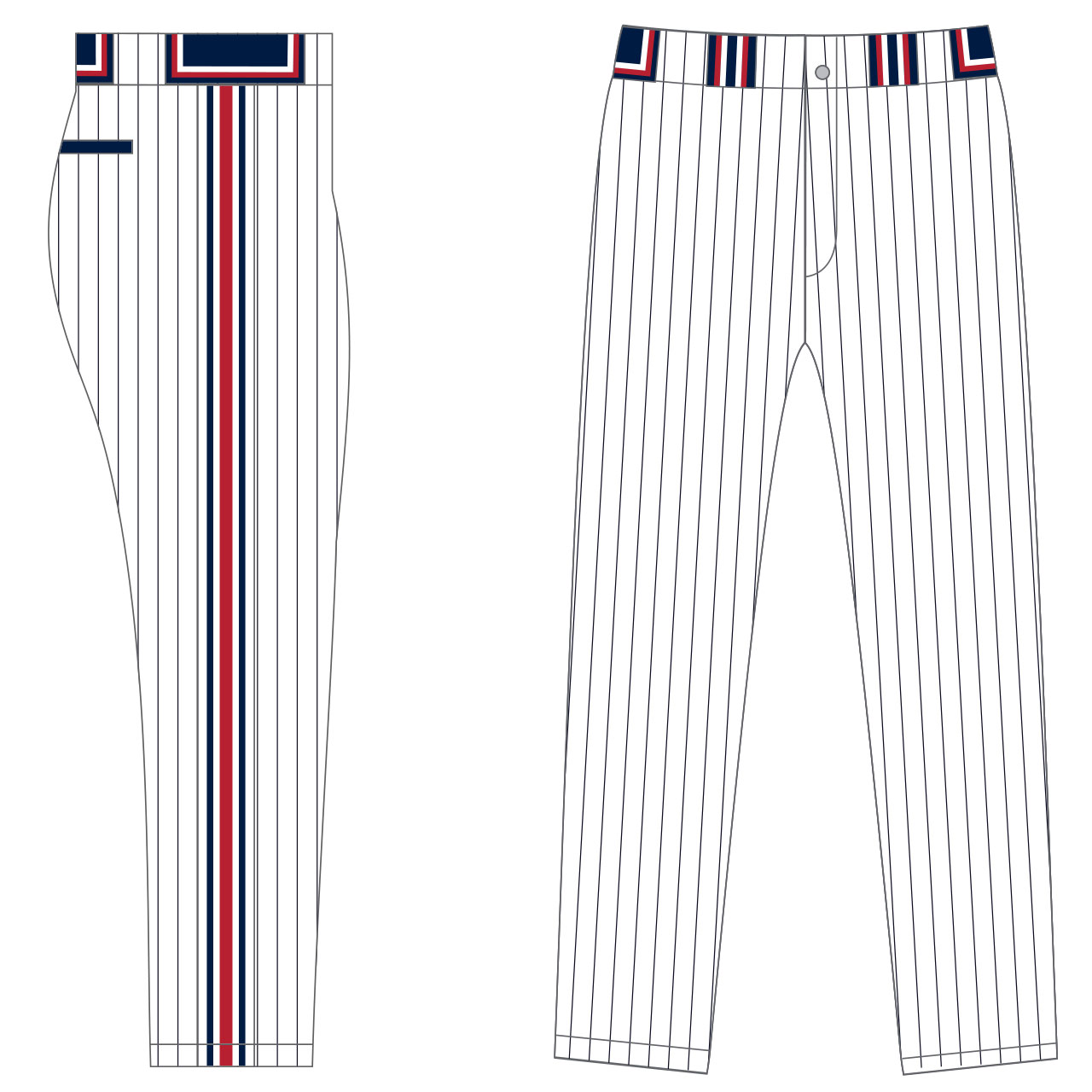
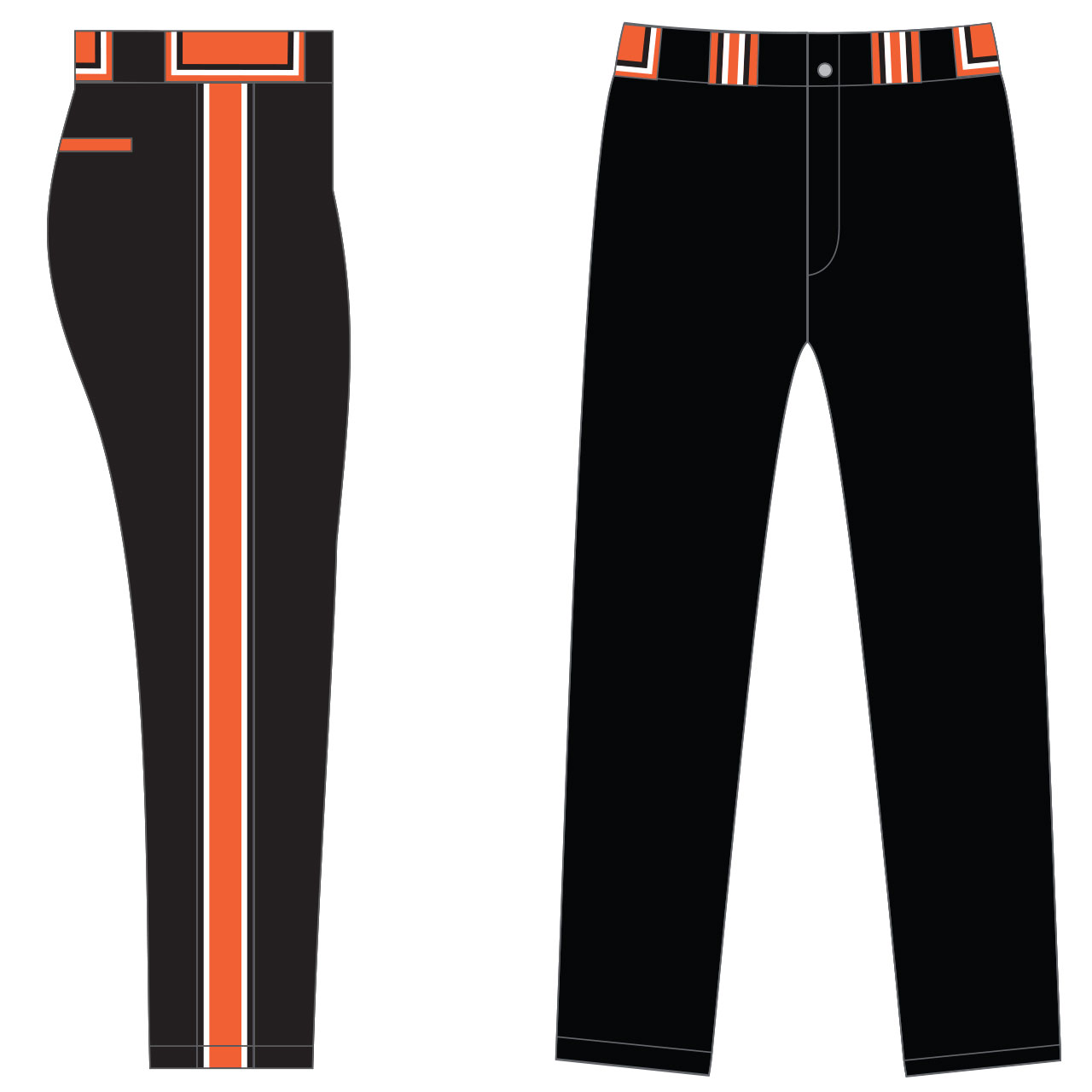
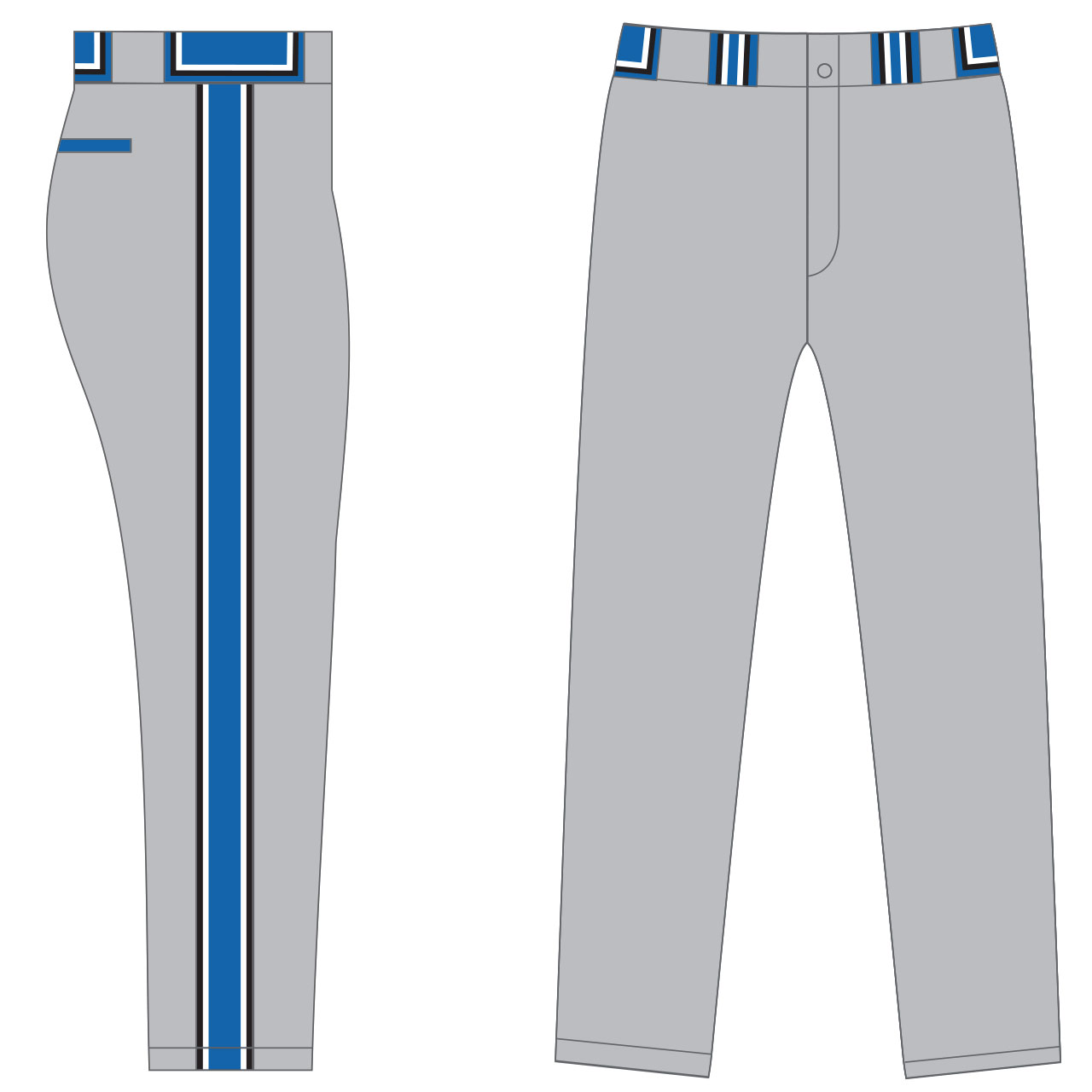
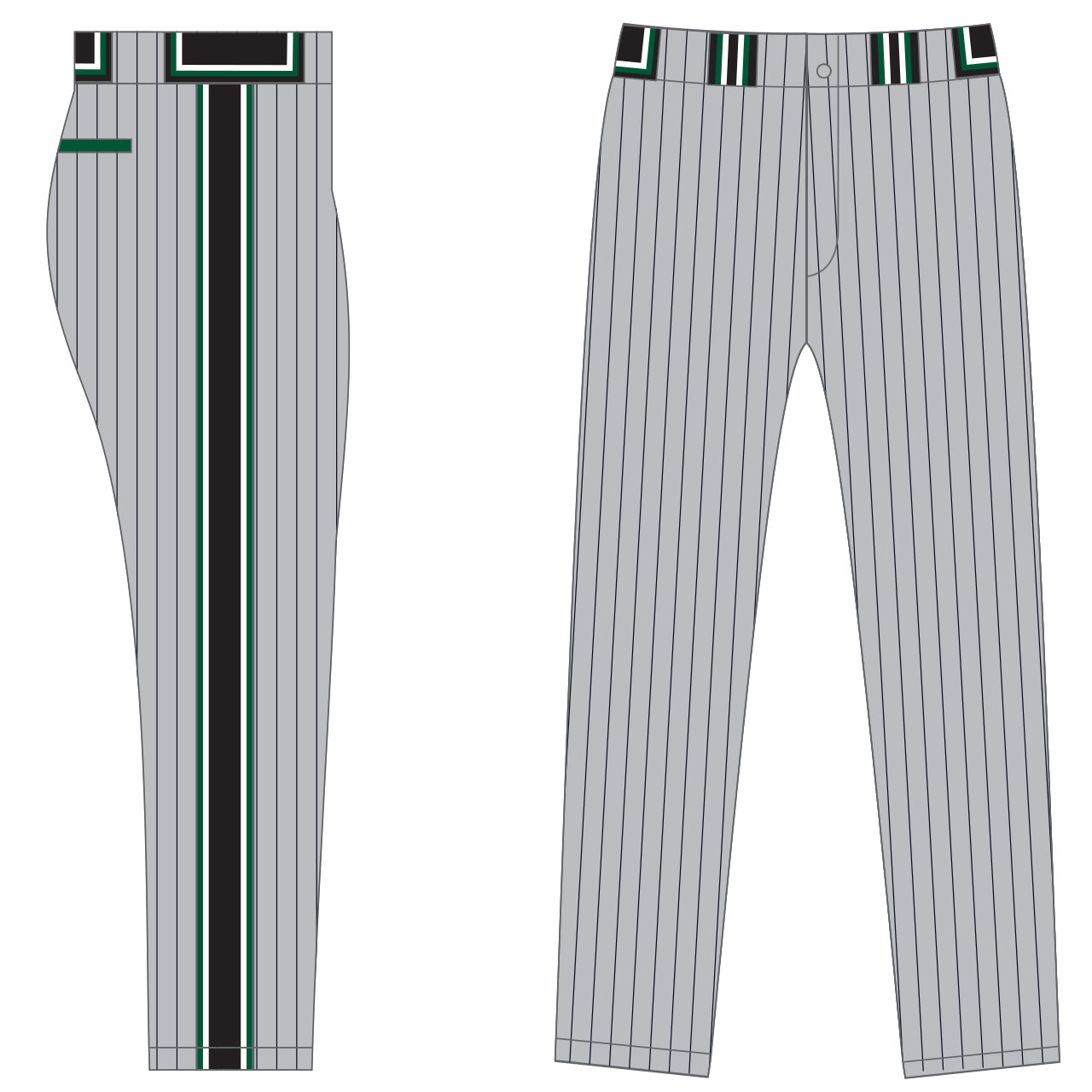
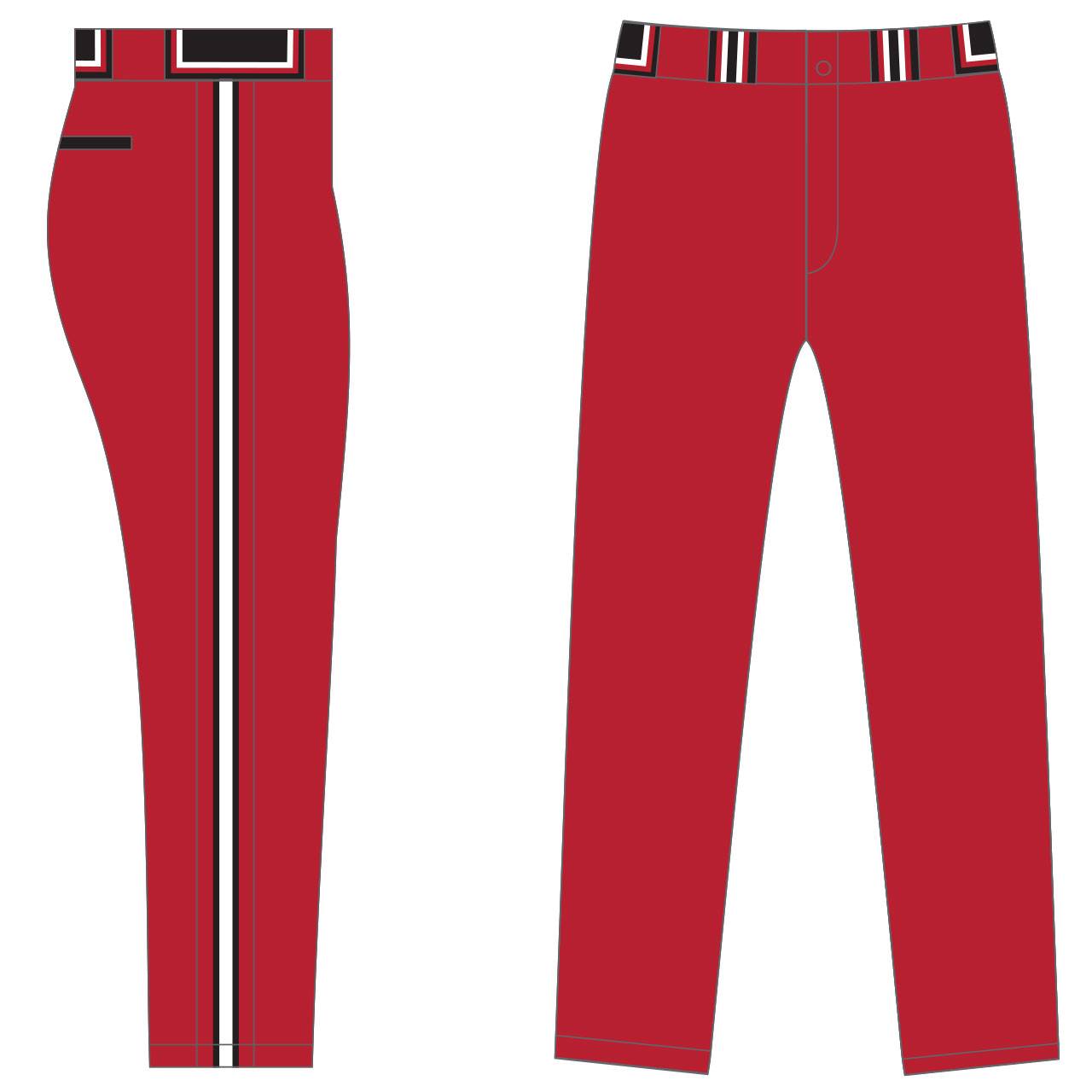
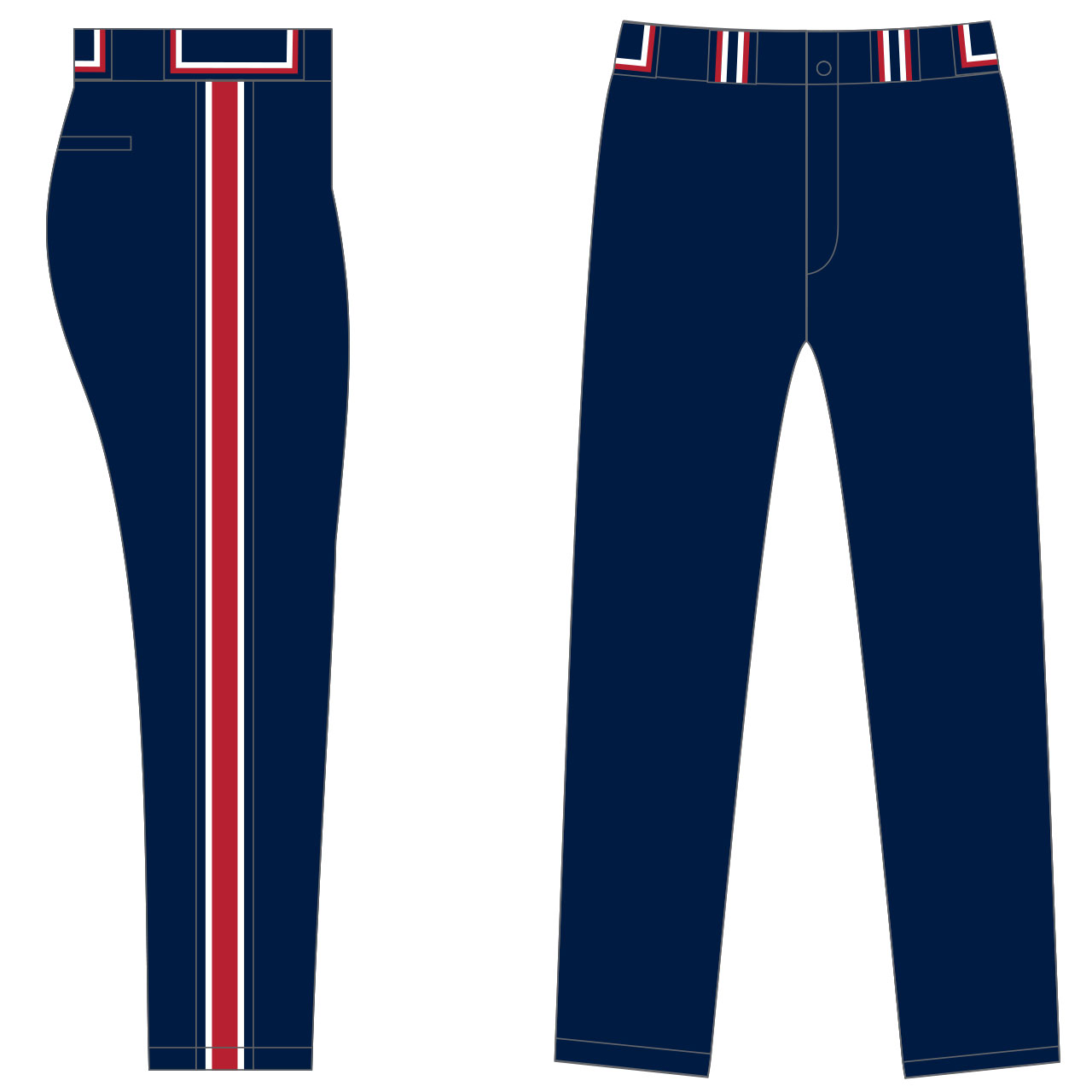
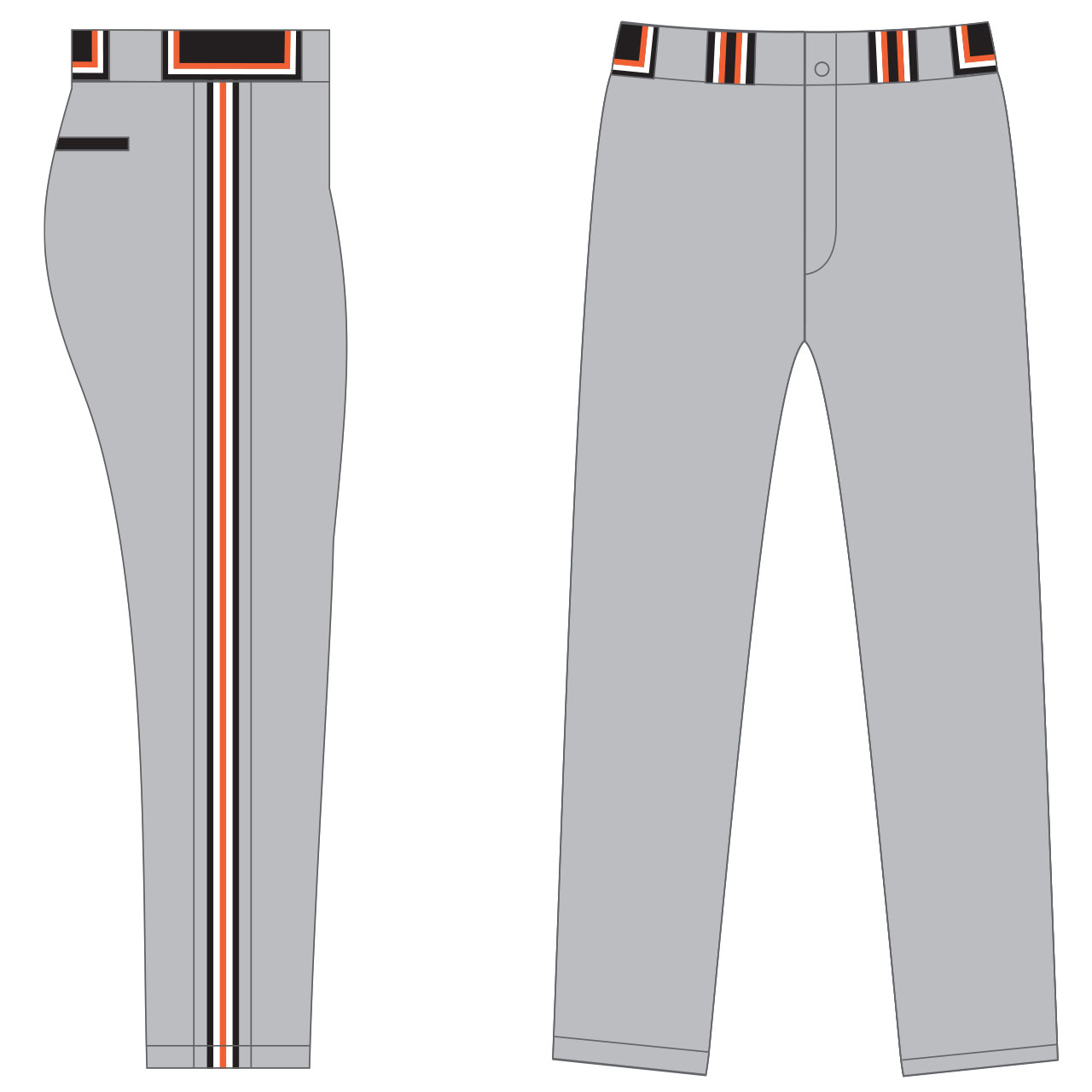
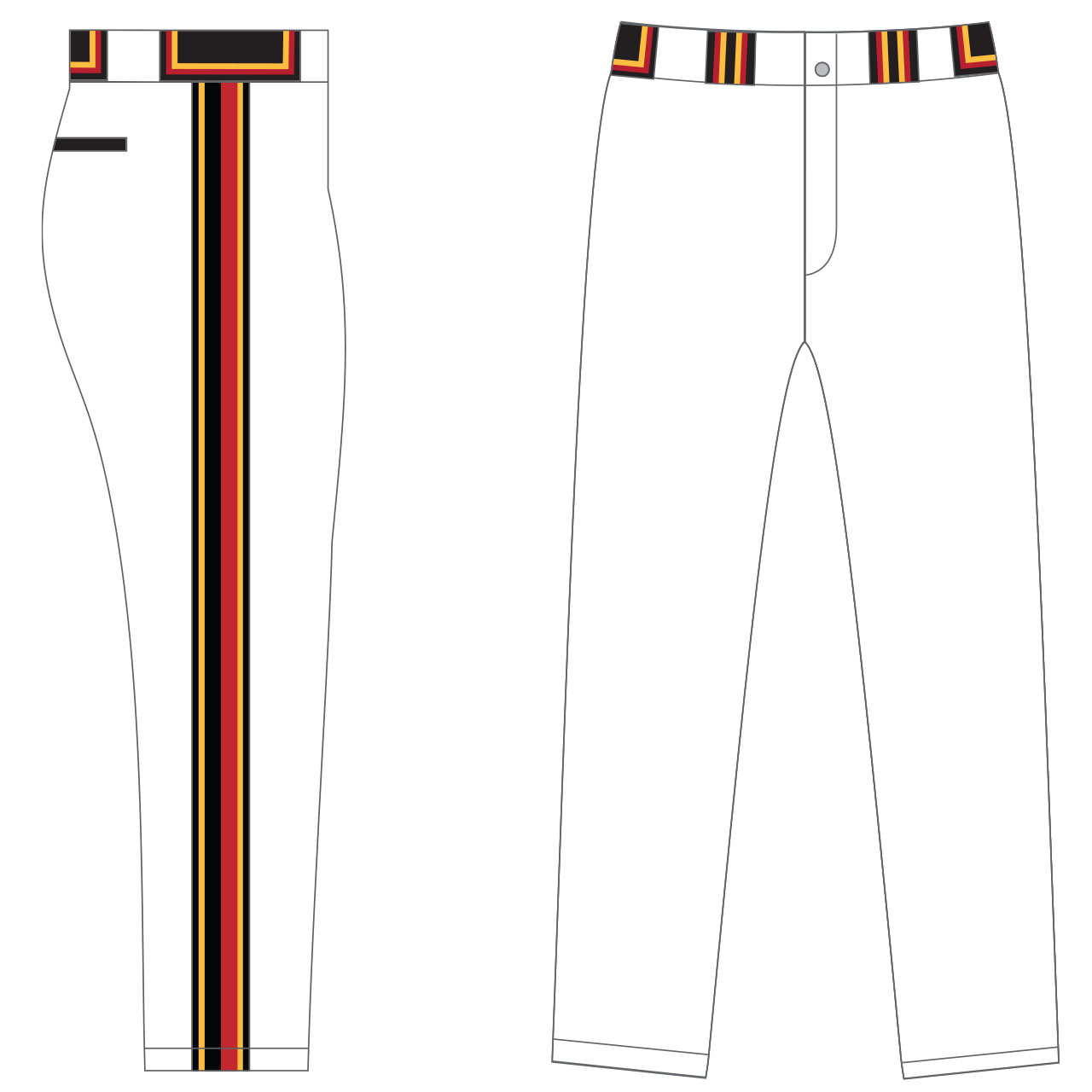
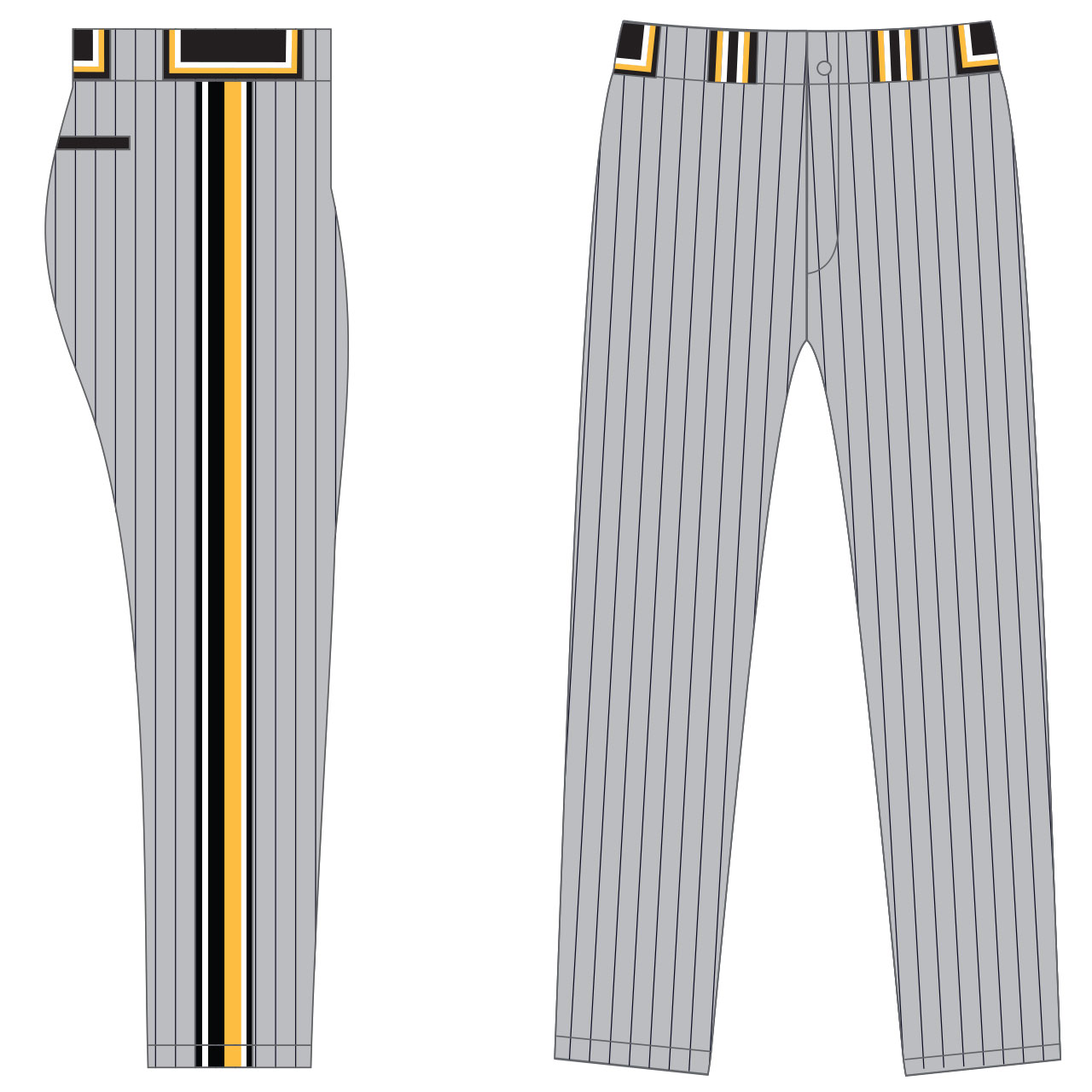
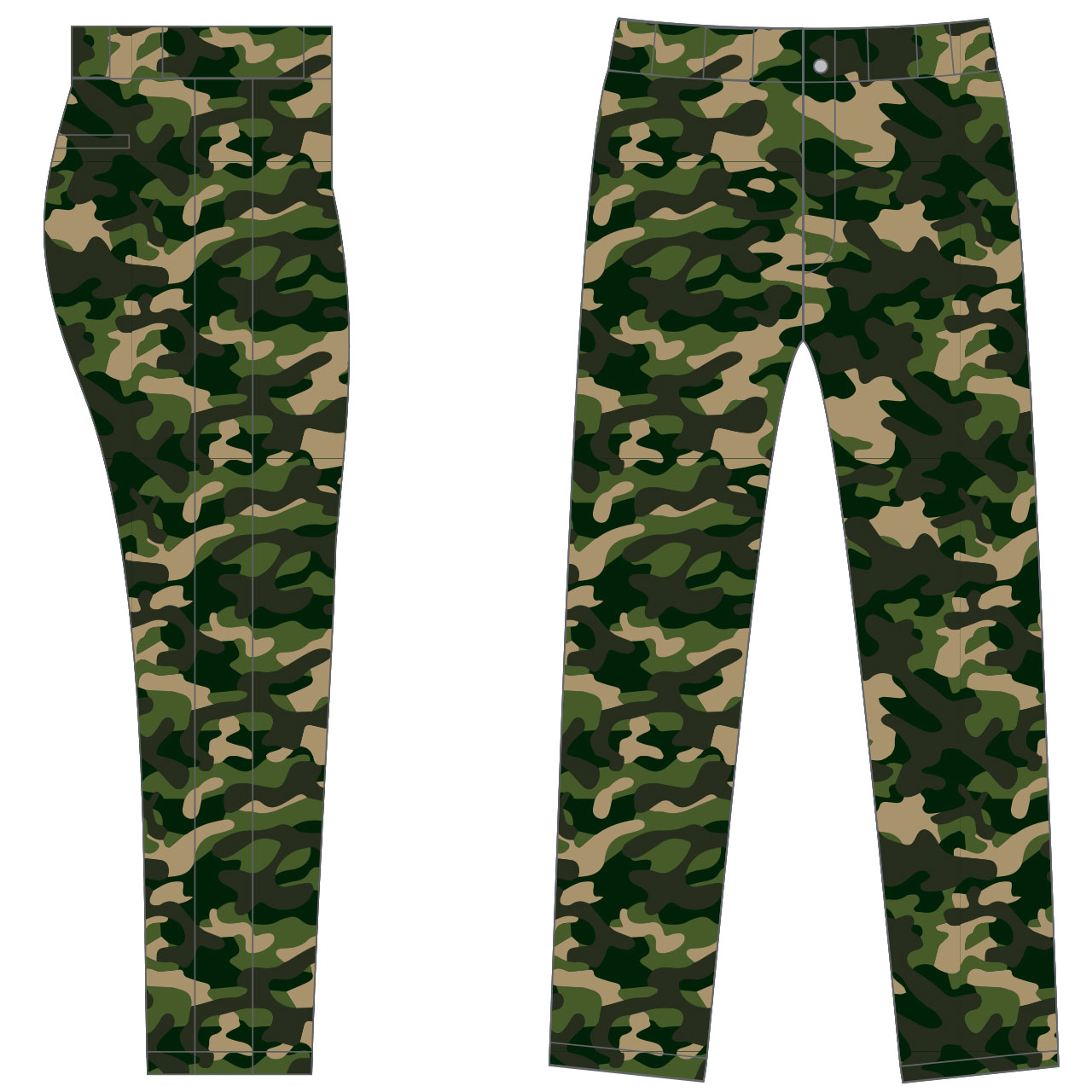
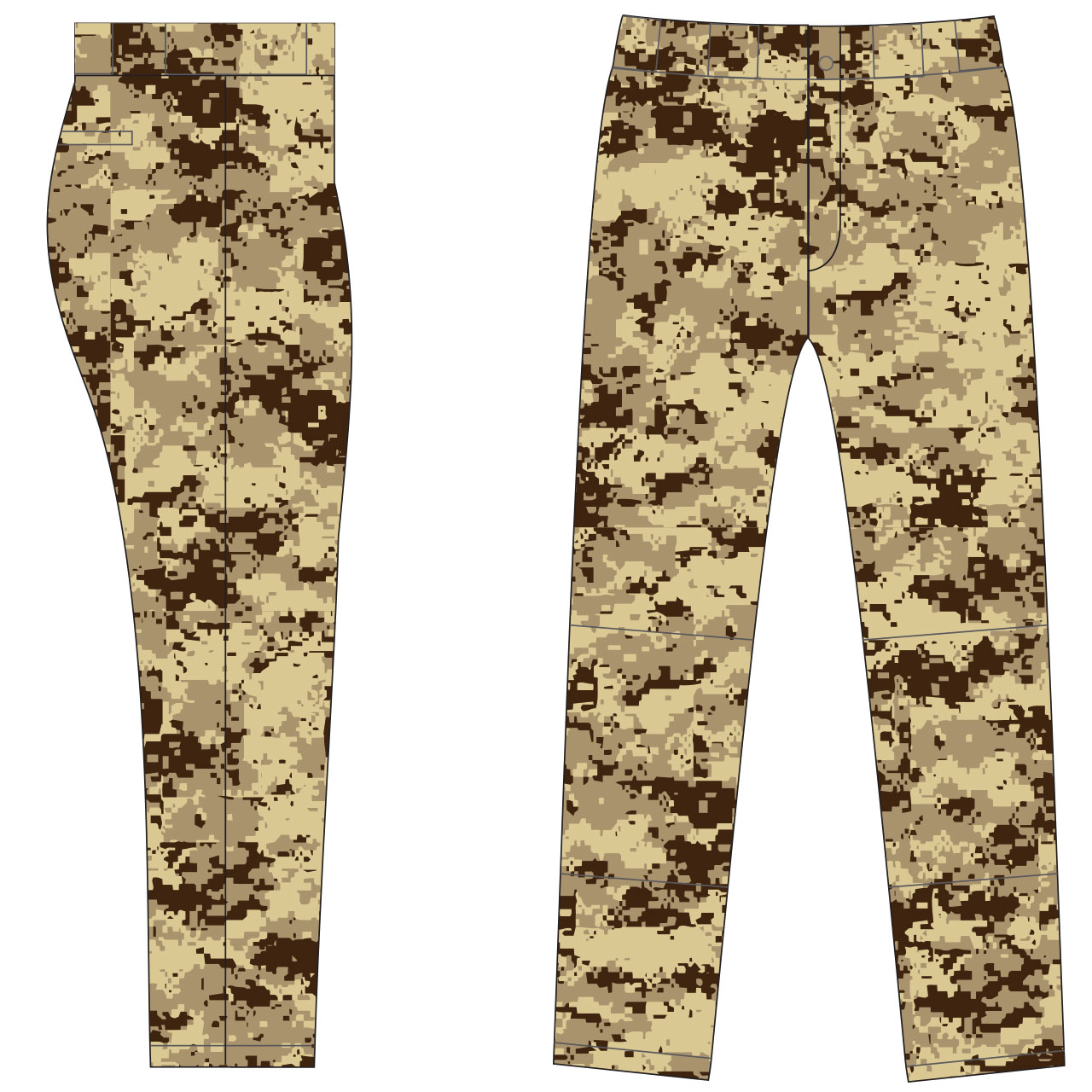
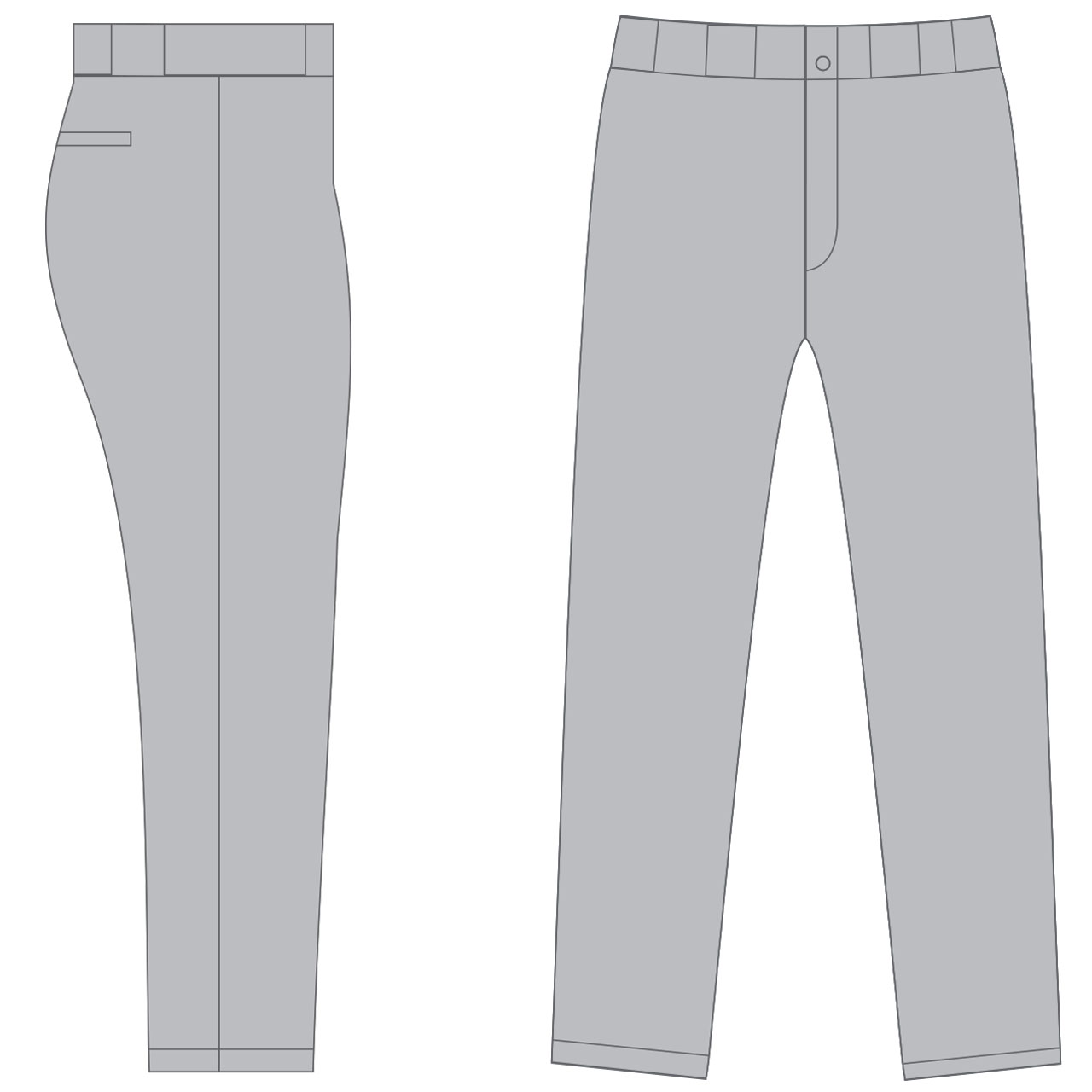
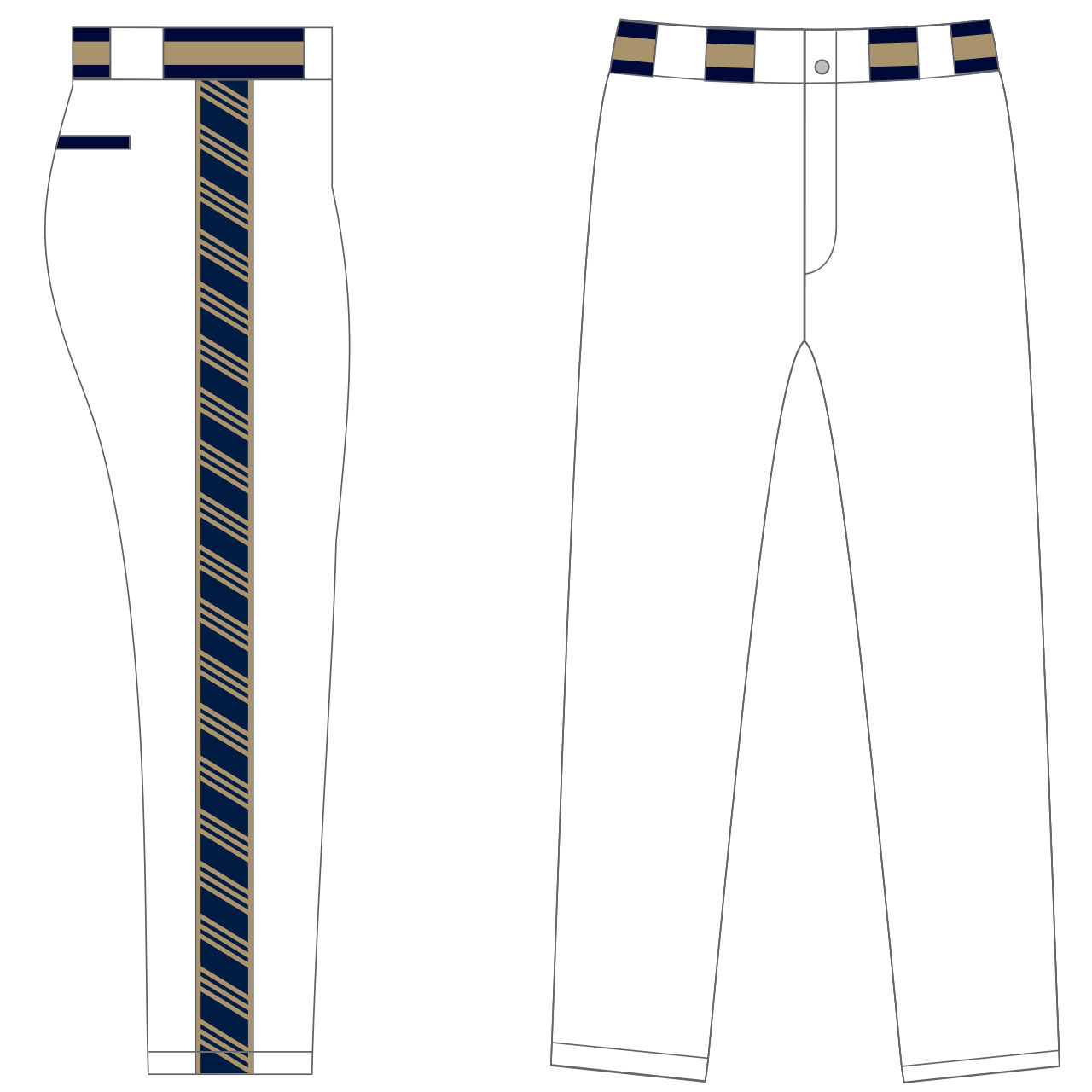
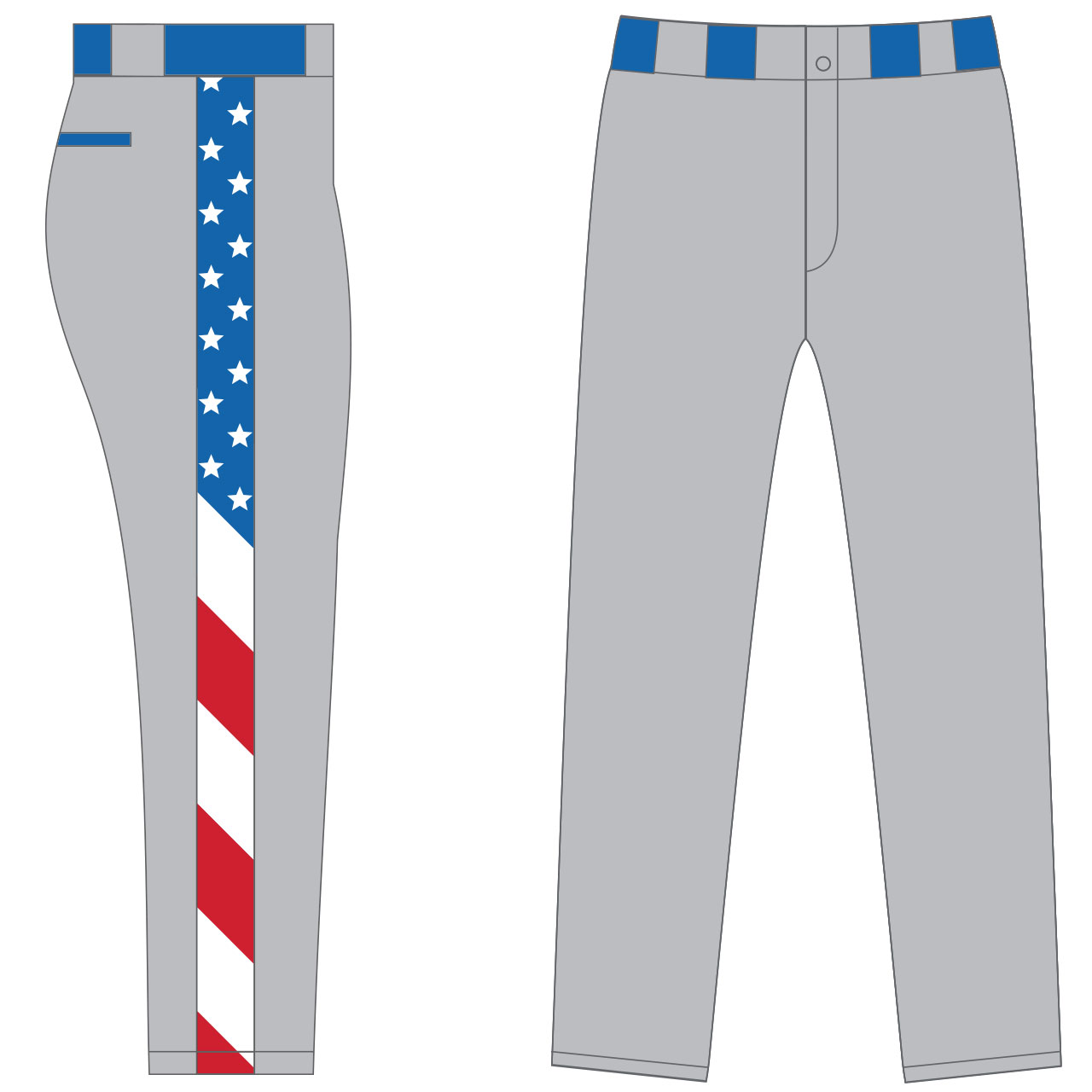
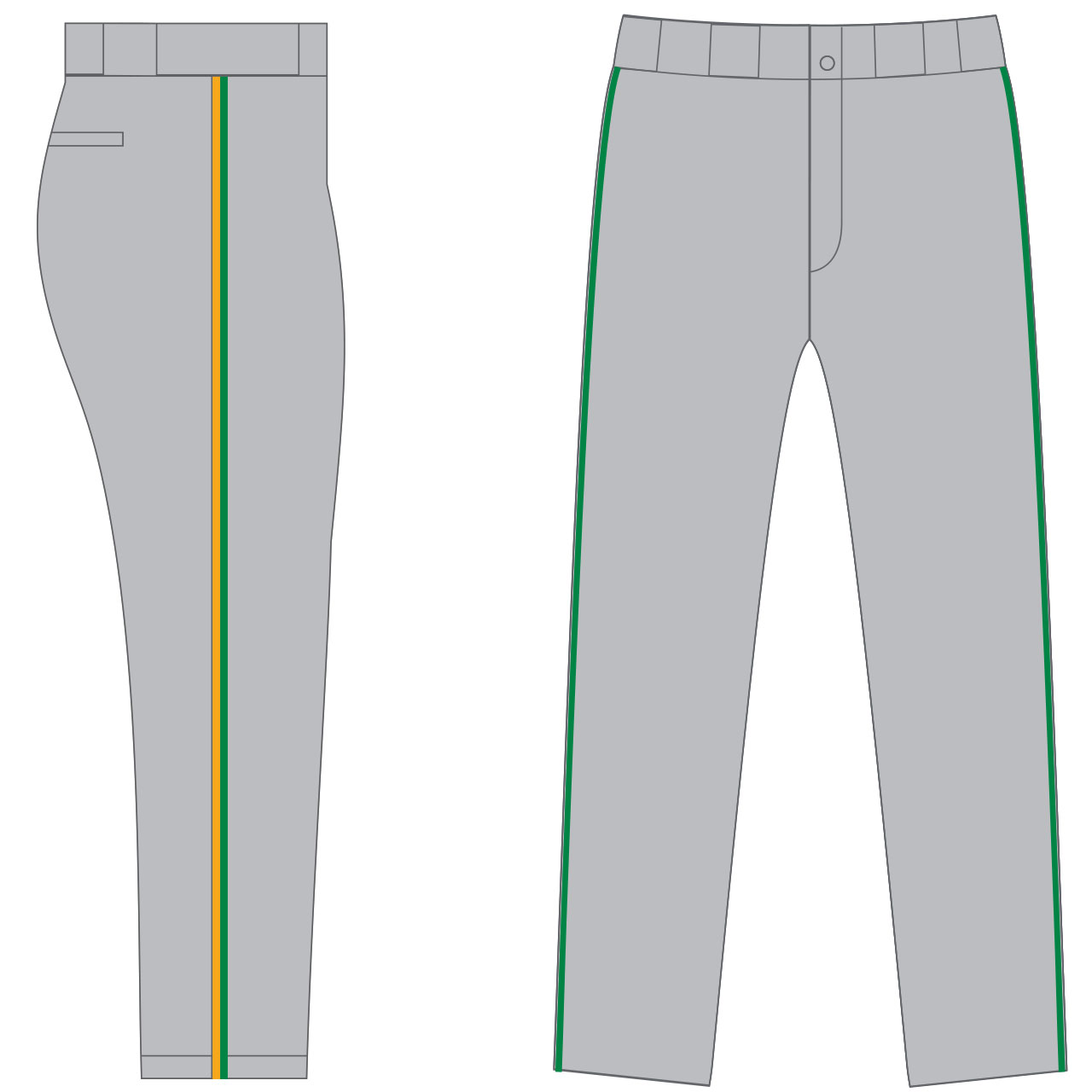
UNDER ARMOUR BASEBALL PANT DESIGNS
How to Design a Custom Baseball Jersey
Sublimation Basics
What is sublimation and why does it matter for baseball jersey design?
Sublimation is a printing process where your design is infused directly into the polyester fabric using heat and pressure rather than applied on top of it. The result is a jersey where the colors, patterns, piping, gradients, and graphics are permanently part of the fabric itself — built to last season after season without degrading. For baseball jerseys specifically, this matters because it opens up the full surface of the jersey as a design canvas. Every panel — front, back, sleeves, sides, collar — can carry color and graphics with no restrictions on the number of colors or complexity of the pattern. There are no additional costs for more colors the way there are with traditional decorating methods. For a full breakdown of the process including available sublimation fabrics and their performance characteristics, visit our sublimated uniform design guide.
Are there any design limitations with sublimation?
Sublimation requires a white polyester base fabric — all colors in a sublimated jersey, including the body color itself, are printed into that white base during production. This means a navy jersey is not a pre-dyed navy garment; the navy is sublimated in along with every other color in the design. The practical implication is that colors need to be specified accurately upfront, since the base fabric color and the design colors are all produced together as one. Beyond that, the creative limitations are minimal. Gradients, photographic textures, complex patterns, and unlimited colors are all achievable. Fine text and thin lines should be kept at a reasonable size to ensure they hold cleanly through the heat transfer process.
Color & Contrast
How do I choose colors for my baseball jersey design?
Start with your team's established colors and build around a clear hierarchy: one dominant base color for the body, one secondary color for accents and panels, and one accent color for outlines and details. Keeping the palette to three colors produces the cleanest, most professional results. The most critical design consideration is contrast — your player numbers and name on the back must be legible from a distance on the field and from the stands. Light numbers on a dark jersey or dark numbers on a light jersey are standard for a reason. Avoid placing numbers in a color that is close in value to the jersey body, even if it technically fits your color scheme. When in doubt, add an outline in a contrasting color to make lettering pop off any background. Browse our full sublimation color palette to see every available base color with its Pantone code.
Should I use Pantone colors when designing my jersey?
Specifying your colors using Pantone (PMS) codes is the most reliable way to ensure consistency across your jersey and any matching gear you order in the future. Pantone codes give us a universal reference point that removes guesswork from color matching. If you do not know your Pantone codes, we can help identify the closest matches based on your logo files or existing branding. One important note specific to sublimation: colors print slightly differently on polyester fabric than they appear on screen. We apply calibrated color profiles to every order to compensate for this, and we will share a digital proof for your approval before anything goes into production so you can confirm everything looks right before we run your jerseys.
Layout & Graphic Placement
What are the standard design zones on a baseball jersey?
A sublimated baseball jersey has several distinct design zones that work together to create the overall look. The front chest carries the team name or primary graphic — this is the highest-visibility area and should carry the most design weight. The back upper area carries the player name and the back center carries the player number, which needs to be large enough to read clearly from the outfield. Sleeve panels are commonly used for secondary logos, accent colors, or decorative patterns. Side panels and underarm inserts are opportunities to introduce contrast color or design elements that flow from front to back. The collar area and button placket on full-button styles are additional details that can be used to reinforce the team color palette. On sublimated jerseys, none of these zones are truly separate — the full jersey is one continuous canvas, and the strongest designs treat it that way.
How should I handle piping and panel designs on a sublimated jersey?
Piping — the thin accent stripes that run along the sides, sleeves, or shoulders — is one of the most effective ways to add visual structure and team color to a baseball jersey without overcomplicating the design. Because sublimation prints the full panel before the jersey is cut and sewn, piping and color-blocked panels can run edge to edge and align precisely at the seams when the garment is properly templated. Bold side panels that carry a contrast color from underarm to hem create a slimming, athletic look and give shorter designs strong framing.
Fonts & Lettering
What fonts work best for baseball jersey designs?
Baseball lettering falls into a few broad categories, and your choice of font sets the visual tone of the entire uniform. Traditional block fonts — bold, upright, and easy to read — convey a classic, professional look and are the most common choice for names and numbers. Arch or script lettering on the front chest gives a vintage, pro-inspired appearance and works especially well on full-button jerseys where the placket frames the chest. Athletic serif styles split the difference, offering structure with a little more character. Whatever style you choose, prioritize legibility above all else — numbers especially need to be readable at speed from a distance. Avoid decorative or novelty fonts for anything functional. For all sublimated work, fonts should be converted to outlines in your final art file so they print exactly as designed regardless of what software opens the file. Browse our full sublimation font library to see every available lettering style, and check out our name and number layouts to see how different arrangements look on a finished jersey.
How do I size and place player names and numbers correctly?
Standard placement puts the player name across the upper back, centered between the shoulder seams, typically in 2-inch lettering. The number goes centered below the name and should be 8 to 10 inches tall on adult jerseys to meet most league requirements and ensure visibility. The front chest number, when used, is typically 4 to 6 inches tall and positioned on the left chest below the team name. Always build names and numbers into a safe zone that keeps them away from seams and edges — on a sublimated jersey, art that runs too close to a seam can get caught in the stitch line or misaligned across panel seams. Work with your decorator's template and confirm number sizing against your league's rules before approving your final proof.
Logos & Artwork
What file format should I provide for my team logo?
Vector files are the standard for sublimation work. AI, EPS, and high-resolution PDF formats are all acceptable and preferred because vector art can be scaled to any size without any loss of sharpness or resolution. This matters on a baseball jersey where the same logo might appear at 6 inches on the front chest and 2 inches on a sleeve — a vector file handles both cleanly. PNG and JPEG files are bitmap formats that degrade when enlarged and should only be used when a vector file is not available. If you only have a PNG or JPEG version of your logo, look for a file that is at least 300 DPI at the intended print size. If your logo needs to be recreated or cleaned up as a vector, Elevation Sports can handle that as part of the order process at no additional charge.
Working with our Art Team
What should I have ready before starting the design process?
Coming to the design conversation prepared saves significant time and gets your jerseys into production faster. At minimum, have your team name, primary and secondary colors (ideally with Pantone codes), and your logo in a vector format. If you have a design direction in mind — a specific style, a jersey you admire, colors you want to match — reference images are extremely helpful. Know your roster size and whether you need youth sizes mixed into your order. If your league has rules about number size, placement, or color restrictions, bring those to the conversation early. The more clearly you can communicate what you are going for, the fewer revision rounds are needed and the faster your jerseys are approved and in production. If you need inspirtation review the hundreds of designs above and we can modify to fit your team's color profile.
How do I make sure my jersey looks the same as the digital proof?
A digital proof shows you the layout, proportions, color blocking, and placement of all design elements — review it carefully before approving. Check that the team name is spelled correctly, numbers match your roster, and colors look consistent with your branding. Keep in mind that screens display colors using the RGB color model while sublimation prints in CMYK on fabric, so there can be a slight difference between what you see on screen and the finished garment. If color accuracy is critical — for example, if you are trying to match a specific existing brand color — request a fabric swatch or a single-piece sample before approving a full run. Once you sign off on the proof, that approval locks in the design for production, so take the time to review every detail thoroughly.